Engineered Components & Sensor Solutions Ready for Dispatch
Integrated front panel overlays and complementary sensing sub-assemblies manufactured by Shenzhen Mivo Electronics for high-reliability deployments in Panama City, Balboa, and the Colón Free Trade Zone.
Industrial Graphic Overlays in Central America's Maritime & Industrial Gateway
As the primary interoceanic logistics transit point between the Atlantic and Pacific oceans, Panama City—together with the special economic territories of the Colón Free Trade Zone (Zona Libre de Colón) and the Panama Pacífico Special Economic Area—demands industrial control components built to withstand extraordinary physical stresses. In human-machine interface (HMI) engineering, graphic overlays serve as the first physical and visual interface between operators and internal control logic. Whether operating hydraulic control consoles along the Panama Canal locks, overseeing port crane automation at Balboa, or managing cold-chain distribution terminals, front panel overlays engineered by China's top tier manufacturing facilities supply the essential durability, ingress sealing, and functional ergonomics required by international OEM engineers.
Shenzhen Mivo Electronics Co., Ltd. operates an onsite-verified electronics and front-panel manufacturing facility in Guangdong, China. Bringing over 8 years of cross-border export experience, an audited team of 51–100 manufacturing and design specialists, and end-to-end turnkey fabrication ranging from 5-piece pilot runs to high-volume contract manufacturing, we specialize in high-spec polycarbonate (PC), biaxially-oriented polyethylene terephthalate (PET), and acrylic control overlays customized specifically for humid tropical marine deployments.
Material Science: Comparative Substrate & Adhesive Engineering
Precision graphic overlays are engineered multi-layer assemblies consisting of a top decorative face film, sub-surface graphic inks, selective hard-coats, visual display windows, mechanical actuation domes, and backing pressure-sensitive adhesives (PSA). Choosing the correct substrate formulation defines product longevity in equatorial and coastal environments such as Panama City and the Colon district.
1. Base Substrate Chemistry: PET vs. Polycarbonate vs. Acrylic
For decades, general-purpose Lexan™ polycarbonate was the default choice for graphic overlays due to ease of thermal embossing and initial optical clarity. However, in tropical zones with constant solar irradiation and exposure to industrial degreasers, un-stabilized polycarbonate experiences photo-oxidative degradation, surface micro-cracking, and environmental stress cracking. Shenzhen Mivo Electronics applies strict engineering selection criteria:
| Substrate Material | Tensile Strength (MPa) | Actuation Flex Life | UV & Weather Resistance | Chemical Resistance | Recommended Panamanian Application |
|---|---|---|---|---|---|
| Autotex XE® Hard-Coated PET (150μm - 200μm) | 150 - 180 | > 5,000,000 cycles | Superior (10+ Yrs Outdoor) | Resistant to fuels, alcohols, acids, salt fog | Canal vessel cockpits, marine telemetry, outdoor oil docks |
| Biaxially Oriented PET (Standard) | 130 - 160 | > 2,000,000 cycles | Moderate (Indoor / Shielded) | Excellent resistance to mild cleaning solvents | Industrial food processing, medical HMIs, logistics consoles |
| Lexan™ HP92W Polycarbonate (UV-Stabilized) | 65 - 75 | > 100,000 cycles | High (UV Stabilized formulation) | Vulnerable to aromatic hydrocarbons and esters | Non-tactile instrument bezels, heavy impact display faces |
| Polymethyl Methacrylate (PMMA / Acrylic) | 70 - 80 | Rigid (Non-actuating) | Exceptional optical transmission (92%) | Fair (Vulnerable to acetone, strong alcohols) | Front display protective lenses, dead-front status panels |
2. Adhesive Transfer Technology for Tropical Humidity (3M High-Bond Systems)
Adhesive failure is the predominant cause of overlay rejection in Panama's maritime sector. When moisture migrates across the perimeter of the overlay, lower-tier acrylic adhesives experience hydrolytic plasticization, turning gummy or releasing under shear stress. Shenzhen Mivo Electronics utilizes computer-calibrated CNC and laser cutting machines to process authentic 3M pressure-sensitive adhesives, matching the backing tape to the exact surface energy of the client's host enclosure:
3M 300LSE (Hi-Strength Acrylic)
Engineered for Low Surface Energy (LSE) substrates including powder-coated steel enclosures, polypropylene boxes, and cast aluminum hulls. Resists petroleum vapors and heavy tropical condensation.
3M 467MP / 468MP (200MP High-Performance)
The industry benchmark for smooth metal substrates, high surface energy plastics, and precision milled aluminum chassis. Delivers outstanding shear strength up to 204°C (400°F) without edge oozing.
Perimeter Gasket & O-Ring Emulation
Custom die-cut closed-cell neoprene, Poron® urethane, and silicone foam laminations bonded directly behind the graphic overlay to achieve certified IP67 and IP68 watertight enclosures.
Localized Deployment Scenarios Across Panama's Key Economic Sectors
Panama City is neither a purely agricultural nor purely consumer market; it is an international financial, shipping, aviation, and transshipment crossroads. Graphic overlays and HMI membranes supplied into this region must be tailored for specific mission-critical operational environments:
1. Panama Canal Maritime Systems & Tugboat Cockpits
Canal transit pilot boats, tug assist vessels, lock water-level monitoring consoles, and winch steering stations require non-glare, anti-reflective matte overlays. Sub-surface silk-screened graphics resist abrasive sea salt crystallization, fuel oil splashing, and hydraulic fluid drips. Integrated stainless steel metal domes with tactile actuation forces ranging between 350g and 450g guarantee positive tactile feedback through thick work gloves.
2. Colón Free Zone Logistics & Telematics Handhelds
As the largest free trade port in the Americas, Colón processes massive container volume requiring industrial barcode scanners, cold-chain temperature loggers, and automated sorting conveyor panels. Graphic overlays for these systems must resist drop impacts, continuous chemical disinfection, and temperature shocks when moving between 32°C exterior heat and -25°C refrigerated warehouse environments without film embrittlement.
3. Tocumen Airport Infrastructure & Baggage Logistics
Tocumen International Airport (PTY) functions as the "Hub of the Americas." Terminal baggage routing systems, passenger boarding bridge controls, and aircraft ground power units (GPU) rely on UV-impermeable front panels. Mivo provides dead-front graphics where warning icons remain completely invisible until backlit by high-efficiency surface mount LEDs, preventing operator distraction during night shifts.
4. Hospital & Biomedical Instrumentation in Panama City
Panama City is an emerging hub for medical tourism and regional biomedical treatment centers. Clinical infusion pumps, diagnostic analyzers, and surgical autoclaves demand antimicrobial polyester overlays (incorporating Microban® or silver-ion coatings) that resist continuous surface scrubbing with isopropyl alcohol (70%), sodium hypochlorite (bleach), and quaternary ammonium sanitizers.
5. Central American Power Substations & Microgrids
Hydroelectric stations in Chiriquí and solar microgrids across central Panama utilize heavy-duty switchgear and high-voltage inverter cabinets. Overlays engineered by Mivo feature flame-retardant substrates meeting UL94 V-0 and VTM-0 flammability ratings, combined with clear optical windows for LCD/VFD readouts with anti-glare finishes to eliminate sunlight blinding.
6. Agricultural & Food Processing Equipment
Processing facilities for coffee, seafood, and sugarcane in neighboring provinces utilize washdown-intensive packaging machines. Our seamless, embossed graphic overlays prevent ingress of food particles, dust, and high-pressure steam sprays, eliminating harborage points for bacterial contamination.
Emerging Technology Trends in Tropical HMI & Membrane Design (2025–2030)
The convergence of industrial automation, smart infrastructure, and IoT telemetry has reshaped procurement criteria across Central and South America. Purchasing directors and design engineers in Panama City are shifting focus from basic cosmetic labels toward highly integrated, multifunctional interface assemblies:
1. Migration Toward Capacitive Touch Under Glass/Plastic
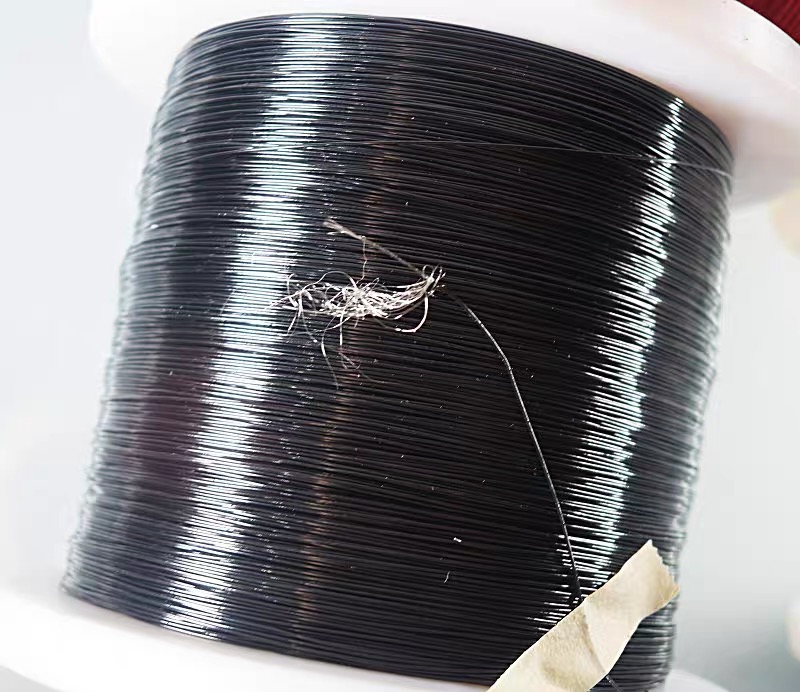
While traditional mechanical metal domes remain vital for high-vibration maritime gear, clean-room and indoor industrial panels are rapidly adopting projected capacitive (PCAP) sensing integrated directly behind sealed decorative PET overlays. Mivo manufactures custom indium tin oxide (ITO) or silver nano-wire printed flex circuits directly bonded behind 200μm hard-coated front panels, enabling multi-touch gestures, water droplet rejection, and glove-touch functionality in humid environments.
2. Dead-Front Optical Aesthetics with Micro-Patterned Diffusion
Modern equipment cabins feature clean, minimalist dashboards where operational status indicators only illuminate when active. Shenzhen Mivo Electronics applies specialized multi-hit translucent diffusion inks on the reverse side of optical-grade films. By balancing opacity and visible light transmission (VLT), we guarantee 100% blacked-out dead-front indicators under ambient equatorial sunlight, preventing phantom graphic visibility until activated by internal LEDs.
3. Integration with Turnkey PCBA & Sensor Sub-Systems
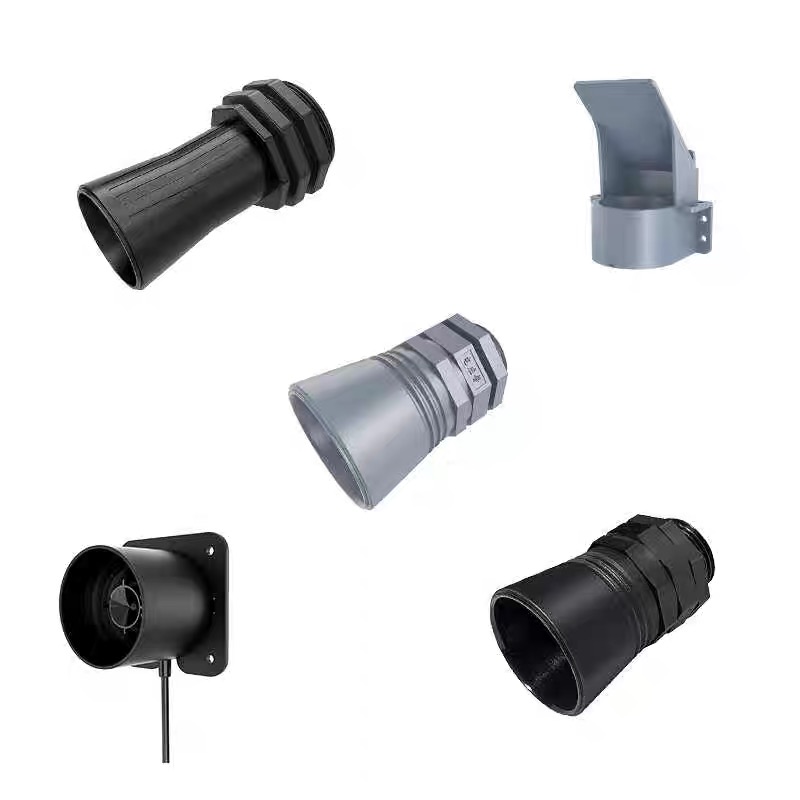
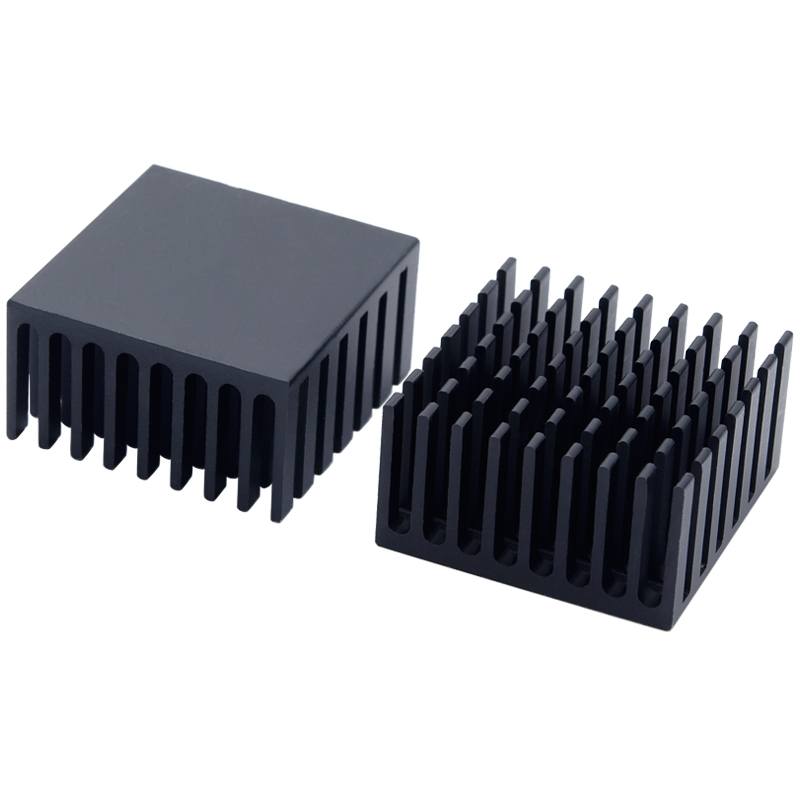
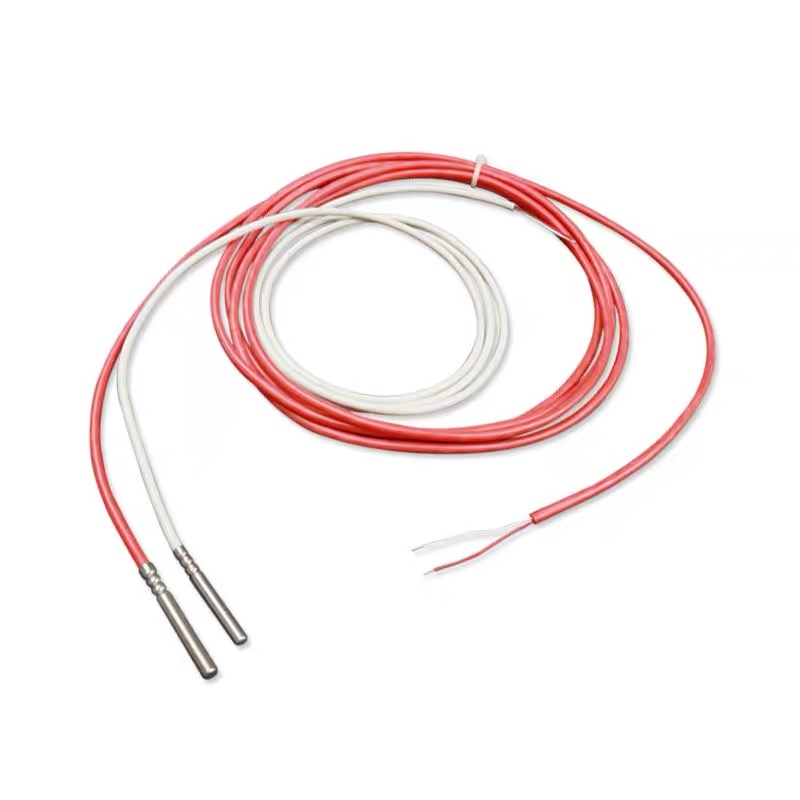
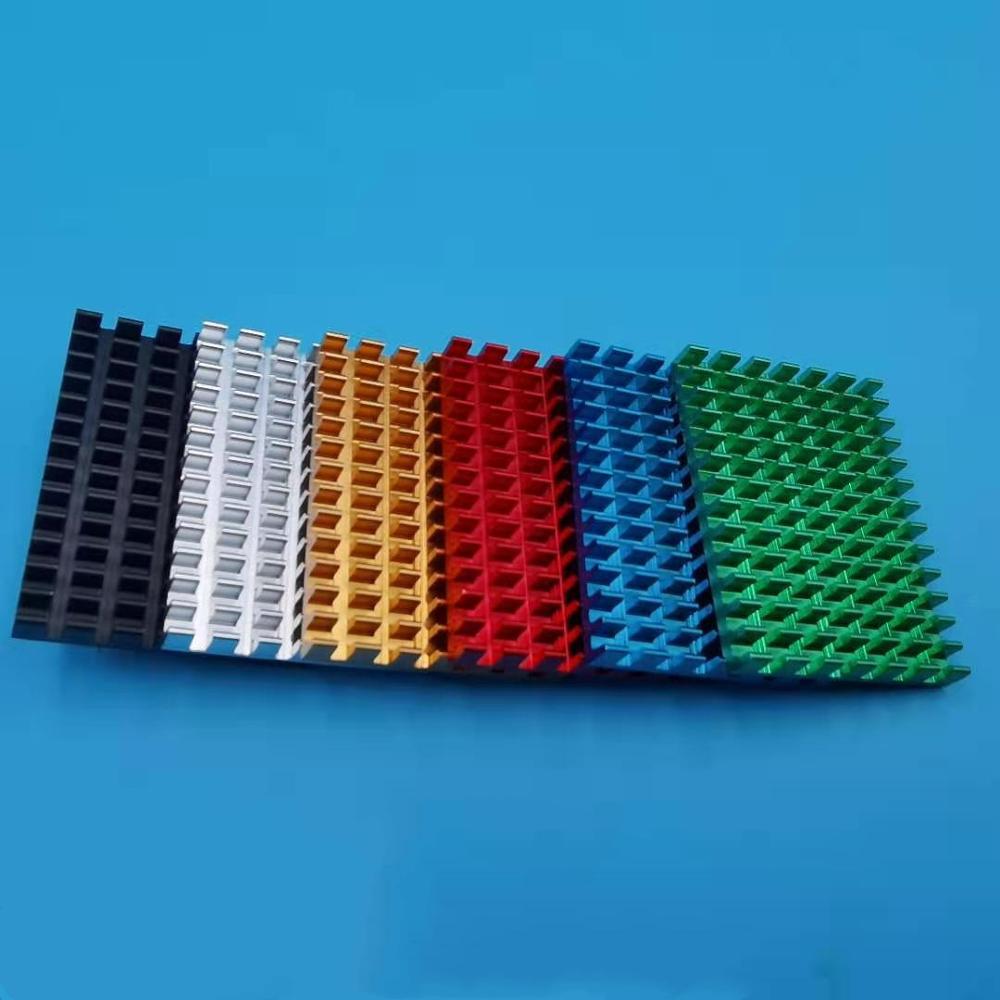
Procurement teams in Panama City increasingly prioritize suppliers that eliminate supply chain fragmentation. Rather than purchasing graphic overlays in one factory, printed circuit boards (PCBA) in another, and environmental sensors from a distributor, engineers rely on Shenzhen Mivo's one-stop model. We deliver completely integrated modules: custom graphic overlays factory-bonded to FR-4 or aluminum-backed circuit boards, wired to precision PT100/PT1000 RTD sensors, ultrasonic liquid level transducers, and custom heat sinks—tested and ready for direct drop-in enclosure assembly.
Verified Manufacturing Competencies & Supply Chain Reliability
Sourcing precision engineered hardware from China requires transparency, verifiable quality systems, and responsive communication. Shenzhen Mivo Electronics Co., Ltd. provides overseas buyers with complete institutional security backed by certified facility operations:
Onsite-Verified Factory Facilities
Our operational headquarters and manufacturing premises in Shenzhen, Guangdong, China have been rigorously checked and onsite-verified by third-party inspection firms and Alibaba platform auditors. Verified legal standing, physical equipment ownership, and active export licensing.
8-Year Cross-Border Track Record
With 8 consecutive years as a verified gold supplier, an average buyer satisfaction rating of 4.7 out of 5.0, and thousands of international shipments to Latin America, North America, and Europe, our trade documentation and export compliance operate at global enterprise standards.
Class 10,000 Dust-Free Screen Printing Cleanrooms
Graphic overlay optical quality and membrane switch insulation depend heavily on particulate control. Our climate-controlled cleanrooms feature automated CCD camera-aligned screen printing presses, state-of-the-art tunnel UV curing, and laser die-cutting systems with ±0.05mm dimensional tolerances.
100% Quality Assurance & Environmental Testing
Every overlay batch undergoes stringent testing: spectrophotometer Pantone color verification (ΔE < 1.0), cross-hatch ink adhesion testing (ASTM D3359), surface pencil hardness evaluation up to 3H (ASTM D3363), and 100% circuit continuity/insulation resistance testing for membrane switches.
Frequently Asked Questions: Sourcing Graphic Overlays & HMI Assemblies in Panama
Direct technical answers addressing engineering parameters, trade logistics, and order workflows for Panamanian buyers and regional procurement managers: