Precision Electronics & Sensing Solutions Built for Baltic Applications
Every membrane switch panel, sensor array, and embedded circuit is manufactured under strict ISO quality workflows and optimized for industrial automation, HVAC, robotics, and cold-climate resilience.
Polycarbonate Membrane Switch Technology: Industrial Material Science & Construction
For original equipment manufacturers (OEMs), machine builders, and system integrators in Šiauliai and the greater northern Lithuanian industrial cluster, Human-Machine Interface (HMI) durability is an uncompromising baseline. Polycarbonate (PC) graphic overlays and multi-layered membrane switches represent an optimal balance of optical clarity, dimensional stability, mechanical impact resistance, and cost-effective customization.
Manufactured from premium-grade optical polycarbonates such as SABIC Lexan™ 8010 or Covestro Makrolon™, these switches provide distinct advantages over conventional polyester films when high dielectric strength, flame resistance (rated up to UL94 V-0 or V-2), and three-dimensional thermoforming are mandatory design parameters.
Superior Optical Transmission
Polycarbonate substrates deliver up to 89%–92% light transmittance, allowing crisp readouts for embedded 7-segment displays, LCD/OLED windows, and back-mounted SMD micro-LED indicators.
Deep Embossing & Tactile Feel
Unlike rigid plastics, polycarbonate allows sharp plateau, pillow, and rim embossing without micro-cracking, preserving crisp tactile snap when paired with gold-plated stainless steel metal domes.
NEMA 4X / IP65 & IP67 Sealing
Subsurface screen-printed silver or carbon tracks coupled with 3M 200MP/300LSE acrylic adhesives create an airtight, moisture-proof barrier resistant to common industrial solvents and dust washdown.
Cross-Sectional Architecture of an Industrial Membrane Switch
A precision-built industrial membrane switch consists of up to six functionally specialized laminations engineered to perform through millions of duty cycles:
- Graphic Overlay: High-clarity polycarbonate sheet (0.125mm to 0.25mm thickness) with second-surface (sub-surface) screen printing. Because inks are printed on the rear side of the film, text and graphical legends cannot be scratched or worn away by abrasive mechanical wear or cleaning agents.
- Overlay Adhesive: High-performance acrylic transfer film (such as 3M 467MP or 468MP) precision die-cut to eliminate dead zones around moving tactile actuators.
- Upper Circuit Layer: Stabilized polyester or thin polycarbonate film screen-printed with micro-conductive silver ink (traces < 0.5Ω/cm) and carbon-protective overcoats to inhibit silver migration under sustained DC bias.
- Circuit Spacer: Dimensional PET dielectric core (0.075mm to 0.175mm) with micro-air vent channels designed to equalize internal atmospheric pressure during rapid key actuation or extreme altitude/temperature transitions.
- Lower Circuit Layer: Ground plane or return trace layer, frequently integrated with an EMI/RFI copper or aluminum foil shielding layer to satisfy strict European CE EMC directives.
- Rear Mounting Adhesive: Substrate-specific structural adhesive (e.g., 3M 300LSE for low-surface-energy powder-coated enclosures, or 3M 9472LE for cold-rolled steel chassis).
Polycarbonate (PC) vs. Polyester (PET) vs. Glass Capacitive Touch
Selecting the optimal front panel technology requires understanding physical limitations across mechanical life, environmental tolerance, and manufacturing flexibility.
| Performance Parameter | Polycarbonate (PC) Overlays | Polyester (PET / Autotex) | Industrial Capacitive Glass |
|---|---|---|---|
| Operating Temperature | -40°C to +85°C | -20°C to +105°C | -20°C to +70°C |
| Flexural Fatigue Life | ~100,000 to 500,000 cycles | >5,000,000 cycles | Virtual (Solid State) |
| Pencil Hardness | HB to 2H (Up to 3H with Hardcoat) | 2H to 3H Hardcoated | 7H to 9H (Chemically Tempered) |
| Impact Resistance (Izod) | Exceptional (High shatterproof impact) | Moderate (Puncture resistant) | Brittle under direct sharp impact |
| Optical Window Clarity | High transparency (>90%), low haze | Medium (Requires clear window varnish) | Highest optical clarity (>94%) |
| Tooling & Prototyping Cost | Low to Medium (Rapid CNC / Laser cutting) | Low to Medium | High (Tooling for custom glass molds) |
| Glove Operation | Instant physical tactile feedback | Instant physical tactile feedback | Requires specialized firmware tuning |
Engineering Note: Polycarbonate is the designated choice for equipment requiring rugged impact resistance, thermoformed three-dimensional bezels, crisp LED display windows, and lower-to-medium cycle actuation where extreme tactile feedback and budgetary efficiency are paramount.
Localized Application Scenarios in Šiauliai & Northern Lithuania
Known as a historically pivotal transportation and manufacturing crossroads connecting the Baltic Seaport of Klaipėda with Vilnius, Kaunas, and Riga, Šiauliai has expanded into an advanced manufacturing engine. Its Free Economic Zone (Šiauliai FEZ), proximity to the Zokniai aviation logistics hub, and specialized engineering clusters create unique demands for custom-engineered human-machine interfaces.
Machinery & Automation Control
Production equipment fabricated in Šiauliai's machine-building facilities requires sealed interface panels impervious to cutting oils, lubricants, and metal particulates. Our polycarbonate switch assemblies integrate metal tactile domes rated up to 1,000,000 presses, providing reliable actuation even when operators wear heavy industrial gloves.
Baltic Cold-Chain & Food Processing
The agricultural and dairy processing industries surrounding Šiauliai rely on refrigerated storage and automated sorting lines. Polycarbonate switches formulated with specialized low-temperature sub-zero adhesives (stable down to -40°C) prevent membrane layer delamination during aggressive condensation cycles and sanitized washdowns.
Medical Instrumentation & Lab Devices
Northern Lithuanian healthcare and laboratory testing device manufacturers require sterile, wipe-clean surfaces. Second-surface printing guarantees that repeated wipe-downs using isopropyl alcohol (IPA), hospital disinfectants, or detergents will never compromise graphical labels or display windows.
Complementary Hardware Integration for Local Systems
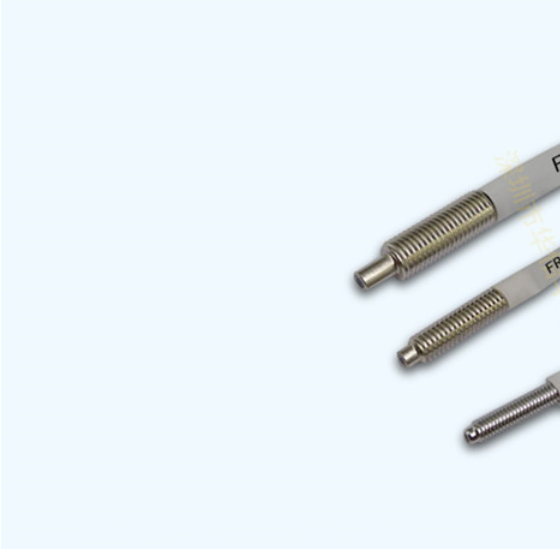
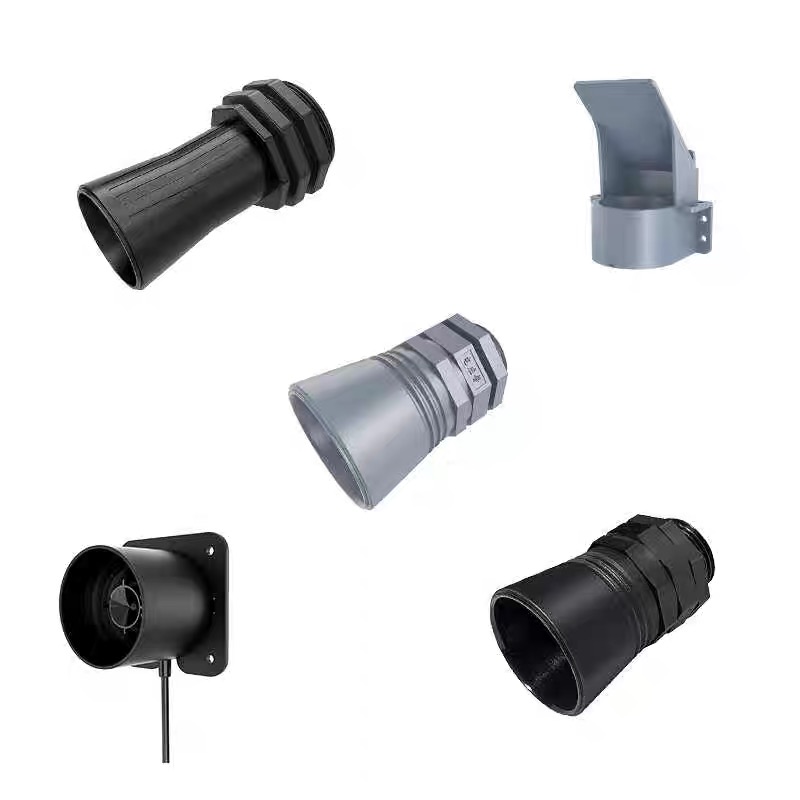
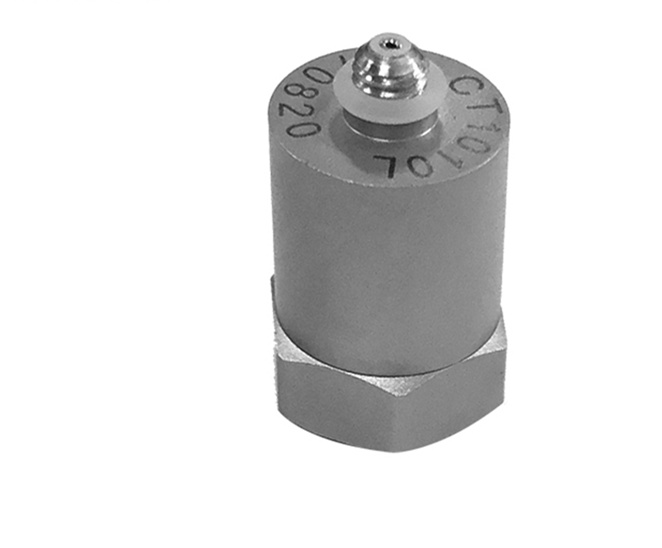
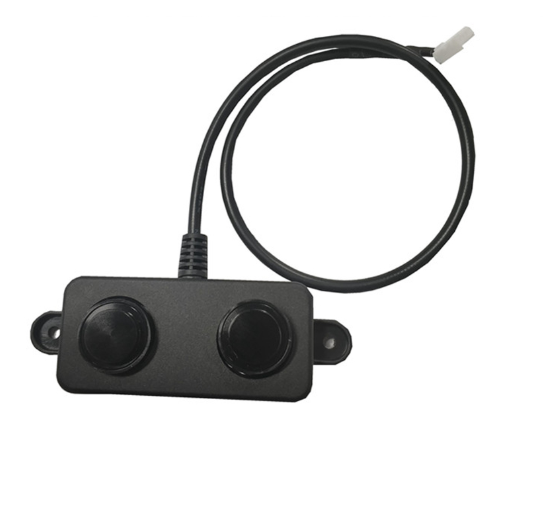
Building a successful industrial terminal in Šiauliai often involves more than just a tactile keypad. By pairing our custom polycarbonate membrane switches with complementary components from our Shenzhen factory floor—such as our Diffuse Reflection Fiber Sensor Probe FR-D310 for automated part sorting, our Ultrasonic Level Meter Module for chemical reservoir monitoring, and our CT1010L Piezoelectric Vibration Sensor for predictive machine maintenance—Lithuanian developers secure an interconnected hardware ecosystem directly from one source.
Shenzhen Mivo Electronics: End-to-End Manufacturing Powerhouse
Shenzhen Mivo Electronics Co., Ltd. is an onsite-verified electronics manufacturer operating in Shenzhen, Guangdong—the epicentre of global hardware engineering. We eliminate the communication barriers, quality inconsistencies, and multi-supplier friction typically associated with overseas electronics procurement.
Why Engineering Teams Serving the Baltic Region Choose Us:
- Single-Source Accountability: We eliminate finger-pointing between the overlay printer, the bare PCB board house, and the component assembly facility. We fabricate the rigid FR-4 or flexible circuit, source passive/active ICs, populate SMT parts, print the polycarbonate overlay, apply laser-cut 3M adhesives, and deliver a 100% electrically tested, turnkey HMI module ready for box-build installation.
- Strict DFM (Design for Manufacturability) Review: Prior to hard tooling, our engineers review Gerber files, graphic vectors, key actuation forces (180g–450g), tail routing pitch (0.5mm, 1.0mm, 2.54mm), and connector specifications to catch pinout or interference errors before raw materials are cut.
- European Compliance Standards: Full compliance with EU directives including RoHS 3 (Directive 2015/863/EU), REACH (EC 1907/2006), and CE EMC requirements. Complete material declarations and certificates of conformity accompany export shipments.
- Export Logistics to Lithuania: Direct express air freight routes to Vilnius (VNO) and Kaunas (KUN) airports, with prompt dispatch to Šiauliai facilities via DHL, FedEx, and UPS within 4 to 7 business days following QA release.
Frequently Asked Questions: Polycarbonate Membrane Switches
What is the typical lifespan of a polycarbonate membrane switch in northern European climates?
Can polycarbonate overlays include clear windows for LCD, OLED, or 7-segment displays?
What files do your engineers require to initiate a custom quote and DFM check?
How do you protect silver traces against electrochemical migration in humid Baltic environments?
What is the minimum order quantity (MOQ) for prototypes and pilot series?
Accelerate Your Next HMI Project with Factory-Direct Engineering
Consult directly with our Shenzhen engineering specialists. Send us your CAD drawings, overlay graphics, or PCBA schematics for a complimentary 24-hour DFM feasibility audit and factory-direct pricing for your Šiauliai operations.
Send an Inquiry