Precision Components & Supporting Electronics
Engineered for seamless integration with custom membrane keypads, industrial human-machine interfaces, and extreme-environment control panels.
Engineering White Paper: Desert-Hardened Membrane Switches for Greater Phoenix
In modern industrial instrumentation, aerospace avionics, and semiconductor manufacturing, the Human-Machine Interface (HMI) serves as the primary bridge between operator intent and machine execution. For engineering procurement teams across the Phoenix metropolitan area—spanning Chandler, Mesa, Tempe, Scottsdale, and the Deer Valley corridor—sourcing custom membrane switches demands an uncompromising focus on environmental resilience. Phoenix presents a unique operational envelope characterized by triple-digit summer heat (>115°F / 46°C), severe solar UV irradiance, fine particulate Haboob dust storms, and extreme electrostatic discharge (ESD) risks resulting from sub-10% relative ambient humidity.
As an onsite-verified electronics manufacturer, Shenzhen Mivo Electronics Co., Ltd. bridges the gap between high-precision Chinese supply chain agility and stringent American engineering performance criteria. We specialize in producing fully integrated HMI panels, flexible printed circuits (FPC), tactile metal dome arrays, and rigid PCBA sub-assemblies tailored to survive Arizona's environmental rigors without delamination, premature contact degradation, or aesthetic weathering.
Information Gain Metric: Standard commercial membrane switches degrade rapidly in Sonoran desert environments due to plasticizer migration, adhesive thermal creep, and UV polymer embrittlement. Specifying cross-linked acrylic adhesives (such as 3M 200MP/300LSE) paired with biaxially oriented, UV-cured polyester (Autotex XE) increases expected field service life from under 18 months to well over 10 years.
Architectural Layer Stack-Up of a High-Reliability Membrane Switch
A true industrial-grade membrane switch is a precision multilayer composite designed to maintain mechanical tactile registration and electrical continuity across millions of cycles. Understanding each micro-layer ensures engineers specify the exact materials required for their Phoenix application:
- Graphic Overlay Layer: Sub-surface printed on premium textured polyester (PET, such as MacDermid Autotex) or scratch-resistant polycarbonate (PC). Sub-surface screen printing protects critical legends, iconography, and company branding from mechanical abrasion, cleaning solvents, hydraulic fluids, and direct UV bombardment.
- Top Overlay Adhesive: High-shear acrylic adhesive layer die-cut to eliminate dead spots, securing the graphic overlay firmly to the underlying switch matrix while sealing against atmospheric moisture.
- Dome Retainer Circuit Matrix: Formulated using screen-printed conductive polymer thick-film silver ink with carbon overprinting or photo-etched copper-clad polyimide (FPC). Incorporates precision venting channels that equalize internal pressure during barometric changes or elevated thermal expansion without drawing in ambient airborne particulates.
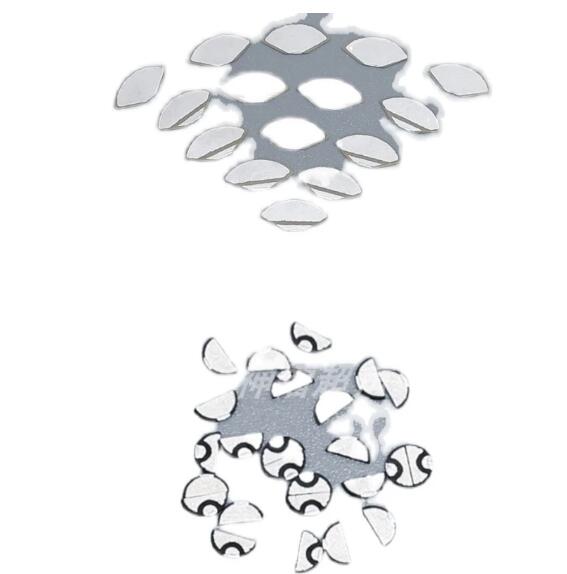
- Tactile Snap Domes: High-cycle stainless steel tactile domes (typically 12mm to 20mm diameter, trip force 250g to 450g) with optional nickel or selective gold flash plating for ultra-low contact resistance in low-voltage logic circuits.
- Spacer Isolator: Biaxially oriented polyester film coated on both sides with high-performance acrylic adhesive, precisely die-cut with dome cavities to isolate open switch traces until actuated.
- Rear Adhesive Substrate: Engineered 3M VHB or 3M 467MP/468MP adhesive specified according to the mating housing substrate—whether cast aluminum, powder-coated steel, ABS, or polycarbonate.
Specialized Capabilities for Arizona Industrial OEM Systems
Advanced manufacturing architectures designed to resolve the mechanical, electrical, and thermal failure modes typical of desert operations.
UV-Stabilized Autotex XE Films
Equipped with specialized fluoropolymer and hard-coat UV stabilizers that block harmful UVA/UVB wavelengths. Prevents yellowing, hazing, cracking, and mechanical embrittlement in outdoor equipment exposed to Phoenix's extreme year-round UV index.
Continuous NEMA 4X / IP67 Sealing
Perimeter gasket sealing utilizing closed-cell acrylic foam and hydrophobic membrane breather vents. Keeps out fine particulate Sonoran silica dust and survives severe summer monsoon deluges and high-pressure chemical washdowns.
Full-Coverage ESD / EMI Shielding
Integrated solid aluminum foil, printed conductive carbon matrices, or Indium Tin Oxide (ITO) layers grounded to the host chassis. Discharges up to 25kV human-body model static events caused by Arizona's bone-dry indoor and outdoor atmospheres.
Turnkey FPC & PCBA Integration
Combining copper flex circuits or rigid FR-4 backplanes directly with the membrane interface. Permits on-board surface mount LEDs, photo-sensors, microcontrollers, resistive touch panels, and robust locking I/O connectors.
High-Thermal Shear Adhesives
Standard PSA adhesives slip and leak adhesive gum when internal chassis temperatures exceed 60°C. We utilize cross-linked 3M 200MP and modified acrylic formulations rated for continuous operation from -40°C to +105°C.
Rapid Prototyping from 5 Pieces
Support your NPI (New Product Introduction) cycles without committing to massive production tooling. Receive fully functional, laser-cut engineering prototypes in as fast as 7 to 10 days for immediate qualification and field testing.
Localized Application Scenarios in the Greater Phoenix Market
The Phoenix metropolitan region has solidified its status as one of America's premier high-technology corridors. Dubbed the "Silicon Desert," the Valley of the Sun encompasses diverse sectors each requiring tailored HMI specifications:
Semiconductor Sub-Fab & Cleanrooms
Chandler and North Phoenix host massive semiconductor manufacturing campuses. Sub-fab chemical distribution cabinets, gas scrubbers, and wafer processing automation require membrane switches with non-outgassing overlays and chemical resistance against IPA, acetone, and sulfuric acid.
Aerospace & Defense Avionics
Facilities in Mesa, Deer Valley, and Tempe design flight control consoles, ground station telemetry, and military guidance hardware. These require Night Vision Imaging System (NVIS) compatible backlighting, MIL-STD-810H environmental qualification, and EMI tactile arrays.
Solar & Desert Energy Storage
Utility-scale solar central inverters and battery energy storage systems (BESS) installed across Pinal and Maricopa counties experience relentless direct sunlight. Our UV-stabilized Autotex XE membrane overlays guarantee display legibility and sealed operational security for 15+ years.
Medical & Bioscience Diagnostic Panels
Scottsdale and Phoenix biomedical corridors build precision diagnostic instruments and surgical monitors. Anti-microbial textured surfaces paired with flat, wipe-clean embossed dome switches endure aggressive hospital-grade quaternary disinfectant wipes without cloudy residue.
Engineering Material Selection Guide for Phoenix HMIs
Selecting the optimal combination of substrate, tactile actuation, and conductive circuitry is paramount for achieving target lifecycle economics and field reliability. Review our comparison matrix below:
| Substrate / Feature | Autotex XE Polyester (PET) | Polycarbonate (PC) | Copper Flex Circuit (FPC) | Silver Printed Circuit (PET) |
|---|---|---|---|---|
| Continuous Temp Rating | -40°C to +85°C (-40°F to 185°F) | -30°C to +75°C (-22°F to 167°F) | -40°C to +105°C (-40°F to 221°F) | -20°C to +70°C (-4°F to 158°F) |
| Outdoor UV Sunlight Life | > 10–15 Years (Excellent) | 1–2 Years (Chalks / Cracks) | Encapsulated (Internal Layer) | Encapsulated (Internal Layer) |
| Actuation Cycle Life | > 5,000,000 Cycles | ~ 100,000 Cycles | > 5,000,000 Cycles | ~ 1,000,000 Cycles |
| Chemical / Solvent Barrier | Impervious to alcohols, oils, acids | Vulnerable to aromatic hydrocarbons | Full solder mask barrier | Protected by overlay gasket |
| Circuit Trace Density | N/A (Overlay Material) | N/A (Overlay Material) | Ultra-fine pitch (0.2mm trace/space) | Standard pitch (0.5mm trace/space) |
| Ideal Phoenix Use Case | Outdoor solar, mining, aerospace | Indoor-only controlled instruments | High-vibration defense, micro-SMT | Cost-effective commercial controls |
Industry & Technological Trends Shaping the Phoenix Hardware Ecosystem
As Phoenix consolidates its leadership in advanced manufacturing, procurement strategies for membrane keypads and human-machine interfaces are undergoing significant transformations:
1. Shift toward Unified Smart-Surface Modules
Phoenix OEMs are steadily moving away from discrete, decoupled user interfaces toward monolithic, fully integrated control assemblies. Rather than purchasing a bare membrane switch from one vendor, a printed circuit board from a second, and a machined front bezel from a third, engineers now demand single-source accountability. Shenzhen Mivo Electronics delivers integrated assemblies comprising the graphic membrane switch, copper FPC, SMT LEDs, capacitive slide sensors, daughterboard PCBA, and precision CNC aluminum brackets directly to your Phoenix production line.
2. Stringent Demands for Thermal Shock Qualification
Equipment deployed in the Sonoran desert experiences massive diurnal temperature swings. During transitional spring and autumn seasons, an outdoor kiosk or irrigation controller can endure an overnight low of 40°F (4°C) followed by direct desert sun exposure reaching 140°F (60°C) inside dark-colored metal enclosures. This 100°F daily differential induces severe shear stress on adhesive layers due to differing thermal expansion coefficients between acrylic adhesives, polyester films, and metal backplates. Our engineering team incorporates specialized stress-relief cuts and cross-linked viscoelastic adhesives to prevent edge-lifting and bubbling.
3. Rapid Prototyping Supporting Agile NPI Cycles
With major venture capital and corporate R&D funding pouring into Phoenix tech incubators and robotics labs, development speed is critical. Traditional US domestic suppliers often impose 6 to 10-week tooling lead times for hard-tooled membrane prototypes. Mivo Electronics leverages precision digital knife cutting, high-speed direct-to-substrate digital proofing, and automated pick-and-place lines in Shenzhen to deliver turn-around prototypes in under 10 business days, drastically accelerating your time-to-market.
Why Phoenix OEM Engineers Choose Mivo Electronics
Direct manufacturer capabilities that combine high-yield precision with low-risk procurement transparency.
Onsite-Verified Manufacturing Facility
Our Shenzhen operations have passed comprehensive physical onsite audits by international third-party certification authorities. Operating over 8 years as a premier supplier with a verified 4.7/5 buyer rating, we provide complete corporate, financial, and operational transparency.
Comprehensive DFM File Review
Before any production tooling is cut, our senior HMI design engineers conduct a complimentary Design for Manufacturability (DFM) review on your artwork, Gerber files, and mechanical drawings. We identify trace routing bottlenecks, tactile dome pitch interference, and adhesive boundary risks early.
True End-to-End One-Stop Ecosystem
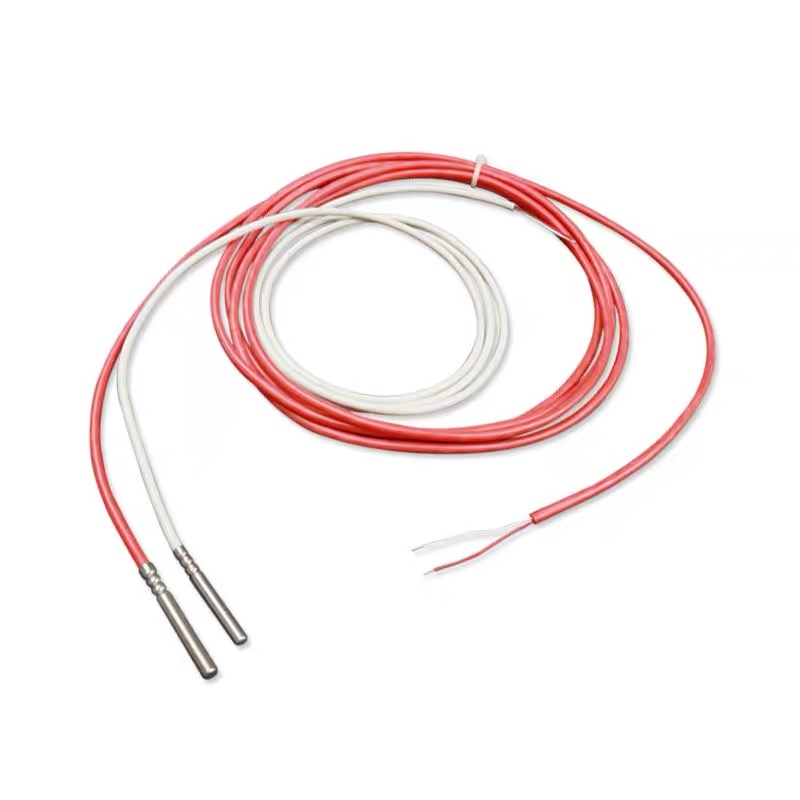
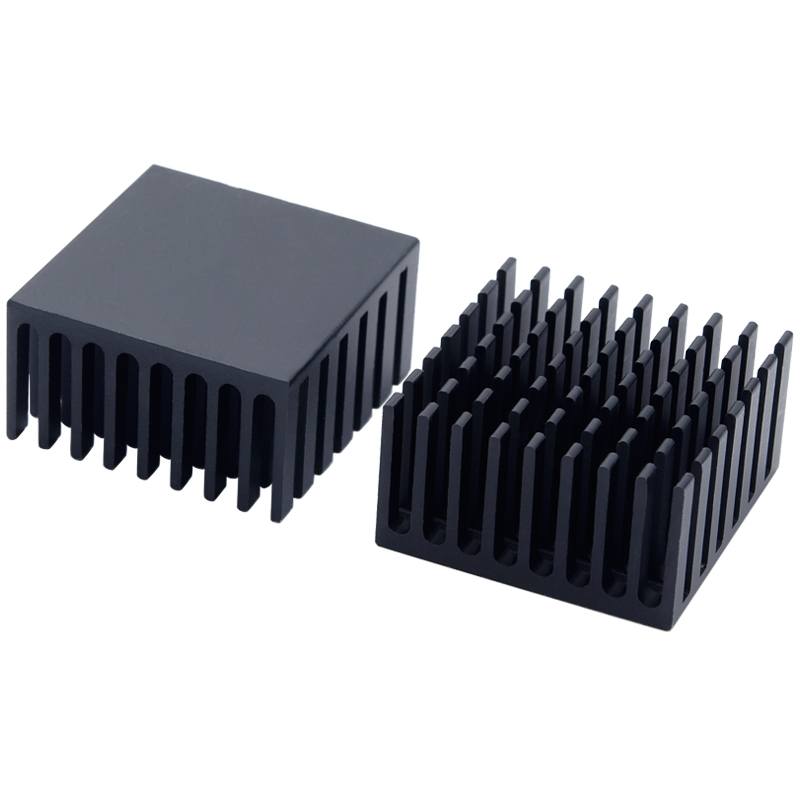
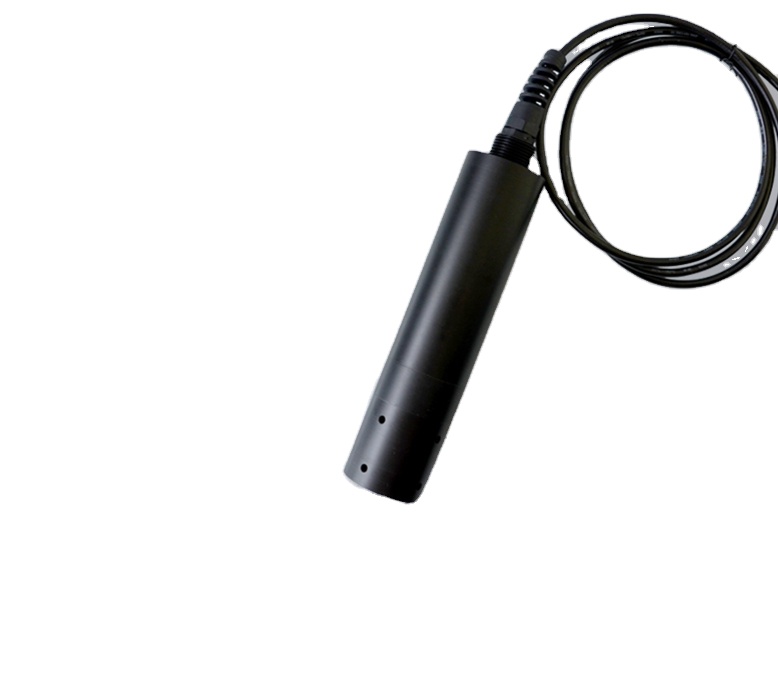
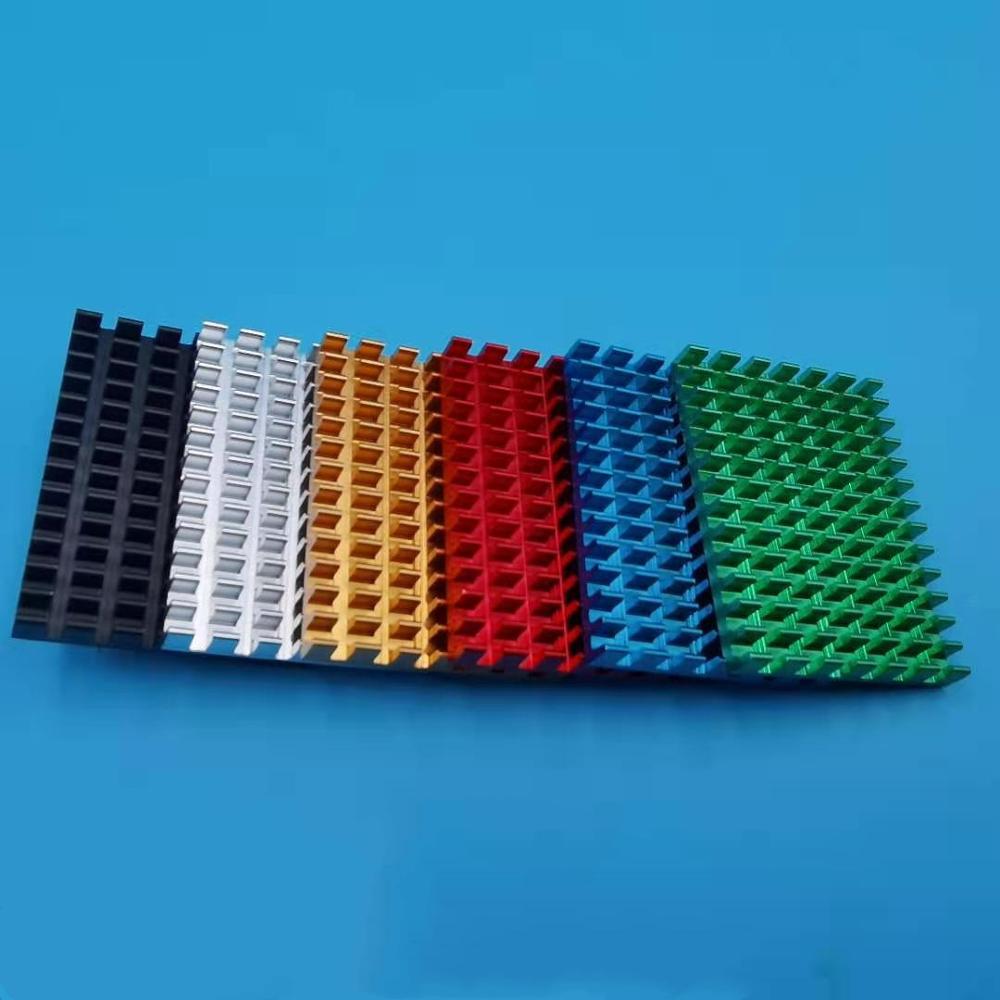
Beyond membrane switches, we build custom PCBA boards, multilayer PCBs, extruded aluminum heat sinks, PT100/PT1000 temperature probes, and ultrasonic sensors. Sourcing your complete mechatronic assembly from one partner eliminates finger-pointing and dramatically simplifies customs clearance.
Frequently Asked Questions by Phoenix Procurement Teams
Clear, direct engineering answers to help you navigate custom membrane switch specifications and supply chain logistics.