Thermal Protection
Tested for extreme humidity, coastal corrosive factors, and non-contact micro-target detection across Caribbean industrial parks and medical export zones.
As the Dominican Republic strengthens its position as the premier manufacturing, nearshoring, and medical device assembly capital in the Caribbean basin, industrial processing equipment faces strict operational hurdles. Facilities operating inside the Parques de Zonas Francas (such as San Isidro, Itabo, and Las Américas) contend with a demanding operational triangle: tropical relative humidity exceeding 85%, corrosive coastal salt air, and stringent cleanroom particle standards. Within automated lines, mechanical limit switches and conventional proximity sensors quickly degrade under these conditions.
Diffuse reflection fiber optic sensors solve this environmental mismatch. By decoupling the active optoelectronic amplifier from the passive fiber detection head, engineers can isolate electrical components within sealed IP67/NEMA-rated cabinets while feeding miniature, chemical-resistant optical fibers into hot, wet, or cramped sensing positions. The fiber head emits modulated light across core filaments; when an object enters the optical cone, light is diffusely reflected back through receiver fibers to the amplifier photodiode. This non-contact mechanism requires zero physical actuator pressure, preventing deformation on fine medical tubing, delicate pharmaceutical blister packaging, or polished metal terminals.
The Dominican Republic ranks among the largest exporters of medical devices to North America. In cleanroom catheter assembly, dialyzer manufacturing, and surgical kit bagging, diffuse reflection fiber sensors detect clear plastic edges, ultra-thin silicone membranes, and translucent liquid interfaces without contaminating cleanroom air or discharging electrostatic shocks.
Major rum distilleries, bottling plants, and tropical agro-processing lines in San Pedro de Macorís and Santiago rely on high-speed counting and fill-level verification. Diffuse fiber probes with coaxial lenses overcome optical scatter on amber glass bottles, detect aluminum cap presence, and endure daily hot caustic washdowns without lens fogging.
With the steady expansion of electronic sub-assembly plants in the Caribbean, miniature M3 and M4 threaded diffuse fiber optic heads provide lead-frame detection, component orientation confirmation, and PCB edge registration on high-speed pick-and-place feeders where sub-millimeter spot sizes are mandatory.
Under the Dominican government's "National Strategy for the Development of the Free Zones" and regional supply chain reshoring, the demand for smart sensor telemetry is shifting rapidly. Factories are upgrading legacy dry-contact switches to IO-Link and RS485 Modbus-capable fiber amplifiers. This digital shift enables predictive maintenance: monitoring signal attenuation caused by sugarcane dust or chemical haze before the detection threshold drops below operational limits.
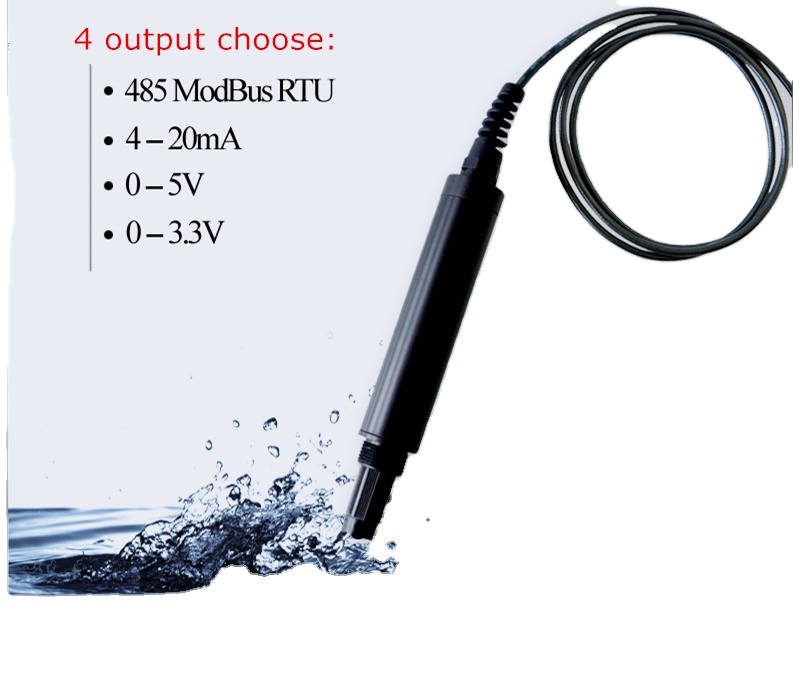
Furthermore, local facilities are investing heavily in automated effluent monitoring and power management. By pairing fiber optic object registration with downstream water monitoring tools (like the digital dissolved oxygen probe DOS-600) and precision silicon pressure sensors, Caribbean industrial plants achieve closed-loop supervisory control (SCADA), lowering waste while meeting strict environmental standards.
| Parameter / Specification | Standard Diffuse Plastic Fiber (PMMA) | Harsh-Environment Glass / Stainless Sleeve | High-Precision Coaxial Focus Fiber |
|---|---|---|---|
| Operating Temperature | -40°C to +70°C (-40°F to 158°F) | -60°C to +200°C (-76°F to 392°F) | -20°C to +60°C (-4°F to 140°F) |
| Bending Radius | R2 mm (Multi-core Flexible) | R25 mm (SUS Armor Sheathing) | R10 mm to R15 mm |
| Spot Diameter / Range | 10 mm to 300 mm (Diffused Field) | Up to 120 mm (Extended Thermal) | 0.1 mm to 0.5 mm Focused Spot |
| Target Suitability | Opaque cartons, pallets, bottles | Hot steel, foundry, kiln exits | IC leads, wafers, clear film boundaries |
| Chemical / Moisture Resistance | Polyethylene sleeve (Standard IP67) | 316/304 Stainless steel braided armor | Fluororesin sleeve (Oil & Acid Proof) |
Procuring sensor systems and PCBA modules in Latin America and the Caribbean often incurs steep markups from third-party distributors and lengthy re-stocking lead times. Shenzhen Mivo Electronics Co., Ltd. changes this model by combining turnkey PCB manufacturing, precision custom sensor probe fabrication, and supply-chain sourcing in one engineering-driven partnership.
With our manufacturing base verified onsite by international auditing bodies and 8 years of export operations, Caribbean procurement managers receive factory-direct traceability and engineering accountability without intermediary price inflation.
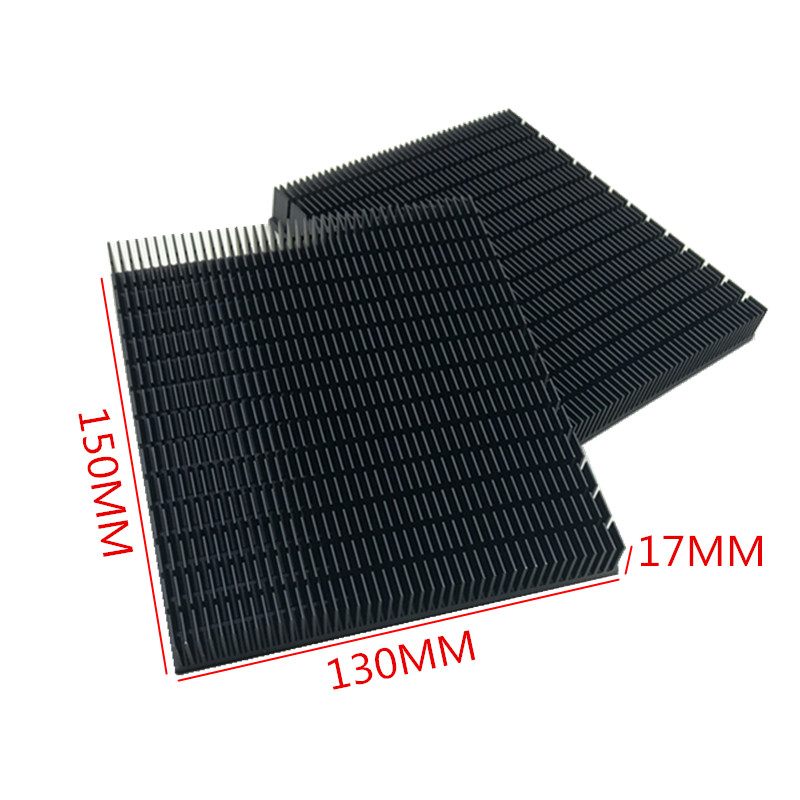
Whether your equipment requires custom 316 stainless steel probe housings, bespoke 4mm wire-lug mounting plates, high-flex robotic cables, or specialized aluminum heat sink profiles, our machine shop builds exact matches to your CAD drawings.
From low-volume pilot test runs (PCBA prototyping from 5 pcs) to thousands of assembled sensor boards, our Shenzhen SMT facility provides automated pick-and-place assembly, AOI testing, and firmware programming under one roof.