Catalogue Integration
Featured Interconnect & Thermal Solutions for Hardware Engineers
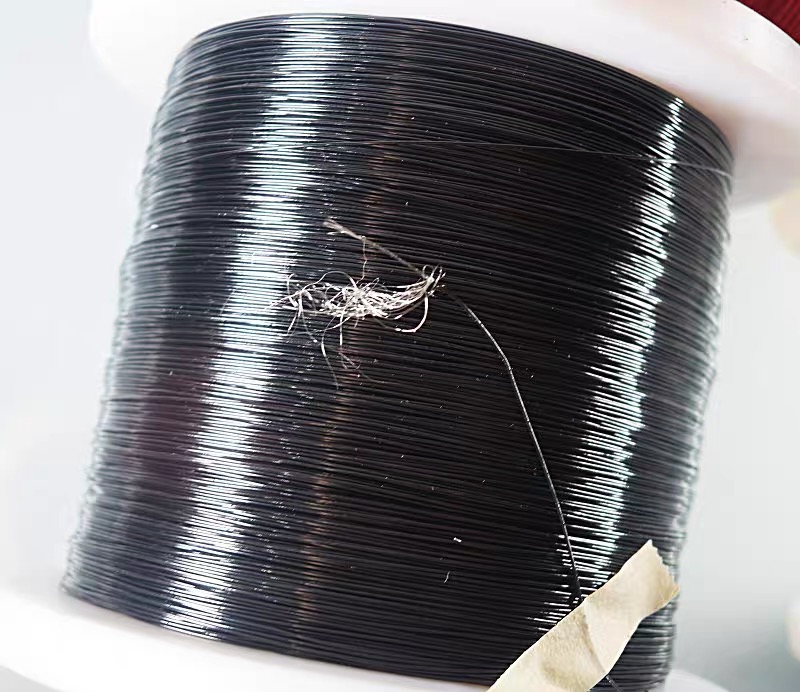
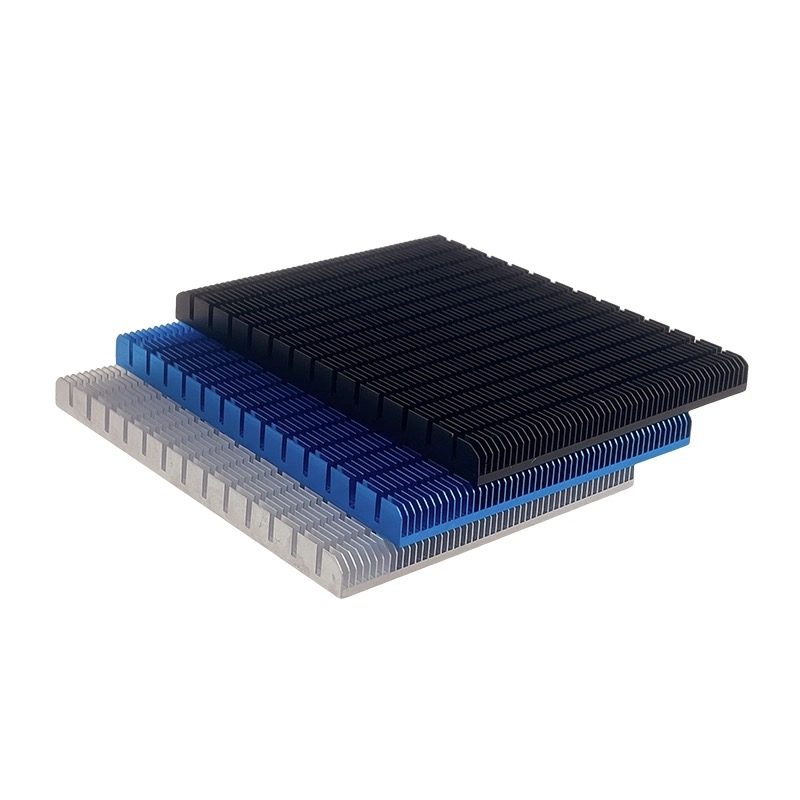
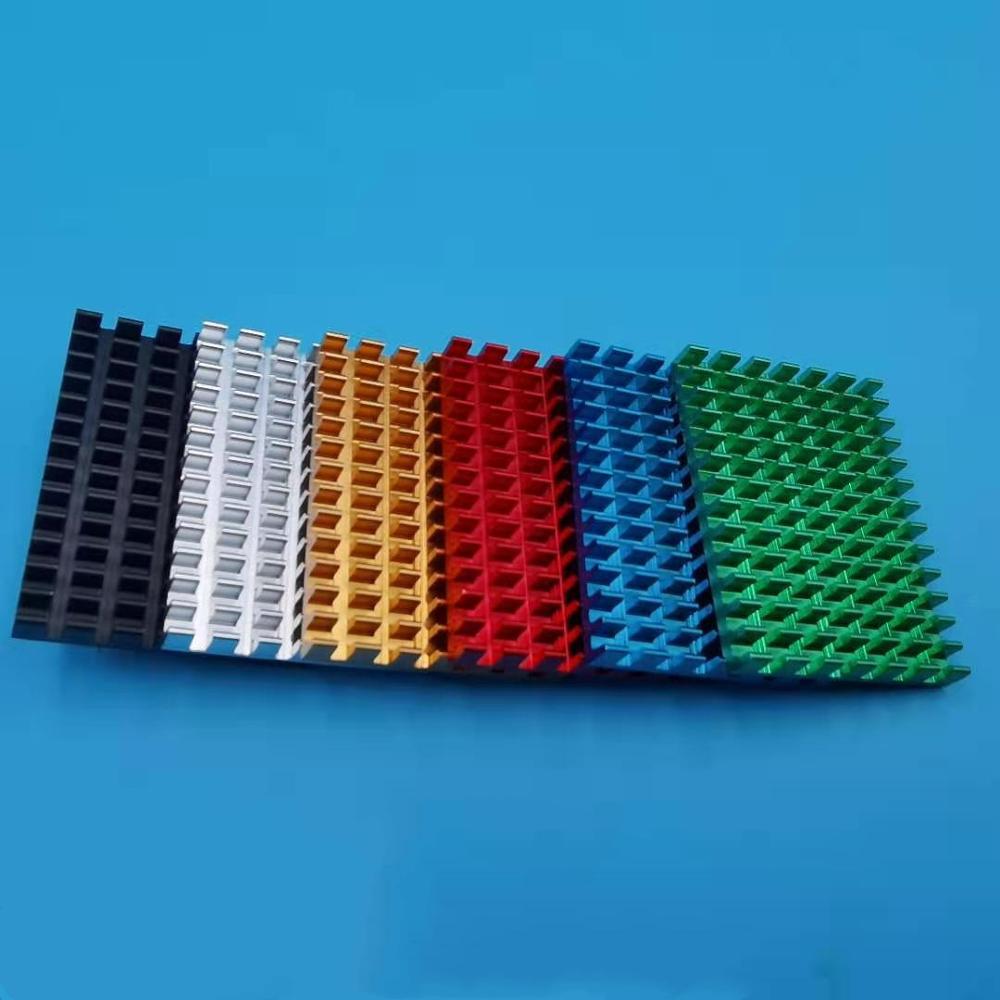
Direct factory supply of precision cables, customized heatsinks, and sensor interfaces engineered to complement complex flexible printed circuit board assemblies.
Engineering Whitepaper
Navigating High-Density Interconnects: FPC Engineering for Irish Enterprises
Ireland's technology ecosystem—anchored by global medical technology enterprises in Galway, high-performance semiconductor clusters in Cork, and IoT innovation corridors in Dublin—requires unprecedented mechanical flexibility and electrical fidelity.
Substrate Chemistry: Adhesive-less Polyimide vs. Conventional Adhesives
In demanding medical grade and aerospace deployments throughout Shannon and Limerick, the selection of raw flex substrates dictates high-frequency impedance stability and dynamic flexural life. Conventional Flexible Printed Circuits utilize modified acrylic or epoxy adhesives to bond rolled-annealed (RA) or electro-deposited (ED) copper to a base polyimide (PI) film. While cost-effective, adhesive systems exhibit thermal degradation during standard lead-free reflow (260°C peak), higher moisture absorption, and reduced dynamic bend radii.
Shenzhen Mivo Electronics champions adhesive-less polyimide substrates, wherein copper is directly cast or deposited onto the base dielectric layer. This yields a 30% reduction in overall board thickness, dramatically improves continuous working temperature boundaries (-200°C to +300°C), and significantly lowers outgassing rates—an essential criterion for sealed medical instrumentation and vacuum-sealed aerospace sensory arrays fabricated for Irish system integrators.
| Substrate Parameter | Adhesive-Based Flex (Standard) | Adhesive-less Polyimide (Advanced) | Rigid-Flex Hybrid Interface |
|---|---|---|---|
| Dielectric Constant (Dk @ 1GHz) | 3.4 – 3.7 | 3.1 – 3.2 | 3.2 (Flex) / 4.4 (FR-4) |
| Dissipation Factor (Df @ 1GHz) | 0.015 – 0.025 | 0.002 – 0.004 | 0.004 – 0.018 |
| Dynamic Bend Radius Capability | 10× - 15× Total Thickness | 5× - 8× Total Thickness | Single/Bifold Transition Zones |
| Operating Temp Range | -40°C to +105°C | -200°C to +260°C | -50°C to +135°C |
| Lead-Free Solder Shock (288°C) | 10 - 20 seconds | > 60 seconds (Non-delaminating) | Compliant to IPC-TM-650 2.4.13 |
Controlled Impedance & Signal Integrity in 3D Routing Spaces
Routing high-speed differential pairs through articulating hinges, wearable bands, or compact diagnostics modules exposes the trace topology to dynamic capacitive and inductive variance. By implementing laser direct imaging (LDI) with registration tolerances down to ±15μm, alongside cross-hatched reference planes to maintain uniform flexural elasticity, our engineering division ensures exact 50Ω single-ended and 90/100Ω differential impedance matching. This level of signal integrity prevents EMI emissions and reflections in ultra-miniaturized applications, preserving critical waveform integrity for connected IoT nodes and clinical patient monitors.
Market Specifics
Localized Application Scenarios Across Ireland's Key Sectors
From Galway's thriving MedTech corridor to Dublin's cutting-edge IoT data clusters, our bespoke FPC architectures empower next-generation electronic ecosystems.
MedTech & Minimally Invasive Devices
Galway acts as a global epicenter for cardiovascular implants, diagnostic endoscopes, and wearable bio-sensors. In these miniature geometries, conventional wiring harnesses induce excessive mechanical bulk and assembly failure risks. Our biocompatible, ultra-thin multi-layer FPCs allow smooth integration into 3-French catheter tips and endoscopic steering housings, passing stringent cytotoxicity and sterilization validations (EtO and autoclave-compatible).
Industrial IoT & Edge Computing
Ireland's Industry 4.0 evolution spans pharmaceutical processing lines in Cork to smart agriculture installations in the Midlands. Rigid-flex boards bridge vibration-heavy robotic actuators and distributed condition-monitoring enclosures without internal headers, vastly increasing MTBF (Mean Time Between Failures) while surviving corrosive atmospheric pollutants and temperature cycling.
Cleantech & Marine Energy Sensing
Offshore wind generation along the Atlantic seaboard demands sensor nodes capable of continuous flexural stress and exposure to saline mist. Utilizing specialized solder mask formulations, polymide coverlays, and conformal parylene coatings, our FPCs serve as durable structural backbones for dynamic strain-gauge monitoring and ultrasonic wave transducers.
Strategic Outlook
Evolving Hardware Development Trends Shaping the Irish Electronics Landscape
Strategic convergence of European regulatory frameworks, ESG imperatives, and hyper-miniaturization across Ireland's R&D landscape.
1. Accelerating Miniaturization & Multi-Board System Consolidation
Irish hardware start-ups and enterprise R&D departments are aggressively moving away from complex rigid multi-board setups interconnected by bulky wire harnesses. The mechanical overhead, manual hand-assembly labor cost, and potential for pin-misalignment errors run counter to fast market deployment. Flexible printed circuits and complex rigid-flex designs consolidate these discrete assemblies into single, continuous structural topologies, eliminating board-to-board connectors, reducing total mechanical chassis depth, and driving assembly velocity.
2. Stringent European Compliance (RoHS, REACH, and MDR Directives)
With Ireland firmly embedded in the European single market, manufacturing electronics mandates uncompromised traceability. Components and bare FPCs destined for deployment within the EU must fully comply with EU RoHS 3 (Directive 2015/863) and REACH Regulation (EC No 1907/2006), with halogen-free polyimide substrates being actively mandated across the automotive and consumer fields. Furthermore, products intersecting medical tech require full compliance under the European Medical Device Regulation (EU MDR 2017/745), emphasizing material biocompatibility, comprehensive component lot tracking, and batch-level testing documentation.
3. Rapid Iterative Prototyping & Low-Volume On-Demand Production
The paradigm of requiring thousands of units to achieve cost amortization has collapsed. Modern hardware incubators across Cork, Limerick, and Dublin demand agile fabrication workflows: low-volume prototypes (from as low as 5 units) delivered within brief cycles to validate physical form-factor, ergonomic bending behaviors, and thermal dispersion profiles before committing to full industrial production.
Why Partner With Us
Shenzhen Mivo Electronics: Your Onsite-Verified Manufacturing Anchor
Combining deep Shenzhen supply-chain velocity with world-class engineering governance to empower Irish engineering enterprises.
Onsite-Verified Factory
Our premises and operating infrastructure have undergone complete onsite audits by third-party inspection firms and global b2b authorities. Buyers engage directly with an authenticated production partner rather than intermediated trading fronts.
Full Turnkey Ecosystem
Eliminate vendor friction. We manage raw FPC/Rigid-flex bare board fabrication, active and passive component sourcing directly through verified supply links, high-speed SMT assembly, SMT laser stencils, and dedicated functional firmware programming.
Low Barrier Prototyping
We actively support early-stage development cycles, offering prototype assembly orders starting from 5 pieces. Verify your Gerber packages and physical mechanical fits with minimal front-end capital commitment.
2016
Founded Year (Verified)
8+ Yrs
Global Export Experience
4.7 / 5
Verified Buyer Satisfaction
5 Pcs
Minimum PCBA Prototyping
Procurement Intelligence
Frequently Asked Questions for Irish Engineering & Procurement Buyers
Key considerations regarding logistics, EU compliance, DFM analysis, and production transitions.
How do you handle shipping, customs clearance, and import VAT into Ireland?
We deliver via express air couriers (DHL, FedEx, UPS) directly to destinations across Ireland, including Dublin, Cork, Shannon, and Galway. Typical transit windows range from 3 to 5 business days post-dispatch. We provide full commercial invoices, clear Harmonized System (HS) commodity codes (typically HS 8534.00 for printed circuits), and packing lists to facilitate rapid processing through Irish Revenue and customs clearance. Both DAP and DDP shipping configurations can be arranged upon request.
What files and mechanical specifications are required to initiate an FPC quote?
To generate an exhaustive DFM review and quotation, please supply:
- Gerber Files in RS-274X or ODB++ format, clearly defining all copper layers, coverlay openings, and outline routing.
- Drill files (Excellon format) specifying plated and non-plated hole designations.
- Stiffener profile drawings detailing specific materials (FR-4, Polyimide, Stainless Steel, or Aluminum) and thickness values.
- Complete Bill of Materials (BOM) with manufacturer part numbers if surface-mount turnkey assembly is required.
Are your flexible circuits and components fully compliant with EU RoHS and REACH regulations?
Yes. All base laminates, polyimide films, surface treatment chemistries (such as Electroless Nickel Immersion Gold - ENIG), and solder pastes utilized in our assembly processes are strictly lead-free and fully compliant with EU RoHS Directive 2011/65/EU and 2015/863/EU amendments. We proactively provide full chemical Declaration of Conformity (DoC) certifications and material safety documentation to satisfy regulatory audits conducted by Irish certification authorities.
How do you accommodate stiffener integration on dynamic versus static flex designs?
Stiffeners are strategically applied to convert dynamic flex areas into rigid support zones for surface-mount components, zero-insertion-force (ZIF) connectors, or structural retention. We provide:
- Polyimide Stiffeners: Ideal for increasing thickness to match standard ZIF connector mating requirements (e.g., establishing a 0.3mm contact interface).
- FR-4 Stiffeners: Used to provide structural rigidity behind SMT component clusters, preventing mechanical strain from fracturing solder joints during bending.
- Stainless Steel & Aluminum Backers: Applied in ultra-compact form factors requiring planar rigidity, grounding, or active thermal heat dissipation.
Can you manage obsolete component substitution during turnkey PCBA assembly?
Yes. Leveraging our extensive presence within Shenzhen's global supply corridors, our component procurement team identifies exact manufacturer part numbers. When a component experiences excessive market lead times or end-of-life status, our engineering team suggests pin-to-pin, functionally identical drop-in replacements. Alternatives are strictly integrated only after receiving written technical sign-off from your engineering team.
Accelerate Your Flexible Circuit Project Today
Send your Gerber files, BOM, or engineering drawings to our dedicated DFM review team. Receive a comprehensive manufacturing audit, impedance verification, and quotation tailored for your timeline.