Featured Electro-Mechanical & Sensing Components
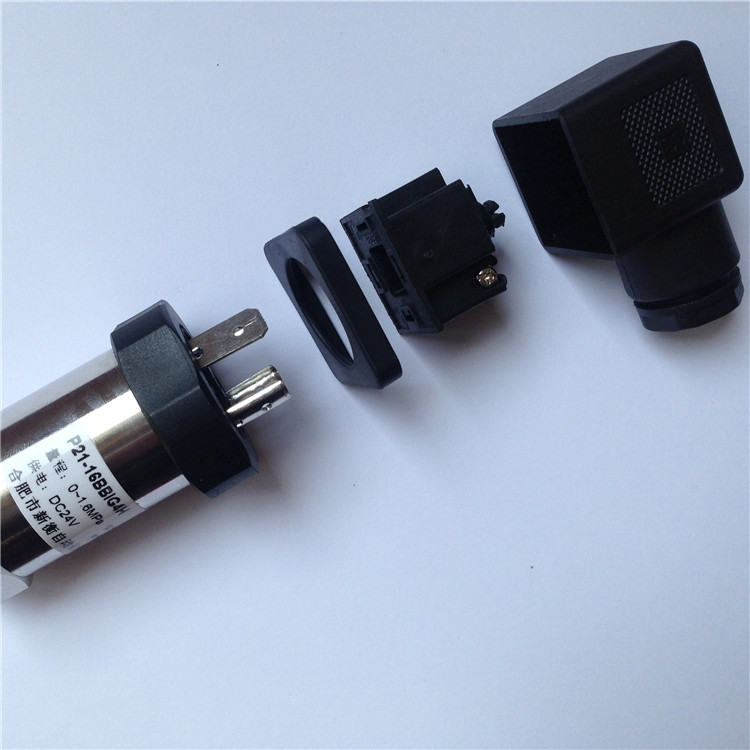
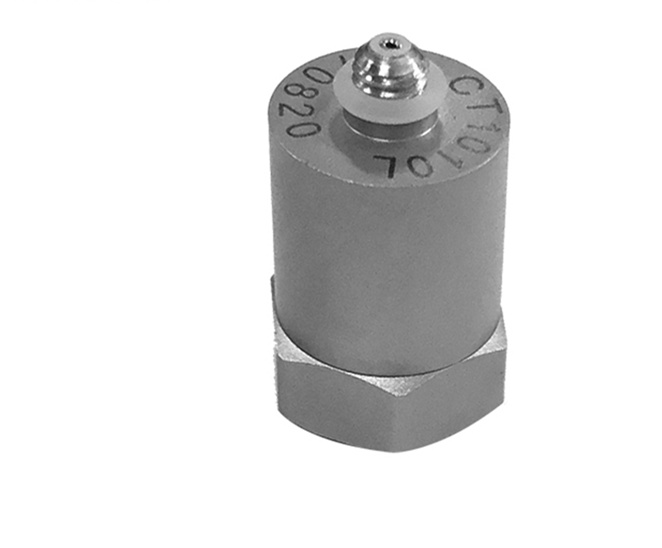
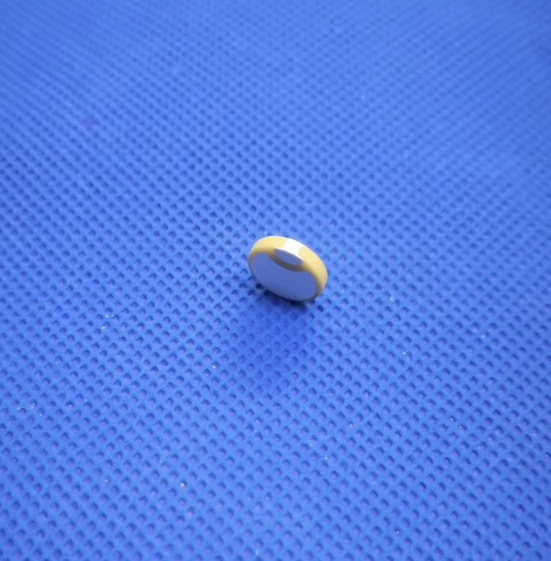
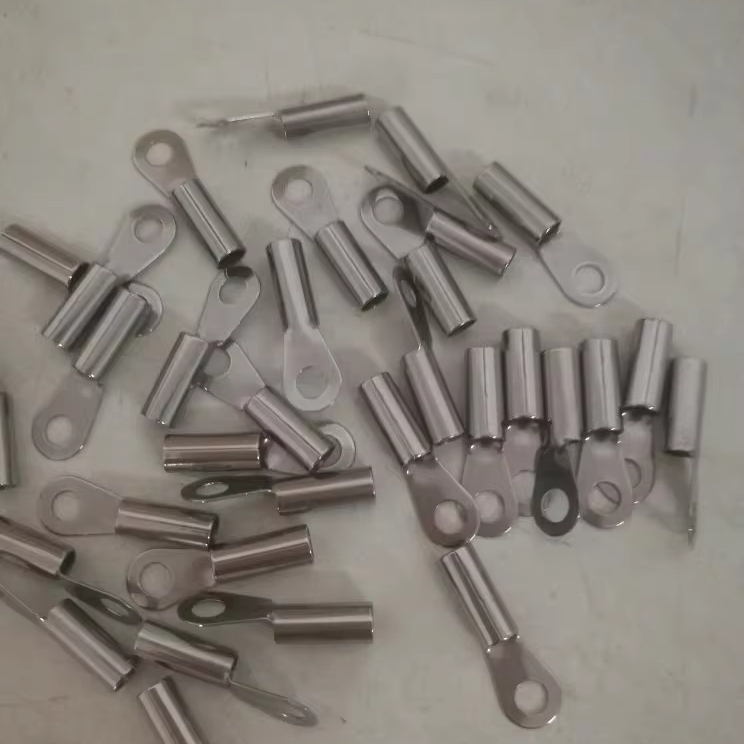
Tested and validated sensor modules, bare wafers, thermal solutions, and piezoelectric devices engineered to interface directly with our custom Flexible Printed Circuit (FPC) assemblies for South Pacific field deployment.
Engineering Flexible Printed Circuits for the Unique Challenges of Nukuʻalofa
A comprehensive technical brief on mitigating high relative humidity, marine salt spray, and logistical constraints through advanced polyimide substrate manufacturing and turnkey electronic assembly.
Operating as the economic, maritime, and administrative nerve center of the Kingdom of Tonga, Nukuʻalofa presents a remarkably demanding operating environment for electro-mechanical design. Situated on the low-lying northern coast of Tongatapu Island, electronic hardware deployed across Nukuʻalofa—from port facilities at Queen Salote Wharf to localized renewable microgrids and disaster-mitigation IoT installations—faces constant exposure to hyper-saline oceanic air, ambient relative humidity frequently exceeding 85%, and sustained tropical thermal cycles. In these extreme maritime microclimates, traditional rigid FR-4 circuit boards often succumb to solder-joint fracture caused by continuous thermal displacement, galvanic salt corrosion, and moisture entrapment behind bulky wire harnesses.
Flexible Printed Circuits (FPCs) manufactured by Shenzhen Mivo Electronics Co., Ltd. bridge the gap between mechanical durability and ultra-compact electronic integration. Utilizing premium polyimide (PI) film dielectric bases, rolled-annealed (RA) high-ductility copper foils, and advanced thermosetting polyimide coverlays, our flex circuit assemblies eliminate redundant hand-soldered wire looms, reduce total packaging weight by up to 70%, and establish an impenetrable physical barrier against atmospheric moisture ingress. By partnering directly with our Shenzhen manufacturing center, systems designers, utility engineers, and infrastructure contractors across Nukuʻalofa and the wider Pacific region secure tier-one factory pricing, rigorous IPC-A-610 Class 3 assembly compliance, and agile fabrication cycles from as few as five prototype pieces.
FPC Product Architectures Recommended for Pacific Deployments
Precision-engineered flexible substrate configurations designed to satisfy distinct electrical, mechanical, and thermal constraints in sub-tropical island installations.
Single-Sided Micro-Flex
Single copper conductive layer bonded on thin polyimide. Optimized for extreme static bending in miniature sensing probes and compact consumer enclosures.
- Base Core: 12.5µm – 25µm PI
- Copper Weight: 0.5 oz – 1.0 oz RA
- Bending Radius: 1.5 mm (Static)
Double-Sided Through-Hole Flex
Plated through-hole (PTH) micro-vias connecting top and bottom traces. Designed for controlled-impedance differential signaling and complex interconnects.
- Via Diameter: Min 0.15 mm
- Surface Finish: ENIG 1-3 µ" Gold
- Trace Pitch: 3.0 mil / 3.0 mil
Multilayer & Rigid-Flex Systems
Integrates rigid FR-4 glass-epoxy panels with flexible polyimide layers. Eliminates board-to-board ribbon cables and socket degradation under vibration.
- Layer Count: 2L Flex + 6L Rigid
- Stiffeners: SUS304 / FR4 / PI
- Reliability: IPC-6013 Class 3
HDI Micro-Flex Assemblies
High-Density Interconnect with laser-drilled blind and buried micro-vias, staggered via stacks, and high thermal dissipation for telemetry controllers.
- Laser Via: 0.075 mm (3 mil)
- Coverfilm: Thermoset Polyimide
- Test: 100% Net Flying Probe
Comprehensive FPC Technical & Tolerancing Parameters
Our Shenzhen manufacturing facility enforces stringent dimensional tolerances and electrical qualification across every layer of the flex circuit stack.
| Engineering Parameter | Standard Capability | Advanced / Precision Tier | Tropical Marine Advantage |
|---|---|---|---|
| Base Substrate Material | Polyimide (PI) / PET film (25µm) | Adhesiveless Polyimide (12.5µm) | Superior moisture barrier; zero delamination under 90% humidity. |
| Copper Foil Metallurgy | Electro-deposited (ED) Copper | Rolled Annealed (RA) Copper | Exceptional mechanical flexibility; prevents micro-cracking in flexing joints. |
| Surface Protection & Finish | Lead-Free HASL / Organic Solderability (OSP) | Electroless Nickel Immersion Gold (ENIG 2-3µ" Au) | Eliminates galvanic oxidation caused by saline atmosphere at coastal sites. |
| Minimum Conductor Width / Spacing | 0.075 mm / 0.075 mm (3 mil / 3 mil) | 0.050 mm / 0.050 mm (2 mil / 2 mil) | Enables high-density integration inside compact hermetic sensor probes. |
| Coverlay / Insulation Dielectric | Flexible Solder Mask (LPI) | Thermal Polyimide Film Coverlay (25µm/35µm) | Withstands marine condensation, dielectric breakdown, and fungus growth. |
| Integrated Stiffener Options | Glass Epoxy FR-4 / Polyimide (PI) | SUS304 Stainless Steel / Anodized Aluminum | Facilitates surface mounting of heavy SMT components and vibration dampening. |
| Solder Joint Inspection Standard | IPC-A-610 Class 2 Standard | IPC-A-610 Class 3 / Space Avionics Spec | Zero-defect soldering for uncrewed offshore telemetry and maritime navigation. |
Localized Applications Across Nukuʻalofa and Tongatapu
Demonstrated deployment environments where Mivo Electronics' flexible circuits deliver mission-critical resilience across the Kingdom of Tonga.
Maritime Telemetry & Port Automation
Queen Salote Wharf handles virtually all commercial container vessels, fuel shipments, and inter-island passenger ferries serving ʻEua, Haʻapai, and Vavaʻu. Our multi-layer FPCs and rigid-flex assemblies drive marine radar scanners, GPS-AIS navigation consoles, automated tide sensors, and crane load-monitoring heads.
By shielding signal lines within polyimide coverlays and utilizing ENIG finishes, our boards resist the direct corrosive onslaught of wave splash and salt aerosol that routinely compromises conventional hardware.
Solar PV Microgrid Monitoring
As part of Tonga's aggressive Renewable Energy Transition Framework (aiming for over 70% grid decarbonization), utility solar farms and battery energy storage systems (BESS) installed across Tongatapu require continuous thermal and electrical telemetry.
Mivo's flexible sensor circuits integrate ultra-thin PT100 RTD sensors and SHT30 environmental sensors directly between battery cells. The low thermal mass and flexible contouring allow real-time monitoring of lithium packs without introducing mechanical pressure points or fire hazards.
Disaster Early Warning & IoT Seismic Nodes
Following the monumental Hunga Tonga–Hunga Haʻapai submarine volcanic eruption and tsunami, Nukuʻalofa has catalyzed the deployment of resilient meteorological, seismic, and oceanographic sensor arrays.
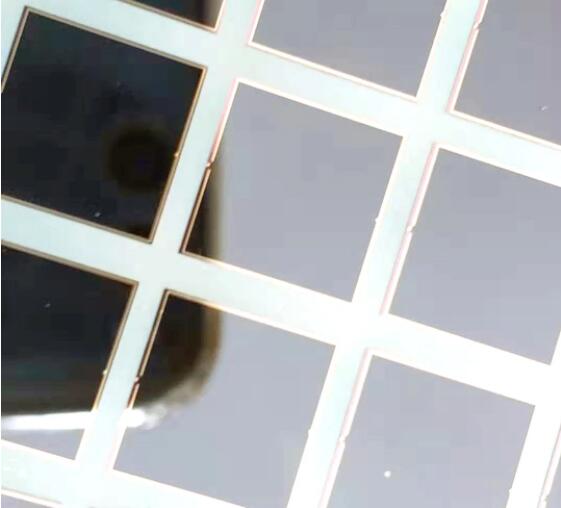
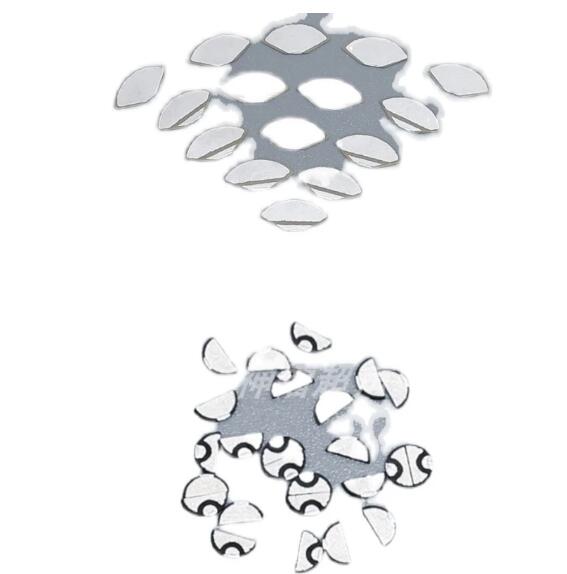
Our custom FPC harnesses connect high-frequency piezoelectric discs (such as PZT5 elements) and hydrostatic pressure sensors inside ultra-compact IP68 titanium canisters. The flex circuits absorb violent vibrational shocks without trace fracture, maintaining telemetry during natural emergencies.
Emerging Technology Trends Reshaping Tonga's Electronics Demand
A macroeconomic and engineering evaluation of hardware requirements across government, utility, and private enterprise sectors in the Pacific basin.
The electronics and electrical engineering landscape in Nukuʻalofa is undergoing a historic transformation. Historically reliant on imported, fully integrated consumer goods, regional organizations and utility operators (such as Tonga Power Limited, the Tonga Communications Corporation, and marine logistics operators) are increasingly shifting toward field-repairable, modular electronic systems that can be serviced, modified, and upgraded locally. This shift has created an unprecedented demand for reliable component-level procurement and custom-designed PCB/FPC assemblies tailored to local environmental realities.
Key technological catalysts defining the Nukuʻalofa market include:
- Subsea Cable Redundancy & Micro-Wireless Networks: To prevent catastrophic communications blackouts caused by subsea fiber cuts, local telcos are expanding microwave relay masts and high-frequency wireless gateways throughout Tongatapu and the outer archipelagos. These transceivers utilize high-frequency RF FPCs featuring low-loss Rogers or adhesiveless polyimide substrates to maintain phase consistency in 5.8 GHz and millimeter-wave links.
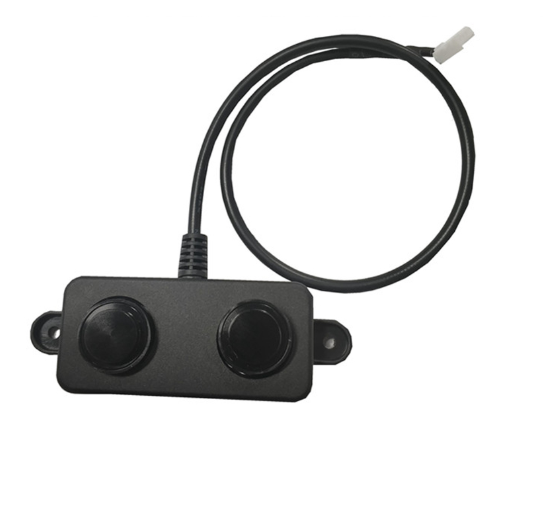
- Modernized Agro-Tech and Aquaculture Sensing: Root crop agriculture (vanilla, squash, cassava) and coastal aquaculture around Fangaʻuta Lagoon require distributed soil moisture, salinity, and water quality telemetry. Low-power IoT sensor nodes built with Mivo flex circuits and waterproof ultrasonic sensors provide long-term unattended operation powered by small solar harvesting cells.
- Resilient Building Automation and Solar Cold-Chain Logistics: Keeping pharmaceutical cold storage and fishery catch fresh under intermittent grid power has driven demand for intelligent compressor motor controllers. Integrating our JGB37-series planetary DC gear motors with Hall encoders and conformal-coated FPCs delivers robust control boards that resist internal cabinet condensation.
Why Pacific Hardware Leaders Partner with Mivo Electronics
Headquartered in the global electronics manufacturing epicenter of Shenzhen, we deliver transparent engineering, verified factory credentials, and full-turnkey supply chains.
Onsite-Verified Shenzhen Factory
Established in 2016 and continuously audited by third-party inspection agencies and Alibaba.com onsite verification. With 51–100 skilled production personnel and over 8 years of export excellence, our 4.7/5 buyer rating reflects uncompromised manufacturing integrity.
- Factory Location: Yuanshan, Shenzhen
- Operational Area: Specialized PCBA & FPC
- Auditing Status: 100% Onsite Inspected
Full Turnkey PCBA & Component Sourcing
We eliminate supply chain fragmentation. Rather than managing separate vendors for bare flex boards, SMT stencils, discrete microcontrollers, and custom sensor probes, our bilingual project engineers manage the complete Bill of Materials (BOM) through Shenzhen’s premier semiconductor distribution networks.
- BOM Traceability: Original Factory Parts
- Cross-Referencing: Written Approval First
- Firmware Loading: Custom Pre-Flash Available
Agile Prototyping from 5 Pieces
We understand that remote field deployments in Tonga do not always require tens of thousands of units at inception. We support rapid validation with turnkey PCBA prototypes starting from just 5 pieces, backed by full DFM (Design for Manufacturability) engineering reviews before tooling commences.
- Bare Board Run: From 100 pcs
- Turnkey Assembly: From 5 pcs
- Sensors / Modules: From 10 pcs
Frequently Asked Questions for Nukuʻalofa Buyers
Detailed engineering and logistical answers addressing customs clearance, ocean shipping, material selection, and quality testing for the Kingdom of Tonga.
How does Mivo Electronics protect FPCs and PCBA from Tonga's saline marine environment?
What are the logistics routing options and transit times from Shenzhen to Nukuʻalofa?
What engineering documentation is required to generate a comprehensive quotation?
How does Mivo manage component shortages and obsolete ICs during assembly?
What moisture barrier packaging is used to prevent ocean freight degradation?
Can Mivo assemble custom sensor probes and electro-mechanical wire assemblies?
Accelerate Your Pacific Electronics Project Today
From custom polyimide flexible circuits to complete turnkey SMT assembly and specialized sensor probes, our Shenzhen engineering facility is ready to review your Gerber data, BOM, and mechanical drawings with zero delay.