Industrial Sensors, PCBA & Integrated Touch Hardware
Complementing our custom membrane touch panels, we manufacture and export turnkey control boards, sensing probes, and interface sub-assemblies specifically conditioned for demanding operating environments.
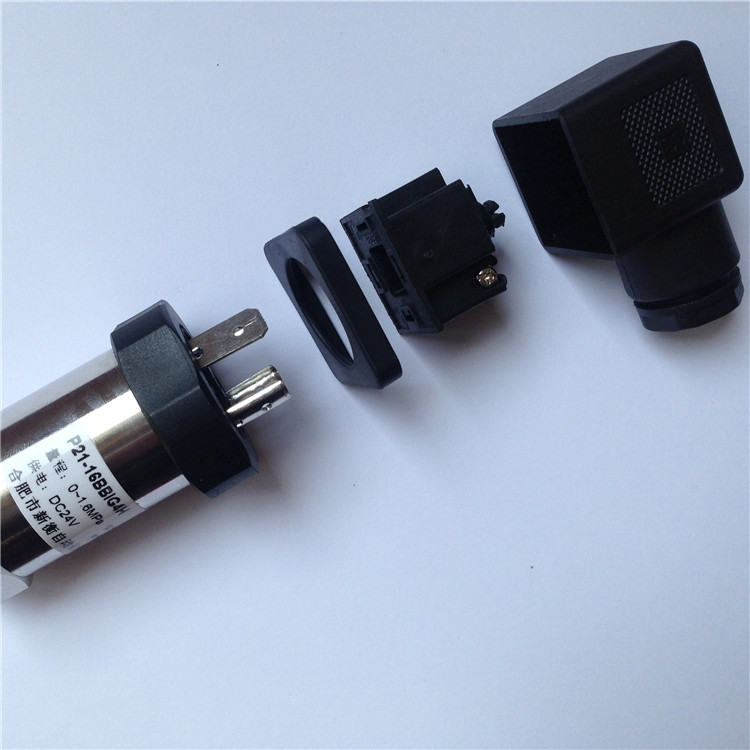
4-20mA / 0-5V Diffusion Silicon Pressure Sensor Constant Pressure Water Supply
Oil-filled diffused silicon core designed for water supply stations, hydraulic lines, and harsh industrial fluid monitoring.
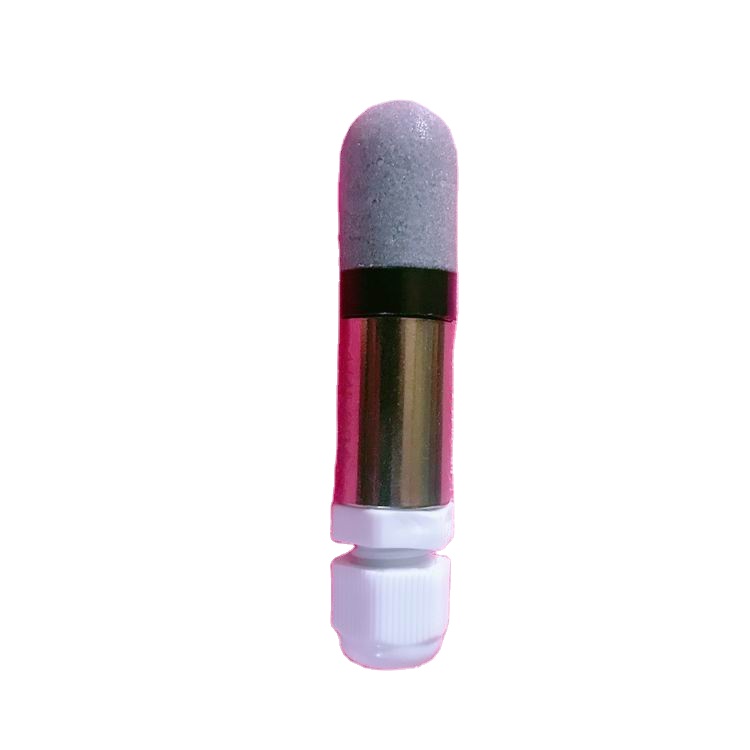
Waterproof Joint PE Temperature and Humidity Sensor Shell (SHT10 SHT20 SHT30)
Porous breathable PE housing protecting sensitive microchips from salt spray, rain, and dust in tropical outdoor installations.
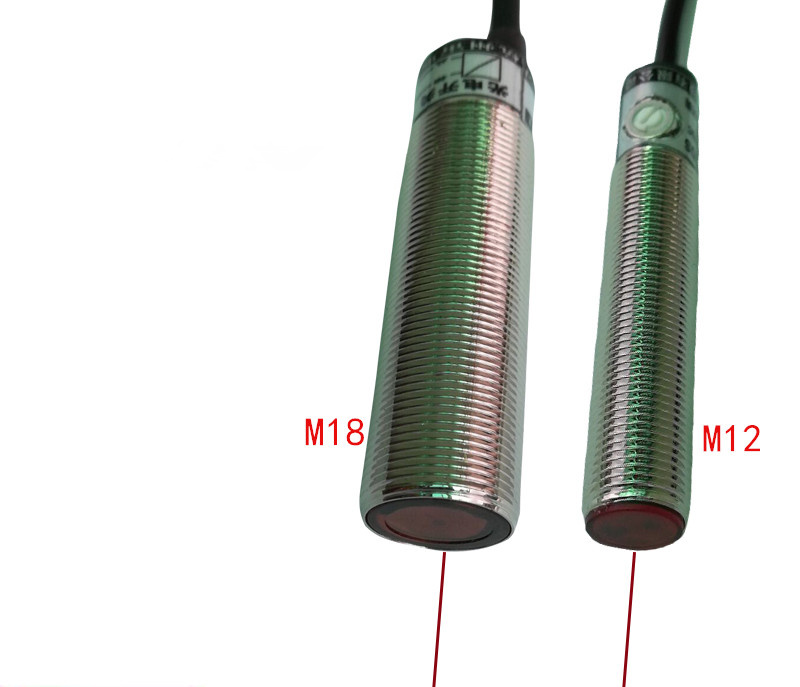
M18 Laser Sensor Visible Light Photoelectric Diffuse Reflection Switch
Accurate optical detection for packaging, textile conveyor sorting, and high-speed bottling counting applications.
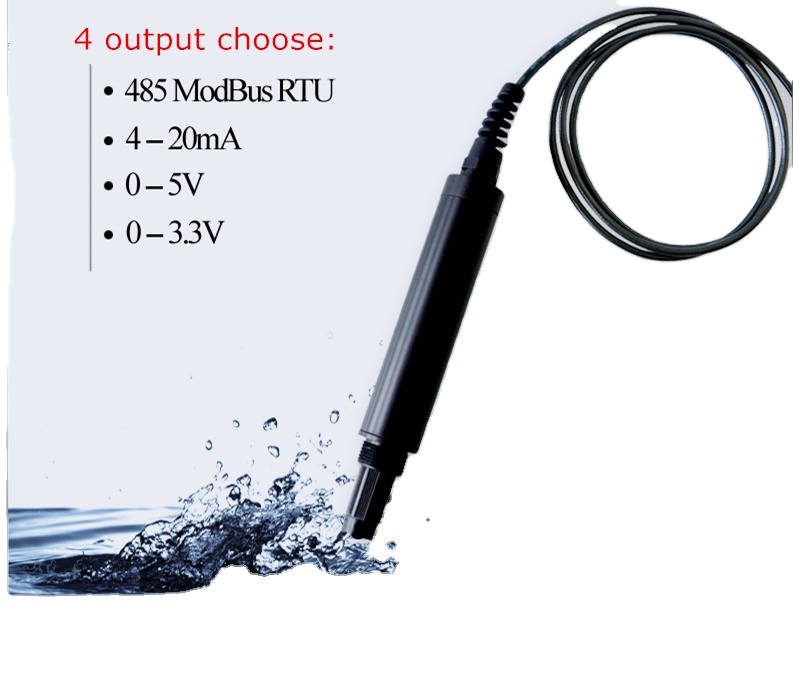
DOS-600 Digital Dissolved Oxygen Sensor Probe RS485 Modbus / 4-20mA
Electrochemical DO analyzer for aquaculture hatcheries, reverse osmosis desalinators, and municipal wastewater treatment.
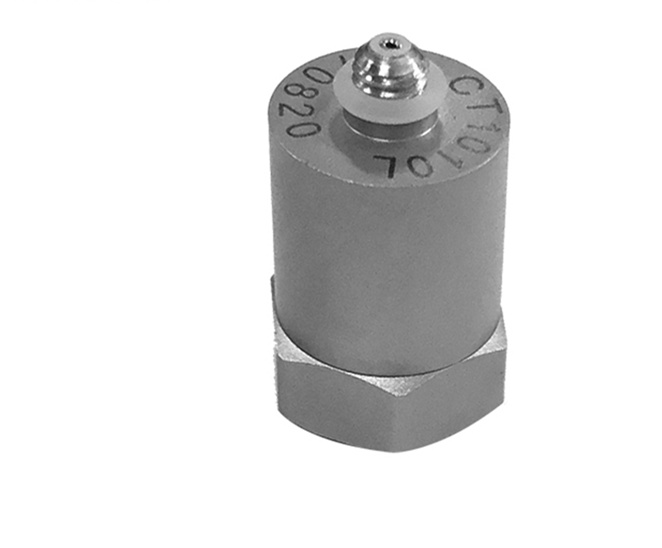
Output M5 CT1010L ICP/IEPE 0.5-5000Hz Piezoelectric Vibration Sensor
Industrial vibration monitoring for power generators, industrial sugar turbines, milling spindles, and heavy pumps.
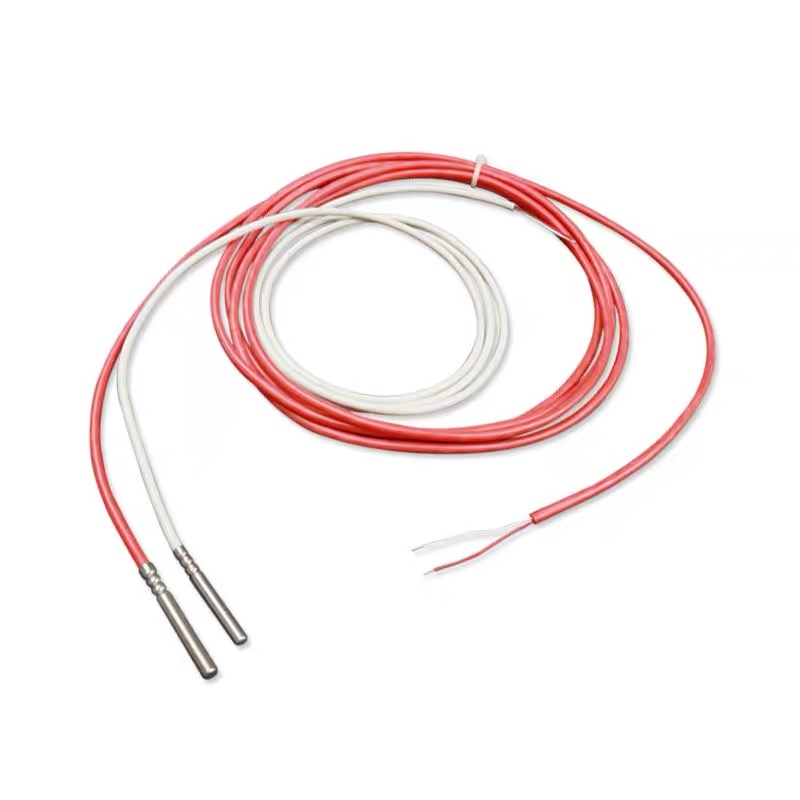
PT1000 Platinum Resistance Waterproof High-Temperature Silicone Sensor Probe
Corrosion-resistant probe engineered for distillery distillation vats, boiler heat exchangers, and food processing lines.
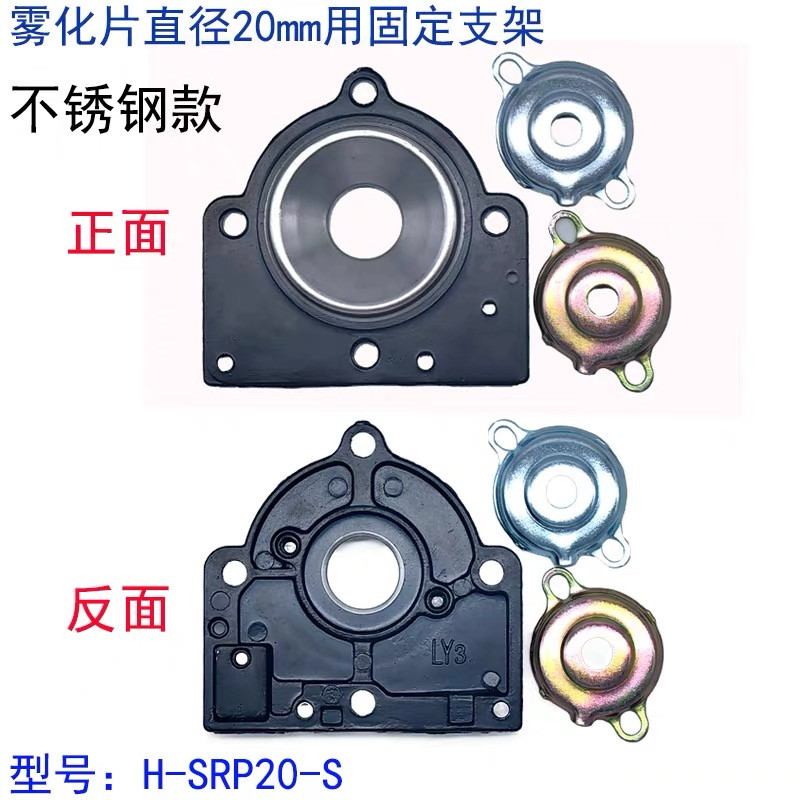
Atomizing Plate Stainless Steel Heat Sink Fixed Holder Aluminum Heat Sink
Optimized thermal conduction bracket for commercial ultrasonic atomization and power electronic cooling modules.
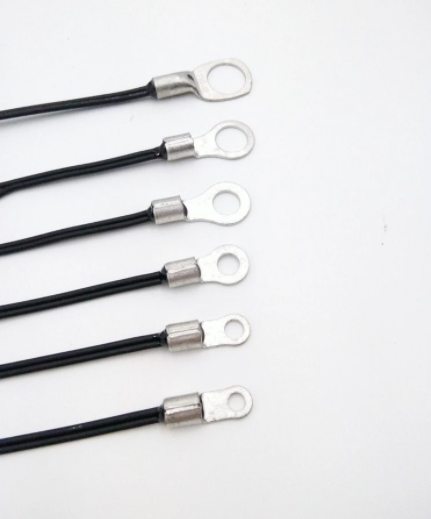
New Energy Automobile Power Battery Temperature Sensor NTC 100K B4150
High-precision thermal measurement for solar energy storage systems (BESS), inverters, and commercial EV fleets.
Engineering Membrane Touch Panels for Tropical Island Climates
Deploying Human-Machine Interfaces (HMI) and electronic control panels in the Republic of Haiti presents unique physical challenges. The convergence of high ambient humidity, elevated saline air near coastal shipping hubs, constant UV radiation, and unstable electrical grids demands strict material science and multilayer sealing engineering.
Substrate Selection: Autotex XE PET vs. Polycarbonate
Standard Polycarbonate (PC) graphic overlays rapidly turn brittle, discolored, and micro-fractured when exposed to Caribbean ultraviolet exposure and airborne salts. We construct industrial overlays primarily using Autotex XE UV-Resistant Textured Polyester (PET).
- Chemically resistant to hydrocarbons, citrus acids, and industrial sanitizers
- Tensile flex life exceeding 5 million actuations without delamination
- Anti-glare surface diffusion for bright outdoor visibility in direct sunlight
Hermetic IP67 / IP68 Ingress Sealing
Humidity ingress is the primary cause of conductive trace oxidation and silver migration shorts in Caribbean electronics. Our designs use continuous perimeter gas-tight gaskets and hydrophobic venting.
- Selective deposition of 3M 467MP / 468MP high-tack acrylic adhesives
- Integrated Gore micro-porous pressure balance vents preventing internal condensation
- Full IP67 immersion and IP69K high-pressure washdown compliance
EMI / RFI & Anti-Static Surge Shielding
Due to erratic utility grid voltage across Port-au-Prince and high reliance on localized diesel generators or solar microgrids, electrostatic discharge (ESD) and electromagnetic interference (EMI) are critical threats.
- Solid aluminum foil or patterned carbon/silver printed grounding planes
- Dielectric breakdown protection up to 15kV air discharge (IEC 61000-4-2)
- Transient Voltage Suppression (TVS) diodes integrated on underlying PCBA
| Interface Parameter | Standard Commercial Grade | Mivo Tropicalized Industrial Grade (For Haiti) | Operational Engineering Benefit |
|---|---|---|---|
| Overlay Material | Standard Polycarbonate (PC) | Autotex XE UV-Resistant Polyester (PET) | Prevents UV yellowing, surface brittleness, and chemical stress cracking |
| Conductive Trace Material | Silver Ink Screen Printed on PET | Silver Ink with Carbon Overcoat or Copper FPC | Eliminates silver dendrite migration under 95%+ relative humidity conditions |
| Ingress Protection | IP54 Dust & Splatter Resistant | IP67 Hermetically Sealed / NEMA 4X | Full protection against driving monsoons, ocean mist, and washdowns |
| Tactile Actuation Domes | Stainless Steel (Untreated) | Nickel / Gold-Plated Stainless Steel Domes | Zero contact oxidation; crisp 280g–450g actuation feedback over 3M cycles |
| Operating Temperature | -10°C to +50°C | -30°C to +85°C Continuous | Reliable operation in enclosed, un-airconditioned manufacturing plants |
| Backlighting Solutions | Direct Surface-Mount LEDs | Side-Fire LED Light Guides or Capacitive Backlit Film | Uniform night visibility with minimal power draw for solar-backed systems |
Localized Industrial & Infrastructure Applications
Our membrane touch switches, capacitive touch foils, and integrated PCBA sensors are engineered directly for Haiti's most active industrial clusters, energy initiatives, and utility facilities.
Garment & Textile Manufacturing (CODEVI & Caracol)
In the Free Trade Zones of CODEVI (Ouanaminthe) and the Caracol Industrial Park (Nord), high-speed industrial sewing machines, automatic textile cutters, and fabric pressing equipment operate under high lint and particulate conditions.
Our sealed membrane switches prevent airborne fabric fibers from fouling switch contacts, providing tactile dome responsiveness that operators can actuate smoothly even while wearing gloves.
Rum Distilleries, Sugar Mills & Agro-Processing
From historic rum distilleries (such as those producing Haiti's world-famous cane spirits) to sugar processing and essential oil extraction facilities (vetiver in Les Cayes), control panels face heavy alcohol vapors, corrosive sugar syrups, and daily sanitizing washdowns.
We provide IP68-rated membrane panels paired with our PT100/PT1000 stainless steel temperature probes and diffusion pressure transducers to guarantee spark-proof, explosion-resistant human interface safety.
Solar Microgrid Inverters & BESS Control
Because utility electrification remains intermittent across major municipalities, Haitian businesses and commercial sites rely heavily on hybrid PV solar systems, battery storage (BESS), and diesel backup synchronization.
Our UV-stabilized capacitive touch overlays and NTC 100K battery pack thermal sensors allow clean integration into inverter enclosures, resisting sun exposure without fading or false-touch triggering in rain.
Reverse Osmosis Desalination & Water Purifiers
Clean drinking water plants and coastal resort desalinators from Jacmel to Saint-Marc depend on Reverse Osmosis (RO) automated controllers. Airborne salt accelerates copper track degradation on unprotected electronics.
We supply complete front-panel assemblies bundled with constant-pressure water sensors and dissolved oxygen RS485 electrodes, ensuring dependable continuous salinity and pressure balancing.
Maritime & Port-au-Prince Terminal Logistics
Crane controls, container weighbridge scales, and automated fuel dispensary stations operating at Port Lafito and APN (Autorité Portuaire Nationale) face punishing maritime environments with perpetual salt fog and diesel soot.
Our panels use marine-grade 3M adhesives and nickel-plated tactile domes to prevent terminal degradation, ensuring round-the-clock freight and intermodal operation without mechanical sticking.
Medical & Clinical Diagnostic Interfaces
Healthcare clinics and field hospital facilities across Haiti require diagnostic monitors, autoclaves, and infant incubators with completely flush, seamless front surfaces that can be disinfected dozens of times daily.
Our antimicrobial-coated polyester overlays are chemically impervious to chlorine bleach, isopropyl alcohol, and quaternary disinfectants, preventing germ harboring and fluid ingress into sensitive circuitry.
Haiti HMI & Touch Panel Industry Trends (2025–2030)
Industrial procurement dynamics in Haiti are pivoting rapidly away from generic, unsealed mechanical switches toward integrated, ruggedized solid-state touch interfaces. Understanding these local technological shifts allows engineers and procurement directors to optimize capital deployment.
1. Shift from Mechanical Pushbuttons to Sealed Flat Panels
Historically, factories in Port-au-Prince and Cap-Haïtien relied on discrete 22mm mechanical pushbuttons. However, the combination of fine tropical dust, seasonal downpours, and grease consistently clogged moving parts, leading to frequent contact welding and unplanned production stops.
Haitian plant managers are modernizing toward unified membrane touch panels and capacitive switch matrices. Eliminating mechanical openings reduces downtime by over 65% and cuts machine maintenance costs significantly.
2. Rapid Expansion of Solar Microgrid Integrations
Decentralized solar-plus-storage mini-grids have become the backbone of modern commercial activity across the departments of Ouest, Nord, and Sud. Inverter manufacturers and local EPC contractors require control interfaces capable of withstanding relentless outdoor UV rays while displaying high-contrast telemetry.
Mivo meets this trend by manufacturing custom transparent display windows with anti-reflective optical bonding, capacitive sensing through thick protective acrylic shields, and integrated NTC battery thermistors.
3. Demand for Integrated PCBA Box-Build Solutions
Procuring bare membrane switches from one supplier, PCBs from another, and microcontrollers from a third creates supply chain bottlenecks and testing headaches for Haitian engineering teams facing long shipping transit times.
The prevailing trend is turnkey sourcing: partnering with an onsite-verified Shenzhen manufacturer like Mivo that handles the graphic overlay, internal FPC flex circuits, SMT component mounting, MCU firmware flashing, and functional bench testing in one qualified shipment.
4. Strict Compliance with Maritime Anti-Corrosion Standards
With Haiti’s major industrial activities concentrated along the Gulf of Gonâve and northern shorelines, salt-fog corrosion is an ever-present risk. Buyers are increasingly enforcing ASTM B117 salt spray testing and requiring conformal coating (silicone or polyurethane) on all rear PCBA solder traces.
Mivo incorporates automated conformal coating and potted cable glands into all Haitian exports, shielding critical connections against electrolytic deterioration.
Why Haitian OEMs & Importers Partner with Mivo Electronics
Headquartered in Shenzhen, Guangdong—the epicenter of global electronics manufacturing—Shenzhen Mivo Electronics Co., Ltd. provides full end-to-end transparency, audited production facilities, and dedicated engineering support for Caribbean international buyers.
Onsite-Verified Factory & 8 Years Export
Our premises have passed official onsite inspections conducted by third-party assessment agencies and Alibaba.com. With over 8 years of continuous global export experience and a 4.7/5 verified buyer rating, we offer dependable financial and operational stability.
- 51–100 skilled production personnel & dedicated engineers
- Traceable lot numbers and Certificate of Conformance (CoC)
- Escrow and international commercial trade term protection
Rapid Prototyping: Low 5-Piece MOQ
We understand that research, development, and machinery retrofits in Haiti require agility without massive upfront commitments. Unlike manufacturers demanding 1,000-piece initial minimums, we support prototypes starting from just 5 pieces.
- Low initial tooling costs with rapid laser-cut sample turnaround
- Rigid FR-4, Aluminum Core, Flexible FPC, and PET overlays
- Seamless scaling from prototype to container-load volumes
Shenzhen Supply Ecosystem & Genuine BOM Sourcing
Directly tapping into the world’s most comprehensive electronics supply chain in Shenzhen, our procurement team sources genuine ICs, connectors, and micro-controllers. In the event of obsolescence, our engineers recommend cross-references only with your explicit written approval.
- Zero unauthorized component substitutions
- Matching SMT solder paste stencils cut in-house
- Comprehensive DFM (Design for Manufacturability) file review
Our 6-Step Turnkey Manufacturing & Export Workflow
DFM & Artwork Engineering
Our engineers verify your CAD drawings, Gerber files, and graphic color separations (Pantone/RAL) for tactile dome clearance, trace spacing, and adhesive venting.
Precision Silk-Screen & Laser Cutting
Overlays are printed on premium Autotex XE PET in class 10,000 cleanrooms using optical micro-registration, followed by laser die-cutting for tight tolerances.
Conductive Layer & Dome Assembly
Silver/carbon conductive circuits and gold/nickel-plated metal domes are positioned under automated robotic pick-and-place arms for consistent tactile feel.
PCBA SMT & Through-Hole Mounting
Supporting control boards and sensors are populated on automated SMT assembly lines, reflow soldered with lead-free SAC305, and AOI optically inspected.
Environmental & Electrical Testing
100% of panels undergo contact resistance checking, dielectric breakdown tests, switch bounce verification, and IP67 water immersion validation.
ESD Packaging & Air/Sea Logistics
Units are vacuum-packed in anti-static ESD bags with desiccant packs, export-cartoned, and routed via DHL/FedEx air freight to Port-au-Prince or ocean freight via APN.
Frequently Asked Questions for Importers in Haiti
Technical, logistical, and commercial inquiries addressed by our export engineering team.
What shipping methods and lead times are available for orders delivered to Haiti?
How do you protect membrane switch panels against Haiti's extreme humidity and salt fog?
What design files do we need to submit to receive a formal quotation and DFM review?
- Graphic Overlay Artwork: Vector files (.AI, .CorelDraw, .PDF, or .DXF) specifying Pantone or RAL color codes, window placements, and embossing profiles.
- Circuit Diagram & Pinout: Schematic or layout showing trace matrix connections, connector pitch (e.g., 1.0mm, 2.54mm Female Berg, FCI, or ZIF tails), and switch logic.
- PCBA Files (If integrated): RS-274X Gerber package, drill file, Bill of Materials (BOM) with manufacturer part numbers, and centroid pick-and-place data.