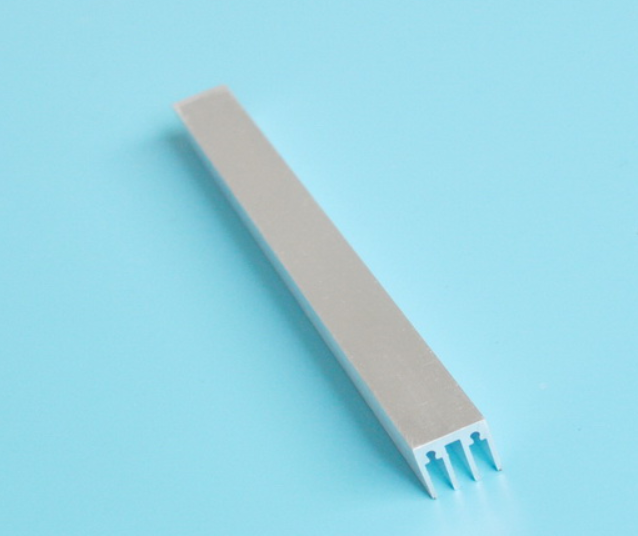
LED Comb Radiator / Light bar / Triode Radiator 16*16*100/200/300/600mm Custom LED Lamps Heatsink
Precision extruded aluminum radiator engineered for high-flux LED light bars and high-power triode thermal management.
Engineered for complex electrical routing, robust thermal dissipation, and industrial-grade sensing accuracy across demanding deployment environments.
Precision extruded aluminum radiator engineered for high-flux LED light bars and high-power triode thermal management.
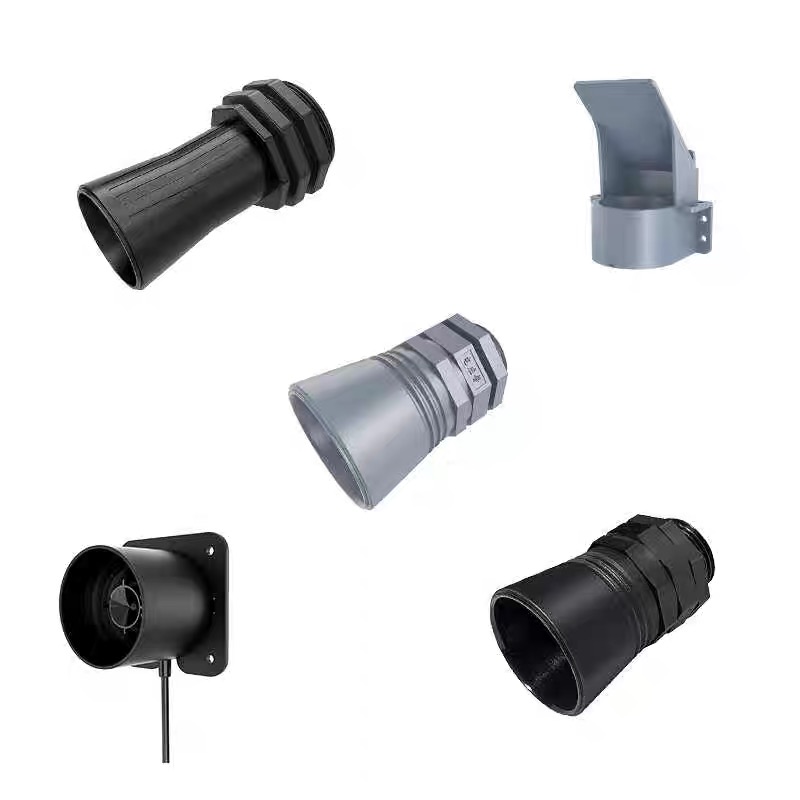
Sealed industrial ultrasonic range-finding probe configured for subterranean drainage telemetry and tank depth telemetry.
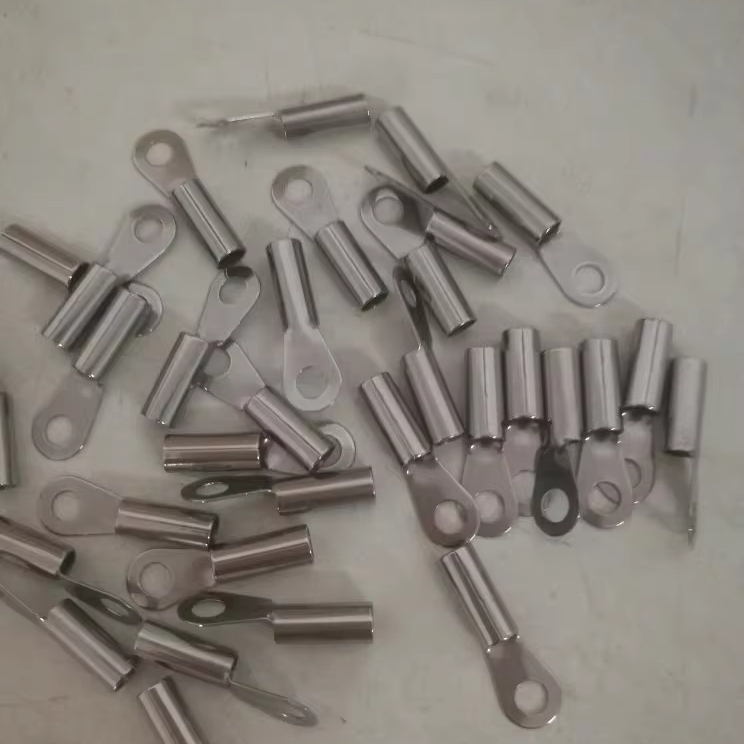
Surface-mount terminal probe housing delivering swift heat conduction for RTD, NTC, and thermocouple harnesses.
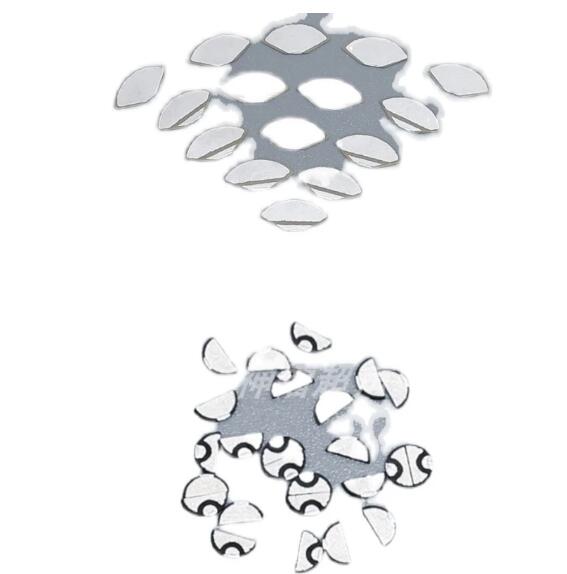
Custom hyperchromatic acoustic waveguide element designed for resonant frequency transducers and ultrasonic instrumentation.
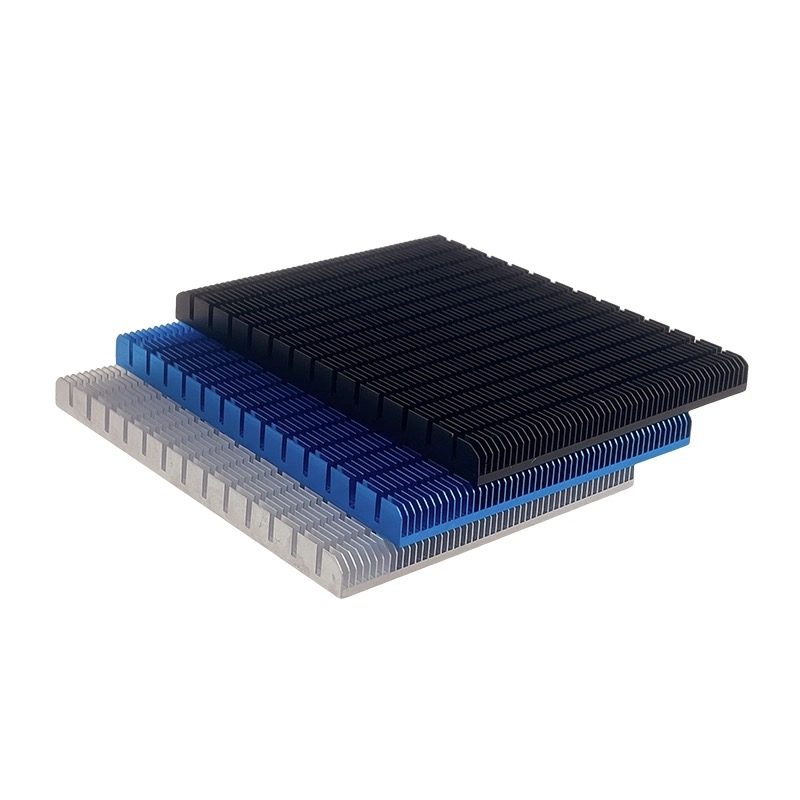
High-density finned profile featuring double-sided conductive thermal tape, built for multilayer IC packages and FPGA boards.
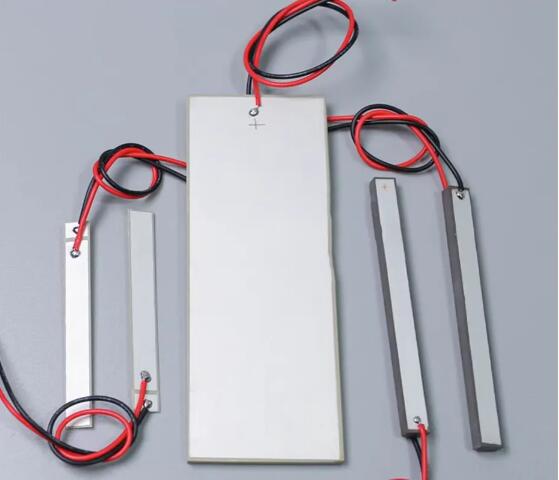
Hydroacoustic and structural defect detection piezoelectric strip featuring uniform dielectric response and broad operational bandwidth.
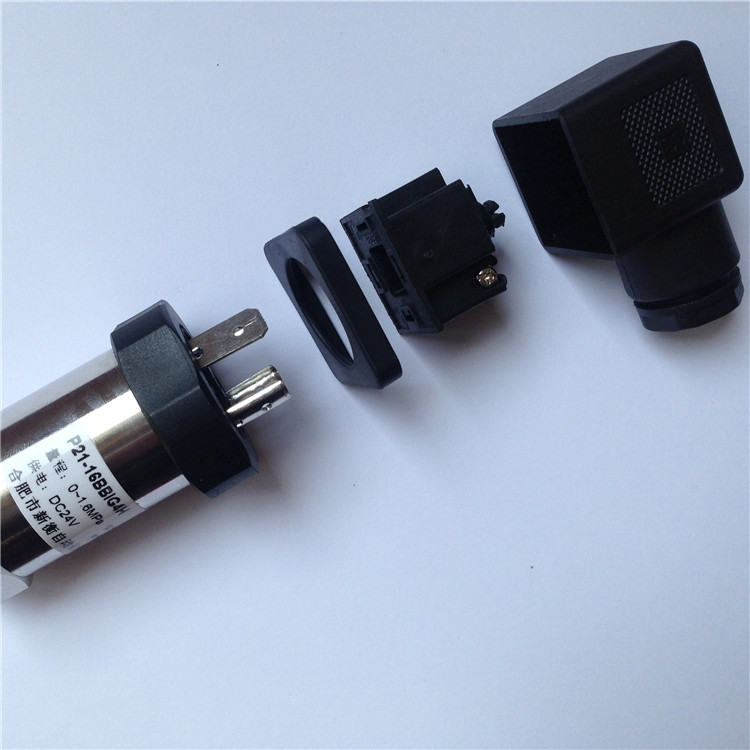
Isolated oil-filled diffused silicon core designed for harsh hydraulic loops, municipal pumping networks, and industrial HVAC monitoring.
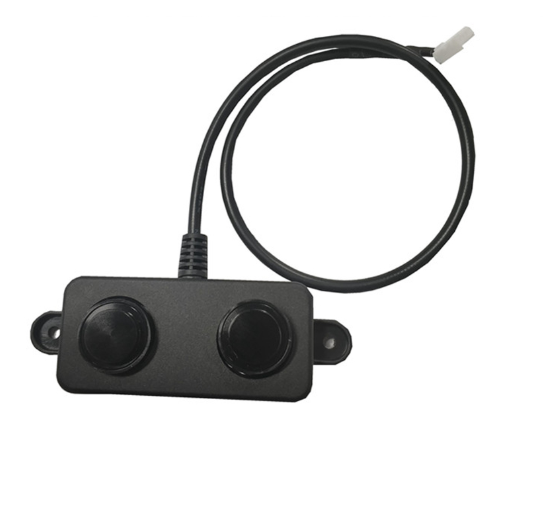
Hermetic IP67 ultrasonic obstacle avoidance and telemetry sensor module designed for automotive AGVs and outdoor robotics.
A comprehensive examination of substrate dynamics, controlled impedance routing, layer-to-layer registration, and modern turnkey supply chains tailored to Sofia's R&D ecosystems.
The electronics development ecosystem in Sofia, Bulgaria—anchored by clusters in Sofia Tech Park, Mladost, and the wider Sofia-Capital industrial rings—has transitioned rapidly from pure software integration into advanced hardware synthesis. Local original equipment manufacturers (OEMs), Tier-1 automotive sub-assembly designers, and IoT innovators now demand high-density interconnect (HDI) rigid multilayer printed circuit boards. Fabricating boards from 4 to 32 layers requires extraordinary process consistency: precise dielectric thickness control, flawless blind and buried via registration, tight characteristic impedance tolerances, and high thermal stability during reflow.
When selecting multilayer PCB manufacturing suppliers, Sofia engineering departments must evaluate the delicate balance between high-Tg FR-4 glass transition dynamics, signal propagation loss at gigahertz frequencies, and thermal dissipation. Industrial control units, edge IoT telemetry gateways, and automotive embedded platforms deployed throughout Southeastern Europe encounter wide thermal fluctuations (-40°C to +85°C). Utilizing standard mid-Tg laminate often results in z-axis thermal expansion fractures along the plated through-hole (PTH) barrels. Hence, our specialized multilayer stacks implement Tg > 170°C, low-CTE dielectric materials (such as Shengyi S1000-2M or ITEQ IT-180A) coupled with vacuum-assisted hot-press lamination systems to ensure void-free inner-layer resin fills.
| Technical Parameter | Standard Production | Advanced / HDI Capability | Relevance for Sofia Hardware Teams |
|---|---|---|---|
| Layer Count Range | 2 – 16 Layers | Up to 32 Layers (Rigid / Rigid-Flex) | High-density microcontrollers, SoCs & FPGAs |
| Min. Trace Width / Spacing | 0.10 mm (4 mil) / 0.10 mm | 0.065 mm (2.5 mil) / 0.065 mm | BGA breakout routing down to 0.4 mm pitch |
| Finished Board Thickness | 0.4 mm – 3.2 mm (±10%) | 0.2 mm – 6.0 mm (±7%) | Eurocard rack enclosures & slim IoT wearables |
| Impedance Tolerance | ±10% standard | ±5% controlled (Polar Si9000 verified) | High-speed PCIe, DDR4/5, Ethernet & RF differential pairs |
| Via Structures | Through-hole, Tented/Plugged | Blind, Buried, Staggered, Via-in-Pad (VIPPO) | Space reduction and signal integrity on dense multilayer boards |
| Surface Metallurgy | HASL Lead-Free, ENIG (Electroless Ni/Au) | ENEPIG, Immersion Silver/Tin, Hard Gold | Lead-free compatibility, planar BGA landing, contact pads |
In addition to bare substrate fabrication, Sofia’s industrial sector increasingly relies on hybrid assembly integration. Where microprocessors generate intense localized heat, passive heatsinks (such as custom comb radiators) and aluminum core substrates (MCPCB) provide critical thermal relief. Integrating bare silicon photodiode wafers, precision PT100 temperature sensors, and ultrasonic modules into complete PCBA assemblies enables hardware developers to consolidate mechanical, electronic, and sensor subsystems under a single, traceable Bill of Materials (BOM).
How our multilayer boards, industrial sensors, and turnkey assembly services empower key economic sectors in Bulgaria.
Sofia houses a massive cluster of Tier-1 automotive software and hardware developers. Our high-Tg, multilayer FR-4 circuit boards and specialized NTC/PT100 sensor assemblies deliver automotive-grade functional integrity for battery management systems (BMS), in-cabin sensor modules, and intelligent power switching relays.
Bulgaria’s heavy industrial zones in Kremikovtsi, Elin Pelin, and neighbouring Plovdiv depend on rugged automation. We supply 6-to-16-layer heavy-copper boards (up to 3oz copper) combined with diffusion silicon pressure sensors and fiber optic transducers to sustain electrical noise immunity on factory floors.
Sofia Municipality’s ongoing modernization projects involve automated district heating, sewer network telemetry, and real-time transit monitors. Our hermetic ultrasonic level sensors and low-power multilayer IoT boards handle long battery operational lifespans under underground humidity and cold weather.
Sofia’s startup ecosystem is heavily engaged in commercial drones and automated guided vehicles (AGVs). Controlled impedance multilayer substrates paired with planetary gear motors, Hall encoders, and piezoelectric transducers maintain lightweight structure and high RF range integrity.
With Bulgaria expanding solar arrays and wind installations along the Balkan corridor, power inverters require multilayer MCPCBs and robust current-sensing transducers. Our assemblies withstand continuous electrical surges, high ambient solar temperatures, and UV degradation.
Sofia-based biomedical engineering laboratories require Class 3 multilayer boards with ultra-fine trace spacing, gold-plated bonding surfaces, and chemical-resistant industrial membrane switch panels for precision user interfaces and patient-monitoring instruments.
Key technical shifts and supply-chain adaptations shaping purchasing decisions across Bulgarian engineering enterprises.
1. Shift Toward Rapid Near-Turnkey Prototyping: Bulgarian tech teams have moved away from bifurcated procurement models where bare boards, components, and contract assembly were sourced from disparate parties. The fragmentation caused friction, extended project lead times, and obscured accountability when assembly defects occurred. The prevailing standard is consolidated turnkey PCBA manufacturing, where the board fabricator audits the Gerber file, procures active and passive components directly, mounts SMT components, and runs end-of-line functional tests.
2. Tightening Electromagnetic Compliance (EMC) Standards: Because Bulgaria operates strictly under European Union CE directives (such as Directive 2014/30/EU), multilayer board architecture must prevent stray RF emission at the layout level. Local developers are enforcing strict 4-layer and 6-layer symmetric stack-ups (Signal-GND-PWR-Signal) with continuous ground planes and stitch vias. Fabricators must maintain tight dielectric thickness consistency across the prepreg sheets (e.g., 2116 or 7628 glass cloth) to prevent impedance mismatching along high-speed LVDS or Ethernet differential traces.
3. Resilience Against Component Obsolescence: Supply volatility taught hardware purchasers across Sofia the necessity of active component cross-referencing. Working directly with an onsite-verified Shenzhen manufacturer provides direct access to Asian spot component markets and second-source alternatives (such as pin-compatible MCU substitutes and drop-in LDO regulators), accompanied by formal engineering DFM reviews prior to soldering.
4. Decarbonization and Thermal Efficiency: The European Green Deal influences procurement across Sofia. Multilayer PCB assemblies must withstand lead-free SAC305 peak reflow profiles (reaching 245°C–260°C) without blistering, delamination, or warpage. Furthermore, the integration of extruded aluminum heatsinks and metal-core circuit boards directly within high-power modules reduces the overall carbon footprint by extending product operating life.
Built directly upon our 8-year verified track record in Shenzhen's world-class hardware manufacturing hub.
Every Gerber package (RS-274X, ODB++) and Bill of Materials undergoes a meticulous review by our senior CAM engineers. We verify annular rings, aspect ratios, solder mask clearances, and component footprint pad registrations before copper laminates enter the drill line.
We believe cutting-edge innovation requires barrier-free prototyping. We accommodate PCBA prototyping starting from just 5 pieces, while maintaining scalable production capacity for batch volumes reaching hundreds of thousands of units with guaranteed stack-up fidelity.
Shenzhen Mivo Electronics Co., Ltd. operates with verified physical operations in Shenzhen, Guangdong. Confirmed via comprehensive third-party audits and maintaining an 8-year track record with a 4.7/5 customer satisfaction score across global markets.
Beyond bare PCB fabrication, our production portfolio encompasses high-performance aluminum radiators, ultrasonic depth modules, PT100 temperature probes, membrane switches, and laser-cut stainless steel SMT solder paste stencils.
We maintain streamlined export channels straight to Sofia Airport (SOF) via premier international air couriers (DHL, FedEx, UPS) and consolidated freight channels. Complete commercial documentation, HS code categorization, and CE compliance declarations are provided standard.
Never fear clandestine parts swapping. If an IC, passive component, or connector on your BOM faces obsolescence or exorbitant lead times, our procurement team provides detailed datasheets for functional equivalents, requiring written authorization prior to mounting.
Concrete answers covering technical validation, minimum order quantities, import duties, and production turnaround times.
Send us your Gerber files and BOM. Our senior DFM engineers will conduct an immediate review and provide competitive direct-factory pricing within 24 hours.