Acoustic Hydro
Engineered to operate reliably in tropical environments characterized by extreme ambient humidity, constant ionic airborne salt exposure, and thermal cycling across the Federated States of Micronesia, Palau, the Marshall Islands, and Guam.
Tropical island deployments require printed circuit boards designed well beyond standard commercial tolerances. Our multilayer boards incorporate controlled dielectric constants, high glass-transition (Tg) temperatures, and advanced surface finishes that eliminate copper oxidation.
Utilizing high glass transition FR-4 (Tg 170°C–180°C) with low coefficient of thermal expansion (CTE) in the Z-axis, ensuring via barrel integrity during rapid island ambient temperature fluctuations and continuous solar inverter load cycles.
Blind, buried, and micro-via (stacked/staggered) technology with minimum drill sizes down to 0.15mm (mechanical) and 0.1mm (laser), enabling ultra-dense HDI layouts for compact marine navigation units and satellite transceivers.
Electroless Nickel Immersion Gold (ENIG 2-3 µ" Au over 120-200 µ" Ni), Immersion Silver, and Electroless Nickel Electroless Palladium Immersion Gold (ENEPIG) to eliminate creeping galvanic corrosion in maritime atmospheres.
100% Automated Optical Inspection (AOI), Flying Probe electrical continuity and isolation testing, micro-sectioning verification, and high-voltage dielectric withstand checks for mission-critical island telecom and solar utilities.
Navigating the intersection of high humidity, extreme salinity, isolated supply chains, and localized energy transformations across Micronesian atolls.
Deploying multilayer electronic hardware across the Pacific requires addressing electrochemical migration mechanisms rarely encountered in dry continental markets. Atolls in Pohnpei, Chuuk, Yap, and Kosrae experience mean relative humidity exceeding 80% coupled with airborne sodium chloride particulates propelled by oceanic trade winds.
Under these conditions, standard FR-4 circuit boards suffer from Conductive Anodic Filament (CAF) formation, where copper filaments grow along glass fibers between internal plated through-holes (PTH), causing catastrophic dielectric breakdown. Shenzhen Mivo Electronics implements specialized Anti-CAF prepreg systems featuring dense glass weave patterns (such as 2116 or 7628 glass cloth) combined with modified epoxy resins. This engineering approach eliminates internal micro-voids, guaranteeing 1,000+ hours of continuous operation under Telcordia GR-78-CORE biased humidity chambers.
Furthermore, our surface preparation protocol prioritizes selective conformal coating interfaces (acrylic, silicone, or parylene conforming to IPC-CC-830 standards), preventing moisture ingress across fine-pitch surface-mount IC leads and copper trace clearances.
Across Micronesia, renewable energy transformation is vital to replacing high-cost diesel generation. Photovoltaic solar arrays, battery energy storage systems (BESS), and seawater desalinators require high-current power distribution and high-frequency inverter circuits capable of sustained heavy-load cycles without forced-air conditioning.
Our multilayer board solutions bridge this divide through Heavy Copper Substrates (2 oz to 6 oz inner and outer copper layers) integrated with thermal via arrays, aluminum-backed core boards (MCPCB), and copper-inlaid heatsink profiles. For complex motor controllers and solar Maximum Power Point Tracking (MPPT) units, we fabricate rigid-flex and multilayer hybrid stacks that consolidate control logic and high-power stages on a single board, reducing mechanical interconnect failures caused by boat vibration or coastal transit.
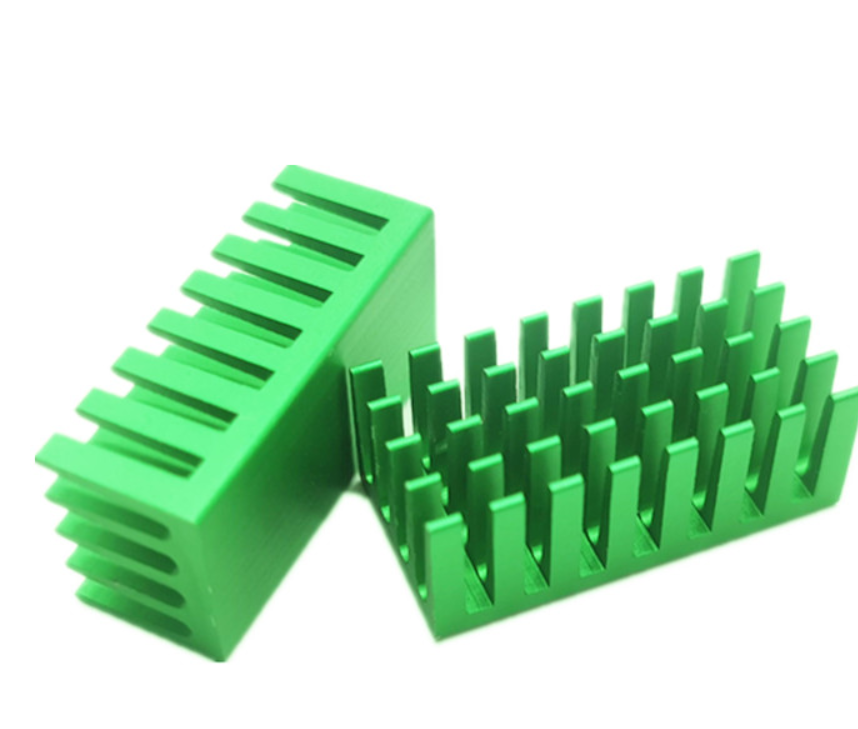
By integrating SMD components directly with our custom aluminum heatsink extrusions (28×14×11mm coolers) and high-precision RTD temperature probes, our clients build closed-loop thermal control systems with rapid response times and field longevity.
From central communications repeaters in Majuro and Kolonia to maritime telemetry vessels across the Pacific Exclusive Economic Zones.
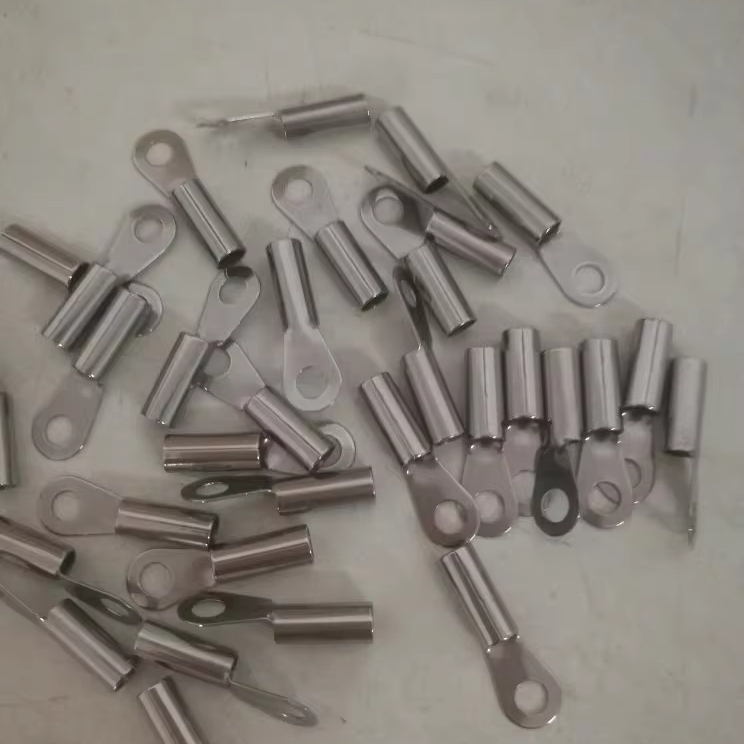
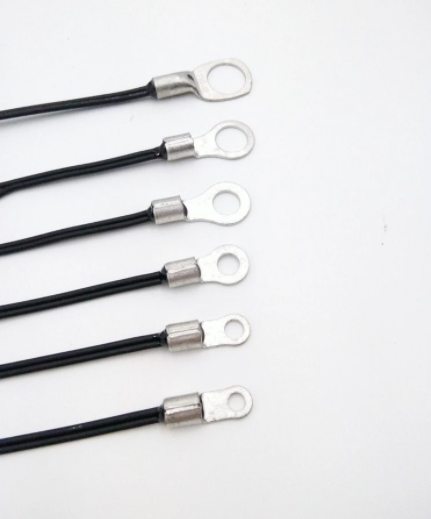
Multilayer power inverter controllers, battery balance boards, and high-amperage busbars configured with our NTC 100K thermistors and wire lug sensors. Providing reliable telemetry for remote atoll off-grid lithium storage facilities without risk of dielectric leakage.
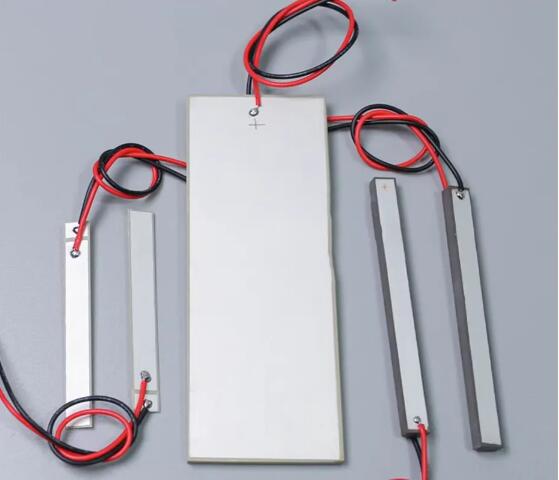
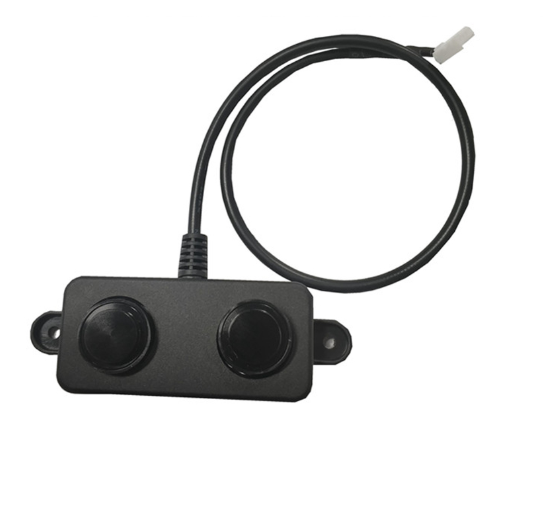
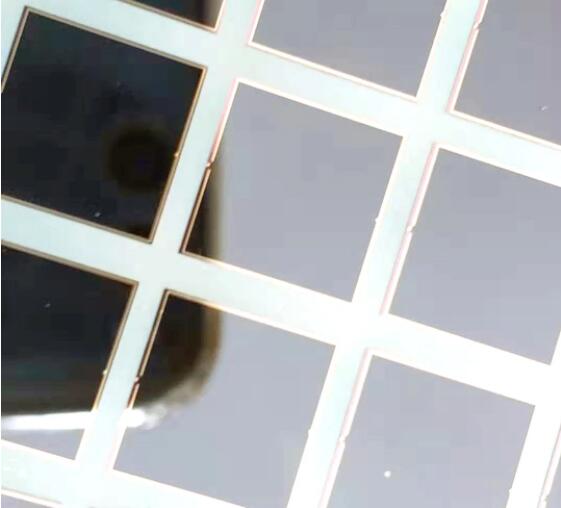
Long-range sonar nodes, hydrophones, and acoustic fish-aggregating device (FAD) beacons driven by our PZT piezo-ceramic transducers and waterproof ultrasonic distance sensor modules, encapsulated against sustained seawater immersion.
Controlled-impedance 6-to-16 layer network routing backplanes and fiber terminal transceiver interface boards designed for submarine cable landing stations in Pohnpei, Guam, and Palau, handling multi-gigabit signal paths with near-zero return loss.
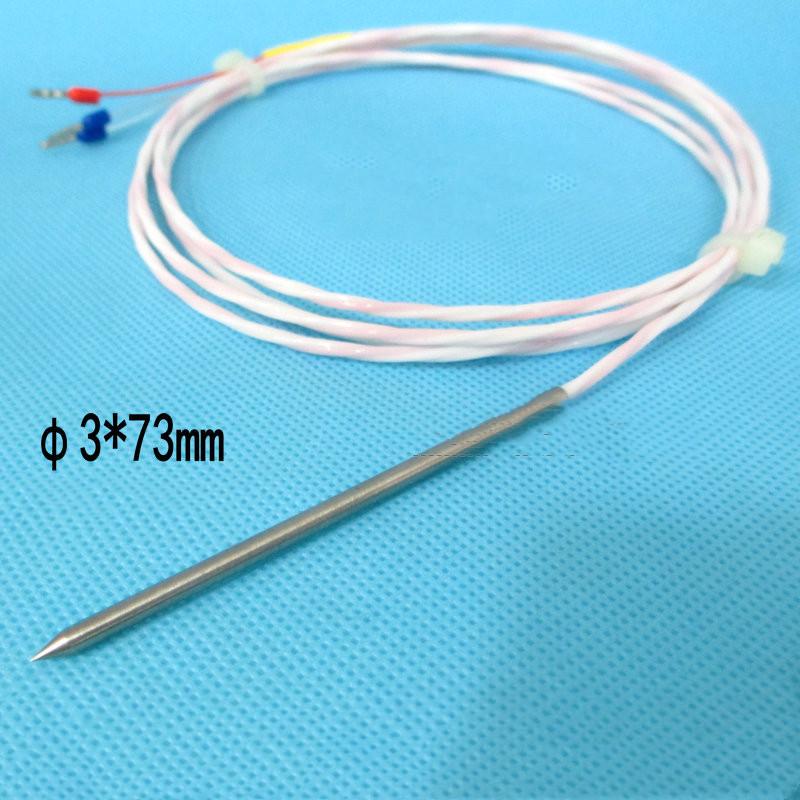
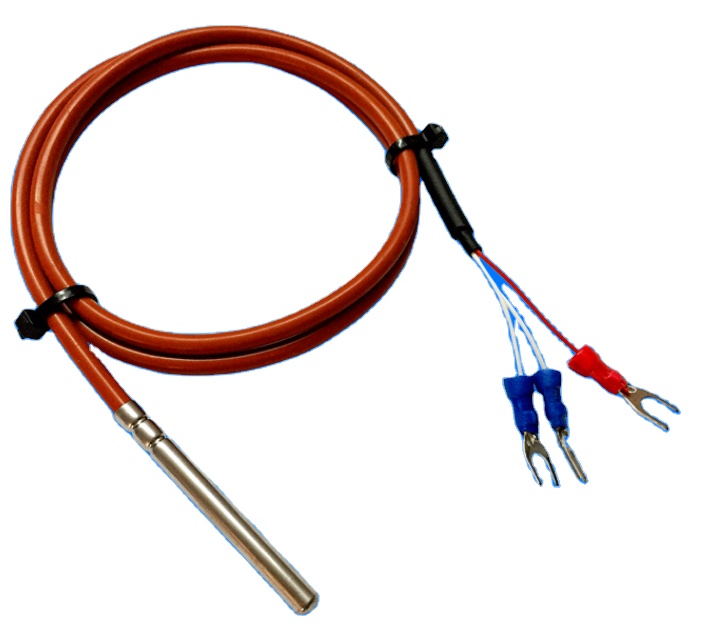
Refrigerated tuna transshipment holds, reef preservation nodes, and brine monitoring tanks utilizing Class-A PT100/PT1000 platinum RTD pointed probes and silicone submersibles to preserve perishable exports to Asian and US markets.
Reverse-osmosis plant logic controllers, automated rainwater catchment level switches, and wireless water leakage ropes deployed in communal storage cisterns to secure clean freshwater distribution across low-elevation coral atolls.
Transitioning toward unified IoT environmental monitoring networks, autonomous harbor navigation lights, and disaster warning sirens that demand low-power multilayer PCBA assemblies capable of 10+ years maintenance-free field life.
Combining the agile component sourcing ecosystem of Shenzhen with dedicated engineering support, low minimum order quantities, and onsite-verified manufacturing operations.
Eliminate the friction of managing separate vendors for bare boards, electronic parts, SMT stencils, and mechanical housings. We manage your bill of materials (BOM), surface mount assembly, through-hole soldering, and custom wire assemblies under one project roof.
Island projects often require small, highly specialized runs rather than millions of units. We support innovators, government infrastructure contractors, and maintenance engineers with prototype PCBA orders starting from just 5 pieces.
Transparency is foundational when ordering across oceans. Shenzhen Mivo Electronics operates out of Yuanshan Street, Shenzhen, with an onsite-verified production facility audited by third-party verification authorities and backed by 8+ years of global exporting history.
Key information regarding international logistics, file preparation, marine conformal coatings, and lead times for regional engineering teams.
Send your Gerber packages, BOM sheets, or custom sensor drawings directly to Shenzhen Mivo Electronics. Our engineering review team provides comprehensive Design for Manufacturability (DFM) feedback and transparent competitive pricing within 24 hours.