1. Engineering Foundation: Defining Non-Tactile Membrane Switch Architecture
In high-reliability Human-Machine Interface (HMI) applications, non-tactile membrane switches represent the ultimate design balance between hermetic sealing, low physical profile, and extended mechanical endurance. Unlike tactile switches—which incorporate formed metal snap domes or thermoformed polyester domes to yield a snap feel—a non-tactile membrane switch operates through planar conductive contact without dynamic deflection profiles.
The standard stack-up of a high-performance non-tactile switch comprises five to seven distinct functional layers:
- Graphic Overlay: Typically printed on the sub-surface of biaxially oriented polyethylene terephthalate (PET) or polycarbonate (PC), protecting text, branding, and color-coded zones against chemical washdowns, UV exposure, and abrasive friction.
- Top Circuit Layer: A stabilized polyester film screen-printed with conductively loaded polymer thick-film (PTF) silver ink or copper-etched circuitry.
- Dielectric Spacer: An adhesive-coated carrier layer with precision die-cut cavities that physically separate the upper and lower electrical traces by 0.05 mm to 0.125 mm.
- Bottom Circuit Layer: Features complementary silver contact points or closed bus tracks that complete the electrical loop upon nominal finger depression.
- Rear Adhesive Substrate: High-shear industrial adhesives (e.g., 3M 467MP, 3M 468MP, or 3M 300LSE) engineered to chemically bond to powder-coated steel, molded plastics, or aluminum chassis.
5M+
Switch Actuation Cycles
IP67/68
Front Panel Ingress Sealing
<1.0 mm
Ultra-Thin Profile Assembly
5 pcs
Low Prototype PCBA MOQ
Because non-tactile switches eliminate mechanical deformation fatigue found in metallic snap domes, their functional lifespan easily exceeds 5,000,000 continuous actuations without material embrittlement. Feedback is typically delivered by accompanying audio buzzers, secondary vibration motors, or onboard surface-mount LED illumination embedded directly into the circuit layer or hosted on an underlying PCB.
2. Slovakia's Industrial Landscape & Localized Application Ecosystem
The Slovak Republic occupies a pivotal position within European industrial production, representing one of the highest automotive manufacturing concentrations per capita worldwide, accompanied by rapid expansions in industrial automation, medical technology, and smart power infrastructure. Consequently, engineering buyers in Bratislava, Trnava, Žilina, Nitra, and Košice require robust non-tactile HMI panels matched to distinct application sectors:
Automotive Production & Tier-1 Machinery
In assembly hubs near Bratislava and Trnava, robotic work-cells and conveyor systems require flat, non-tactile emergency panels that resist cutting oils, coolant aerosols, and hydraulic fluids without particulate traps.
Sterile Medical & Clinical Diagnostics
Medical electronics fabricated in western and central Slovakia demand smooth graphic overlays with antimicrobially treated polyester (such as Autotex AM) compatible with aggressive IPA, chlorine, and autoclave disinfection.
Heavy Automation & Process Control
Chemical processing and metallurgy plants across the Košice basin deploy non-tactile switch assemblies backed by aluminum core plates to handle continuous vibrational profiles and ambient temperatures from -40°C to +85°C.
3. Technical Comparison: Tactile vs. Non-Tactile Membrane Interfaces
Specifying the correct membrane keypad architecture directly influences product lifespan, ingress protection rating, user ergonomic perception, and overall bill-of-materials cost. Below is an engineering evaluation comparing modern industrial keypad constructions:
| Performance Parameter |
Non-Tactile Membrane Switch |
Metal Snap Dome Membrane |
Elastomeric Rubber Keypad |
| Mechanical Lifespan |
> 5,000,000 cycles |
1,000,000 – 3,000,000 cycles |
500,000 – 1,000,000 cycles |
| Actuation Force (Nominal) |
1.0 N to 3.0 N (Variable via spacer) |
2.2 N to 5.0 N (Fixed by dome shape) |
0.8 N to 2.5 N (Variable) |
| Switch Travel Height |
0.08 mm – 0.15 mm |
0.30 mm – 0.60 mm |
1.00 mm – 2.50 mm |
| Tactile Response |
None (Requires LED/audio cues) |
Crisp tactile snap |
Soft tactile feel |
| Surface Washdown Cleanability |
Exceptional (Completely flat surface) |
Moderate (Embossed domes collect edges) |
Low (Crevices between rubber keys) |
| EMI / ESD Shielding Integration |
Direct printed carbon/silver grid |
Layered grid or copper foil |
Conductive carbon pills |
4. Emerging Technology Trends in Central European HMI Manufacturing
Slovakia's electronic engineering divisions are actively updating control interfaces to satisfy European Union ecodesign directives and Industry 4.0 automation criteria. Key technology developments include:
- Hybrid Capacitive & Membrane Integration: Blending capacitive touch slide bars with planar non-tactile confirmation buttons behind a continuous chemically strengthened graphic sheet.
- Internal Rigid-Flex Turnkey PCBA Integration: Directly laminating the non-tactile membrane tail via Zero Insertion Force (ZIF) connectors to multilayer FR-4 control boards or aluminum MCPCB heat-spreading backings, eliminating discrete wire harnesses.
- Micro-Coaxial and Shielded Interconnects: Utilizing 36AWG micro-coaxial cable routing and selective silver shielding to protect low-voltage differential signaling (LVDS) lines against high electromagnetic noise caused by industrial frequency converters.
- Low-Carbon Bio-Based Substrates: Transitioning toward recyclable high-molecular PET backing foils that comply with strict circular economy initiatives active across the European single market.
5. Enterprise Advantages: Shenzhen Mivo Electronics Co., Ltd.
Founded in 2016 and situated in the global electronics manufacturing capital of Shenzhen, Shenzhen Mivo Electronics Co., Ltd. serves as a direct, onsite-verified manufacturing partner for original equipment manufacturers and system integrators throughout Slovakia and Central Europe.
Turnkey SMT & Assembly
We do not just fabricate bare membrane panels; we deliver complete turnkey box-build assemblies, combining PCB fabrication, precision SMT stencil printing, component mounting, and firmware flashing.
Low Prototyping Thresholds
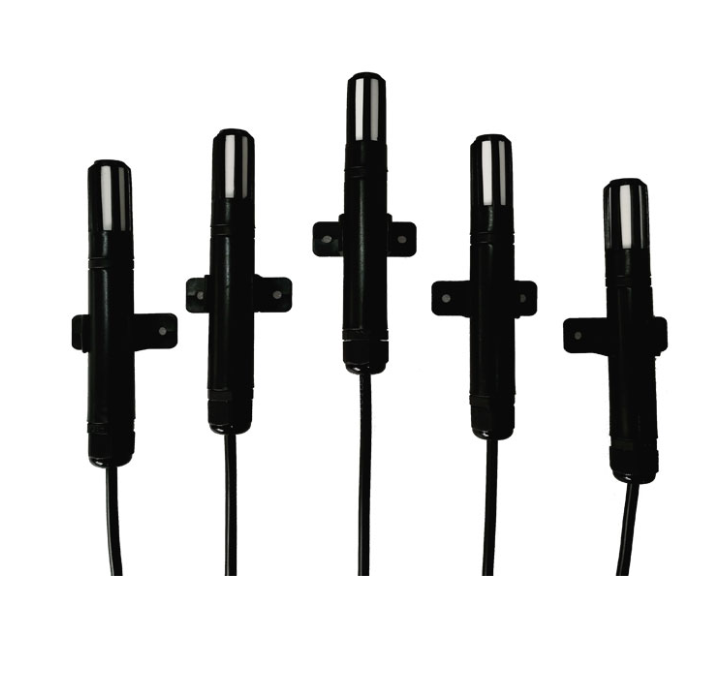
Eliminate costly initial overhead. Our production lines support rapid prototyping runs starting from just 5 pieces for PCBA and 10 pieces for custom sensor probes, allowing Slovak engineers to validate field units rapidly.
Verified Quality & Trust
Our facility holds complete physical onsite verification from international inspection agencies and Alibaba.com. With an established 8-year global export record and a 4.7/5 buyer rating, we guarantee full material traceability and transparent engineering.
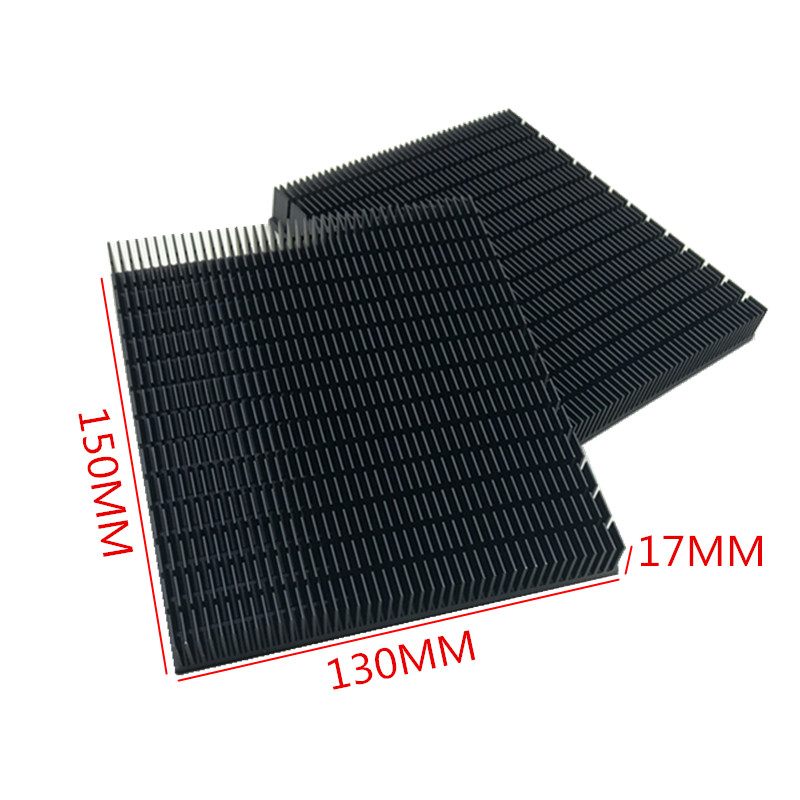
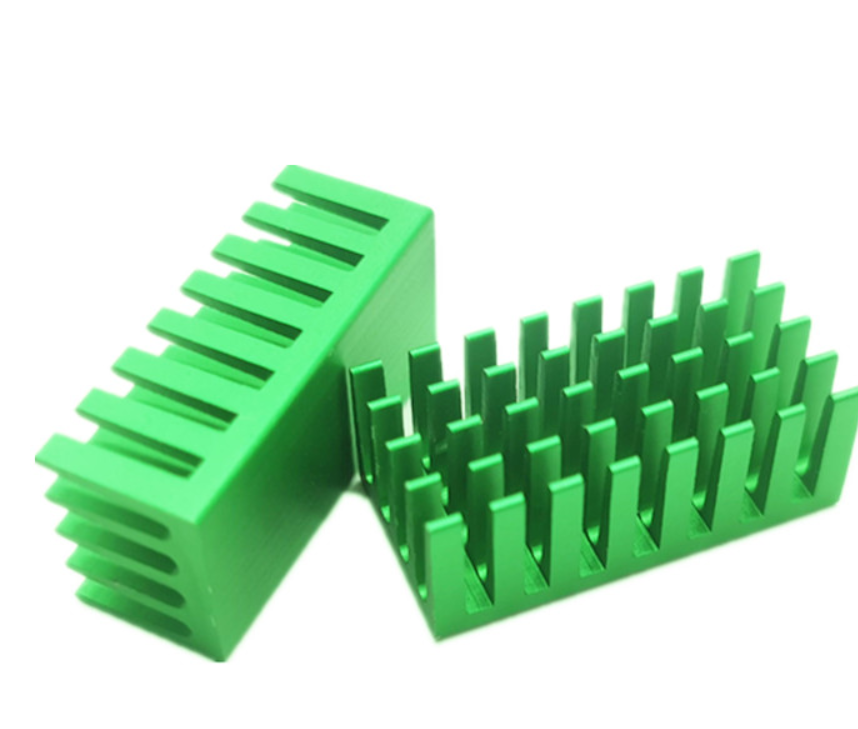
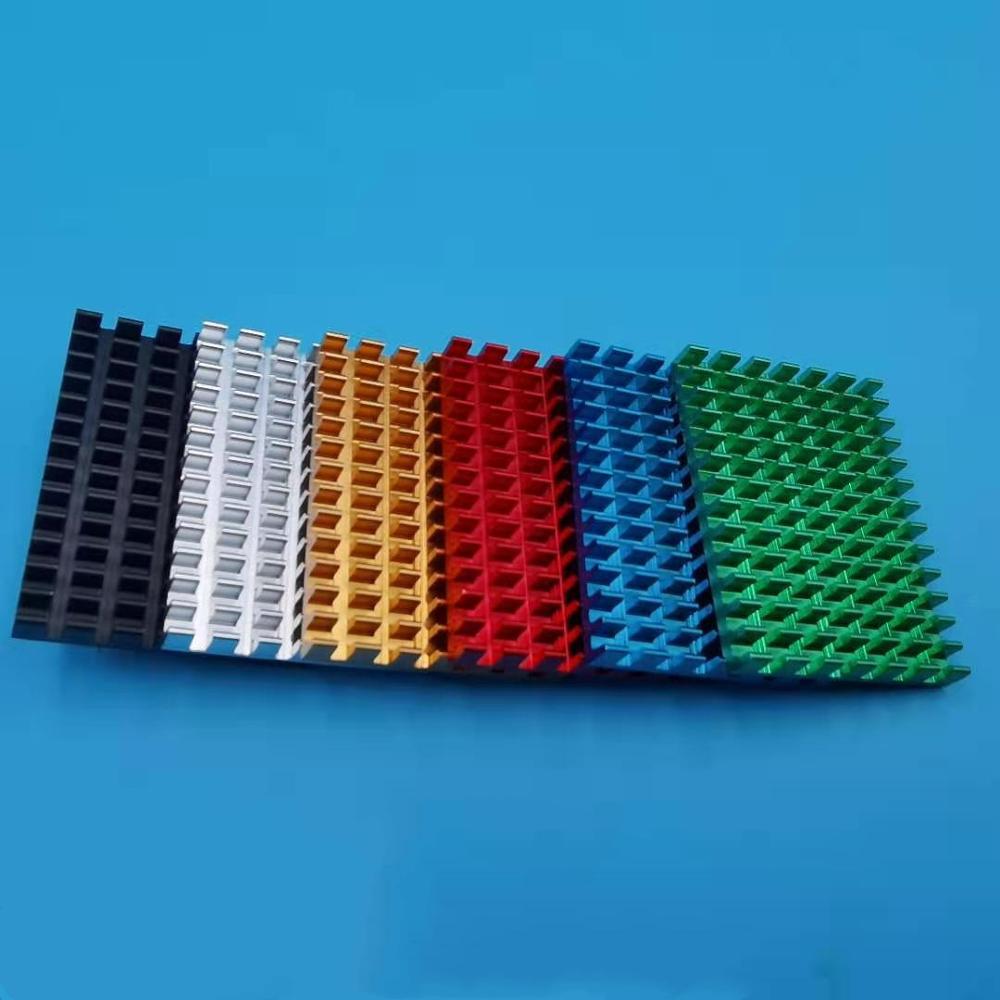
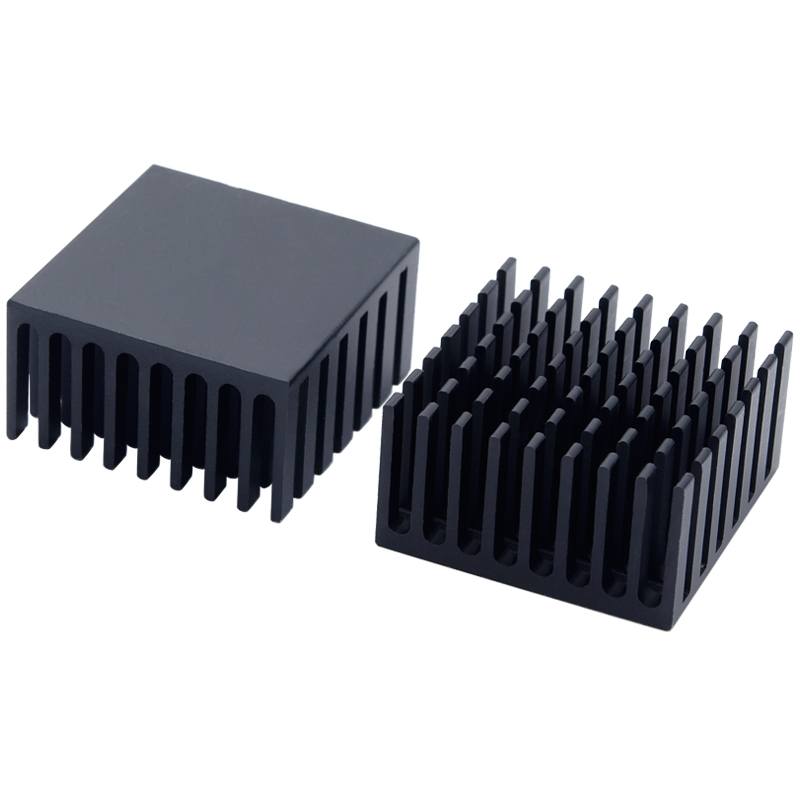
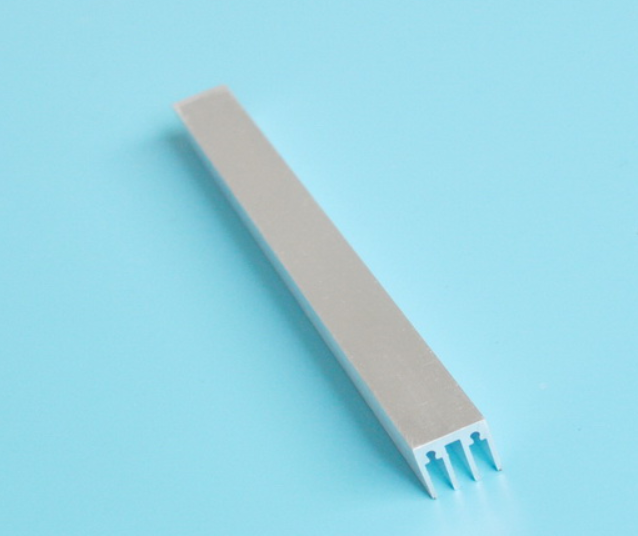
Our comprehensive component procurement division bypasses third-party markup channels, directly sourcing passive discretes, microcontrollers, Hall encoders, and custom extruded heat sinks (such as groove aluminum LED coolers and pin-fin radiators) directly from verified Tier-1 Chinese suppliers, delivering substantial landed-cost advantages to our European partners.
6. Frequently Asked Questions (FAQ) for Slovakian Buyers
How do non-tactile membrane switches achieve IP67 or IP68 ingress ratings?
Because a non-tactile switch has no moving metallic domes or cut-through pushbuttons, the top graphic overlay remains an uninterrupted, continuous polymer membrane. Using high-cohesion acrylic adhesives (such as 3M 467MP or 200MP transfer films), our cleanroom lamination completely seals the perimeter, preventing moisture, dust, solvents, and cleaning chemicals from reaching the internal electrical circuits.
Can you integrate custom surface-mount LEDs directly inside the membrane switch layers?
Yes. We routinely mount 0603, 0805, or 1206 ultra-thin surface-mount LEDs onto flexible polyester silver circuits using specialized isotropic conductive adhesives (silver epoxy) paired with UV-cured structural encapsulants. This provides clear status feedback on completely flat, non-tactile keypads.
What engineering files are required to initiate tooling and quotation?
To proceed with custom membrane and PCBA development, please provide:
- Vector graphic artwork for the overlay (Adobe Illustrator .AI, CorelDRAW, or PDF vector formats) specifying Pantone or RAL color codes.
- Mechanical dimensional drawings (.DXF or .DWG) with tolerances, tail layout, and adhesive cutouts.
- Schematic circuit schematic or Gerber (RS-274X) files for underlying PCB/PCBA integration.
- BOM (Bill of Materials) indicating exact part numbers if onboard components or connectors are needed.
How do you handle shipping, DDP terms, and customs clearance into Slovakia?
We routinely supply industrial components across the European Union. We provide transparent incoterms including EXW, FOB Shenzhen, and complete DAP or DDP (Delivered Duty Paid) shipping to your designated facility in Bratislava, Košice, or elsewhere via express couriers (DHL, FedEx, UPS) or freight forwarders, handling export documentation and EORI requirements seamlessly.
What is your typical turnaround time for prototypes versus volume orders?
Custom non-tactile membrane prototypes typically ship within 7 to 10 working days following final engineering drawing sign-off. Turnkey PCBA assemblies requiring component sourcing and stencil preparation take roughly 12 to 18 working days. Mass volume shipments generally cycle in 3 to 4 weeks depending on batch size.
Start Your Custom HMI & PCBA Manufacturing Project
Send your mechanical drawings, schematic files, or BOM specifications to our Shenzhen engineering hub for a comprehensive DFM evaluation and transparent volume quotation.