Optoelectronics
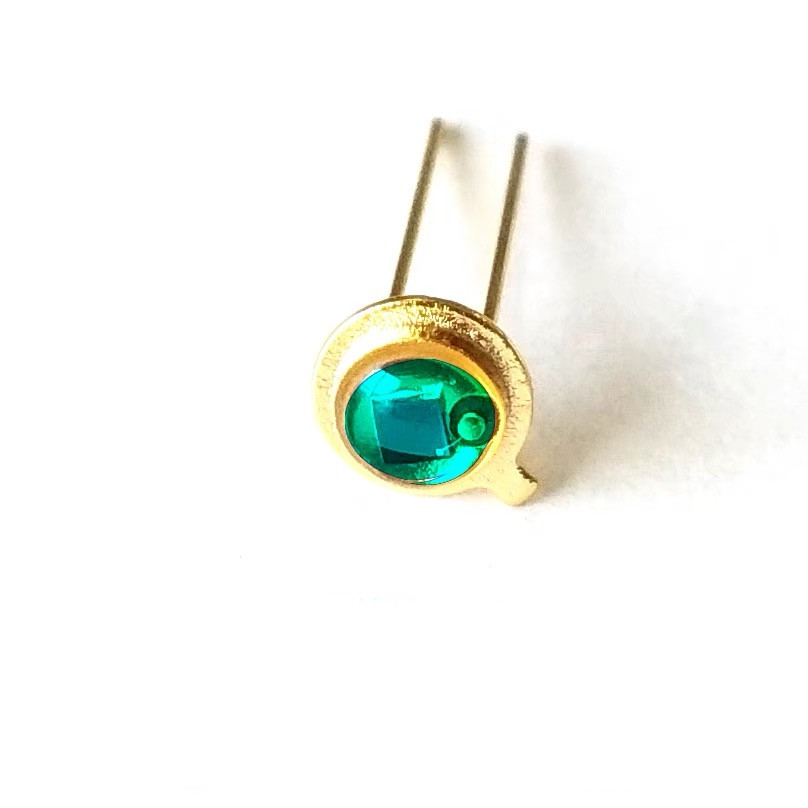
Metal Shell TO46 Package SG-PIN46MR-V Photodiode
450nm high-speed silicon photocell optimized for optical transceiver modules, analytical spectrometry, and photonic FPC interconnects.
Integrated hardware modules and thermal management solutions designed for deployment alongside advanced flexible and rigid-flex circuit platforms.
450nm high-speed silicon photocell optimized for optical transceiver modules, analytical spectrometry, and photonic FPC interconnects.
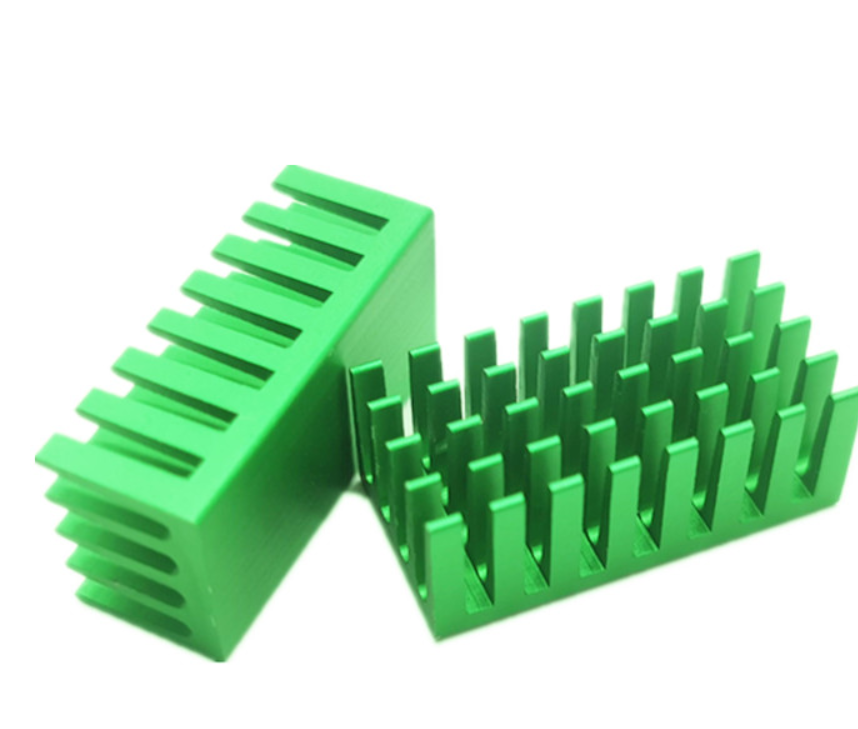
Precision extruded aluminum heat sink for localized IC cooling on compact rigid-flex transitions and high-density industrial control cards.
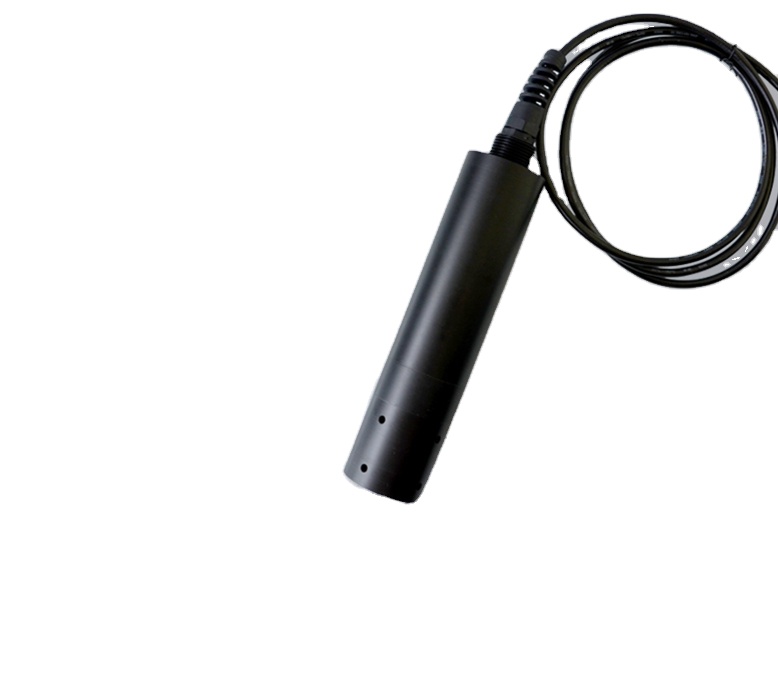
Submersible water turbidity probe supporting RS485 Modbus RTU and 4-20mA industrial outputs for telemetry across maritime and agro-industrial grids.
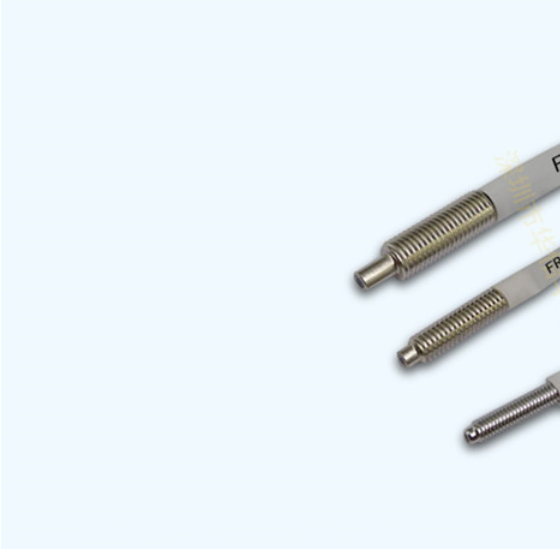
Ruggedized M3/M4/M6 optoelectronic fiber sensor probe designed for high-vibration robotics tooling, micro-switches, and automated packaging lanes.
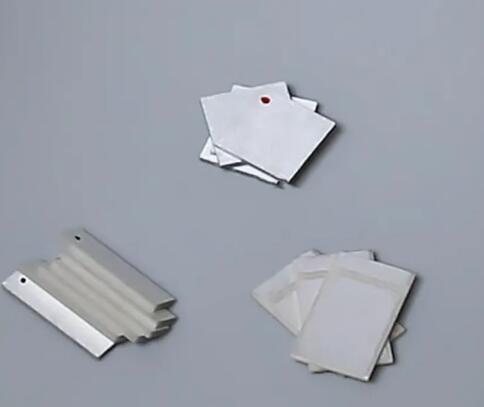
Gold-plated shear-wave piezoelectric crystal designed for non-destructive structural acoustic testing, ultrasonic telemetry, and sonar modules.
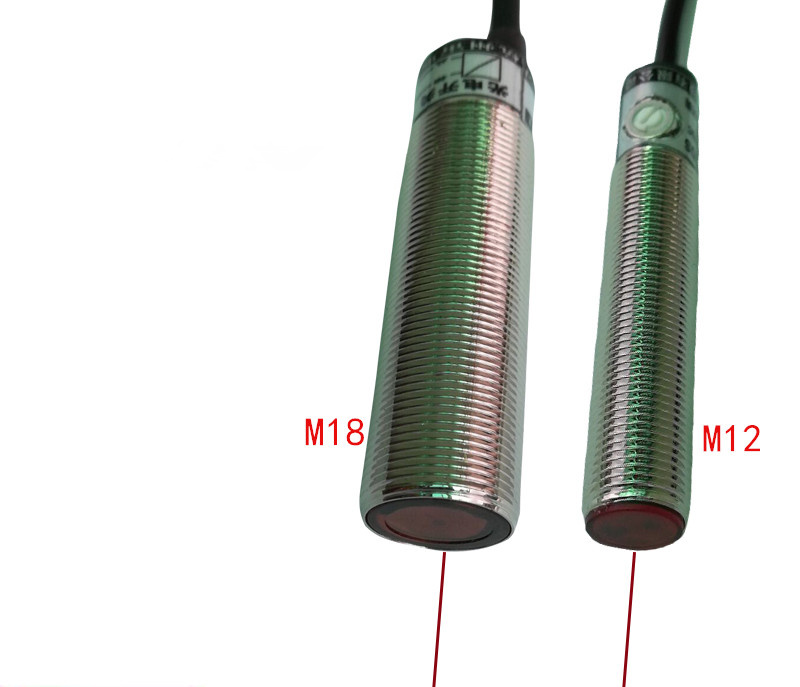
Precision collimated laser diffuse sensor in durable threaded brass housing for long-range material presence detection and sorting accuracy.
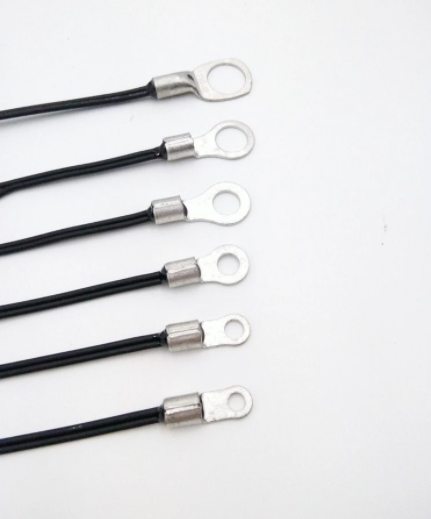
Automotive-grade NTC thermistor harness engineered for battery management systems (BMS), high-voltage energy storage, and flexible cell busbars.
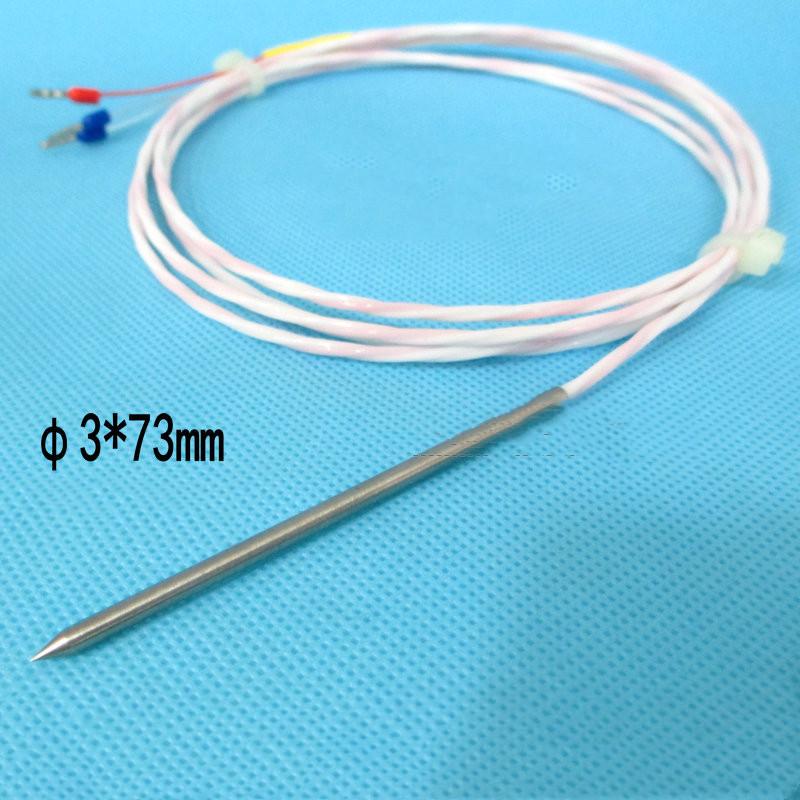
Class A/B platinum resistance thermometer probe with stainless steel penetration spear for bioprocessing, agritech storage, and cold chain telemetry.
Bridging Shenzhen’s precision volume fabrication capabilities with Western Greece’s thriving academic research, maritime engineering, and microelectronics design clusters.
As the third-largest metropolitan economy in Greece and the central gateway to Western Europe via the Ionian corridor, Patras has developed into a distinguished microelectronics, software, and autonomous hardware engineering cluster. Anchored by the University of Patras—specifically its renowned Department of Electrical and Computer Engineering (ECE)—alongside the Patras Science Park (PSP) and the enterprise members of the Hellenic Emerging Technologies Industry Association (HETiA, formerly mi-Cluster), the regional demand for cutting-edge interconnect solutions has reached an inflection point. Engineering teams throughout Achaea no longer look for standard rigid FR-4 printed circuit boards alone; the push toward spatial miniaturization, dynamic vibration tolerance, and multi-sensor edge nodes necessitates direct integration of Flexible Printed Circuits (FPC) and Rigid-Flex multi-layer systems.
Flexible circuits utilize ultra-thin, polyimide-based dielectric films clad with rolled annealed (RA) or electro-deposited (ED) copper foil. This architectural paradigm allows hardware architects in Patras to replace bulky wire harnesses, minimize parasitic capacitance, reduce package weight by up to 70%, and fold complex circuitry into geometrically constrained enclosures—ranging from autonomous sub-sea telemetry probes operating in the Gulf of Patras to compact drones surveying the agrarian plains of Western Peloponnese. Delivering high-yield, high-reliability FPCs requires deep manufacturing domain expertise that adheres to strict IPC-6013 Class 2 and Class 3 military/aerospace specifications.
When selecting an OEM/ODM flexible circuit supplier for deployment in Greece, Patras-based hardware design engineers must evaluate substrate integrity beyond simple board schematics. The heart of any industrial-grade FPC lies in the base laminate. Flexible circuits rely predominantly on Polyimide (PI) films, often supplied via internationally recognized laminate standards such as DuPont Pyralux or Panasonic Felios. For dynamic applications—where the circuit will undergo millions of flex cycles throughout its operational lifetime (such as automated gantry arms or articulated marine sensors)—adhesiveless flexible copper clad laminates (FCCL) are mandatory. Unlike adhesive-based laminates that introduce acrylic or epoxy bonding layers susceptible to micro-cracking and thermal delamination under lead-free reflow, adhesiveless FCCL offers superior dimensional stability, elevated glass transition temperatures (Tg > 250°C), and lower dielectric loss tangent (Df), critical for high-frequency signal integrity.
Furthermore, copper grain orientation dictates structural longevity. Electro-deposited (ED) copper is suitable for static "flex-to-install" applications where the circuit is bent once to fit within an instrument housing. However, for continuous dynamic flexing, Rolled Annealed (RA) copper must be specified. RA copper undergoes extensive mechanical rolling that creates an elongated, horizontally oriented grain boundary structure parallel to the circuit planes. When the circuit is bent perpendicular to the grain orientation, stress concentrations are uniformly distributed, preventing premature work-hardening fatigue and trace fracture. Shenzhen Mivo Electronics implements rigorous Design for Manufacturability (DFM) verification on all incoming CAD datasets from Patras, verifying bend radius-to-thickness ratios (typically a minimum of 10:1 for single-sided dynamic flex, and 20:1 for double-sided flex) to guarantee exceptional operational lifetimes.
Ensure that all copper traces transitioning across flex-to-rigid zones feature smooth teardrop fillets and radius corners rather than 90° or 45° bends. Traces across the flex region should be staggered on opposing layers to prevent the "I-beam effect," which stiffens the circuit and elevates inner-layer strain. Where shielding is needed, utilize cross-hatched ground planes instead of solid copper pours to maintain mechanical pliability without sacrificing EMI attenuation.
| Circuit Architecture | Dielectric Base Material | Copper Foil Type | Dynamic Flex Fatigue | Typical Industrial Target in Patras |
|---|---|---|---|---|
| Single-Layer FPC | 12.5µm – 25µm Polyimide | 18µm (½ oz) Rolled Annealed | > 5,000,000 cycles | Micro-switches, optoelectronic probes, MEMS transducer interfaces |
| Double-Access FPC | 25µm Adhesiveless PI | 35µm (1 oz) RA Copper | Static to Low-Cycle Flex | Sensor probes, narrow-bore borehole sensors, underwater housings |
| Multilayer FPC (3-6 Layers) | 12.5µm Polyimide cores | 12µm – 18µm RA Copper | Moderate (Controlled Bend) | Avionics telemetry, precision medical monitors, optical front-ends |
| Rigid-Flex (FR4 + PI Hybrid) | FR-4 High-Tg + Polyimide Core | 18µm RA + ED Outer | Install-Flex in Chassis | Maritime naval controllers, robotics mainboards, EV battery modules |
| Aluminum Core PCB (MCPCB) | Dielectric layer on Al Base | 35µm – 70µm ED Copper | Rigid Heat Spreader | High-lumen port illumination, EV motor drivers, power conversion |
The geographic position of Patras creates unique multi-industry challenges where traditional electronics packaging frequently falls short due to humidity, salt-spray exposure, intense mechanical shock, and tight thermodynamic envelopes. Deploying flexible and rigid-flex circuits bridges these physical limitations across key regional market verticals:
The Port of Patras is a vital Mediterranean transport node. Maritime navigation units, vessel automated monitoring systems, and underwater structural telemetry require hermetically sealed electronics.
The surrounding plains support intensive citrus, olive, and vineyard cultivation. Regional agritech start-ups develop autonomous drone sprayers, soil probes, and environmental canopy micro-stations.
With corporate R&D laboratories and microelectronics ventures based in Patras Science Park, high-speed optical transceivers and microwave transmission systems demand micro-pitch routing.
The electronics hardware paradigm in Western Greece is experiencing transformative shifts driven by European Union green initiatives, the expansion of EV infrastructure across the Peloponnese highway networks (Olympia Odos / Ionia Odos), and national Horizon Europe innovation initiatives. Several strategic procurement trends characterize current engineering purchasing behavior in Patras:
1. Demand for Low-Volume High-Mix (LVHM) Prototyping: University spin-offs and boutique IoT design consultancies located near Rio or the Patras Industrial Zone (VIPE) frequently operate in rapid iteration cycles. They cannot accommodate traditional mass-production minimum order quantities (MOQs) of 5,000 to 10,000 pieces. Shenzhen Mivo Electronics directly resolves this friction by offering rapid-turn bare FPC fabrication and PCBA assembly from batches as small as 5 pieces, backed by full engineering DFM feedback.
2. Consolidation from Multi-Vendor Chaos to Turnkey OEM/ODM: Historically, engineering procurement teams in Patras sourced bare circuit boards from Europe, ordered passive passives and active microcontrollers from broadline catalog distributors, and outsourced manual soldering to local technicians. This fragmented workflow caused costly lead-time compound errors. Sourcing from a comprehensive turnkey partner—who fabricates the flexible substrate, builds the SMT laser stencils, procures genuine electronic components across Shenzhen's tier-one supply chains, mounts components, and integrates custom sensors—drastically shortens the time-to-market for Greek hardware ventures.
3. Strict Regulatory Compliance for the Single European Market: Any hardware commercialized within Greece or exported throughout the European Union must fully comply with CE, RoHS (Restriction of Hazardous Substances), and REACH directives. Mivo Electronics guarantees that all flexible circuit materials, coverlays, immersion gold (ENIG) plating chemistries, and assembled componentry are 100% compliant with EU hazardous substance ceilings, supported by downloadable Material Declaration Data Sheets (MDDS).
Headquartered in the global electronics manufacturing epicenter of Shenzhen, China (Yuanshan Street, Longgang District), Shenzhen Mivo Electronics Co., Ltd. serves as an onsite-verified fabrication partner for overseas high-tech ventures. We bring verified enterprise stability and deep manufacturing capabilities to our Greek engineering clients:
Founded in 2016 with an onsite-inspected industrial facility and 51–100 skilled technical personnel, we are independently audited and carry an 8-year verified export track record with an average 4.7/5 buyer rating.
Equipped with high-precision Yamaha and Panasonic automated pick-and-place lines capable of placing 0201 chips, 0.3mm pitch BGAs, and fine-pitch FPC ZIF connectors using custom vacuum pallets.
Beyond bare circuit boards, we maintain dedicated workshops producing custom PT100 RTD sensors, EV battery NTC temperature harnesses, piezoelectric ceramic elements, and laser probes built precisely to drawing.
Connect directly with Shenzhen Mivo Electronics' engineering team. Upload your Gerber files, BOM, or sensor specifications for a detailed DFM review and competitive quotation tailored to Patras' delivery timelines.