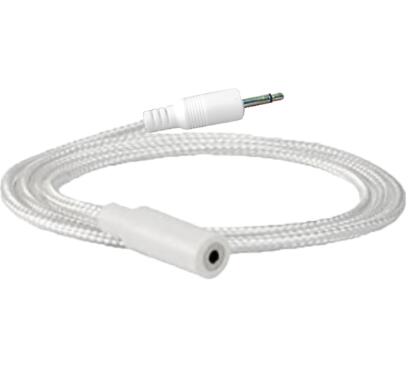
Featured Components & Sensor Architecture
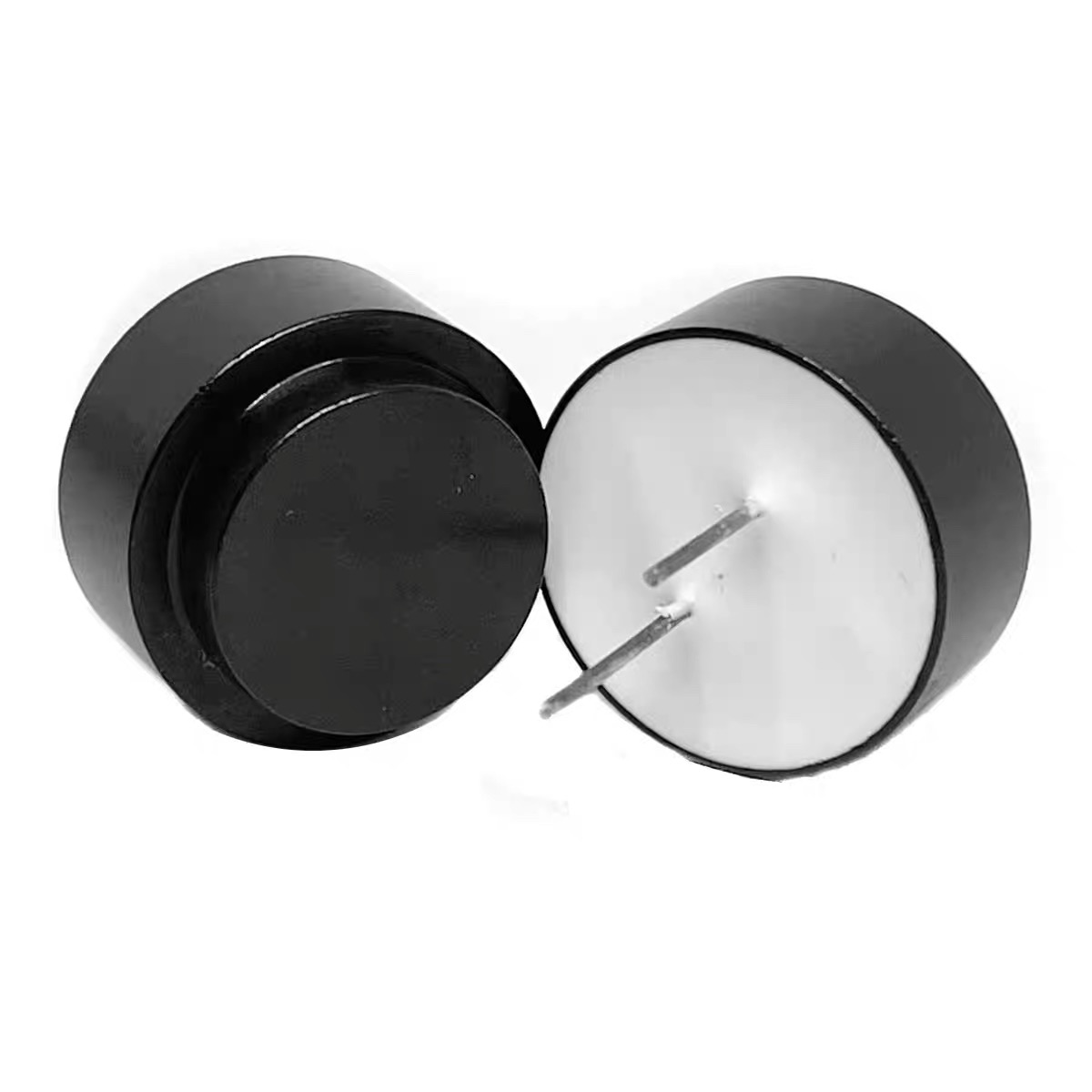
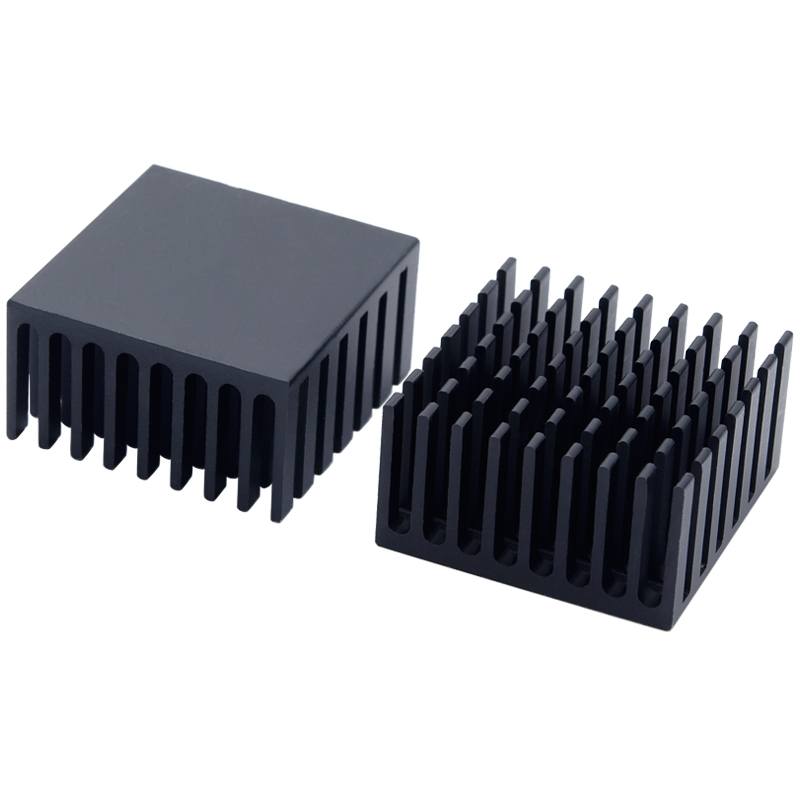
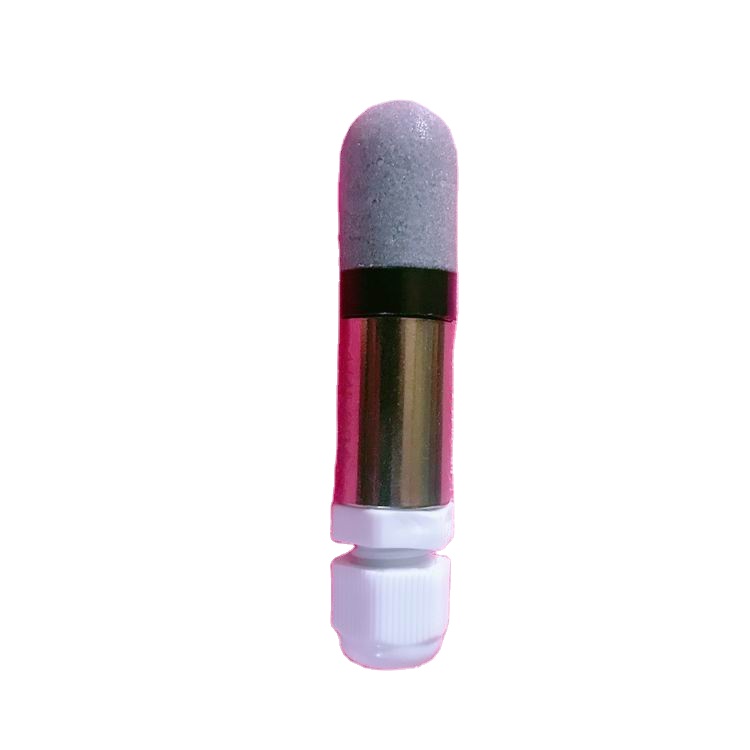
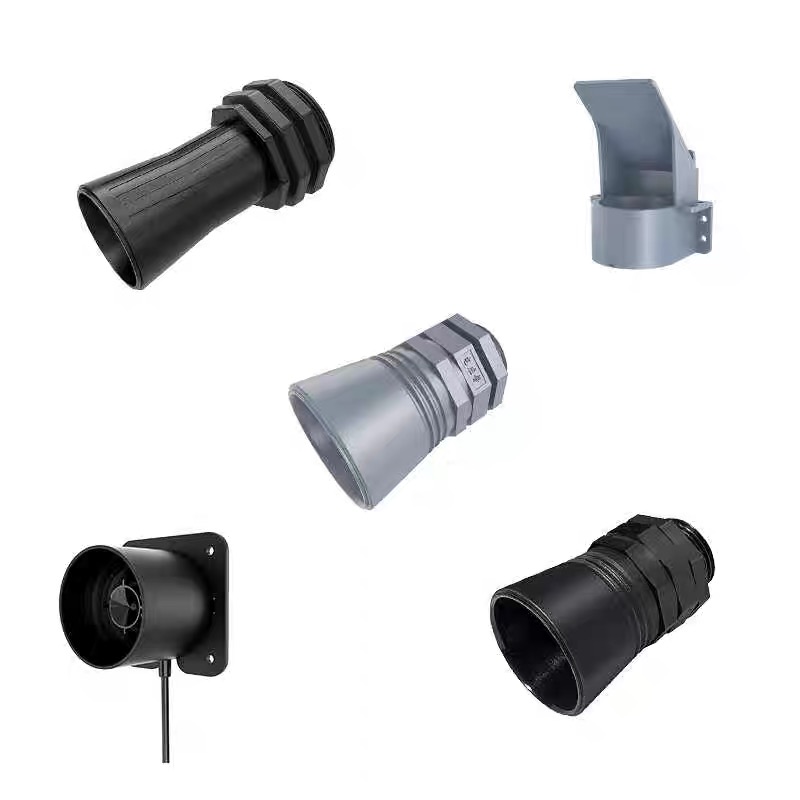
Integrable Electronics & Hardware for Industrial HMI Control
Explore engineering-grade sensor probes, heat dissipation elements, and intelligent modules directly applicable behind custom industrial graphic overlays and control enclosures in Bologna's specialized industrial sector.
Industrial Engineering Whitepaper
The Bologna Standard: Engineering Resilient HMIs for Packaging Valley
Analyzing the cross-functional demands of the Emilia-Romagna capital's mechanical, packaging, and biomedical industries on graphic overlays, tactile switch panels, and embedded electronics.
Substrate Selection & Chemical Resistance
Bologna's world-leading packaging ecosystem—ranging from high-speed blister pack machines to pharmaceutical liquid containment—demands human-machine interfaces capable of withstanding rigorous CIP (Clean-in-Place) and SIP (Steam-in-Place) cleaning regimens.
While standard consumer appliances utilize polycarbonate (PC) due to easy thermoforming, industrial OEM equipment deployed across Emilia-Romagna requires selectively textured, biaxially oriented polyester (Autotype MacDermid Autotex PET). PET substrate exhibits superior resistance against caustic sanitizers, isopropyl alcohol (IPA), MEK, and aggressive wash-down chemicals without micro-cracking or yellowing over prolonged lifecycle cycles.
- High-durability optical clarity for LED windows and digital displays
- Embossed rim and pillow tactile keys tested past 5,000,000 actuations
- Selective UV cure hard-coatings protecting against abrasion and scoring
Turnkey Electronics Integration (PCBA + FPC)
Modern machine builders in Bologna rarely seek isolated front graphic foils; the market trend tilts heavily toward complete, box-build front panel assemblies. Shenzhen Mivo Electronics bridges the gap between surface graphics and backend logic by providing complete turnkey surface-mount PCBA, flexible printed circuits (FPC), and tactile dome switch matrices.
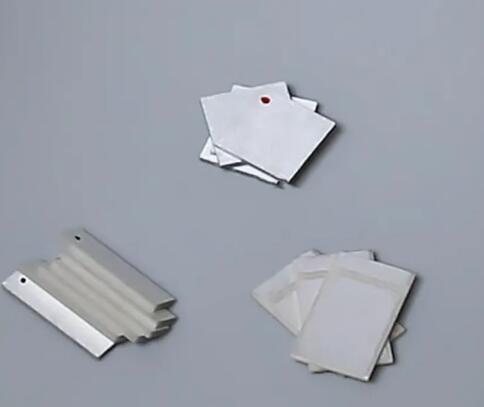
From multilayer FR-4 carrier boards to aluminum substrate backplates (MCPCB) that route thermal loads away from driving microcontrollers, our one-stop integration eliminates assembly tolerances, inter-supplier lead time friction, and signal pin mismatches.
- SMT placement down to 0201 package sizes with automated optical inspection (AOI)
- Direct attachment of stainless steel tactile snap-domes for unambiguous mechanical feedback
- Custom potting, waterproof cable terminations, and integrated connector headers
Environmental Ingress & Industrial Adhesives
Bologna's food processing, ceramic production (Sassuolo/Bologna corridor), and agricultural machinery environments introduce dust particulate, vibration, and moisture saturation. Graphic overlay assemblies must provide total IP65, IP67, or NEMA 4X boundary protection.
We deploy high-shear, moisture-resistant acrylic transfer adhesives—such as 3M 467MP, 3M 468MP, and 3M 300LSE for low surface energy plastics and powder-coated cast aluminum chassis. Laser-cut adhesive spacers and micro-gaskets create impenetrable seals around connector tails and window apertures.
- Hydrophobic venting membranes preventing internal condensation pressure
- Total shielding against EMI/RFI interference using printed silver grid layers
- Zero dead-leg bezel designs eliminating bacterial harbors in food packaging applications
Material Engineering Matrix
Comparative Evaluation: Substrates for Industrial Automation HMIs
A technical guide prepared by our engineering department to assist procurement managers and mechanical design engineers in Bologna when establishing drawing notes and RFQ specifications.
| Evaluation Parameter | Autotype Polyester (PET) | Optical Polycarbonate (PC) | Cast Acrylic (PMMA) Fascia | Aluminum Backed Membrane |
|---|---|---|---|---|
| Mechanical Flexural Life | Exceeds 5,000,000 cycles | Approx. 100,000 - 300,000 cycles | Rigid (Non-actuating display cover) | Exceeds 1,000,000 (Snap-dome matrix) |
| Chemical / Solvent Resistance | Exceptional (Resists IPA, Oils, MEK, Bleach) | Moderate (Susceptible to aromatic solvents) | Good (Susceptible to alcohol cracking) | Superior (Direct IP67 metal sealing) |
| Embossing Retention | High memory retention under temperature | Moderate (Deforms under repeated high heat) | Not applicable (Flat CNC machined) | Engineered dome cavity backing |
| Operating Temperature | -40°C to +85°C (Continuous) | -30°C to +105°C (Short excursion) | -20°C to +70°C | -40°C to +125°C |
| Primary Application in Bologna | Pharma & food packaging line consoles | General machine dashboards & indicators | Display protective cover lenses | Severe industrial automation & agritech |
Regional Market Intelligence
Emerging HMI & Interface Trends in the Bologna Industrial Corridor
How the evolution of Industry 4.0, smart diagnostics, and clean hygiene protocols are reshaping interface fabrication requirements in Northern Italy.
Capacitive Touch Overlays Behind Continuous Foils
Mechanical push buttons are steadily transitioning toward projected capacitive (PCAP) sensing surfaces. Bologna equipment manufacturers are designing seamless, uninterrupted flat glass or PET overlays that house sensor grids beneath. This eliminates mechanical crevices, allowing single-wipe sterilization in pharmaceutical cleanrooms.
Integrated IoT Sensors & Modbus Architecture
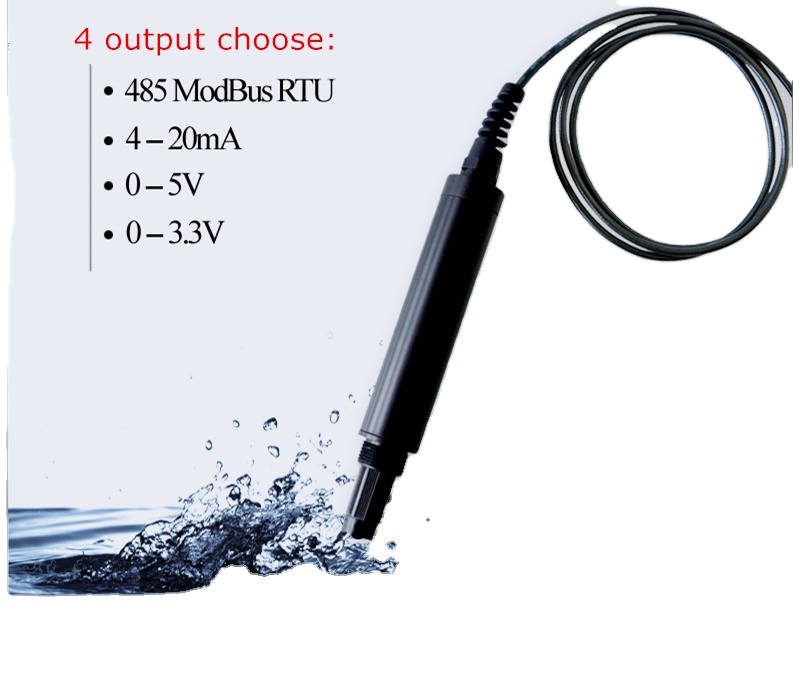
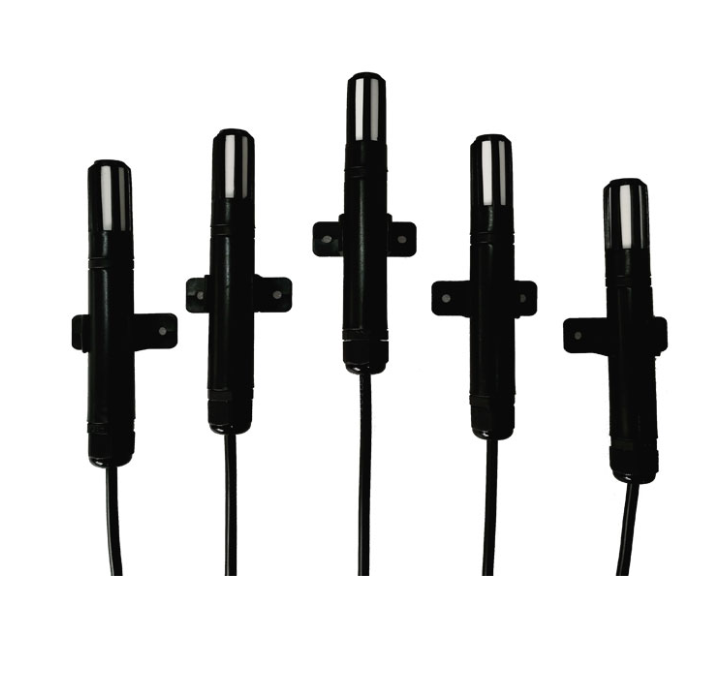
Smart factory retrofits across Bologna's machine shops integrate physical overlays with intelligent internal telemetry. Designers now require front panels that connect directly to environmental sensing probes—such as RS485 Modbus digital temperature, humidity, and level measurement transducers—providing local diagnostics right on the HMI faceplate.
Anti-Microbial & Matte Anti-Glare Surfaces
High-lumen factory floors require glare reduction to ensure rapid operator reaction and prevent misreads. Furthermore, post-pandemic regulatory revisions have increased the demand for silver-ion antimicrobial top coatings on PET films, actively inhibiting bacterial growth on operator panels deployed in sterile food processing hubs.
Factory Competence & Credentials
Why Bologna Mechanical Engineers Partner with Mivo Electronics
Combining the rapid responsiveness of the Shenzhen hardware supply chain with rigorous international testing standards and certified manufacturing practices.
Onsite-Verified Manufacturing Facility
Our Shenzhen operations have passed strict onsite verification by international inspection agencies. Operating with a specialized workforce of 51–100 technicians, we bridge early prototyping with high-capacity mass production.
Prototyping from 5 Pieces
We do not penalize pilot engineering runs or custom machinery prototypes. While traditional OEM factories mandate high minimum quantities, our PCBA and overlay pilot programs welcome builds from just 5 to 10 pieces.
Pre-Production DFM & Gerber Audits
Every submitted project undergoes strict Design for Manufacturability (DFM) verification. We audit mechanical punch lines, tactile dome spacing, adhesive vent channels, circuit layer clearances, and BOM sourcing prior to tooling release.
End-to-End Component Sourcing
Beyond screen printing and stamping, our procurement division manages component sourcing directly within the world's most dynamic electronic ecosystem, ensuring authentic parts, transparent cross-references, and zero counterfeit exposure.
Procurement Guidance
Frequently Asked Questions by Industrial Buyers in Bologna
Detailed technical and commercial answers regarding lead times, logistics, quality compliance, and engineering submissions.
What specific file formats are needed for an accurate graphic overlay & PCBA quote?
For the graphic overlay, we require vector artwork in Adobe Illustrator (.AI), PDF, or DXF/DWG format specifying PMS (Pantone Matching System) or RAL color codes, emboss outlines, and window transparency layers. For integrated electronics (membrane switch circuitry or PCBA backplates), please submit RS-274X Gerber files with drill data, Pick-and-Place (centroid) coordinates, and a complete Bill of Materials (BOM) including manufacturer part numbers.
How do you manage customs clearance, VAT, and logistics into Italy (Bologna/Emilia-Romagna)?
We provide multiple Incoterms tailored to Italian industrial importers, including EXW, FOB, and fully handled DDP (Delivered Duty Paid) via express couriers (DHL, FedEx, UPS) and air freight. Under DDP terms, all Italian customs clearance procedures, EU import duties, and standard documentation are pre-arranged, delivering parts directly to your facility in Bologna or surrounding industrial zones without clearance holdups.
Can you match custom corporate pantones and selective deadfront LED indicators?
Yes. We utilize precision spectrophotometer matching to achieve Delta E < 1.0 against specified Pantone or RAL swatches. For deadfront indicators—where warning symbols or status legends remain completely invisible until illuminated by backend LEDs—we utilize controlled semi-translucent smoke inks on the sub-surface print layer, guaranteeing high optical contrast and zero back-bleed.
What is the standard turnaround time for overlay tooling, prototypes, and mass production?
Soft tooling and laser-cut graphic overlay prototypes typically ship within 5 to 7 working days following DFM approval. Steel rule die tooling and hard mold tooling for volume production take approximately 10 to 14 days. Production batches are dispatched in 15 to 20 days depending on component availability and the testing complexity of associated PCBA modules.
Are materials compliant with EU RoHS, REACH, and CE industrial machinery standards?
All raw materials—including Autotype PET films, polycarbonate sheets, 3M pressure-sensitive adhesives, conductor inks, and SMT solder pastes—are fully certified compliant with EU RoHS (Restriction of Hazardous Substances) and REACH regulations. Certificates of Conformity (CoC) and material safety data sheets (MSDS) are provided with engineering verification samples.
Plan Your Next Industrial HMI Project with Mivo
Submit your CAD drawings, graphic artwork, or PCB Gerber files today. Our bilingual engineering team will conduct a comprehensive DFM manufacturability audit and deliver a competitive factory-direct quote within 24 hours.