Export-Grade Inventory & Subsystems
Featured Industrial Rigid PCB Hardware & Thermal Management
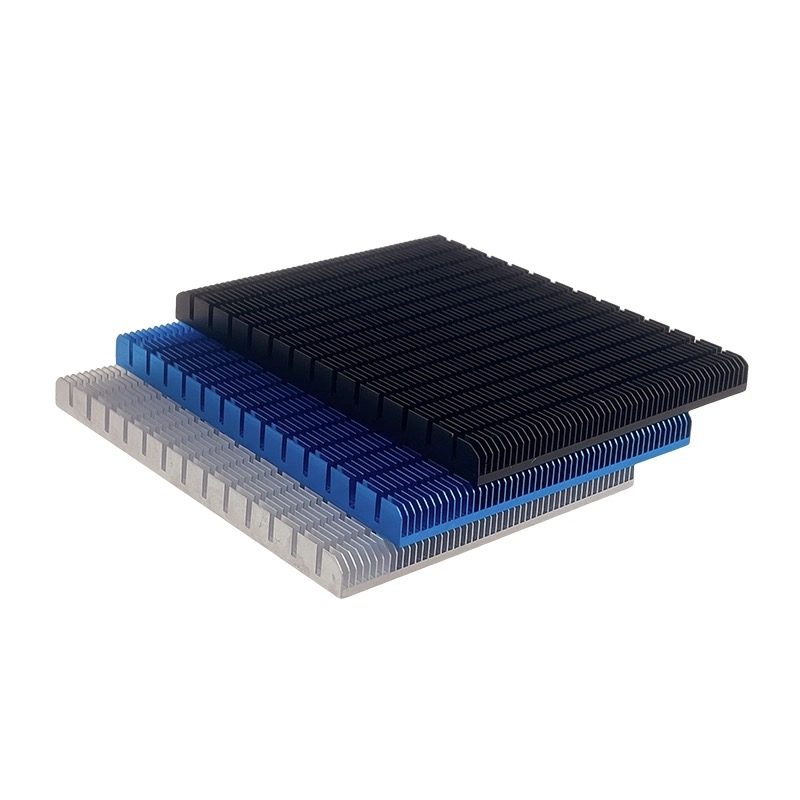
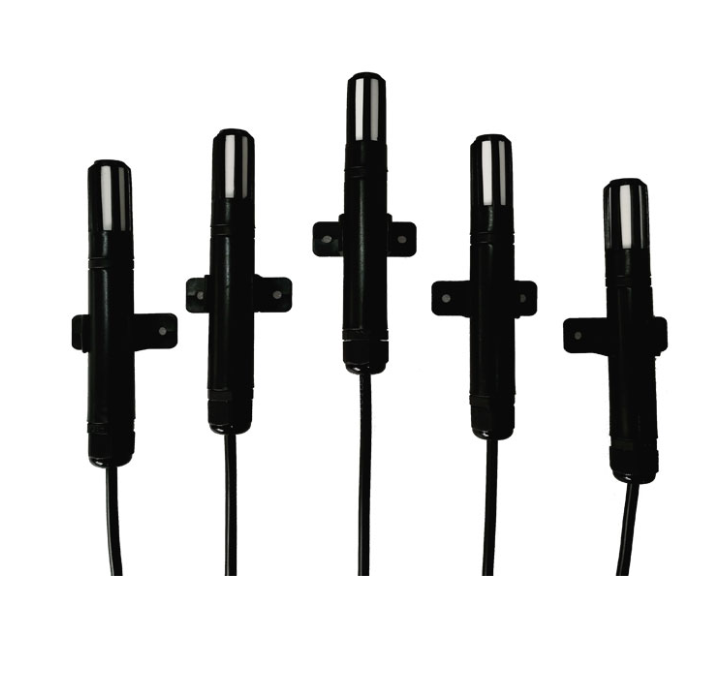
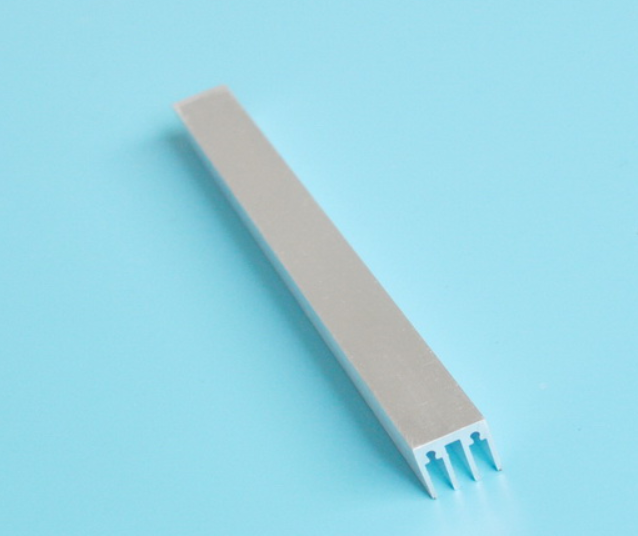
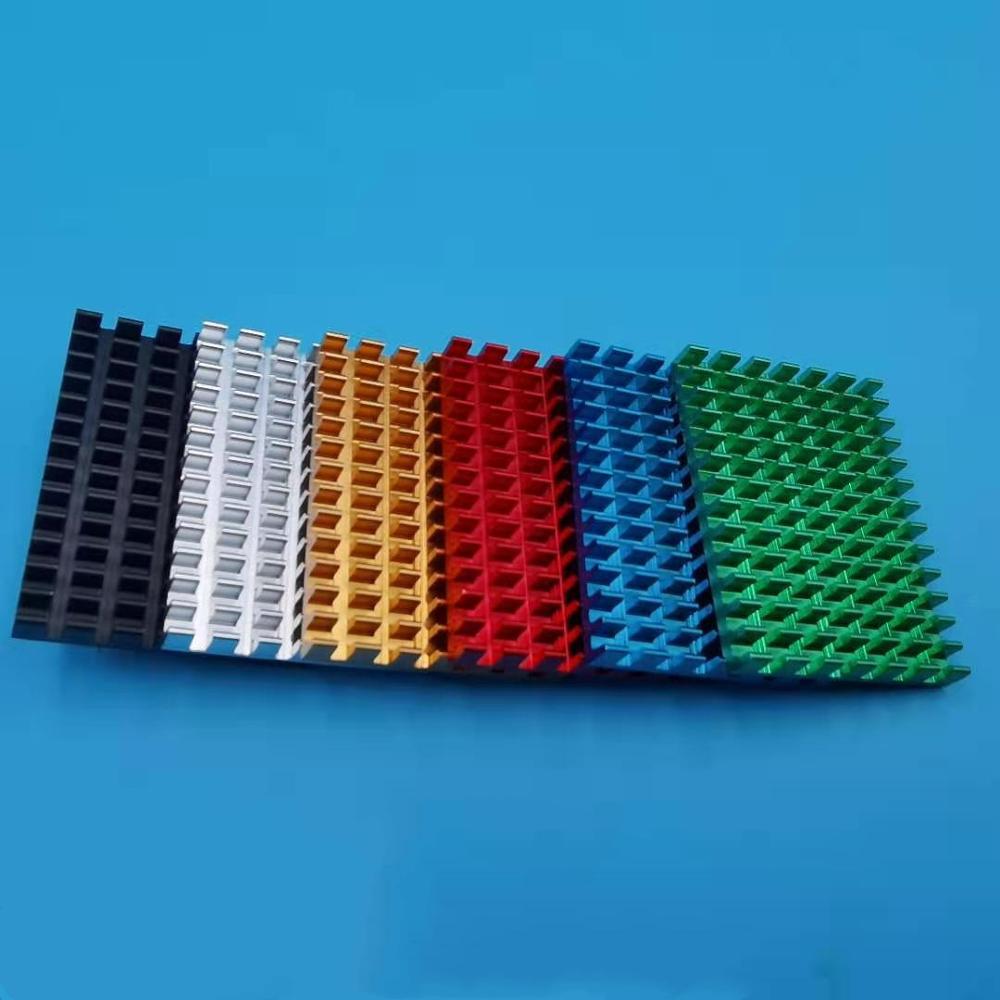
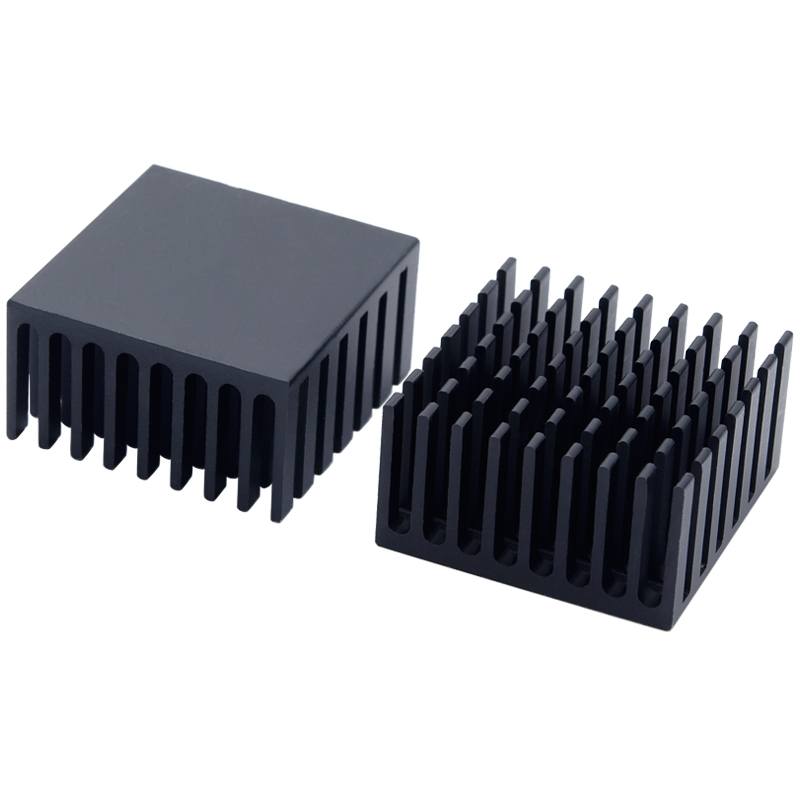
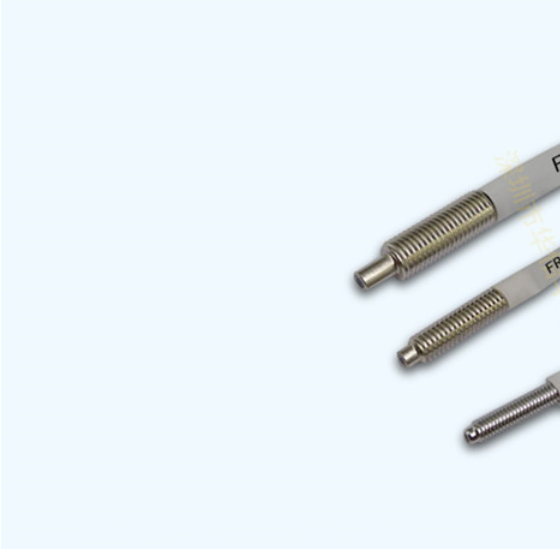
Engineered to support heavy industry, marine logistics, and harsh equatorial deployments in Port Moresby. These core thermal conductors, sensors, and structural radiators provide thermal stabilization and operational resilience across high-humidity coastal microclimates.

8+
Years International Exporting
4.7/5
Buyer Satisfaction Rating
5pcs
Low MOQ for Prototype PCBA
100%
AOI / E-Test / DFM Verified
Engineering Whitepaper
Rigid PCB Metallurgy, Substrate Architecture & Tropical Environmental Hardening
Procuring electronic assemblies and bare printed circuit boards for industrial deployment in Port Moresby, Papua New Guinea, presents engineers and procurement directors with unique operational challenges rarely encountered in temperate manufacturing environments. Located along the southern coast of the Papuan Peninsula, Port Moresby experiences an equatorial tropical maritime climate characterized by persistent relative humidity averaging between 75% and 88%, elevated ambient diurnal temperatures, intense ultraviolet radiation, and corrosive airborne marine aerosols carrying high sodium chloride (NaCl) particulate densities from the Gulf of Papua.
Standard commercial consumer electronics deployed without specialized design-for-environment (DFE) hardening frequently succumb to electrochemical migration (ECM), galvanic trace pitting, Conductive Anodic Filament (CAF) growth along woven glass dielectric micro-fractures, and rapid parasitic oxidation on exposed copper traces or subpar surface finishes. As a verified Shenzhen-based OEM/ODM rigid PCB fabricator and turnkey PCBA assembler, Shenzhen Mivo Electronics delivers enterprise-grade printed circuit solutions calibrated specifically to withstand these punishing sub-equatorial stresses.
Key Engineering Reality for PNG Importers: Moisture absorption in standard low-Tg FR-4 substrates (Tg < 135°C) degrades dielectric breakdown voltage and causes internal delamination during intermittent high-load current spikes. Specifying Mid-to-High Tg laminates (≥ 150°C to 180°C) with low moisture absorption coefficients (≤ 0.15% ASTM D570) is mandatory for long-term operational integrity across mining, telecommunications, and maritime terminals.
Material Science: Dielectric Base Laminate Selection
The structural foundation of any high-reliability rigid circuit is its dielectric core. For projects deployed across Port Moresby, Motukea Island, and the broader Central Province, Mivo Electronics utilizes verified base materials from world-class Tier-1 copper-clad laminate suppliers, including Shengyi (S1000-2 / S1170), ITEQ (IT-180A), and Isola. High glass transition temperatures (High-Tg ≥ 170°C) paired with low coefficients of thermal expansion along the Z-axis (Z-CTE ≤ 2.5% between 50°C and 260°C) guarantee that plated through-holes (PTH) maintain via-barrel ductility without micro-cracking under intense cyclic thermal loads common in off-grid solar inverters and mining heavy-machinery monitoring modules.
High-Tg Rigid FR-4
Glass-reinforced epoxy laminates featuring Tg 170°C–180°C, high decomposition temperature (Td ≥ 340°C), and resistance to CAF growth under prolonged DC bias voltages in moist tropical air.
- Dielectric constant (Dk): 4.2–4.5 @ 1GHz
- Dissipation factor (Df): 0.012–0.016
- UL94 V-0 flame-retardant rating
Metal Core (MCPCB)
Thermally optimized aluminum core rigid boards designed for high-power LED high-mast port floodlighting, solar street lighting, and high-current DC-DC motor drives in heavy industries.
- Thermal conductivity: 1.5–3.0 W/m·K
- Dielectric insulation breakdown > 3kV
- Alloy grades: 5052 / 6061 Aluminum
Heavy Copper Rigid Boards
Thick-copper rigid boards utilizing 2oz, 3oz, up to 6oz finished copper weights, engineered to distribute severe power surges across remote diesel generation and telecommunication hubs.
- Extreme current carry capacity
- Enhanced mechanical pad strength
- Superior planar heat distribution
Surface Metallurgy & Chemical Protection Against Marine Salt-Mist
In the coastal maritime district of Fairfax Harbour and the industrial docks of Motukea Port, atmospheric chloride salts act as an aggressive electrolyte when combined with humid condensation. Traditional Hot Air Solder Leveling (HASL) often leaves microscopic thickness variations and uneven pad coplanarity, which accelerates solder joint bridging on fine-pitch QFN and BGA packages while leaving exposed lead-tin alloys vulnerable to oxidation. For our Port Moresby export clients, Mivo Electronics strongly recommends Electroless Nickel Immersion Gold (ENIG) or Immersion Silver with specialized anti-tarnish treatments.
| Surface Finish Type | Coating Composition | Corrosion Resistance in Port Moresby | Shelf-Life Prior to SMT Assembly | Recommended Application Domain |
|---|---|---|---|---|
| ENIG (Electroless Nickel Immersion Gold) | Electroless Ni: 3–5 µm (120–200 µin) Immersion Au: 0.05–0.1 µm (2–4 µin) |
Exceptional. Dense gold layer prevents nickel oxidation; highly inert against marine salt air and industrial sulfur emissions. | 12 to 24 Months in hermetic moisture-barrier packaging. | High-density industrial microcontrollers, telemetry units, SMT fine-pitch BGA packages, maritime sensors. |
| Hard Gold Plating (Edge Fingers) | Cobalt/Nickel alloyed Gold ≥ 0.75 µm over 4 µm electrolytic nickel | Maximum. Impervious to continuous mechanical abrasion and marine moisture exposure. | > 36 Months | Backplane edge connectors, heavy-duty switch contacts, mining telemetry slot cards. |
| Lead-Free HASL (Sn-Cu-Ni) | RoHS compliant tin alloy molten dip: 1–25 µm | Moderate. Susceptible to surface dulling and oxidation if stored in non-climate-controlled PNG warehouses. | 6 to 9 Months | Low-cost power distribution panels, basic relay control boards, discrete through-hole assemblies. |
| Immersion Tin (ISn) | Pure tin deposit: 0.8–1.2 µm with organometallic barrier | Good. Planar surface for fine pitch; requires strict humidity control during warehouse storage to prevent whisker growth. | 6 to 12 Months | Automotive sensors, telecommunications backplanes, automated test jigs. |
Automated Conformal Coating: IPC-CC-830 & UL746E Compliance
A bare rigid circuit board, no matter how resilient the base laminate, remains vulnerable once populated with active microcontrollers, precision resistors, and analog sensing ICs. At Mivo Electronics, our turnkey PCBA facility in Shenzhen features automated selective conformal coating systems. For equipment deployed in Port Moresby’s outdoor enclosures, mining field assets, and marine wharf monitoring consoles, we apply precision moisture-barrier coatings:
We apply high-grade acrylic resins (Type AR) for rapid field servicing, silicone resins (Type SR) for extreme thermal variance in engine bays and unshaded solar stations, and two-component polyurethane (Type UR) for chemical and solvent exposure in PNG petrochemical and mineral processing facilities. Our coating processes strictly satisfy IPC-A-610 Class 2 and Class 3 workmanship criteria, ensuring complete edge coverage, zero voiding over critical solder fillets, and verified dielectric breakdown isolation.
Targeted Local Deployments
Localized Application Scenarios in Port Moresby & Surrounding Provinces
From the container wharves of Motukea Island to remote mineral transmission pipelines and municipal microgrids, Mivo Electronics OEM/ODM rigid boards power mission-critical electronics across Papua New Guinea's backbone infrastructure.
Maritime Logistics & Port Infrastructure
Port Moresby Harbour and the Motukea Island Port Facility handle PNG's largest volume of international container freight and bulk shipping. Our rigid circuit boards power shore-to-ship power converters, automated gantry crane telemetry, AIS (Automatic Identification System) maritime base stations, and cathodic protection monitoring systems. Marine-grade conformal coatings prevent salt-crust shorting in 24/7 salt-spray environments.
- Crane anti-collision ultrasonic sensor PCBAs
- Reefer container power monitoring units
- Harbour vessel telemetry & GPS transponders
Off-Grid Solar Microgrids & BESS
Given the frequent grid fluctuations and load-shedding experienced across Port Moresby and Central Province settlements, off-grid solar-diesel hybrid systems and Battery Energy Storage Systems (BESS) are essential. We manufacture heavy-copper rigid PCBAs (up to 4oz copper) for high-efficiency Maximum Power Point Tracking (MPPT) solar charge controllers, industrial pure sine-wave inverters, and battery management system (BMS) balancing nodes.
- Lithium LiFePO4 cell balancing boards
- High-surge industrial inverter drivers
- Smart grid load-shedding control telemetry
Telecommunications & Remote RTUs
Telecommunications operators (such as Digicel, Telikom PNG, and Vodafone PNG) rely on remote mountain-top microwave repeaters and cellular towers across the National Capital District and Owen Stanley Range. Mivo Electronics supplies High-Frequency rigid FR-4 and Rogers hybrid PCBAs designed for low RF signal loss, robust lightning-surge clamping, and temperature-stabilized transmitter power amplifiers.
- Microwave transceiver RF rigid boards
- Surge protection and transient clamp modules
- Remote Telemetry Units (RTU) with 4G/LTE fallback
Mining, Quarrying & Oil/Gas Telemetry
Port Moresby functions as the primary logistical and engineering coordination hub for PNG's extractive giants (including Ok Tedi, Porgera, and PNG LNG pipeline operations). We manufacture industrial instrumentation rigid boards incorporating PT100 temperature probes, piezoelectric vibration sensors, and diffuse optical switches capable of surviving severe operational shock, continuous mechanical vibration, and wide thermal cycling.
- Ex-proof certified sensor interface boards
- Heavy slurry pump vibration monitoring PCBAs
- Hydraulic pressure & flow rate digital telemetry
Strategic Industrial Outlook
Industrial Modernization & Procurement Trends Across Papua New Guinea
How the PNG Vision 2050 framework, infrastructure digitization, and shifts toward direct Asian manufacturing partnerships are reshaping electronics supply chains in the National Capital District.
The electronics procurement landscape in Port Moresby is currently navigating a major structural transformation. Historically, local engineering contractors, mining support firms, and telecommunications integrators procured replacement assemblies and electronics hardware through Australian secondary distributors. This legacy procurement corridor incurred substantial logistics markups (frequently exceeding 40% to 70%), multi-week transshipment delays through Brisbane or Cairns, and limited engineering flexibility for custom hardware modifications.
Today, forward-thinking procurement managers across Port Moresby are bypassing intermediary trading entities in favor of direct, verified manufacturing relationships with Shenzhen's electronics ecosystem. Driven by Papua New Guinea’s aggressive national infrastructure projects—such as the Connect PNG Economic Road Development Program, the revitalization of municipal utility grids, and the electrification of peri-urban settlements—the demand for high-reliability, custom-engineered rigid PCBs and assembled controller modules has surged.
Transition to Turnkey Electronics Sourcing
Rather than importing bare boards and hand-soldering components locally where skilled electronics rework labor is scarce and expensive, Port Moresby enterprises are standardizing on 100% turnkey PCBA. By having Mivo Electronics handle bare board fabrication, Shenzhen market component procurement, automated SMT/THT assembly, and functional testing, PNG buyers receive ready-to-mount box-build electronic modules.
Adoption of Modular Microgrid Architectures
PNG Power Limited's ongoing grid stabilization initiatives have spurred heavy private investment in decentralized commercial microgrids across Port Moresby's industrial suburbs (such as Gordons, Badili, and Gerehu). Rigid PCB designs optimized for dual-source power switching, smart metering, and bi-directional inverter control are experiencing unprecedented compound annual demand growth.
Decentralized IoT & Environmental Monitoring
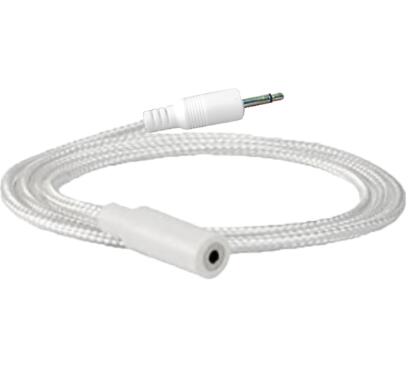
With high exposure to natural geological events, tropical rainstorms, and tidal movements, municipal authorities and industrial operators in the National Capital District are deploying localized sensor networks. These systems require low-power, robust rigid circuit boards mated with digital humidity sensors (such as the SHT30/SHT31) and water leak sensing cables to protect telecommunications bunker facilities and server rooms.
Furthermore, local engineering contractors are establishing higher benchmarks for supplier accountability. Where non-verified digital vendors once provided inconsistent trace geometries and unpredictable delivery timetables, Port Moresby buyers now demand onsite-verified manufacturing credentials, full material traceability certificates (RoHS, REACH, UL), and transparent engineering DFM (Design for Manufacturability) design feedback prior to copper etching.
Procurement & Logistics FAQ
Frequently Asked Questions for Port Moresby Importers
Clear, transparent answers regarding customs duties, air/sea freight logistics, tropical hardening, and minimum order requirements for Papua New Guinea procurement teams.
How are electronics and bare PCBs cleared through PNG Customs at Port Moresby?
Shipments entering Port Moresby (via Jacksons International Airport or Motukea Sea Port) are administered by the Papua New Guinea Customs Service (PNGCS) under the Harmonized System (HS) tariff classification. Bare printed circuit boards typically fall under HS Code 8534.00.00 (Printed Circuits), while assembled electronic modules fall under HS Code 8543.70.00 or specific sub-headings depending on end-use application (e.g., telecommunication, power conversion).
All commercial imports are subject to the standard 10% Goods and Services Tax (GST) calculated on the CIF (Cost, Insurance, and Freight) value. Most bare PCBs and computer/telecommunication modules enjoy 0% to 5% import duty rates under PNG's industrial modernization tariff schedules. Mivo Electronics provides fully compliant commercial invoices, packing lists with net/gross weights, and Certificate of Origin (COO) documentation to guarantee frictionless clearance through local customs brokerage agents in Port Moresby.
All commercial imports are subject to the standard 10% Goods and Services Tax (GST) calculated on the CIF (Cost, Insurance, and Freight) value. Most bare PCBs and computer/telecommunication modules enjoy 0% to 5% import duty rates under PNG's industrial modernization tariff schedules. Mivo Electronics provides fully compliant commercial invoices, packing lists with net/gross weights, and Certificate of Origin (COO) documentation to guarantee frictionless clearance through local customs brokerage agents in Port Moresby.
What are the typical shipping lead times and freight routes from Shenzhen to Port Moresby?
We provide two primary shipping channels tailored to client urgency and cargo volume:
1. Air Express Cargo (DHL / FedEx / Air PNG Freight): Transit duration from our Shenzhen factory to Jacksons International Airport (POM) is typically 4 to 7 business days via direct regional air hubs (Hong Kong, Singapore, or Manila). This method is ideal for high-priority prototypes, time-critical replacement mining controllers, and low-volume production runs (under 100 kg).
2. Ocean Freight (FCL / LCL Container Lines): Sea cargo departing Shenzhen's Shekou or Yantian deepwater ports to Motukea Island Port (Port Moresby) typically requires 18 to 26 days water transit, depending on transshipment routing. Ocean freight provides the lowest landed cost for bulk commercial enclosures, heavy-copper power boards, and high-volume transformer/motor assemblies.
How does Mivo Electronics ensure rigid PCBs do not fail in Port Moresby's high humidity?
Our tropical hardening protocol incorporates multi-stage manufacturing safeguards:
- Low-Moisture-Absorption Base Materials: We utilize High-Tg FR-4 copper-clad laminates from Shengyi and ITEQ with moisture absorption metrics under 0.15%, preventing internal dielectric breakdown.
- Corrosion-Proof Surface Metallurgy: We standardize on Electroless Nickel Immersion Gold (ENIG with 2-4 micro-inches of immersion gold over 120-200 micro-inches of electroless nickel) to eliminate pad corrosion.
- Automated Conformal Coating: Populated PCB assemblies undergo automated selective spray coating with IPC-CC-830 certified moisture/fungal-resistant silicone or polyurethane coatings.
- Vacuum Hermetic Packaging: Finished boards are sealed in heavy-duty ESD vacuum moisture-barrier bags (MBBs) with desiccant packets and cobalt-free relative humidity indicator cards (HIC) to ensure they arrive in factory-pristine condition.
What is your Minimum Order Quantity (MOQ) for custom rigid PCB and turnkey PCBA orders?
We understand that industrial operations in Port Moresby often require low-volume, high-mix custom boards rather than tens of thousands of consumer units. For turnkey PCB assembly (PCBA), our MOQ starts from just 5 pieces for engineering prototypes, functional testing batches, and field replacements. Bare rigid PCB fabrication runs start at 50 to 100 pieces, while catalog components and sensors feature flexible minimums ranging from 10 to 100 units depending on the part geometry.
What engineering files do you require to generate a formal DFM review and production quote?
To provide an accurate engineering quote and comprehensive Design for Manufacturability (DFM) review within 24 hours, please supply:
- Gerber Files: Standard RS-274X or ODB++ format including all copper layers, solder mask, silkscreen, drill files (NC Drill), and board outline.
- Bill of Materials (BOM): Formatted in Excel with manufacturer part numbers (MPN), reference designators, component descriptions, package footprints, and designated second-source alternatives.
- Pick-and-Place (Centroid) Data: X-Y coordinates, component rotation, and board side for automated SMT line programming.
- Special Instructions: Desired finished copper thickness (e.g., 1oz, 2oz, 3oz), surface finish (ENIG, Lead-Free HASL), solder mask color, impedance control tolerances, and conformal coating zones.
Can Mivo Electronics source hard-to-find components or suggest alternatives for obsolete parts?
Yes. Situated directly within Shenzhen—the epicenter of the global electronics component supply chain—our procurement team maintains direct distributor agreements with authorized global agents (Arrow, Digi-Key, Mouser, Avnet) and verified original manufacturers across Asia. If a part on your BOM faces extended factory lead times or obsolescence, our senior hardware engineers formulate pin-compatible, functionally equivalent cross-reference alternatives. We submit complete comparative datasheets and never alter a bill of materials without your written engineering approval.
Enterprise Superiority
Shenzhen Mivo Electronics: Your Verified Manufacturing Partner
Direct factory control, stringent quality verification, and transparent engineering execution. We eliminate supply chain middlemen to deliver uncompromised electronics reliability to Port Moresby.
Onsite-Verified Manufacturing Facility
Shenzhen Mivo Electronics Co., Ltd. is not an anonymous trading broker. Our production premises have passed strict onsite verification by international inspection agencies and Alibaba.com auditors. Our facility features modern automated SMT placement lines, 8-zone reflow ovens, AOI optical scanners, and specialized testing rigs.
- Established in 2016 in Shenzhen, China
- 51–100 skilled production technicians & engineers
- 8 consecutive years as a top-tier verified exporter
End-to-End Quality Inspection Architecture
Every rigid PCB and completed PCBA module undergoes comprehensive electrical and physical validation prior to packing. We employ Automated Optical Inspection (AOI), Flying Probe electrical continuity and isolation testing, X-Ray BGA solder joint void analysis, and customer-specified in-circuit functional testing (FCT).
- IPC-A-600 Class 2 & Class 3 bare board inspection
- IPC-A-610 Class 2 & Class 3 assembly standards
- 100% trace continuity and high-voltage dielectric testing
Seamless Cross-Border Export Execution
We take full ownership of the international logistics journey. From professional moisture-barrier ESD vacuum sealing to full commercial export customs filing, airway bill tracking, and coordination with Port Moresby freight forwarders, we eliminate the friction of international trade for engineering teams in PNG.
- Direct air express delivery to POM Jacksons Airport
- Ocean container consignments to Motukea Island Port
- Transparent, factory-direct CIF / DDU pricing quotes
Our 6-Stage Turnkey Engineering Workflow
01. Gerber & BOM DFM Review
Our senior CAM engineers audit trace widths, annular rings, solder mask clearances, and component footprints to eliminate manufacturing defects before copper is etched.
02. Direct Component Sourcing
We procure authentic components strictly according to your BOM via authorized franchise distributors and verified manufacturer factory channels in Shenzhen.
03. Rigid Board Fabrication
Bare boards are processed through laser direct imaging (LDI), automated etching, CNC drilling, electroplating, and precision solder mask application to exact stack-up specs.
04. High-Precision SMT & THT
High-speed pick-and-place machines position 0201 passives, micro-BGAs, and complex ICs, followed by multi-zone nitrogen reflow and selective through-hole soldering.
05. Environmental Hardening
Selective robotic conformal coating applies acrylic or silicone protective barriers across critical circuits to seal assemblies against Port Moresby's humid salt air.
06. AOI, FCT & Vacuum Packaging
Following automated optical inspection and customer-provided firmware flashing/functional testing, boards are vacuum-sealed in ESD bags for rapid international shipment.