Specialized Electronics & Assemblies Engineered for Severe Service
Direct from our manufacturing hubs: High-thermal dissipation modules, precision RTDs, telemetry transducers, and harsh-environment assemblies deployed across Texas oilfield instrumentation, industrial automation, and utility infrastructure.
Engineering Resilient Electronics for the Greater Houston Industrial Frontier
A comprehensive analysis of design for manufacturing (DFM), extreme environmental demands, and agile PCB manufacturing architectures serving Texas engineering teams.
The Greater Houston metropolitan area—anchored by the Energy Capital of the World, the Houston Ship Channel petrochemical complex, the Texas Medical Center, and the expanding aerospace corridor around the NASA Johnson Space Center—represents one of the most demanding electronics procurement hubs globally. OEM hardware engineers operating within this market face operational variables that render conventional commercial-grade printed circuit board assemblies wholly inadequate.
Whether an assembly is destined for an onshore hydraulic fracturing rig in the Permian Basin, a subsea manifold control pod in the deepwater Gulf of Mexico, or an autonomous sub-assembly navigating Houston's dense chemical refining corridors, the baseline engineering requirement is uncompromising: absolute operational reliability under severe vibration, chemical exposure, and elevated thermal cycles.
Shenzhen Mivo Electronics Co., Ltd. addresses this demanding geographic sector not merely as a contract manufacturer, but as an integrated overseas fabrication and assembly partner. Operating as an onsite-verified manufacturer established in 2016, our engineering teams bridge the gap between initial low-volume rapid prototyping (from 5 pieces) and scalable volume delivery. We leverage our direct physical presence within Shenzhen’s elite electronics component supply chain to mitigate component obsolescence, provide transparent bill of materials (BOM) cross-referencing, and deliver rigorous surface mount technology (SMT) alongside custom electro-mechanical sub-assemblies.
Modern downhole Measurement While Drilling (MWD) and Logging While Drilling (LWD) telemetry devices require high-Tg FR-4, polyimide flex, or ceramic/aluminum core substrates capable of sustaining operating ambient temperatures exceeding 150°C to 175°C. Concurrently, thermal cycling induced by pulsed power stages requires meticulous copper balance across multilayer stack-ups, precise blind and buried via plating, and defect-free solder joint geometries conforming to IPC-A-610 Class 3 standards.
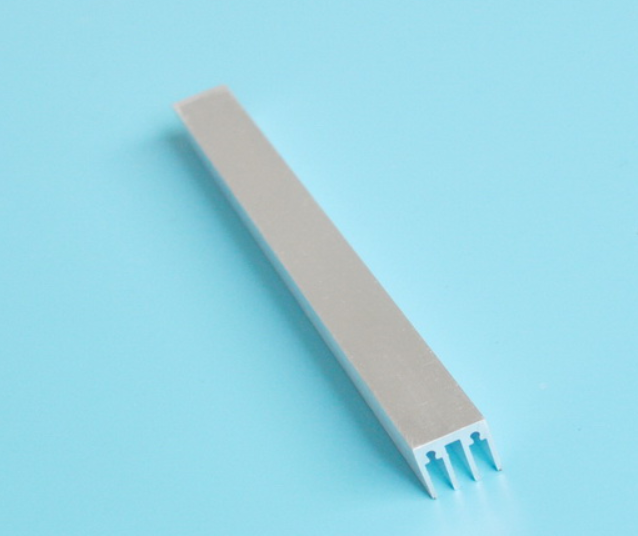
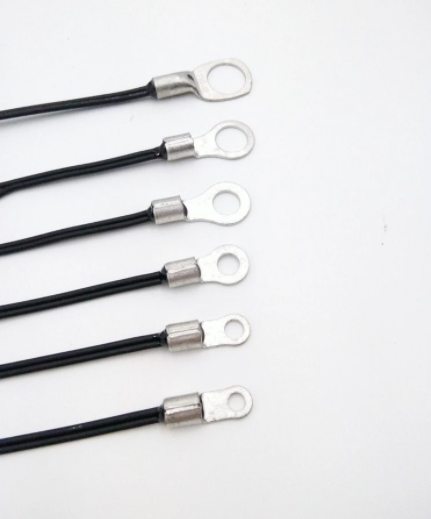
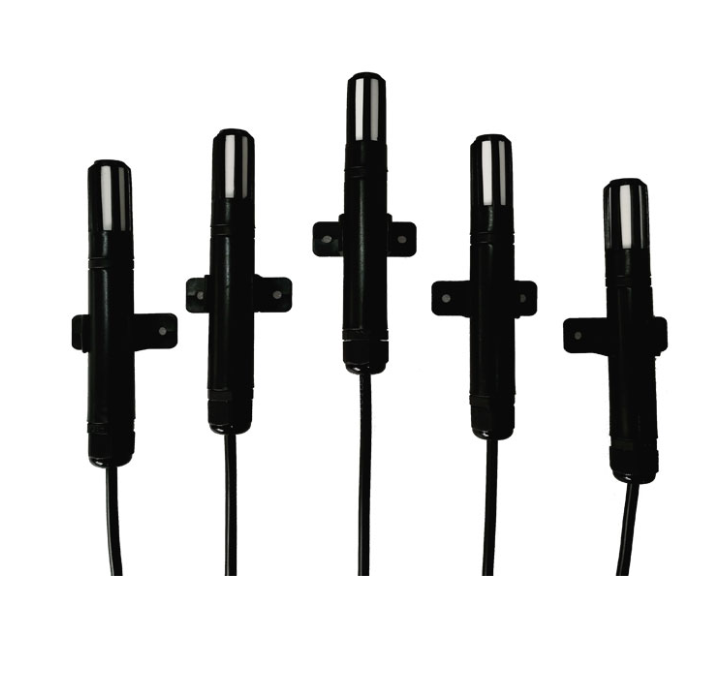
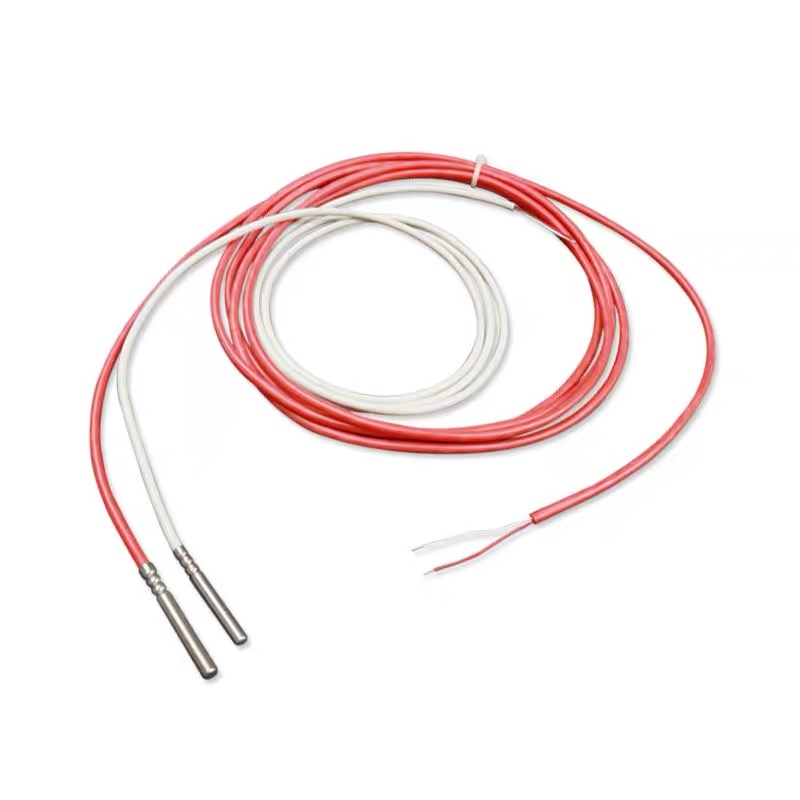
By pairing high-density multilayer PCB manufacturing with custom-calibrated sensors—such as our PT100/PT1000 platinum RTDs, waterproof SHT30/SHT31 environmental probes, and aluminum heat-sink extrusions—we provide Houston hardware developers with unified, turn-key solutions. Instead of coordinating three fragmented entities (a board fab shop, an independent SMT house, and an electromechanical assembly contractor), Houston buyers engage a singular, audited engineering workflow designed to accelerate product time-to-market while compressing unit landed costs.
Our agile export framework is engineered to align seamlessly with freight consolidations into George Bush Intercontinental Airport (IAH) and sea-freight corridors into Port Houston, giving engineering teams complete control over lead times, inventory safety stock, and rapid-turn revision spins.
Houston Localized Application Scenarios
Specific hardware deployment environments where our PCBA architectures and custom sensors excel across the Texas Gulf Coast industrial corridor.
Upstream Downhole & Wellhead Monitoring
Harsh ambient temperatures, continuous downhole shock, and harmonic drill-string vibrations dictate circuit durability.
- High-Tg (>170°C) polyimide and rigid-flex multilayer assemblies
- Embedded thermocouple connectors and PT1000 RTD sensor interfaces
- Underfill and specialized potting encapsulation for high-G load survivability
- Strict AOI and X-ray validation for BGA/QFN solder void mitigation
Downstream Refining & Petrochemical SCADA
Refineries along the Houston Ship Channel demand corrosion-resistant, intrinsic-safety-compliant electronics hardware.
- DTS-600 RS485 Modbus turbidity and liquid condition telemetry interfaces
- Conformal coating (silicone, acrylic, or parylene) resisting H2S airborne attack
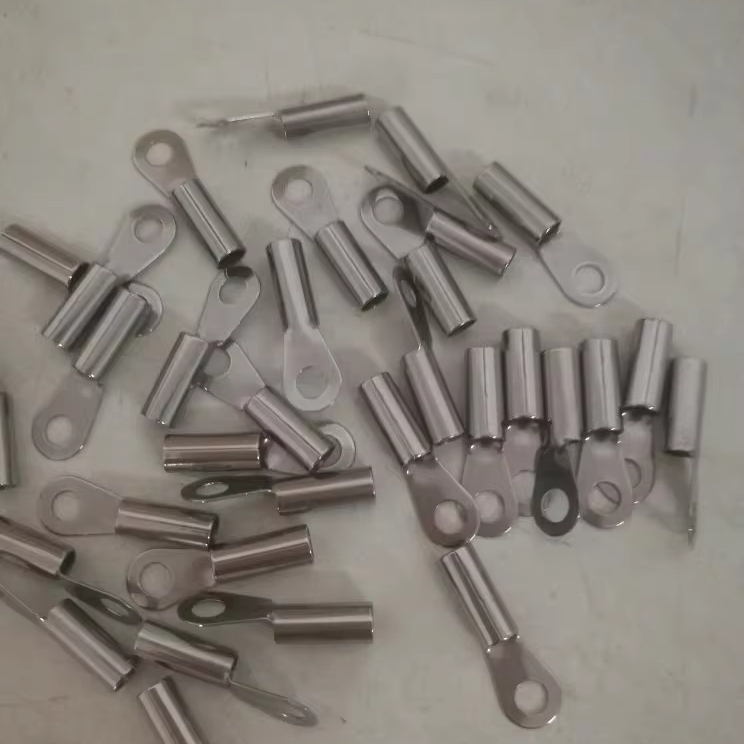
- Stainless steel lug probe assemblies for high-pressure pipeline temperature control
- High-yield multi-channel analog signal acquisition PCBs with low drift
Texas Grid BESS & New Energy Systems
Utility-scale Battery Energy Storage Systems (BESS) installed across ERCOT require thermal runaway prevention.
- Automotive NTC 100K thermistor probes fitted to battery cell busbars
- Thick-copper (2oz–4oz) power distribution and inverter gate driver boards
- Extruded comb aluminum heat sinks dissipating high heat flux densities
- Cell management mainboards with integrated CAN-bus communication
Medical Diagnostic & TMC Lab Equipment
Contract assemblies for innovators affiliated with the Texas Medical Center research hub.
- Ultra-fine pitch SMT placement down to 01005 passives and 0.3mm BGA
- High-signal-to-noise photodiode sensor boards and optical detection links
- Sealed, tactile industrial membrane switch interfaces for sterile consoles
- Complete device box-build assembly with custom harness routing
Municipal Flood, Drainage & Water Utilities
Submersible sensors deployed for stormwater management across Harris County watershed networks.
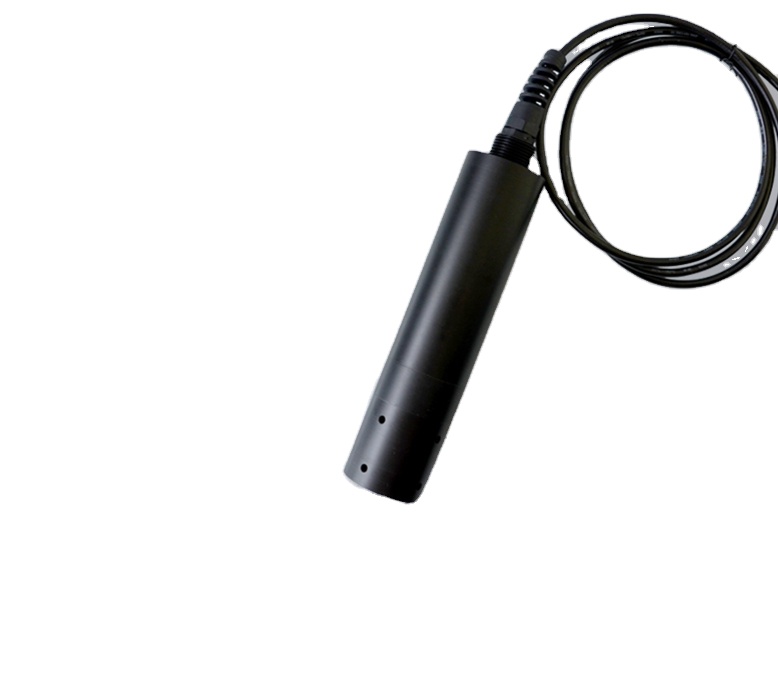
- Down-well ultrasonic level meters with UART/PWM telemetry logic
- Water-ingress sealed cable assemblies rated for prolonged immersion
- Solar-powered low-quiescent-current wireless remote terminal units (RTUs)
- Robust lightning surge protection circuits integrated directly on-board
Emerging Technology Trends in the Greater Houston Market
How the shift toward digital oilfield automation, industrial decarbonization, and smart infrastructure influences electronics component selection and substrate architecture.
| Houston Industry Trend | Core Technical Bottleneck | Mivo Electronics Engineering Solution | Operational Impact |
|---|---|---|---|
| Edge-AI Oilfield Automation Deploying edge inference models directly at remote wellheads without cloud latency. |
Extreme ambient heat (exceeding 105°F surface air) causing thermal throttling on high-power microprocessors. | Metal Core PCBs (MCPCB) combined with custom extruded aluminum radiators and high-Tg FR-4 thermal vias. | Zero computational throttling in unconditioned field enclosures; MTBF extended by >42%. |
| Subsea Infrastructure Electrification Replacing traditional hydraulic control umbilicals with all-electric subsea actuators. |
Micro-voids in solder joints fracturing under cyclic hydrostatic pressures and repetitive mechanical shock. | Vacuum reflow soldering techniques achieving voiding <8% across all power MOSFETs and QFN footprints; Class 3 inspection. | Prevents costly deepwater interventions and unplanned well shut-ins. |
| Hydrogen & CCUS Facility Expansion Massive capital investments in carbon capture and clean hydrogen synthesis along the Gulf Coast. |
Rapid embrittlement of sensing probes and chemical degradation of standard copper PCB traces by corrosive gases. | 201/316 stainless steel probe housings, hermetic silicone sealing, and ENIG/hard gold surface board finishes. | Stable, continuous gas and liquid telemetry in hazardous classified zones. |
| BESS Rapid Deployment Across ERCOT Battery banks installed to stabilize localized grid spikes and intermittent wind/solar generation. |
Thermal runaway propagation across multi-megawatt battery stacks due to delayed temperature anomaly detection. | High-response B4150 NTC thermistor harness assemblies combined with high-precision SHT30/31 environmental arrays. | Millisecond-grade thermal tracking; proactive disconnect alerts to fire suppression systems. |
A primary driver for Houston hardware procurement teams is the transition from prototype validation to volume manufacturing without incurring crippling redesign cycles. Often, initial prototypes are hand-assembled or built using commercial-grade parts that face supply-chain obsolescence when volume ramps occur. Mivo Electronics counters this vulnerability during the initial Gerber and BOM review stage. Our engineering team performs a thorough Design for Manufacturability (DFM) and Design for Assembly (DFA) audit before cutting copper.
By auditing component availability directly inside Shenzhen's component ecosystem, we verify that active parts have projected lifecycle longevity. If an engineer specifies an IC facing a 52-week lead time, we recommend functional drop-in equivalents or pin-compatible alternatives, obtaining written sign-off before assembling a single board. This transparency protects Houston startups and tier-one defense/energy contractors alike from costly architectural redesigns.
Enterprise Strengths: Bridging Shenzhen Agility with North American Quality
Why procurement managers and hardware design teams across Texas rely on Mivo Electronics as their offshore PCBA manufacturing partner.
Onsite-Verified Manufacturing Facility
Direct ownership of production means transparent accountability. Our operations have undergone rigorous onsite evaluations by third-party inspection firms.
- Modern Shenzhen production footprint (51–100 employees)
- No intermediary trading markups; direct factory pricing
- 8+ consecutive years serving international B2B export clients
- 4.7 / 5.0 verified client satisfaction track record
True One-Stop Ecosystem Architecture
Consolidate your hardware supply chain under a single accountable engineering entity, eliminating blame-shifting between suppliers.
- Bare PCB fab: Multilayer FR-4, MCPCB, and Flexible circuits
- Laser-cut electro-polished SMT stencils for precise solder deposits
- In-house custom sensors: RTDs, thermocouples, and optical modules
- Custom mechanicals: CNC & extruded aluminum heat sinks
Radical Flexibility: Low MOQ to Volume Runs
We respect the development cycle of industrial equipment. Prototype validation should not require high minimum lot commitments.
- Turnkey PCBA prototypes starting from just 5 pieces
- Custom sensors and wiring harnesses from 10 pieces
- Scalable SMT lines delivering tens of thousands of units monthly
- Rapid re-order turnover for recurring maintenance contracts
Frequently Asked Questions by Houston Buyers
Clear, direct answers regarding customs, logistics, compliance standards, and lead-time optimization for Texas engineering companies.
Q1 What shipping methods and transit times apply to shipments to Houston, TX?
For rapid prototypes and urgent engineering spins, we ship door-to-door via DHL, FedEx, or UPS Priority, arriving in Houston (IAH) within 3 to 5 business days. For volume production orders, we coordinate air cargo or sea freight directly through Port Houston, handling complete export packing with anti-static shielding and desiccants.
Q2 Can you manufacture according to IPC-A-610 Class 3 specifications?
Yes. While standard commercial products follow Class 2, our SMT and THT assembly lines frequently produce to Class 3 standards for oilfield instrumentation, downhole tools, and aerospace customers. This includes high-precision Automated Optical Inspection (AOI), X-ray inspection for leadless ICs, and comprehensive thermal profiling.
Q3 How do you manage electronic component counterfeit risks and traceability?
We procure directly from franchised distributors and original semiconductor manufacturers in our Shenzhen supply chain. Every BOM item is checked against manufacturer part numbers (MPNs), date codes, and certificates of conformance. We never substitute parts without explicit written engineering approval.
Q4 What documentation is required to receive a comprehensive turnkey quote?
To initiate our DFM and quotation process, please provide: Gerber files (RS-274X format) with drill data, a detailed BOM including manufacturer part numbers and reference designators, a centroid (pick-and-place) file, and any specific testing instructions or firmware flashing routines.
Q5 Can you assemble custom sensor probes and wire harnesses with the boards?
Yes. That is one of our primary competitive advantages. In addition to assembling circuit boards, we build PT100/PT1000 probes, NTC sensors, stainless steel housings, ultrasonic level meters, and custom silicone or Teflon-insulated wiring harnesses to complete your electro-mechanical sub-assembly.
Q6 How do you assist with U.S. customs entry and tariff classifications?
Our export documentation provides clear Harmonized Tariff Schedule (HTS) codes, commercial invoices, and packing declarations to ensure smooth customs clearance through U.S. Customs and Border Protection at Houston ports of entry, avoiding clearance delays.
Ready to Accelerate Your Houston Hardware Project?
Send our senior engineering team your Gerber files, BOM, or mechanical drawings today. We provide comprehensive DFM evaluations and competitive turnkey pricing within 24 hours.
Get a Quote