Precision Hardware & Subsystems for Wellington Engineering Teams
Direct supply of precision RTD temperature transducers, ultrasonic telemetry transceivers, extruded alloy heatsinks, and diffuse optoelectronic sensors engineered to integrate seamlessly into Wellington hardware builds.
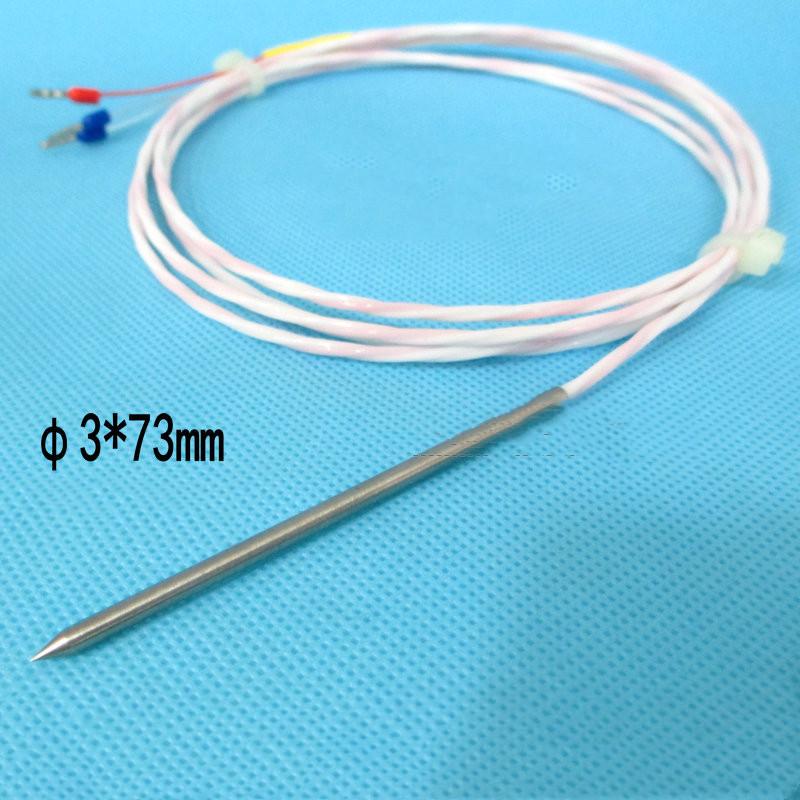
Needle-point penetration RTD sensor engineered for food-grade processing, soil science, and laboratory testing throughout the Greater Wellington Region.
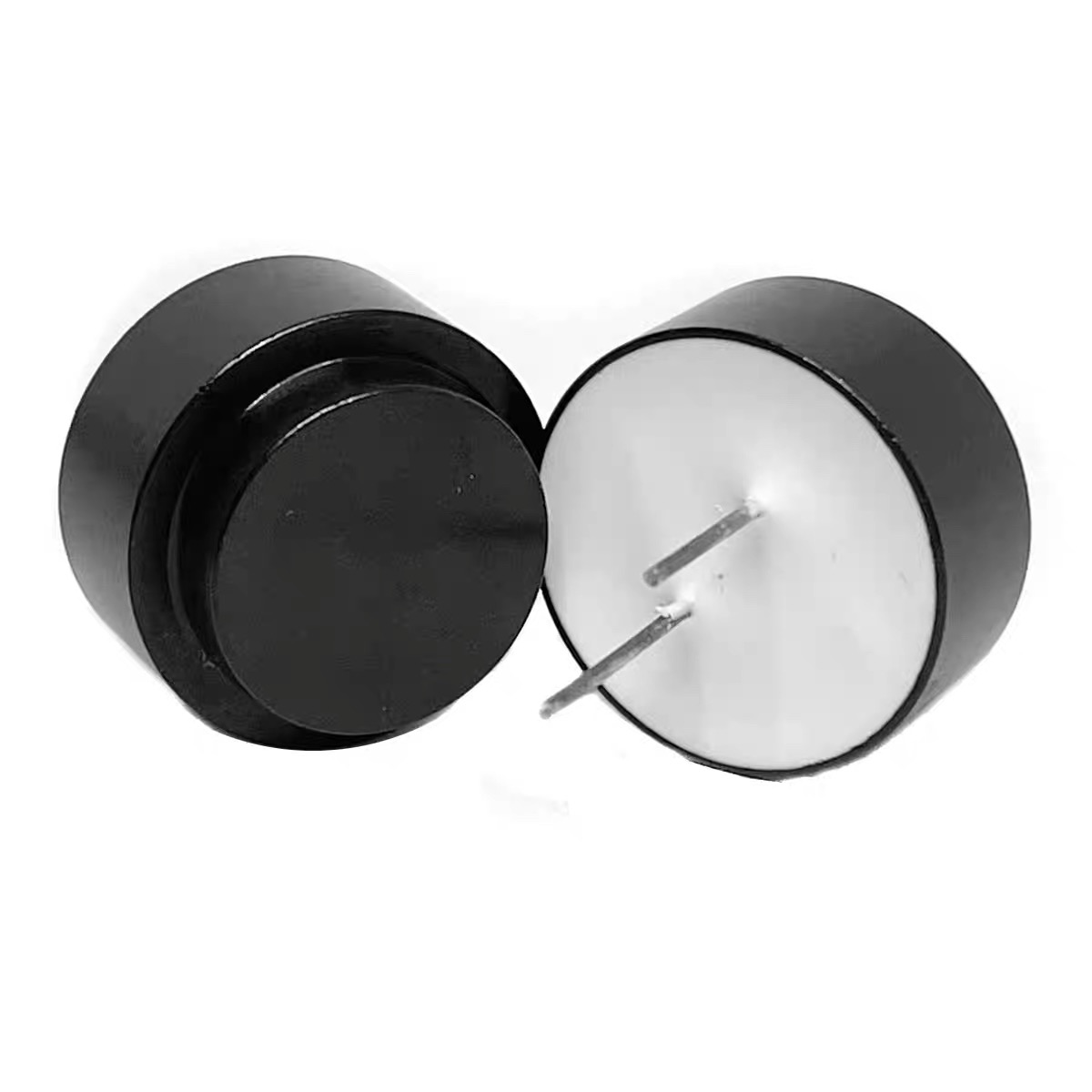
Hermetically sealed transducer designed for municipal stormwater monitoring, marine obstacle detection, and smart harbor asset management.
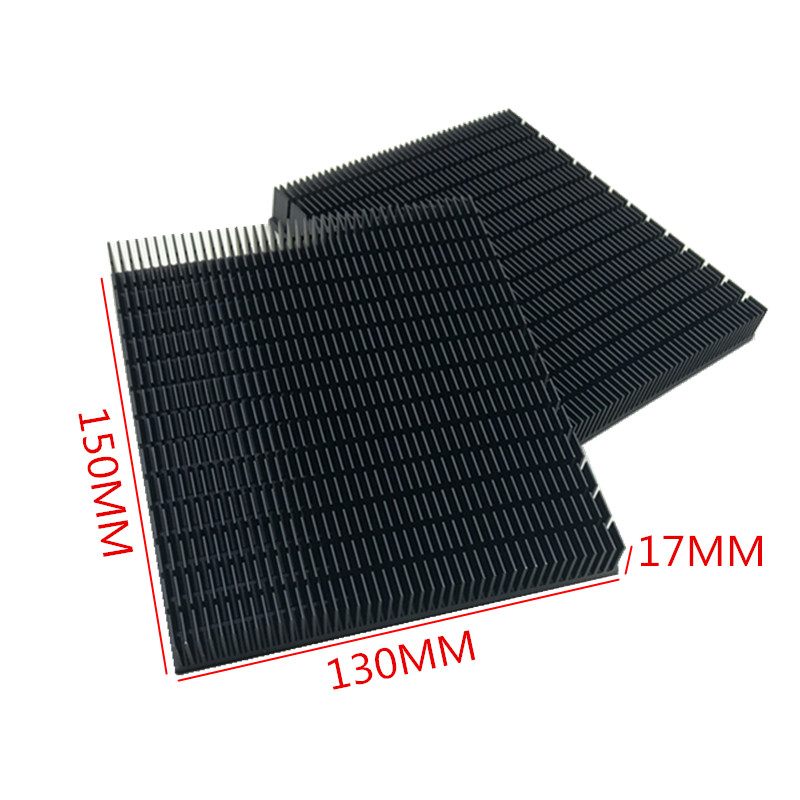
High-aspect-ratio grooved radiator for power electronics, clean-tech converters, and heavy-duty industrial driver enclosures.
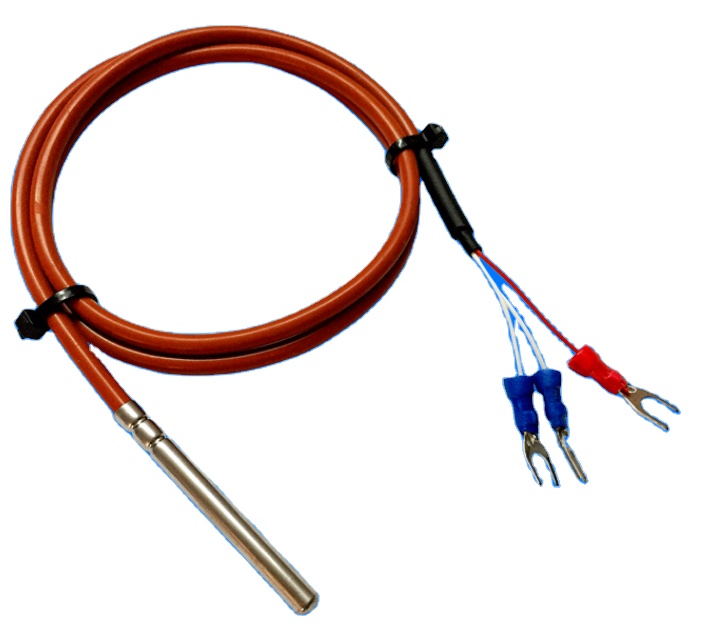
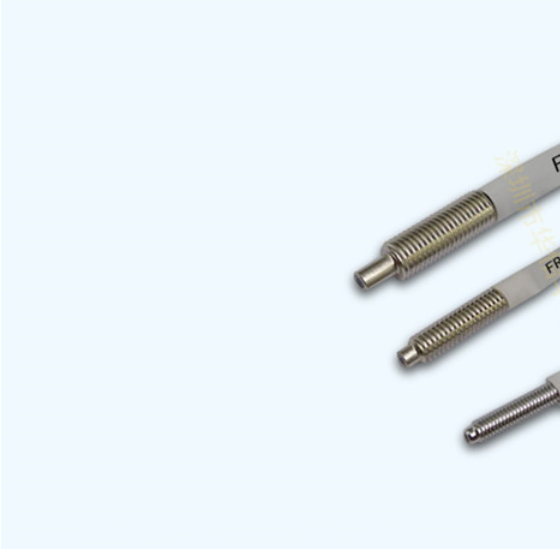
Silicone-jacketed, waterproof, oil-resistant probe built to withstand saline marine environments and industrial cleanrooms.
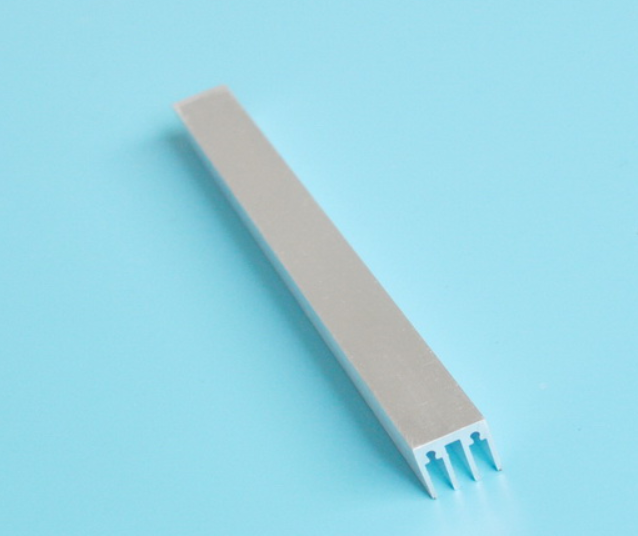
Linear comb profile extrusion delivering passive cooling for commercial architectural illumination and horticultural strip lighting.
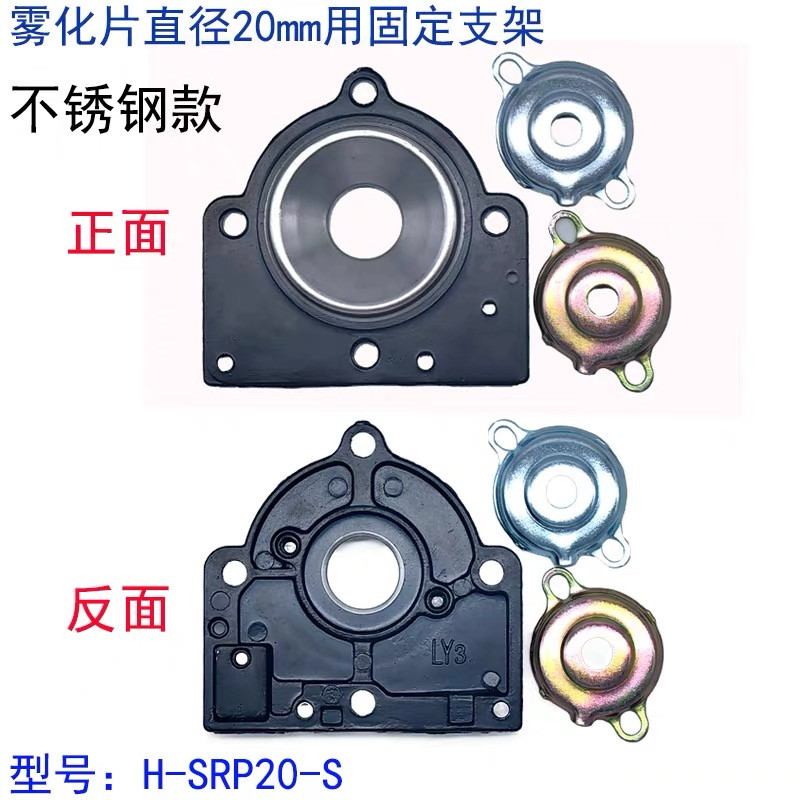
Corrosion-resistant stainless mounting hardware and aluminum heatsink base for ultrasonic mist generators and biosecurity sanitation.
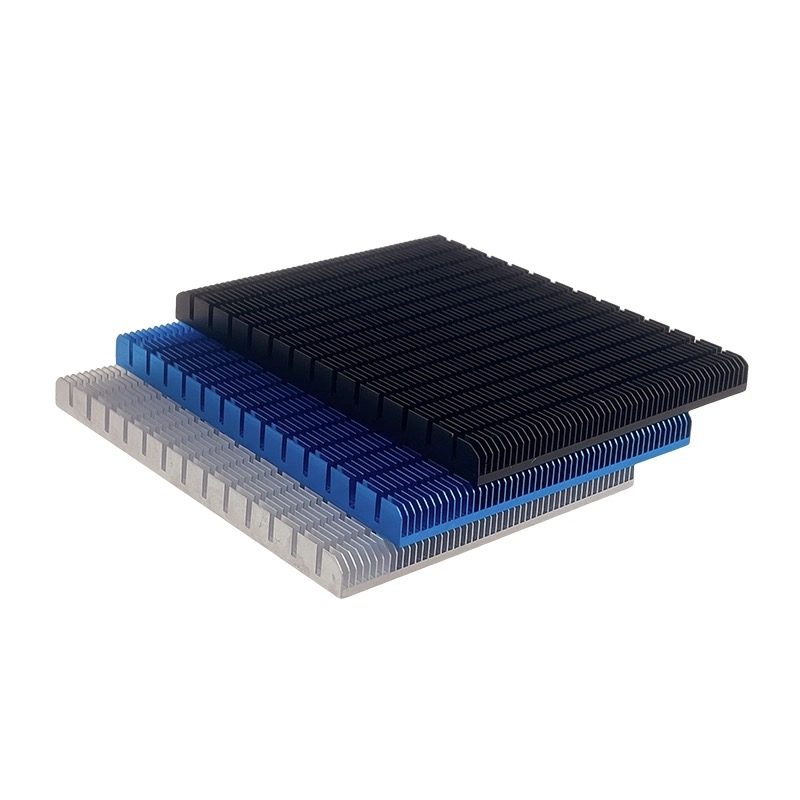
Compact passive radiator equipped with pre-applied high-conductivity adhesive tape for single-board computers, SoC devices, and edge IoT.
Engineering Electronics for the Wellington Innovation Corridor
The Greater Wellington Region represents one of the Southern Hemisphere's most sophisticated and specialized technology ecosystems. Frequently characterized by its agile software culture, "Silicon Welly" houses a formidable concentration of hardware engineering, cleantech pioneers, oceanographic research institutes, defense technology contractors, and IoT innovators. From Petone and the Hutt Valley's precision manufacturing heritage to the digital engineering labs of Te Aro and Kelburn, Wellington's electronic product development is defined by high-mix, high-reliability requirements.
Unlike massive consumer electronics hubs characterized by millions of identical devices, Wellington's hardware innovators specialize in mission-critical deployments. Hardware built here regularly operates in unforgiving settings: oceanic monitoring buoys navigating the volatile currents of the Cook Strait, distributed seismic telemetry sensors monitoring active tectonic fault lines via GeoNet, precision agricultural devices monitoring high-value vineyards in nearby Wairarapa, and aerospace subsystems intended for orbital payload instrumentation.
To support this dynamic, Shenzhen Mivo Electronics Co., Ltd. serves as an agile manufacturing and supply partner. By connecting Wellington engineering teams directly with Shenzhen's advanced PCB fabrication, turnkey SMT assembly lines, and specialized sensor production facilities, we eliminate the structural barriers that have historically held back rapid hardware development across New Zealand.
End-to-End PCB Fabrication & Turnkey Assembly Standards
Engineering teams developing products in Wellington require absolute electrical integrity and strict conformance to international standards. Whether prototyping a new 16-layer micro-via RF telemetry board or executing a full production run of ruggedized power converters, Mivo Electronics manages every stage of production under documented IPC Class 2 and Class 3 guidelines.
Multilayer FR-4 & HDI
Layer counts up to 32 layers, high-TG materials (TG170, TG180), controlled impedance routing (±5%), buried and blind vias, and micro-BGA escape routing designed for compact processing cores.
Metal Core & Aluminum PCBs
High thermal conductivity (1.5 W/mK to 3.0 W/mK) single- and double-sided aluminum substrates engineered to pair with high-power industrial LED luminaires and motor drive inverters.
Turnkey SMT & Component Sourcing
Automated high-speed pick-and-place lines supporting 01005 passives, QFN, and fine-pitch BGA packages down to 0.35mm. Complete BOM sourcing through Shenzhen's verified supply network with full anti-counterfeiting validation.
Substrate & Assembly Engineering Reference Matrix
Choosing the correct PCB construction is essential when engineering products for New Zealand's climatic conditions. Below is a detailed technical matrix comparing common fabrication technologies supplied to our Australasian clients:
| Technology | Core Dielectric & Tg | Thermal Conductivity | Optimal Wellington Applications | Key Manufacturing Standard |
|---|---|---|---|---|
| High-Tg FR-4 Multilayer | Tg ≥ 170°C - 180°C (Shengyi / ITEQ) | 0.35 - 0.45 W/m·K | IoT Gateways, Seismic Data Loggers, Embedded Linux Compute Boards | IPC-A-600 Class 2/3, UL94V-0 |
| Aluminum Core PCB (MCPCB) | Alloy 5052 / 6061 + Dielectric Polymer | 1.5 - 3.0 W/m·K | Architectural LED Fixtures, DC Motor Controllers, Cleantech Inverters | IPC-6012, RoHS Compliant |
| Polyimide Flexible Circuit (FPC) | Polyimide Film (0.5 mil - 2 mil) | 0.2 - 0.3 W/m·K | Harbor Sensor Gimbal Links, Wearable Biometrics, Aerospace Avionics | IPC-6013 Class 3 |
| Rigid-Flex Hybrid Boards | FR-4 + Polyimide with No-Flow Prepreg | Variable by Zone | Sealed IP67 Subsea Enclosures, High-Vibration Transport Monitoring | IPC-6013 Type 4 |
| PTFE / High-Frequency RF | Rogers (RO4350B / RO4003C) | 0.62 - 0.71 W/m·K | Sub-GHz LoRaWAN Marine Telemetry, Cellular IoT Arrays, SatCom Terminals | IPC-6018, Low Loss Dk/Df |
Wellington Hardware Application Scenarios
How our printed circuit assemblies, custom probes, and thermal products integrate into the capital city's dominant technical disciplines.
Marine & Oceanographic Telemetry
The Cook Strait and Wellington Harbour present high salinity, intense mechanical vibration, and wide temperature swings. We manufacture waterproof PT100 RTD sensors and conformal-coated multilayer PCBA packages designed for ocean buoys, autonomous surface vessels (ASVs), and subsea acoustic telemetry loggers deployed by regional marine research entities.
Environmental & Seismic Telemetry
Positioned on major fault lines, Wellington is home to New Zealand's premier geoscientific infrastructure. Our rigid-flex assemblies, low-noise analog signal conditioning boards, and ultrasonic transceivers support high-density environmental sensing networks, ground vibration telemetry nodes, and municipal stormwater level monitors.
Agritech & Clean Energy Conversion
From microgrid battery storage in Lower Hutt to precision agricultural monitoring in the Wairarapa, Mivo's aluminum core PCBs, high-power groove heatsinks, and penetration RTD probes provide thermal dissipation and precision thermal monitoring for renewable energy inverters and automated vineyard microclimate stations.
Why Wellington Innovators Direct-Source via Mivo Electronics
Hardware teams based in New Zealand face geographic isolation and domestic supply constraints. Prototype turnarounds through domestic channels can carry long lead times and high costs, while component brokers frequently run into stockouts. Shenzhen Mivo Electronics bridges this gap by combining an established factory footprint with transparent, direct-to-engineer collaboration.
1. Onsite-Verified Factory Infrastructure: Founded in 2016 in Yuanshan Street, Shenzhen, our manufacturing facilities have been independently verified onsite by international assessment agencies. We operate modern Surface Mount Technology (SMT) lines, dual-wave soldering stations, nitrogen-reflow chambers, automated optical inspection (AOI), and manual testing rigs under an ISO-compliant quality system.
2. Prototypes from 5 Pieces: Innovation begins with fast iteration. Wellington hardware startups and engineering consultancies do not have to tie up capital in high minimum order quantities. We assemble prototype runs starting at just 5 pieces with the exact same component traceability and reflow accuracy applied to 50,000-unit mass productions.
3. Comprehensive DFM (Design for Manufacturability) Review: Prior to releasing any Gerber or BOM package to the line, our CAM and electronics engineers perform a rigorous DFM assessment. We verify pad geometry against solder mask clearances, check thermal relief on high-copper planes, evaluate BGA via-in-pad fanouts, and flag potential solder-bridging risks. This upfront engineering analysis eliminates expensive respins and ensures predictable turnarounds.
4. Shenzhen Supply Chain Depth: Situated in the center of global electronics production, our purchasing team works directly with original component manufacturers and franchised distributors (including Arrow, DigiKey, Mouser, and local tier-1 semiconductor foundries). If an IC is obsolete or has an extended lead time, our engineering team sources functionally equivalent, pin-compatible cross-references and secures customer approval before assembly begins.
Our 6-Stage Quality-Controlled Workflow
Every PCBA, custom sensor probe, and mechanical heatsink delivery sent to New Zealand follows a documented, repeatable manufacturing pipeline:
01. Gerber & BOM DFM Audit
Verification of RS-274X/ODB++ files, drill tables, stackup parameters, component footprints, and polarities to ensure clean manufacturing execution.
02. Traceable Sourcing
Procurement of components by exact Manufacturer Part Number (MPN). Full batch validation, ESD handling, and moisture bake procedures.
03. Precision PCB Fabrication
Bare board production using premium copper clad laminates, laser direct imaging (LDI), high-accuracy etching, and custom surface plating (ENIG, HASL-LF, OSP).
04. High-Speed SMT & THT Assembly
Stainless steel laser-cut stencil application, multi-zone nitrogen reflow soldering, selective through-hole soldering, and cable harness integration.
05. Rigorous Testing & AOI
Comprehensive Automated Optical Inspection, X-ray inspection for bottom-terminated components (QFN/BGA), in-circuit programming, and functional testing.
06. ESD Packaging & Express Airfreight
Vacuum-sealed, anti-static moisture-barrier packaging with desiccant indicators. Priority door-to-door air freight directly to Wellington (WLG) in 3 to 5 business days.
Accelerate Your Next Hardware Release in Wellington
Submit your Gerber data, BOM, or sensor specifications for a comprehensive DFM assessment and transparent quotation within 24 hours.
Wellington Buyer FAQ & Technical Clarifications
Clear, direct answers addressing freight logistics, import compliance, prototyping parameters, and quality testing for hardware teams across New Zealand.
How fast can completed PCBA orders be delivered to Wellington?
How are New Zealand Customs GST and import duties managed?
Can Mivo assist with compliance for AS/NZS, RCM, CE, and RoHS standards?
What measures protect electronics against Wellington's coastal marine environment?
What files are required to obtain a firm turnkey PCBA quotation?
Can you manufacture custom sensor probes and heatsinks to mechanical drawings?
Pre-Production DFM Checklist for New Zealand Engineers
Before releasing your hardware design for PCB fabrication and SMT assembly, run through this baseline checklist to prevent common manufacturing delays and verify production readiness:
Footprint & Library Verification
Ensure that all surface-mount component footprints strictly correspond to IPC-7351 guidelines. Double-check pin-1 orientations on polarized ICs, diodes, electrolytic capacitors, and QFN ground slugs.
Copper Balance & Layer Stackup
Distribute copper density symmetrically across opposing layers to eliminate board warping during reflow soldering. Specify core and prepreg thicknesses explicitly when routing controlled impedance lines.
Component Sourcing & Lifecycle Check
Verify that specified active ICs, microcontrollers, and precision sensors are actively in production. Provide vetted second-source alternate MPNs directly in your BOM to streamline procurement.
Direct Engineering Support for Your Team
Collaborate directly with our technical team in Shenzhen. From single-board computer assemblies to industrial sensor probes, we provide transparent project quotes and fast delivery to Wellington.