Precision Hardware Catalog for Rapid Field Prototyping
Direct-from-factory electronic modules, high-precision thermal probes, bare silicon components, and custom cabling engineered for high-altitude resilience and mission-critical telemetry across the Rocky Mountain corridor.
High-Altitude, Cold-Climate & Aerospace PCB Implementations
The Greater Denver metropolitan area—spanning Boulder's photonics incubators, the Denver Tech Center (DTC), Longmont robotics corridors, and Golden's clean energy laboratories—demands hardware that transcends conventional commercial specifications.
Aerospace & NewSpace SmallSat Avionics
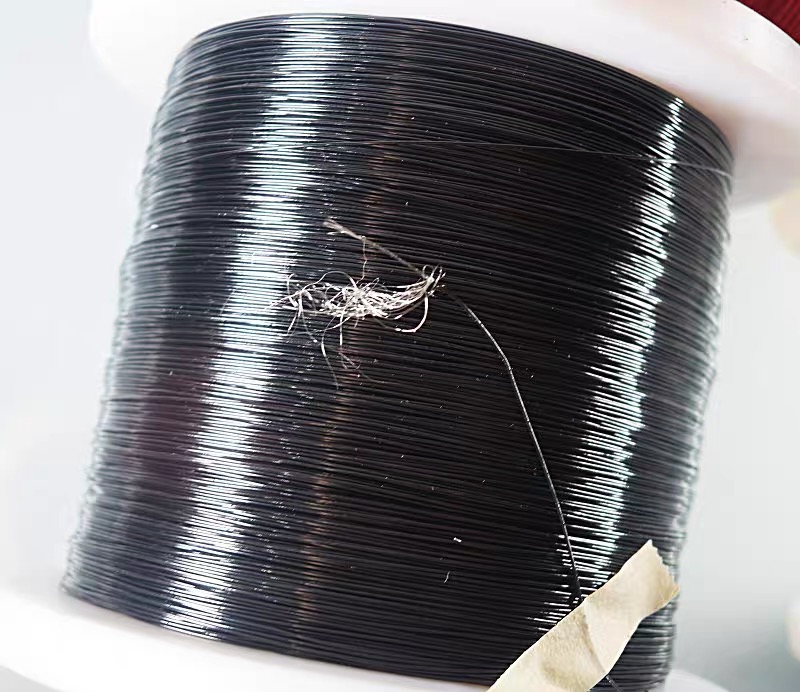
Colorado hosts the country's second-largest aerospace economy. From CubeSat payloads to low-earth orbit (LEO) subassemblies, our high-frequency multilayer PCBs utilize low-loss hydrocarbon ceramics (Rogers RO4350B, RO4003C) and polyimide flex circuits. Combined with our 36AWG 50-ohm micro-coaxial harnesses, these boards guarantee minimal insertion loss and robust electromagnetic shielding under intense sub-orbital thermal shocks.
- Controlled impedance within ±5% tolerance
- Outgassing compliant substrate options (ASTM E595)
- Class 3 IPC-A-610 automated optical & X-ray inspection
High-Altitude Cleantech & Battery Energy Storage (BESS)
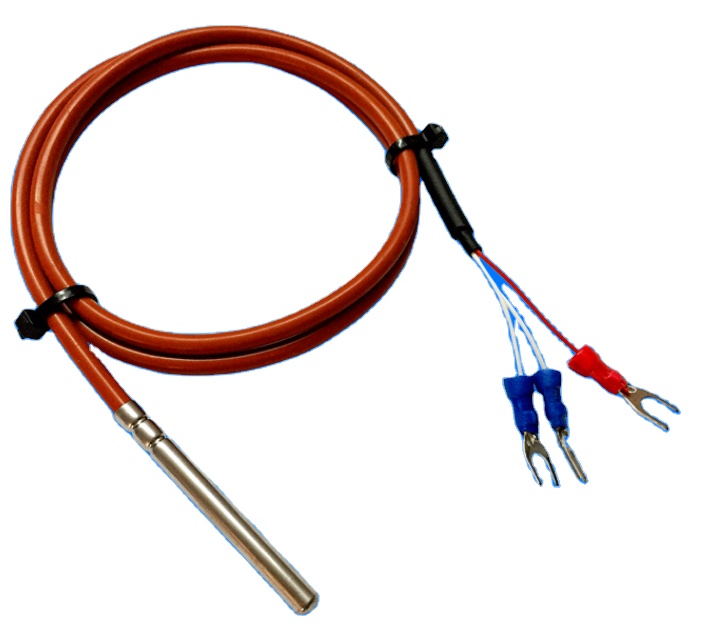
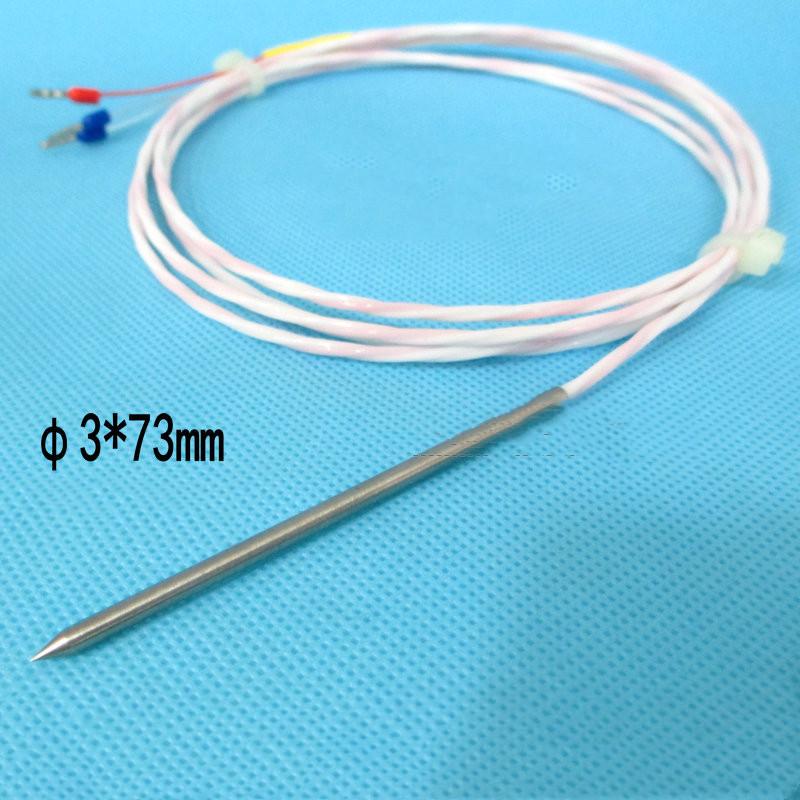
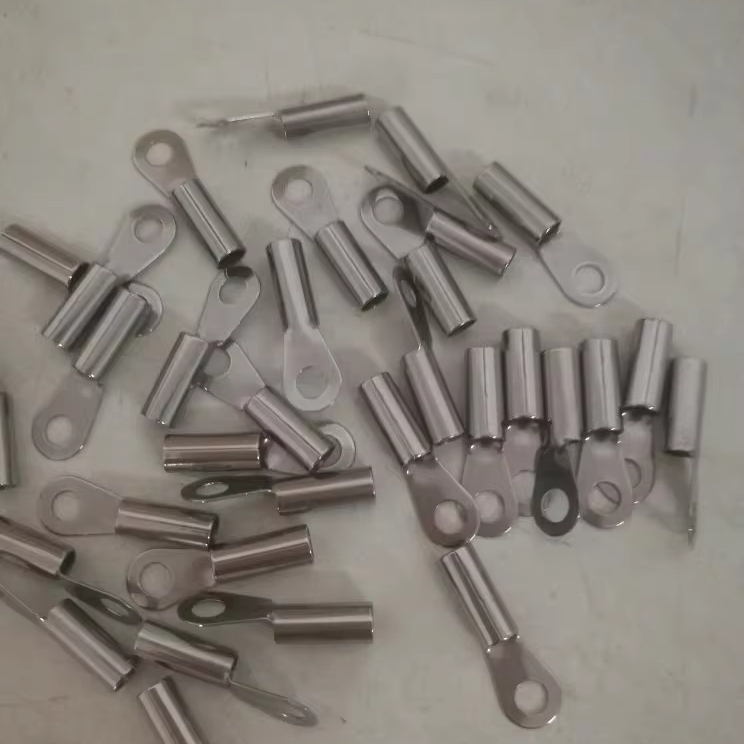
At 5,280 feet and beyond, reduced atmospheric density alters dielectric breakdown voltage and impairs convective cooling. Denver energy storage engineers frequently integrate our heavy-copper (3oz to 6oz) FR4 and insulated metal substrates (MCPCB) with our lug-mounted stainless temperature housings. This layout enables real-time busbar and inverter thermal monitoring under severe Front Range ambient swings (-20°F to 100°F).
- High-Tg FR-4 (Tg 170°C–180°C) thermal endurance
- Aluminum core heat dissipation up to 3.0 W/m·K
- Direct integration with NTC and PT100 RTD sensor nodes
Sub-Zero Environmental Telemetry & Mining Hydrology
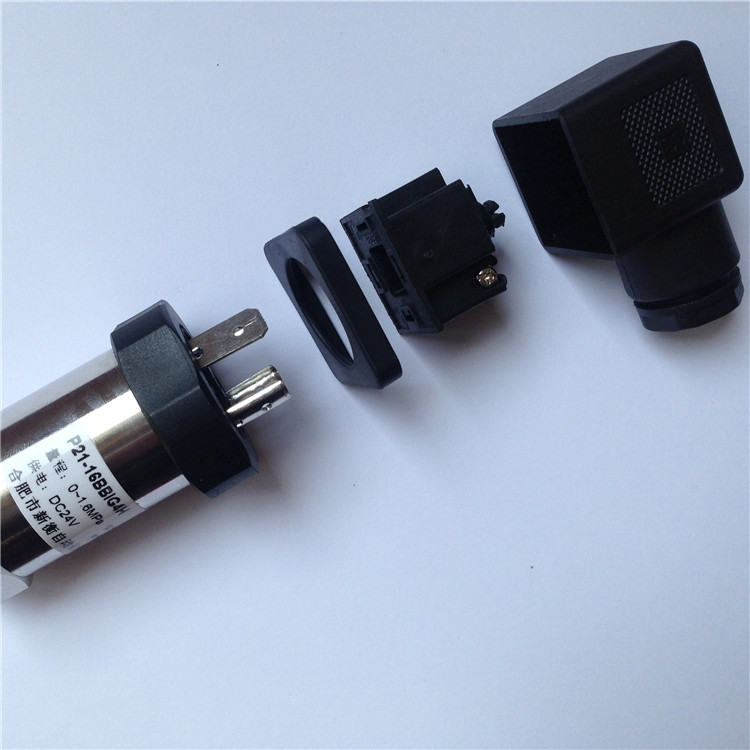
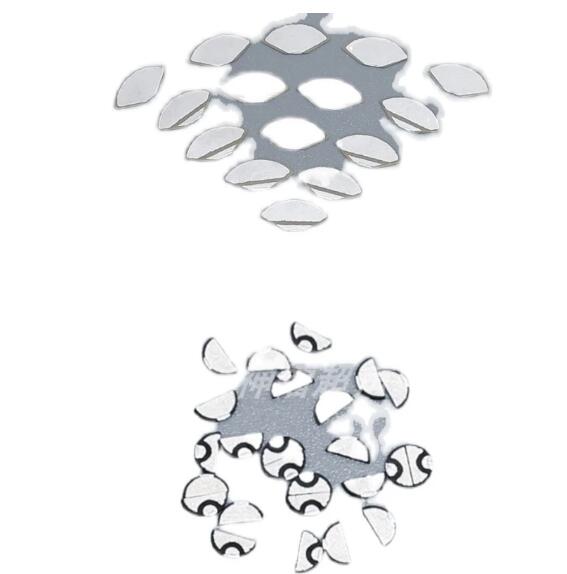
Deployments in Rocky Mountain watersheds, Clear Creek mining claims, and municipal reservoirs require sensor-equipped circuit boards sealed against moisture penetration and condensation cycles. By pairing our oil-filled 4-20mA diffused silicon pressure cores with silicone-gel encapsulated PT100 platinum probes, Front Range geotechnical firms achieve drift-free hydrostatic pressure and temperature feeds.
- IP68 waterproof sensor assemblies with potted heads
- Conformal coating (Silicone, Acrylic, Polyurethane)
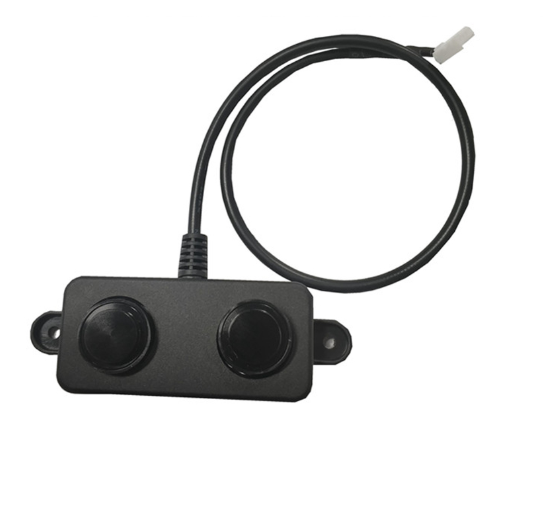
- UART/PWM ultrasonic ranging for snowpack profiling
High-Altitude Design for Manufacturability (DFM) Guidelines
Why standard IPC rules must be adjusted when prototyping electronic assemblies targeted for Denver’s elevation and Rocky Mountain field deployments.
| Engineering Parameter | Standard Sea-Level Benchmark | High-Altitude Denver Standard (>5,280 ft) | Mivo Electronics Fabrication Mitigation |
|---|---|---|---|
| Dielectric Clearance (Paschen’s Law) | Standard IPC-2221 spacing based on 1 atm air breakdown. | Reduced breakdown voltage requires increased conductor clearance to avoid corona discharge and arcing. | BOM review expands high-voltage creepage paths by 15–20% and specifies high CTI (Comparative Tracking Index >600V) FR4 substrates. |
| Convective Heat Dissipation | Nominal ambient heat transfer coefficient. | Air density decreases ~17%, lowering convective thermal transfer by 12–15% on power components. | Thermal via arrays with copper filling, thermal reliefs on high-current planes, and heavy aluminum-backed MCPCB cores. |
| Thermal Shock Tolerance | Standard thermal cycling: 0°C to +70°C. | Mountain climates experience extreme cycling (-30°C to +85°C daily diurnal shifts in unheated enclosures). | High-Tg laminate (Tg >170°C, Td >340°C), low Z-axis CTE (<2.8%), and ductile Lead-Free SAC305/Sn63Pb37 solder alloys. |
| UV & Ozone Resistance | Standard solder mask pigment and conformal coats. | Elevated ultraviolet radiation accelerates polymer degradation and solder mask embrittlement. | Taiyo high-grade soldermasks and automotive-spec silicone elastomeric conformal coatings applied in automated spray lines. |
The Physics of Altitude on Bare Boards & SMT Assembly
Designing printed circuit assemblies for the Denver metropolitan region requires addressing non-linear environmental degradation modes. Denver’s mean barometric pressure (~83 kPa vs. 101.3 kPa at sea level) fundamentally alters the ionization threshold of gases surrounding exposed conductive traces. Under Paschen's Law, as pressure drops, the mean free path of electrons increases, facilitating electrical ionization at lower potential differentials. For switch-mode power supplies (SMPS), photovoltaic string inverters, and high-voltage motor drives operating in Lakewood or Aurora, standard trace spacing rules frequently result in micro-arcing and long-term carbon tracking.
Furthermore, our direct-line fabrication workflows address the acute delamination risks caused by thermal expansion mismatches. In high-altitude aerospace enclosures, rapid descent or ascent generates substantial localized delta-T surges. Mivo Electronics counters this by offering polyimide flexible circuits (FPC) and high-Tg rigid-flex boards manufactured with electro-deposited (ED) or rolled-annealed (RA) copper foil, mitigating trace cracking and pad cratering even across thousands of thermal shock cycles.
Denver’s Transition to Agile Hardware Prototyping
How Colorado's tech corridors leverage offshore turnkey manufacturing to compress product development timelines while sustaining domestic high-value engineering.
The Hybrid "Design Local, Build Direct" Paradigm
Hardware startups throughout RiNo (River North Art District) and the Boulder-Longmont tech strip maintain in-house firmware and schematic architecture, but avoid high domestic fabrication overhead. By utilizing our rapid 5-piece PCBA prototyping service, engineering teams receive fully assembled, flying-probe-tested circuit boards via direct air courier to DEN within business days, eliminating weeks of localized queuing.
Clean Energy Decarbonization Mandates
With Colorado’s statutory commitments to greenhouse gas reductions and grid modernization, Denver has emerged as a premier hub for EV charging network controllers, smart grid micro-inverters, and geothermal telemetry. These applications demand integrated supply chains capable of delivering not just bare FR4 boards, but fully populated modules featuring customized RTD sensors, cable harnesses, and extruded aluminum heatsinks.
Supply Chain Resiliency & BOM Transparent Scrubbing
Post-pandemic component disruptions forced Denver procurement directors to abandon rigid sole-source designs. Mivo Electronics operates directly inside Shenzhen's Tier-1 component trading district, enabling instant cross-referencing for obsolete microcontrollers, power management ICs, and passive arrays. Every substitution undergoes client engineering approval prior to pick-and-place setup.
Why Denver Innovators Partner with Shenzhen Mivo Electronics
Combining verified physical manufacturing infrastructure with transparent engineering communication, agile turnaround cycles, and turnkey electronic sourcing.
Onsite-Verified Manufacturing Facility
Established in 2016 in Shenzhen, Guangdong, our physical production floor has undergone independent third-party onsite verifications. Housing advanced high-speed Yamaha and Panasonic SMT placement lines, automated reflow ovens, and cleanroom sensor assembly benches, we operate with 51 to 100 dedicated manufacturing professionals.
- 8+ consecutive years exporting to North American markets
- Documented 4.7 out of 5 buyer verification rating
- Full traceability from incoming raw laminate to final PCBA packaging
Integrated Sensors & Mechanical Ecosystem
Unlike conventional PCB brokers who only fabricate bare laminates, Mivo Electronics functions as an end-to-end hardware manufacturing partner. We produce proprietary custom temperature sensors (PT100, PT1000, NTC), ultrasonic modules, custom 36AWG micro-coaxial cable harnesses, laser-cut SMT stencils, and industrial membrane switch panels under one roof.
- Direct harness termination and sensor potting
- Customized probe geometry (lengths, pointed tips, lug plates)
- Turnkey box-build readiness for Denver industrial OEMs
Agile Prototyping Without Artificial MOQs
We believe groundbreaking hardware begins with small-batch iterations. Our prototype PCBA assembly service starts at just 5 pieces, while bare boards start from 100 pieces and custom sensor configurations from 10 pieces. Denver hardware founders can validate functional proof-of-concept units without committing substantial capital to premature mass production runs.
- Free comprehensive DFM & BOM scrub prior to line setup
- Firmware flashing and custom functional jig testing
- Seamless transition from 5-piece prototypes to 50,000-piece scale
Frequently Asked Questions by Denver Hardware Teams
Clear, direct answers regarding lead times, customs logistics, engineering files, and high-altitude quality assurance protocols.
How fast can prototype PCBAs be manufactured and delivered to Denver, Colorado?
How do you handle U.S. customs entry, tariffs, and Denver freight clearance?
How does Mivo Electronics bridge time-zone differences between Denver (MST/MDT) and Shenzhen?
What engineering documentation is required to initiate an immediate turnkey PCBA quote?
- Gerber Data: Standard RS-274X format or ODB++ containing all copper, solder mask, silkscreen, and drill files.
- Bill of Materials (BOM): Formatted in Excel/CSV detailing Manufacturer Part Numbers (MPN), reference designators, component descriptions, package footprints, and approved alternates.
- Centroid / Pick-and-Place File: Including X-Y coordinates and component orientation (rotation).
- Assembly Drawings: Indicating special fiducial, conformal coating, or polarity requirements.
Can Mivo Electronics manage custom cable integration, sensor potting, and mechanical housings?
What testing protocols ensure zero defects on high-layer count boards?
Accelerate Your Front Range Hardware Iterations
Submit your Gerber archives, BOM schedules, or custom sensor drawings today. Our engineering staff will perform a complimentary DFM analysis and provide an itemized turnkey quote within 24 hours.