Polycarbonate Membrane Switch Engineering for Lautoka’s Marine & Agro-Industrial Hub
As the commercial heartbeat of western Viti Levu, the city of Lautoka—widely celebrated as the Sugar City—is the epicenter of Fiji's bulk exports, maritime logistics, beverage processing, and heavy industrial operations. For instrumentation technicians, maintenance managers, and OEM design engineers operating in the Lautoka market, machinery reliability hinges on one vital component: the Human-Machine Interface (HMI). Tropical moisture, intense UV radiation, salinity from the Bligh Water corridor, and corrosive chemical washdowns present unrelenting physical challenges to standard capacitive touchscreens and mechanical push-buttons. Herein lies the strategic advantage of deploying custom engineered polycarbonate membrane switches manufactured directly to precise industrial criteria.
Polycarbonate (PC) is a premier thermoplastic substrate favored for front panel graphic overlays due to its high optical transparency, dimensional stability, mechanical impact strength, and distinct tactile responsiveness. Unlike standard polyester (PET) films which excel primarily in extreme cyclic flexure life, optical-grade and velvet-textured polycarbonate films deliver superior thermal tolerance (operating from -40°C to +125°C), exceptional impact dissipation (IK08-IK10 compliance), and superior clarity for backlit display windows, LED status arrays, and dead-front graphic readouts. Shenzhen Mivo Electronics brings tier-one manufacturing capability directly to Lautoka's procurement managers, delivering fully bespoke, environmentally sealed membrane switches, integrated with flexible printed circuitry (FPC) or rigid FR-4 circuit backing plates that effortlessly counter tropical decay.
IP65 to IP67 Hermetic Sealing
Fabricated using automotive-grade 3M 467MP/468MP acrylic adhesives and continuous perimeter gaskets, ensuring internal silver traces remain impervious to humid sea breezes and sugar-processing steam washdowns.
UV-Stabilized & Velvet Overlays
Polycarbonate formulations enhanced with advanced UV inhibitors safeguard against premature embrittlement, yellowing, and micro-cracking caused by Fiji's relentless sub-equatorial ultraviolet index.
Tactile Feedback & Metal Domes
Precision-formed stainless steel tactile snap domes (operating force 250g–400g) offer clear tactile response, ensuring positive operational feedback even when technicians operate equipment wearing heavy industrial gloves.
By leveraging screen-printed conductive silver conductors backed by carbon-overprint wear pads, our membrane switches minimize contact oxidation and electrical bounce. Whether serving sugar refining centrifuge automation, marine vessel auxiliary control panels at Queens Wharf, municipal water dosing systems, or pine timber processing kilns in Drasa, Mivo Electronics' polycarbonate membrane switch assemblies offer unmatched longevity and structural integrity.
Localized Application Scenarios in the Lautoka Industrial Sector
Lautoka’s manufacturing economy is dynamic, characterized by specialized process industries that demand non-standard electronics. Standard off-the-shelf control panels sourced from general distributors often fail within six to twelve months due to moisture ingress, chemical corrosion, or salt crystallization. Our polycarbonate membrane switches are specifically formulated to address these local stressors across four core industrial applications:
| Lautoka Industry Segment |
Operational Environmental Hazards |
Engineered Membrane Switch Architecture |
Hardware Integration Highlights |
| Sugar Milling & Refining (FSC Lautoka Mill) |
Abrasive bagasse dust, airborne molasses vapor, boiling juice steam washdowns, and high ambient vibration. |
0.25mm textured polycarbonate overlay with sub-surface screen printing; closed-loop perimeter sealing; integrated metal snap domes. |
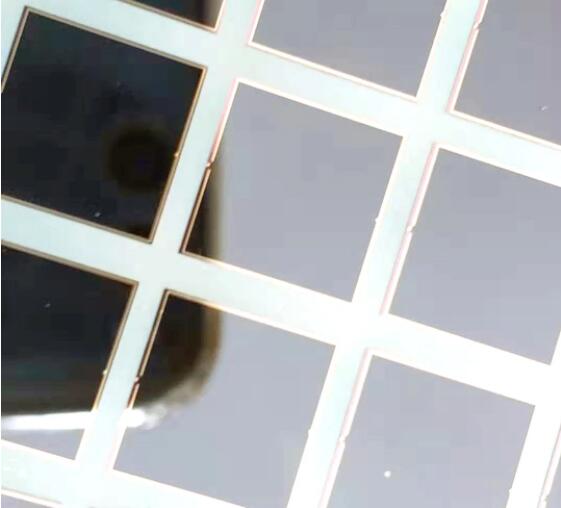
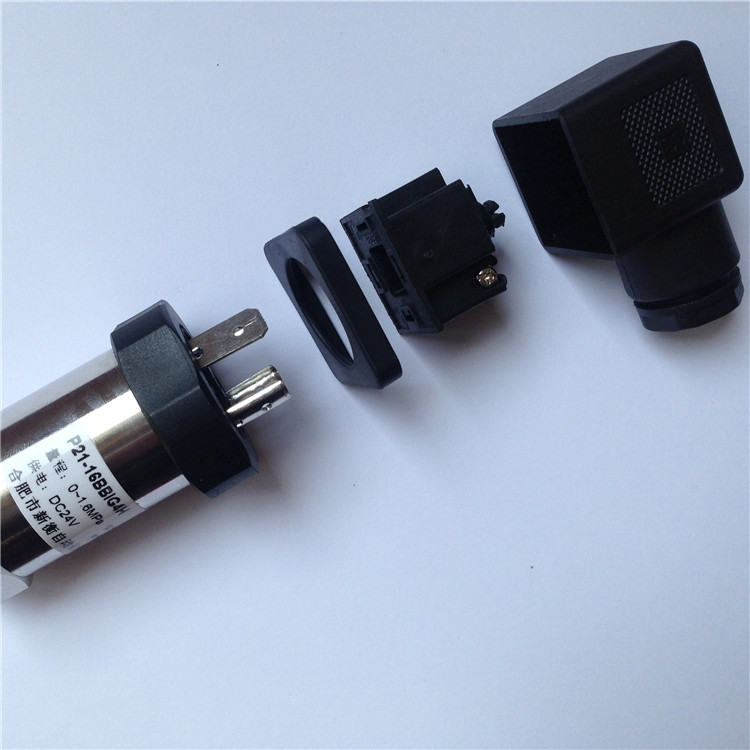
Mated directly with rugged FR-4 PCB backing, vibration-proof ZIF connectors, and paired with our piezoresistive water pressure sensors. |
| Port & Maritime Logistics (Lautoka Queens Wharf) |
Constant saline fog, salt spray crusting, intense UV exposure, and hydraulic fluid splash on gantry cranes and tugboats. |
Anti-glare UV-stabilized polycarbonate overlay, dual-layer adhesive spacer with drain cutouts, and hermetic tail transitions. |
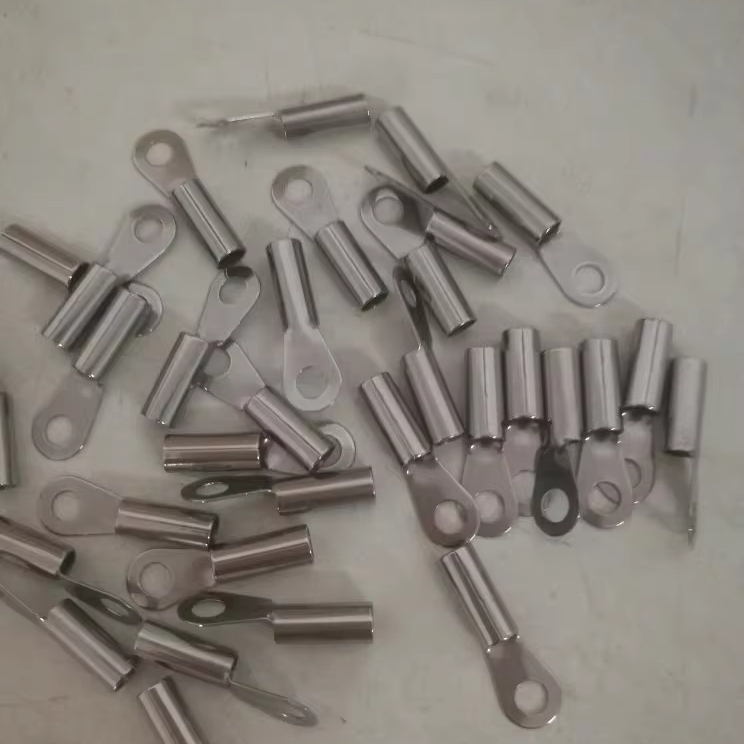
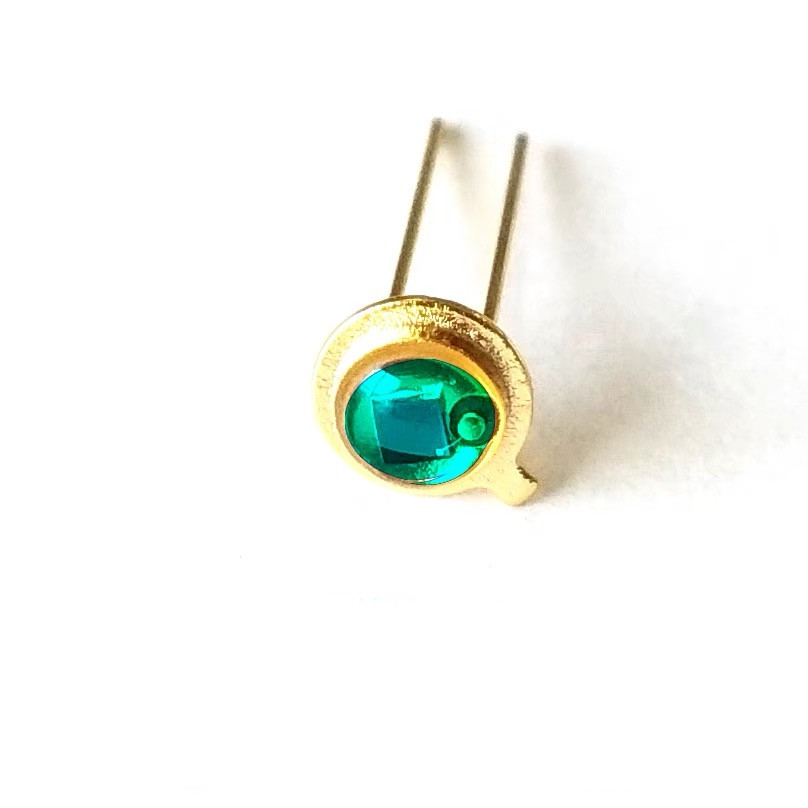
Coupled with sealed TO46 optical detectors, stainless steel wire lug temperature sensors, and conformal-coated display motherboards. |
| Beverage Bottling, Distilling & Food Canning |
Daily high-pressure CIP (Clean-in-Place) sanitization utilizing caustic sodas, acids, and thermal cycling. |
Chemical-resistant hard-coated polycarbonate film; embossed switch rims; flat dead-front cutouts for back-illuminated status LEDs. |
Direct mechanical integration to 316 stainless steel enclosures via 3M 300LSE adhesive layers for high surface energy bonding. |
| Timber Processing & Biomass Energy (Drasa Outskirts) |
Fine sawdust settling, wood resin vapor, outdoor moisture swings, and mechanical impacts from log handling machinery. |
Impact-resistant high-gauge (0.38mm) polycarbonate overlay with custom debossed keys and tactile feedback actuation. |
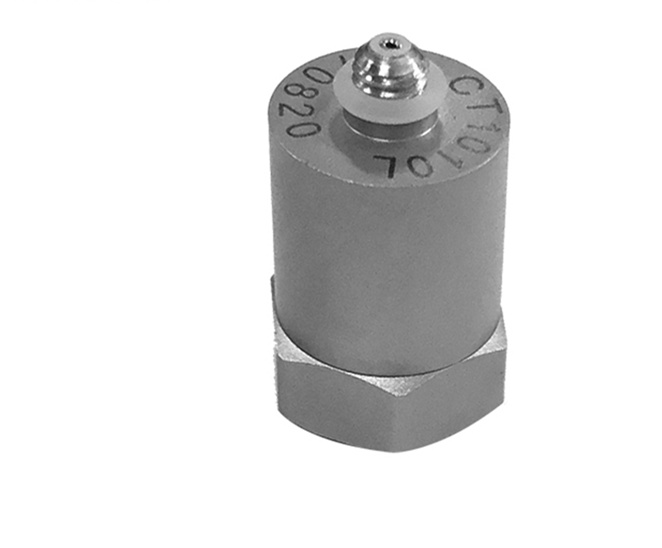
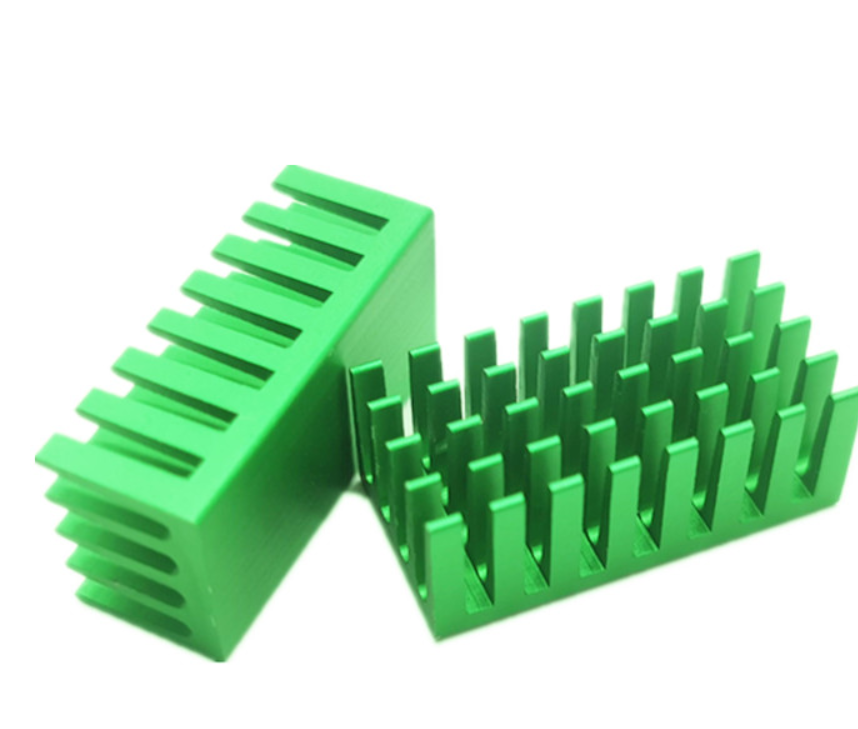
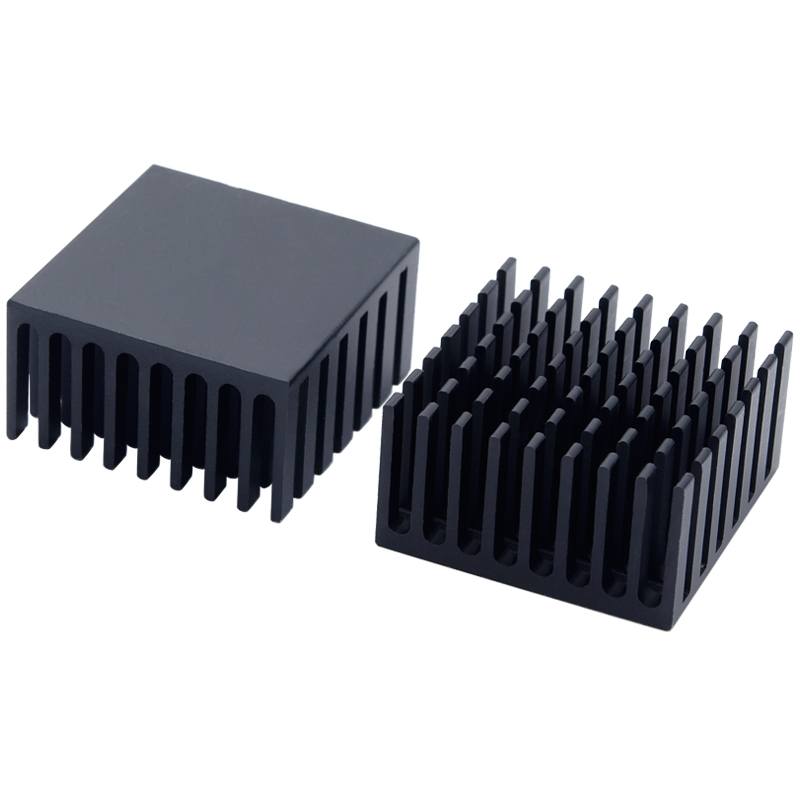
Interfaced with high-precision IEPE vibration accelerometers and thermal dissipation fin arrays to track kiln performance. |
These localized application profiles ensure that every parameter—from adhesive peel strength to the actuation force of the underlying snap domes—is matched to Lautoka’s regional manufacturing environment, driving down downtime and preventing unscheduled system shutdowns.
Emerging Technology & Industrial Modernization Trends in Lautoka
The industrial landscape across Western Fiji is shifting rapidly toward digitization, renewable energy adoption, and automated batch processing. As facilities in the Lautoka free trade zone and industrial parks upgrade legacy mechanical equipment, distinct technological trends are driving the demand for advanced Human-Machine Interfaces:
1. Convergence of Membrane Overlays with Integrated Touch Displays: Rather than relying solely on pure mechanical switchboards or vulnerable open glass displays, modern equipment designs utilize hybrid architectures. A heavy-duty polycarbonate overlay forms the outer protective bezel, framing a central resistive or capacitive touchscreen while integrating dedicated physical membrane keys for "Emergency Stop," "Cycle Start," and "Purge Valve." This hybrid approach ensures critical manual operations remain responsive even if the digital touchscreen freezes or becomes coated with liquid film.
2. Backlighting Revolution (Side-Lit LEDs & Light Guide Plates): Nighttime factory operations at the docks and around-the-clock crushing seasons at sugar mills necessitate precise nighttime visibility. Mivo Electronics integrates ultra-thin light guide film (LGF) and surface-mounted side-fire micro LEDs directly within the membrane switch sandwich layer. This achieves uniform, energy-efficient key illumination without the electrical noise and high operating voltages historically required by older electroluminescent (EL) lamps.
3. Transition from Flexible Silver Traces to Rigid PCBA Backplanes: To eliminate flexible ribbon cable strain in high-vibration engine rooms or vibrating industrial centrifuges, engineering teams increasingly specify membrane switches laminated directly onto double-sided or multilayer FR-4 PCBs. SMT microcontrollers, optocouplers, buzzer indicators, and CAN/RS-485 transceiver chips are mounted on the backside of the rigid board, allowing the membrane faceplate to function as a complete, drop-in intelligent terminal.
Why Global & Lautoka Engineers Partner with Shenzhen Mivo Electronics
Shenzhen Mivo Electronics Co., Ltd. (operating at mivohmi.com) provides a distinct competitive advantage for businesses procuring specialized electronics from Fiji and across the South Pacific. Positioned at the source of the global electronics supply chain in Shenzhen, China, we combine agile contract manufacturing with strict Western-grade quality management.
True Turnkey PCBA & HMI Manufacturing
We do not just produce the outer graphic skin. Our facilities manufacture the bare PCBs (FR-4, aluminum core, FPC), procure genuine components, perform high-speed SMT assembly, and laminate membrane switches under cleanroom conditions.
Low MOQ Prototyping (From 5 Pieces)
We break down traditional factory barriers. Lautoka clients can order short-run prototypes from as few as 5 to 10 units for field trials and retrofit validation before scaling up to mass production.
Verified Transparency & Quality Track Record
Our operations have undergone comprehensive onsite verification by Alibaba.com and third-party appraisal companies. Boasting an 8-year verified export history and a 4.7/5 buyer rating, our engineering team ensures direct, technical communication.
Our internal testing laboratory subjects all membrane panels and custom assemblies to rigorous testing protocols: 1,000,000-cycle actuation switch life tests, thermal shock exposure (-40°C to +85°C), peel adhesion verification, insulation resistance checks (>100MΩ at 100V DC), and full loop circuit continuity testing.