Precision Electronics & Hardware Assemblies
Complementary sensors, thermal management profiles, and electro-mechanical hardware manufactured to exact engineering tolerances for seamless interface integration.
Technical Whitepaper: Engineering Polyester Membrane Switches for High-Reliability British Applications
In modern industrial electronics, human-machine interface (HMI) reliability determines the operational lifespan of the entire system. While consumer touchscreens dominate desktop gadgets, industrial, medical, and transport hardware in the United Kingdom requires robust tactile feedback, environmental impermeability, chemical resilience, and electromagnetic compliance. Polyester (Biaxially-oriented polyethylene terephthalate, or PET) has emerged as the premier substrate for membrane switch fabrication across European and British markets, consistently outperforming polycarbonate (PC) in mechanical longevity and harsh-environment durability.
Polyester films, such as premium-grade Autotex and Melinex, provide remarkable flexural fatigue endurance. When engineered into graphic overlays and circuit carrier layers, biaxially-oriented PET can endure over 5 million flex cycles without micro-fissuring or loss of mechanical memory, compared to polycarbonate which typically exhibits crazing or switch collapse after approximately 100,000 cycles. For hardware engineers designing equipment operating in demanding London environments—ranging from the high moisture levels of the London Underground transit infrastructure to the aggressive antiseptic chemical sterilisation cycles used within the National Health Service (NHS)—PET membrane keypads provide unmatched lifecycle stability.
Anatomy of an Industrial Polyester Membrane Switch Stack-up
A precision polyester membrane switch is an integrated multi-layer electro-mechanical sandwich bonded by performance acrylic adhesives (typically 3M 467MP, 468MP, or VHB series). Understanding each discrete layer is critical for London system architects designing to UKCA and CE standards:
| Layer Designation | Standard Substrate & Chemistry | Engineering Functionality & Performance Metric |
|---|---|---|
| 1. Graphic Overlay | Autotex PET (F150 / F200 / V200) or XE Hardcoat | Sub-surface screen or digital printing; anti-glare, chemical & UV resistant; withstands MEK, isopropyl alcohol, hospital sterilants. |
| 2. Overlay Adhesive | 3M 467MP / 200MP High-Performance Acrylic | Void-free bonding of graphic layer to upper circuit; shear resistance up to +150°C; moisture and plasticiser barrier. |
| 3. Tactile Snap Dome Array | SUS301 Stainless Steel (Nickel/Gold-plated) | Delivers crisp tactile feedback (actuation force 250g–450g); snap ratio 40%–60%; rated for >1,000,000 switch operations. |
| 4. Spacer Layer | Optically Clear Polyester (0.125mm–0.25mm) | Precision die-cut switch cavities providing stroke displacement travel clearance and insulating conductive traces. |
| 5. Conductive Circuit Layer | Heat-stabilised PET with Conductive Silver & Carbon | Screen-printed low-impedance traces (<10Ω); carbon overprinting over silver contacts to completely eliminate silver migration. |
| 6. Rear Adhesive & Backer | 3M 468MP or 3M 9472LE (for low surface energy plastics) | Bonds switch assembly securely to aluminum enclosures, sheet metal chassis, or custom PCBA sub-assemblies. |
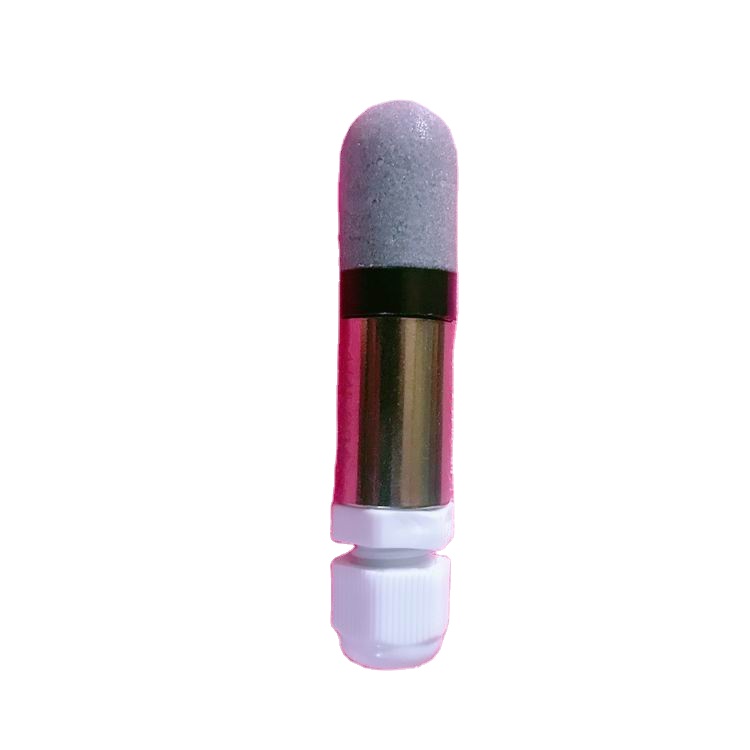
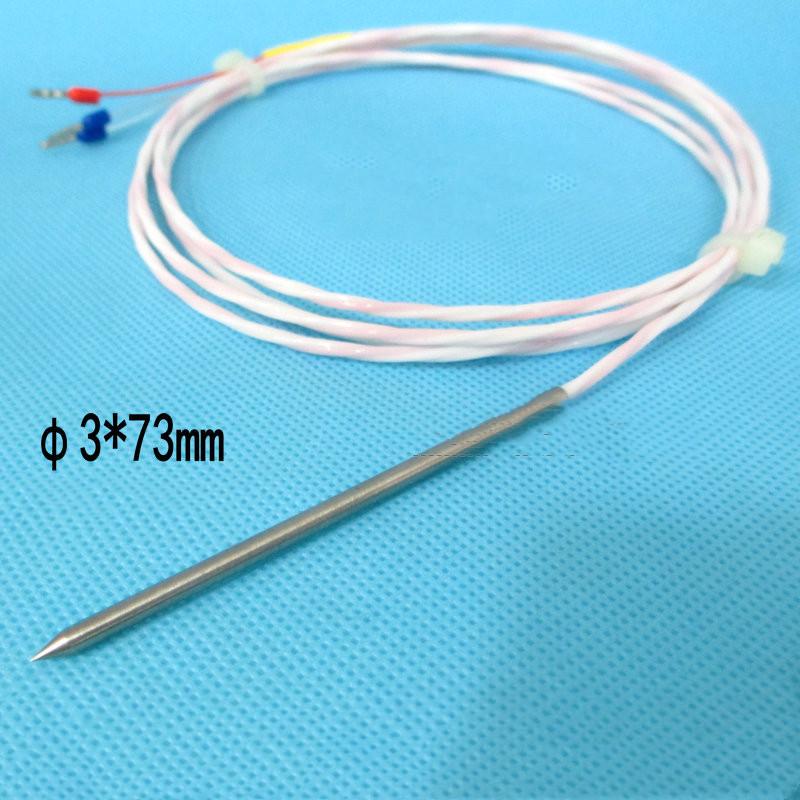
In addition to standard passive matrix topologies, our manufacturing facility in Shenzhen integrates surface-mount components directly onto the flex circuitry or couples the switch directly to a rigid FR-4 motherboard. LEDs for status illumination, Light Guide Films (LGF) for uniform key backlighting, micro-resistors, and environmental sensors (such as the waterproof SHT30 temperature-humidity elements and PT100 RTD sensor modules detailed above) can be seamlessly integrated into a turnkey assembly, eliminating secondary wiring looms and assembly bottlenecks for London-based OEMs.
London Regional Industrial Use Cases & Engineering Demand Drivers
The Greater London manufacturing and hardware tech corridor—encompassing tech clusters in Old Street, the White City Life Sciences Innovation District, the advanced automation belt along the Thames Gateway, and transit infrastructure across Transport for London (TfL)—requires tailored HMI designs that respect local regulatory, operational, and architectural standards.
MedTech & NHS Clinical Hardware
Medical instrumentation deployed across London hospital trusts (e.g., Guy's and St Thomas', Imperial College Healthcare) necessitates IP67 sealed PET overlays. Sub-surface printing guarantees that repeated wipe-downs using sodium hypochlorite and quaternary ammonium compounds do not erode switch legends or degrade electrical isolation.
Smart Building & Datacentre BMS
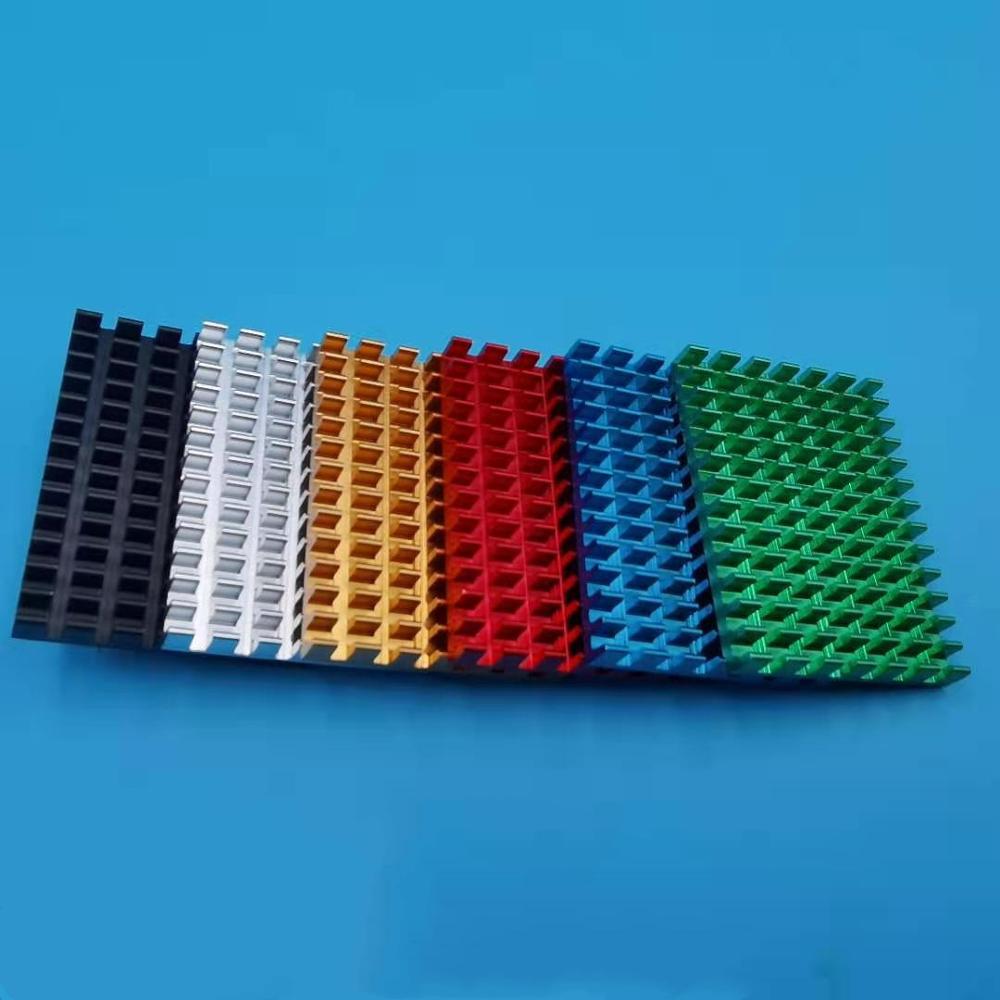
Commercial high-rises across the City of London and Canary Wharf utilise central Building Management Systems (BMS). Our membrane switches, combined with PT100 RTD sensors and extruded aluminum heat sink coolers, manage mission-critical HVAC interfaces, air handling chillers, and power distribution switchgear with zero failure tolerances.
EV Charging Infrastructure & Smart Mobility
With London's aggressive Ultra Low Emission Zone (ULEZ) rollout, outdoor EVSE charging posts demand rugged UV-stabilised Autotex XE polyester panels. These keypads operate reliably from -30°C to +70°C under driving British rain, resisting vehicular emissions, vandalism, and extreme thermal cycling without delaminating.
Automated Logistics & Robotics
E-commerce fulfilment hubs along the M25 and Thames Gateway rely on automated sorting machines, autonomous mobile robots (AMRs), and handheld diagnostic terminals. Membrane switches featuring integrated ESD shielding protect sensitive internal microcontrollers against electrostatic discharge generated in fast-moving warehouse environments.
London Market Trends: Navigating UKCA, Sustainability & HMI Modernisation
Procuring membrane switches in the post-Brexit British market presents distinct technical and supply chain dynamics. Hardware leaders throughout London are reshaping their engineering specifications to align with three primary macro-trends:
1. UKCA & Dual UK/CE Regulatory Compliance: Since the introduction of the UK Conformity Assessed (UKCA) framework alongside continuing CE requirements for export to the European Union, British equipment makers must ensure full traceability for every raw material in their supply chain. Our factory delivers full documentation packages for RoHS 3 (Directive 2015/863/EU), REACH (EC 1907/2006 SVHC limits), and UL94 flammability ratings, ensuring London engineering teams achieve fast, uncomplicated compliance certification.
2. Consolidation of the Electronics Value Chain: Traditionally, UK procurement managers bought membrane graphic overlays from domestic screen printers and bare circuit boards from separate PCB manufacturers, assembling them in-house. Today, London procurement teams heavily favor single-source turnkey providers. Shenzhen Mivo Electronics integrates precision screen-printed polyester switches directly with turnkey SMT PCB assembly, SMT stencils, aluminum core thermal backing plates, and wire harnesses, slashing BOM overheads and eliminating finger-pointing between separate sub-tier vendors.
3. Enhanced Ergonomics via Tactile Engineering: As pure capacitive touch displays face operational challenges in rain or when used by technicians wearing heavy PPE work gloves, hybrid HMIs are growing rapidly in the UK. By combining polyester switch panels with tactile metal domes, embossed rim keys, and embedded Light Guide Film (LGF) illumination, operators receive immediate acoustic and tactile confirmation of key closure without diverting visual attention from mission-critical tasks.
Why London Electronics Engineers Source from Shenzhen Mivo Electronics
Shenzhen Mivo Electronics Co., Ltd. is an onsite-verified manufacturer headquartered in the epicenter of global electronics hardware innovation. With an 8-year verified trading history, 51–100 skilled production personnel, and an average customer satisfaction rating of 4.7 out of 5 stars, we combine Chinese agile manufacturing speed with rigorous international quality standards.
Onsite-Verified Factory
Our production facilities, cleanroom screen printing lines, and SMT workshops have been verified onsite by independent third-party inspection agencies.
Ultra-Low Prototype MOQ
Rapid iterative development with turnkey PCBA prototypes starting from just 5 pieces, custom sensors from 10 pieces, and tailored membrane keypads.
Zero-Defect Quality Control
100% electrical continuity and contact resistance verification, automated optical inspection (AOI), color spectrophotometer matching, and flex life cycle testing.
Turnkey Cross-Sourcing
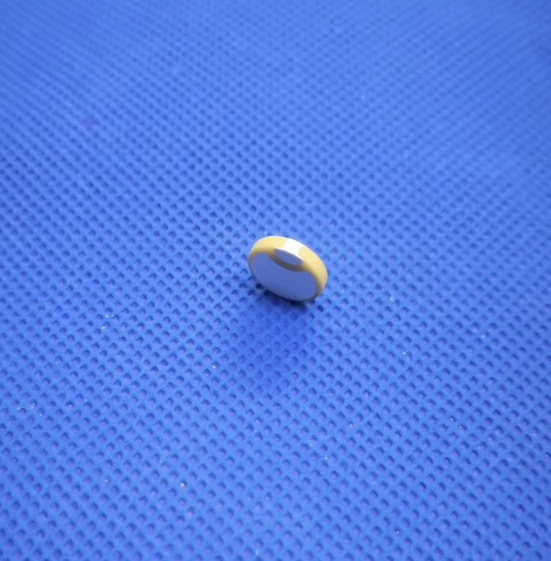
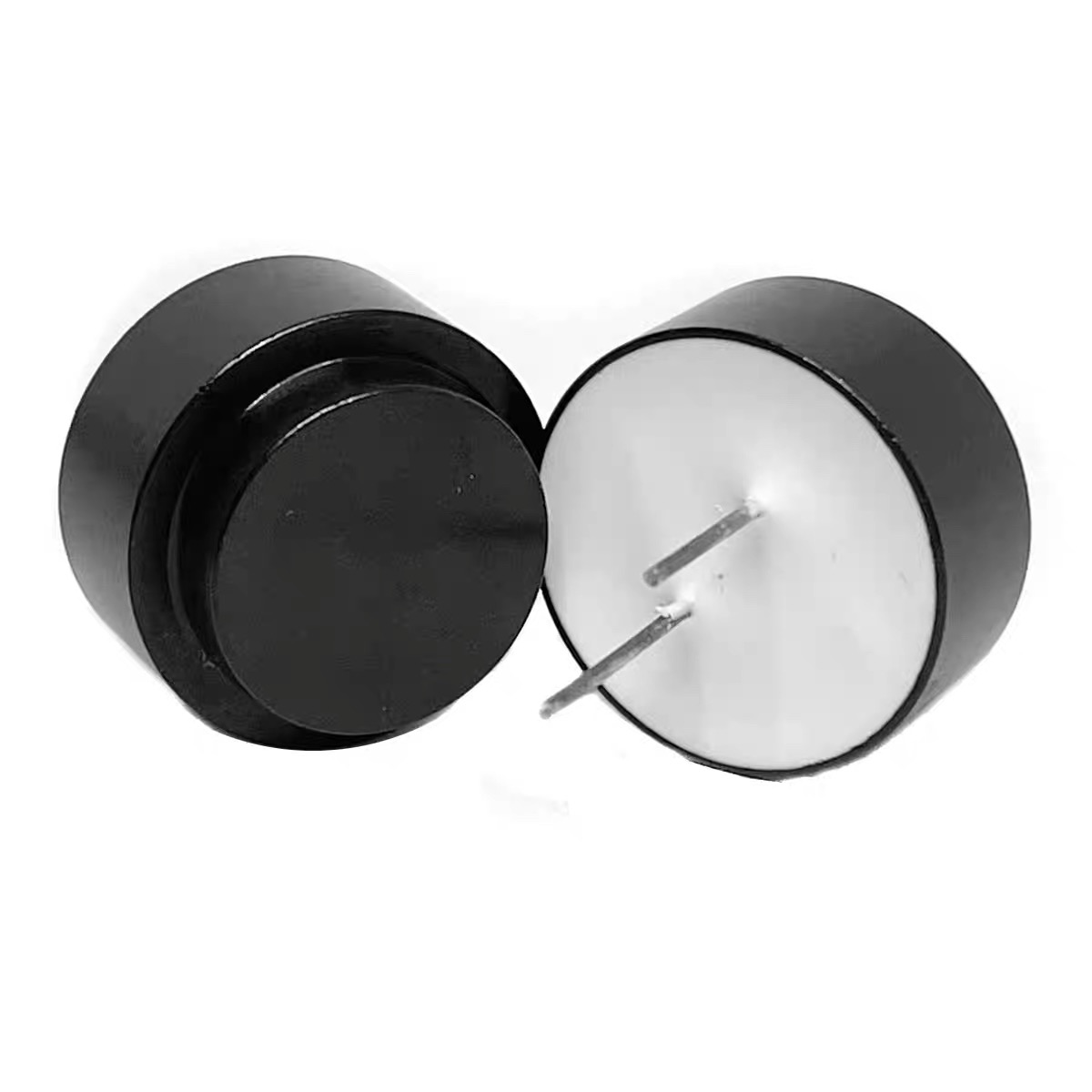
Direct integration of custom PT100 RTD probes, piezoelectric transducers, SHT humidity sensors, and aluminum heat sinks manufactured in our ecosystem.
Direct Air Freight to London
Expedited DDP air logistics delivering directly to London Heathrow (LHR) and London Gatwick (LGW) cargo terminals in 3 to 5 business days after sign-off.
Bespoke DFM Engineering
Every Gerber, DXF, and BOM file receives comprehensive Design for Manufacturability review from senior electronic and mechanical engineers before tooling.
Procurement FAQs for the London & UK Electronics Market
Clear, transparent answers addressing common technical, regulatory, and logistical inquiries from UK hardware engineering and purchasing teams.
How do you prevent silver migration in humid British outdoor environments?
We deploy high-temperature heat-stabilised polyester films and apply a proprietary conductive carbon overcoat over all screen-printed silver circuit paths and switch pads. The carbon layer acts as an electrochemical buffer that completely prevents silver dendrite formation, even under prolonged DC bias in condensing high-humidity conditions (meeting IEC 60068-2-78 damp heat test criteria).
Can you customize membrane switches with anti-microbial coatings for NHS clinical devices?
Yes. For London medical and hospital device manufacturers, we specify Autotex AM (incorporating Microban silver-ion antimicrobial technology directly into the textured hardcoat during resin extrusion). This protective layer remains active for the lifespan of the equipment and actively destroys 99% of bacteria (such as MRSA and E. coli) while resisting clinical sanitising alcohol washdowns.
What is the typical shipping lead time from your Shenzhen factory to Greater London?
Standard prototype sample orders are fabricated within 7 to 10 working days following DFM approval. Once dispatched via expedited international air courier (DHL Express, FedEx International Priority), shipments land at London Heathrow (LHR) within 3 to 5 business days. For volume series, we support door-to-door Delivered Duty Paid (DDP) arrangements handled by dedicated UK customs clearance partners.
What CAD and artwork files are required to initiate tooling and quotation?
To provide a rapid 24-hour engineering assessment, please provide: (1) Vector artwork in Adobe Illustrator (.AI), PDF, or CorelDraw format with Pantone/RAL color callouts; (2) Mechanical enclosure cutouts or outline drawings in DXF or STEP format showing tail routing and connector positioning; and (3) Electrical schematic or circuit routing Gerber files detailing key matrix connections and pinout assignments.
Can your factory supply integrated aluminum backer plates and heatsinks?
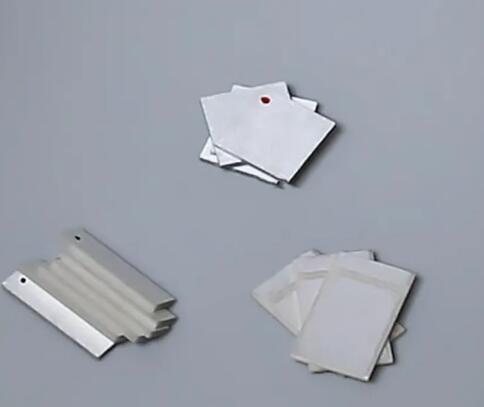
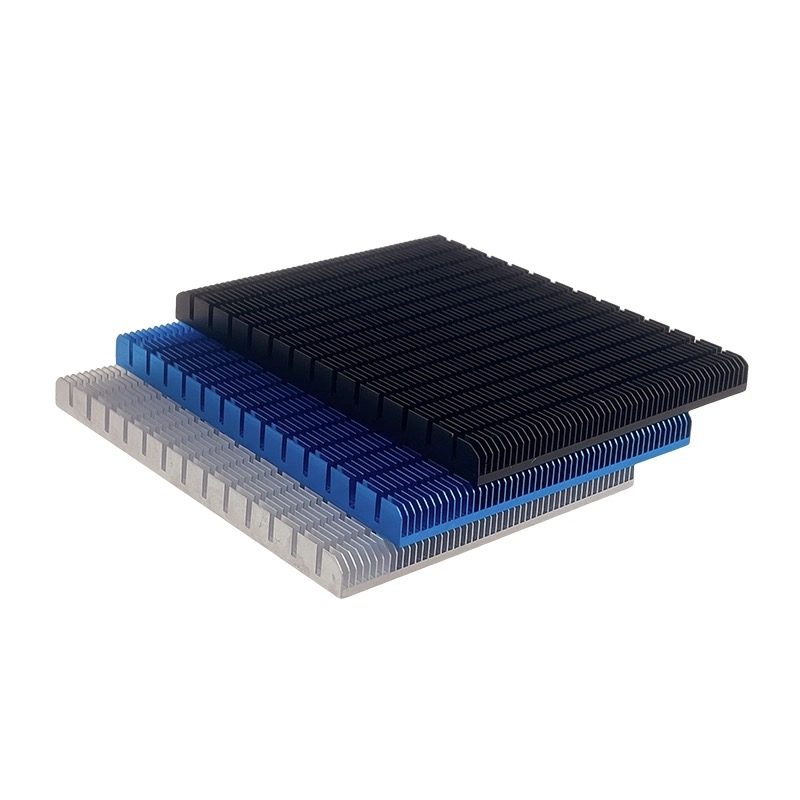
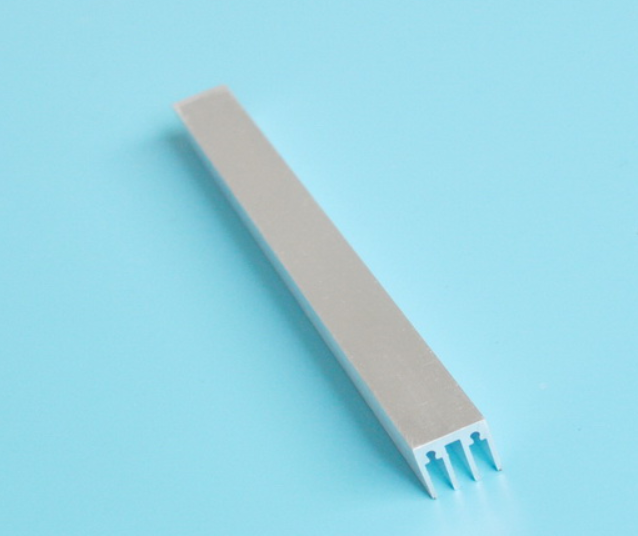
Absolutely. We produce CNC-machined and punched aluminum backing plates (1.0mm to 3.0mm thickness) with pressed PEM studs, threaded standoffs, and custom anodised finishes. We can also mount high-efficiency extruded aluminum heatsinks directly to your PCBA-membrane interface to manage heat dissipation from onboard LED drivers and power ICs.
What tactile feedback actuation options do you offer for harsh field operations?
We provide four distinct mechanical switch profiles: (1) Stainless steel snap domes with trip forces from 220g to 450g for distinct positive tactile clicks; (2) Poly-dome embossed polyester switches for smooth, quiet industrial actuation; (3) Non-tactile flat membrane switches with audible/visual buzzer confirmation; and (4) Integrated PCB-backed micro-tactile surface mount switches for extreme-vibration transport applications.
Accelerate Your UK HMI Project with Direct Shenzhen Factory Support
Submit your Gerber designs, mechanical DXF drawings, or BOM schedules. Our senior engineering team provides comprehensive DFM reviews and detailed quotations tailored for London and UK industrial deployments.
Contact Us