Specialized Electronics & Front Panel Sub-Systems
Seamlessly bridging graphic human-machine interfaces, precision piezoelectric transducers, bare-die photodiodes, and high-integrity signal interconnection.
Engineering Authority: Membrane Keypads, Sub-Surface Graphics & HMI Synthesis
In modern industrial electronics, the printed front panel represents far more than an aesthetic enclosure cover; it acts as the primary sensory, environmental, and tactile barrier interfacing operators with complex embedded computational hardware. Manufacturing and exporting high-performance front panels for industrial applications in Rome, the wider Lazio aerospace corridor, and pan-European markets demands exacting material science, stringent sub-surface screen/digital printing tolerances, and comprehensive circuit-level integration.
Whether engineering an IP67-rated control interface for automated production machinery or manufacturing an electromagnetic interference (EMI) shielded capacitive front panel for diagnostic medical instrumentation, Shenzhen Mivo Electronics integrates robust substrates with turnkey printed circuit board assemblies (PCBA) and discrete sensing elements.
Material Selection: Polycarbonate (PC) vs. Biaxially Oriented Polyester (PET)
The structural baseline of any printed front panel lies within the polymer film selection. Engineering teams must rigorously balance mechanical flex life against chemical and ultraviolet exposure profiles:
| Substrate Parameter | Autotex / Autotype Polyester (PET) | Lexan Polycarbonate (PC) | Hardcoated Acrylic / PMMA |
|---|---|---|---|
| Actuation Flex Life | > 5,000,000 cycles (Embossed dome) | ~ 100,000 cycles (Prone to stress cracking) | Rigid (Non-flexible overlay plate) |
| Chemical Resistance | Exceptional (Alcohols, solvents, greases) | Moderate (Sensitive to aromatic hydrocarbons) | High resistance to atmospheric oxidants |
| Optical Clarity & Haze | Textured, anti-glare, fine-velvet options | Water-clear (>90% light transmission) | Optically crystal-clear for LCD/OLED windows |
| Thermal Endurance | -40°C to +120°C operational limit | -30°C to +105°C heat deflection point | -20°C to +80°C maximum threshold |
| Dielectric Strength | 15–20 kV/mm (Excellent ESD buffer) | 12–16 kV/mm | 18 kV/mm |
By employing selective sub-surface multi-color screen printing with UV-cured or solvent-based dielectric formulations, graphics, branding, and status indications are shielded underneath the substrate, completely eliminating the risk of wear from abrasive scrub-downs, corrosive disinfectants, or heavy mechanical contact in demanding plant environments.
5,000,000+
Switch Flex Cycles
IP67 / NEMA 4X
Ingress Protection Grade
< 1.5 Ω
Silver Circuit Trace Resistance
100% AOI & OQC
Pre-Export Verification
Rome & Central Italy: Regional Industry Dynamics & Application Vectors
Rome and its surrounding metropolitan territory—including the industrial belts along Via Tiburtina, the Pomezia pharmaceutical district, and the Civita Castellana automation ecosystems—have shifted from legacy electro-mechanical switches toward high-density, multi-functional human-machine interfaces. Italian systems integrators increasingly require imported electronic sub-assemblies that comply rigorously with European Union directives including RoHS, REACH, CE marking, and Machinery Directive 2006/42/EC.
Aerospace & Defense (Rome-Lazio Hub)
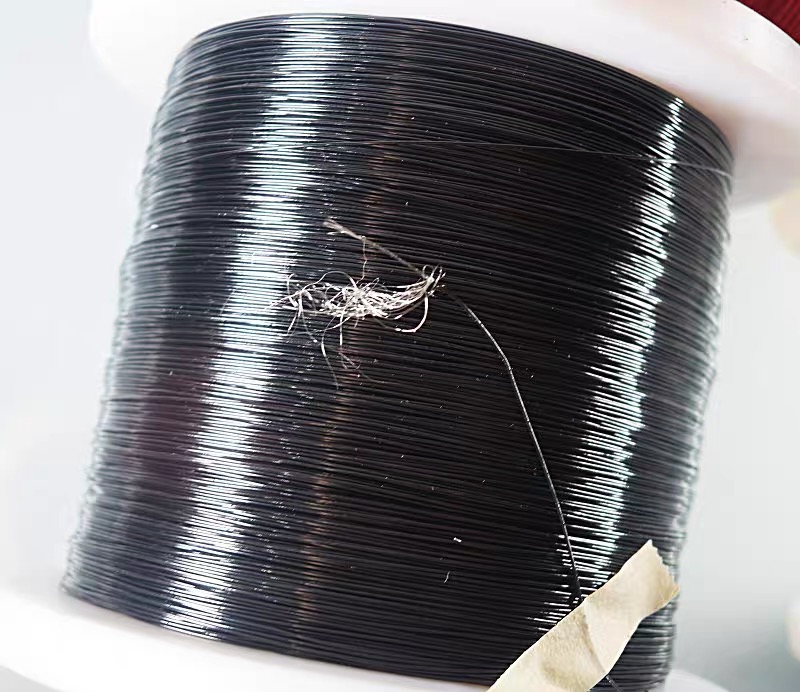
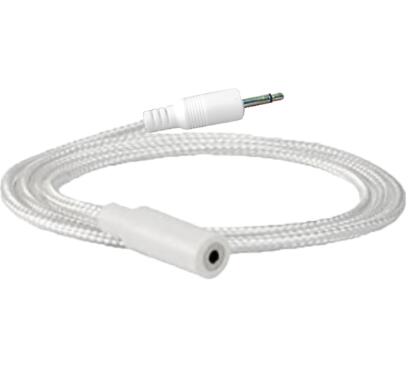
Flight management controllers, ground support telemetry units, and marine navigation instrumentation require aluminum backing plates matched with EMI-shielded, laser-cut printed overlays and specialized 36AWG micro-coaxial signal cables for clean high-frequency transmission.
Pharma & Bio-processing (Pomezia Cluster)
Autoclave controls, cleanroom analytical consoles, and sterilization chambers demand non-porous, chemically inert polyester front panels capable of withstanding chlorine-based wipe-downs and steam exposure without ink degradation or seal failure.
Rail & Urban Transit (Roma Metropolitane)
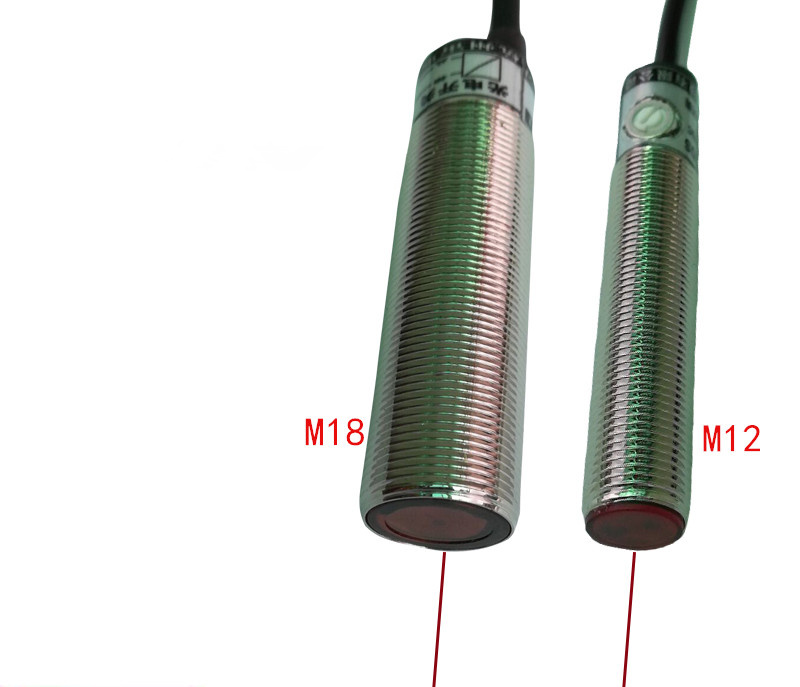
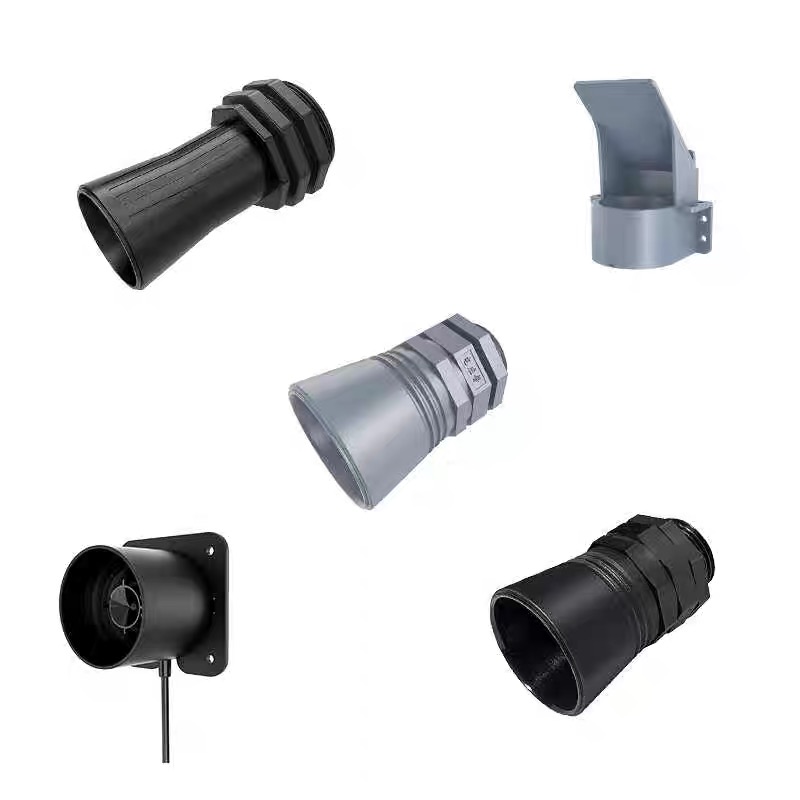
Wayside signaling systems, ticketing terminal panels, and onboard monitoring consoles utilize vandal-resistant embossed metal tactile domes and back-mounted ultrasonic liquid-level and photoelectric diffuse sensing modules for continuous diagnostics.
Procurement & Technological Trends in Lazio's Electronics Industry
As Rome's industrial sectors align with the European Green Deal and Italian Transition 5.0 incentives, procurement criteria for printed front panels have matured significantly. OEM engineers are moving rapidly away from pure cosmetic overlays toward high-complexity front panel units with fully populated PCBA backbones:
1. Direct Display Bonding & Dead-Front Inks: Integration of clear anti-glare display windows optically bonded with capacitive touch sensors. Utilizing proprietary "dead-front" translucent inks allows indicators to remain entirely hidden from view until selectively backlit by onboard SMT LEDs, creating clean, modern dashboard aesthetics demanded by European machine builders.
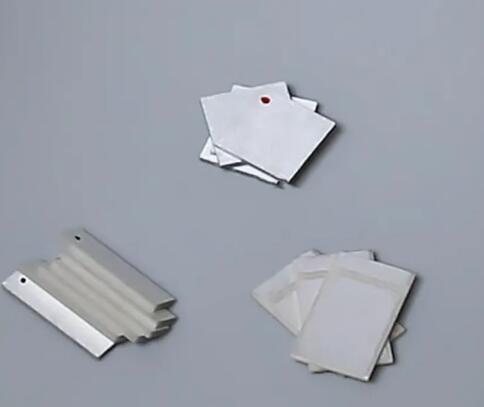
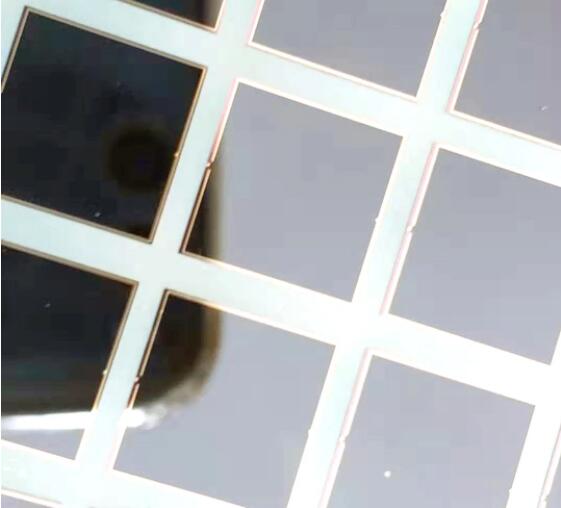
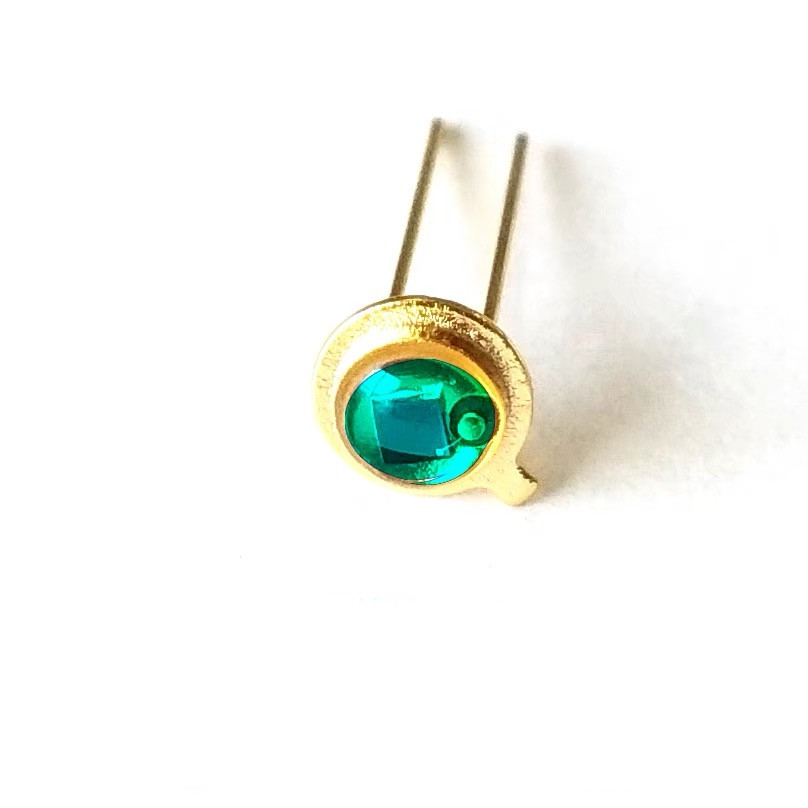
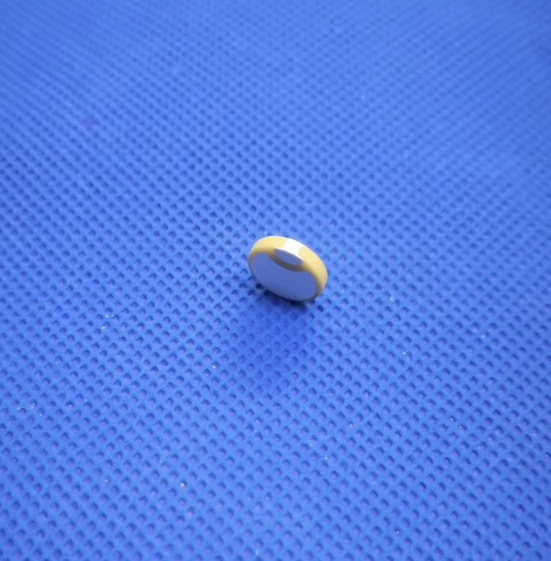
2. Multi-Functional Sensor Integration: Modern front panel systems now house embedded telemetry components. Our engineering division pairs custom printed switch layers directly with discrete devices—such as our PZT D15 ultrasonic shear plates for structural health acoustic monitoring, or linear silicon photocell chips for precision optical power feedback.
3. Advanced ESD & RFI Protective Grounding: To satisfy stringent European CE electromagnetic compliance standards, our front panel assemblies incorporate printed silver mesh grounding planes or carbon conductive inner liners. This architectural framework diverts electrostatic discharges of up to 25 kV away from internal microcontrollers straight to chassis ground.
Why Rome & European Engineering Firms Choose Mivo Electronics
Sourcing directly from our onsite-verified manufacturing operations in Shenzhen gives European procurement departments immediate access to a complete hardware ecosystem—eliminating split contracts between graphic printers, PCB layout shops, and cable assembly houses.
Full Turnkey PCBA to Enclosure
Single-source accountability covering bare board fabrication, component sourcing, SMT/THT mounting, firmware loading, membrane switch printing, and sub-assembly casing.
Rapid Prototyping Flexibility
Agile engineering pipelines supporting custom prototyping orders from 5 pieces. Rapid DFM analysis of Gerber, BOM, and graphic vector files provided within 24 hours.
Onsite-Verified Quality Audits
Certified operational facilities verified by third-party inspection firms. Over 8 continuous years of global export performance with an established 4.7/5 customer rating.
Component Integrity & Traceability
Direct supply-chain access across the premier Shenzhen electronic components distribution network. Equivalent alternates proposed strictly with formal engineering change sign-off.
Integrated Sensor Engineering
In-house manufacturing of specialized probes: PT100/PT1000 RTDs, ultrasonic ranging transducers, leakage cables, and TO-packaged high-speed photodiodes.
Seamless Pan-EU Logistics
Familiarity with Italian customs documentation, Taric classification, DDP air-freight pipelines to Rome Fiumicino (FCO), and complete ESD-safe packaging protocols.
Frequently Asked Questions: Procuring Printed Front Panels in Rome
What engineering design files are required to manufacture custom printed front panels?
To achieve accurate color fidelity, mechanical registration, and functional trace routing, we require vector artwork (Adobe Illustrator .AI, vector .PDF, or CorelDraw .CDR) with PMS (Pantone Matching System) or RAL color specifications. If your front panel incorporates a membrane switch matrix or a rear PCB support board, please supply 1:1 scale CAD drawings (.DXF, .DWG, or .STP) along with standard Gerber (RS-274X) and centroid drill data for electronic circuitry.
How do your front panels withstand humid, marine, or industrial environments in Central Italy?
We employ marine-grade 3M adhesive transfer systems (such as 3M 467MP, 468MP, or 300LSE for low-surface-energy powder-coated plastics) combined with perimeter IP65 to IP67 perimeter gasket barriers. Sub-surface printed inks are protected from moisture, airborne salts, chemical fumes, and mechanical abrasion by the exterior layer of textured polyester or polycarbonate film.
Can you integrate custom tactile domes, backlighting, and display windows?
Yes. We engineer stainless steel tactile snap domes (ranging from 6mm to 20mm with actuation forces from 200g to 500g) offering positive, crisp tactile feedback rated past 1,000,000 cycles. We also provide LED backlighting via embedded ultra-thin SMT LEDs, selective EL (electroluminescent) foils, or light guide films (LGF) alongside clear, tinted, or anti-glare display windows for TFT, LCD, or OLED screens.
What is your minimum order volume (MOQ) for prototypes and series runs destined for Rome?
Unlike many rigid manufacturers, we support prototyping and low-volume pilot runs from 5 pieces. This allows Italian industrial design firms, robotics startups, and medical device innovators to validate physical fit, ergonomic tactile response, and electrical communication before committing to high-volume tooling.
What testing protocols do you execute before shipping front panel assemblies?
100% of front panel electronic switches undergo open/short automated circuit testing, loop resistance verification (typically maintaining conductor traces < 1.5 Ω), contact bounce testing, insulation resistance testing at 100V DC (> 50 MΩ), and automated optical inspection (AOI) for graphic alignment, window haze, and cosmetic uniformity.
How are export tariffs, VAT, and shipping handled for Italian business entities?
We routinely supply companies throughout Italy with standard FOB, CIF, or DDP (Delivered Duty Paid) commercial shipping options via DHL, FedEx, or air cargo. Invoices include comprehensive HS/Taric codes, certificates of origin, RoHS declarations, and CE documentation to enable seamless clearance through Rome Fiumicino customs.