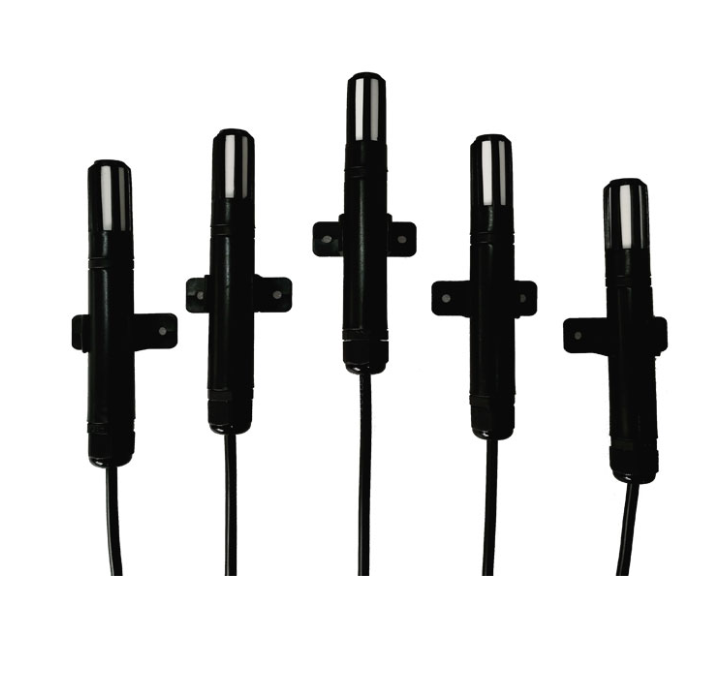
Environmental Sensors
High-Precision Waterproof & High-Temperature Air SHT30 SHT31 Sensor
Calibrated I2C digital output with sintered metal protective casing. Built for harsh meteorological, cleanroom, and HVAC installations.
Direct manufacturer integration: Explore field-tested sensing modules, thermal management profiles, and high-spec sub-assemblies built to ISO & IPC Class 2/3 industry standards.
Calibrated I2C digital output with sintered metal protective casing. Built for harsh meteorological, cleanroom, and HVAC installations.
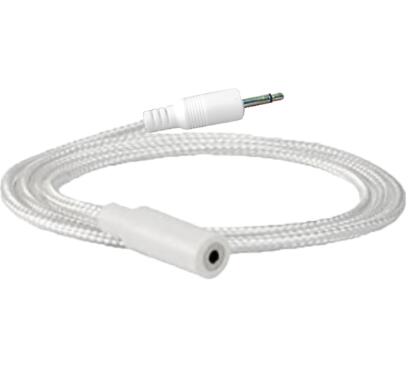
Conductive polymer non-conductive jacket design. Fast detection response for Zurich server clusters, lab basements, and critical facility risers.
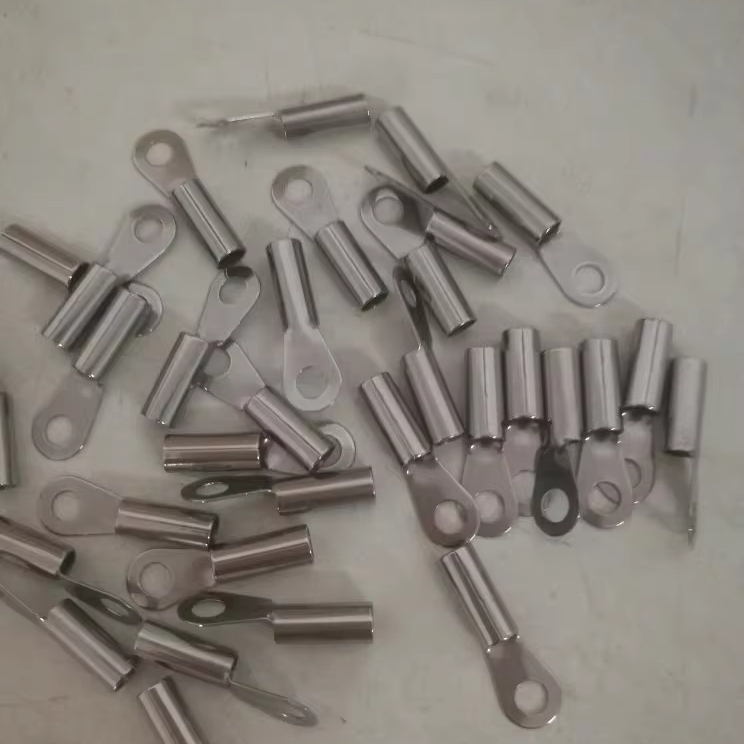
Surface-mount thermal lug terminal housing designed for motor winding thermistors, heat pumps, and power inverter thermal tracking.
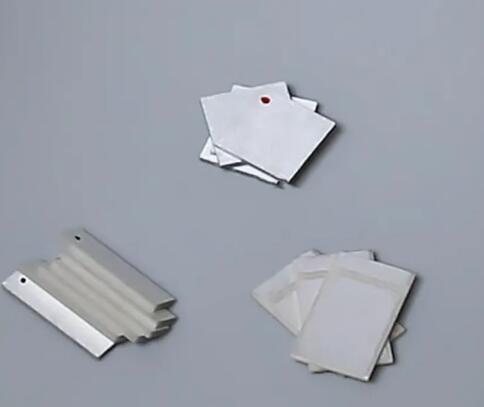
High electromechanical coupling efficiency. Optimized for Swiss laboratory acoustic actuation, flow measurement, and NDT ultrasonic probes.
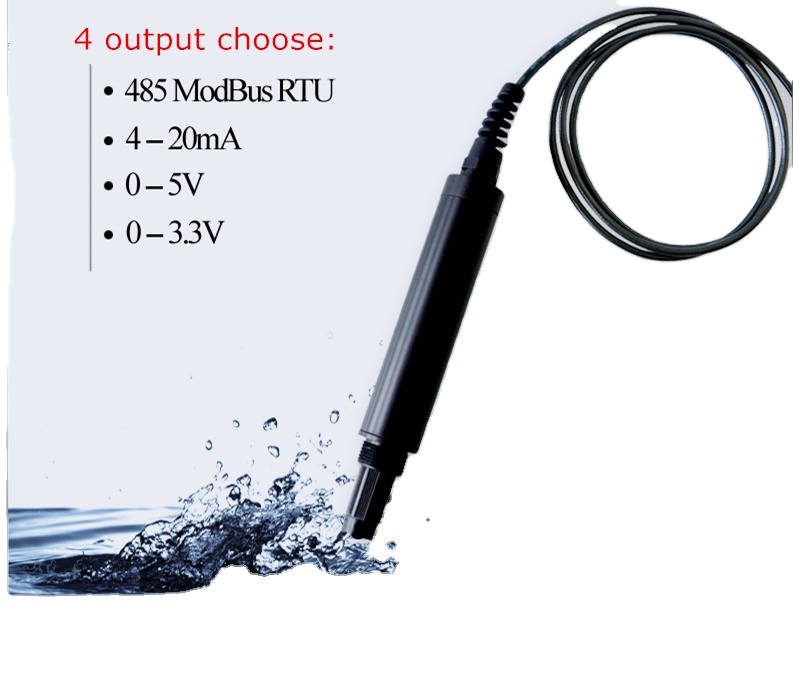
Integrated galvanic/optical sensor with onboard signal conditioning. Resistant to chemical fouling in bioreactors and wastewater monitoring.
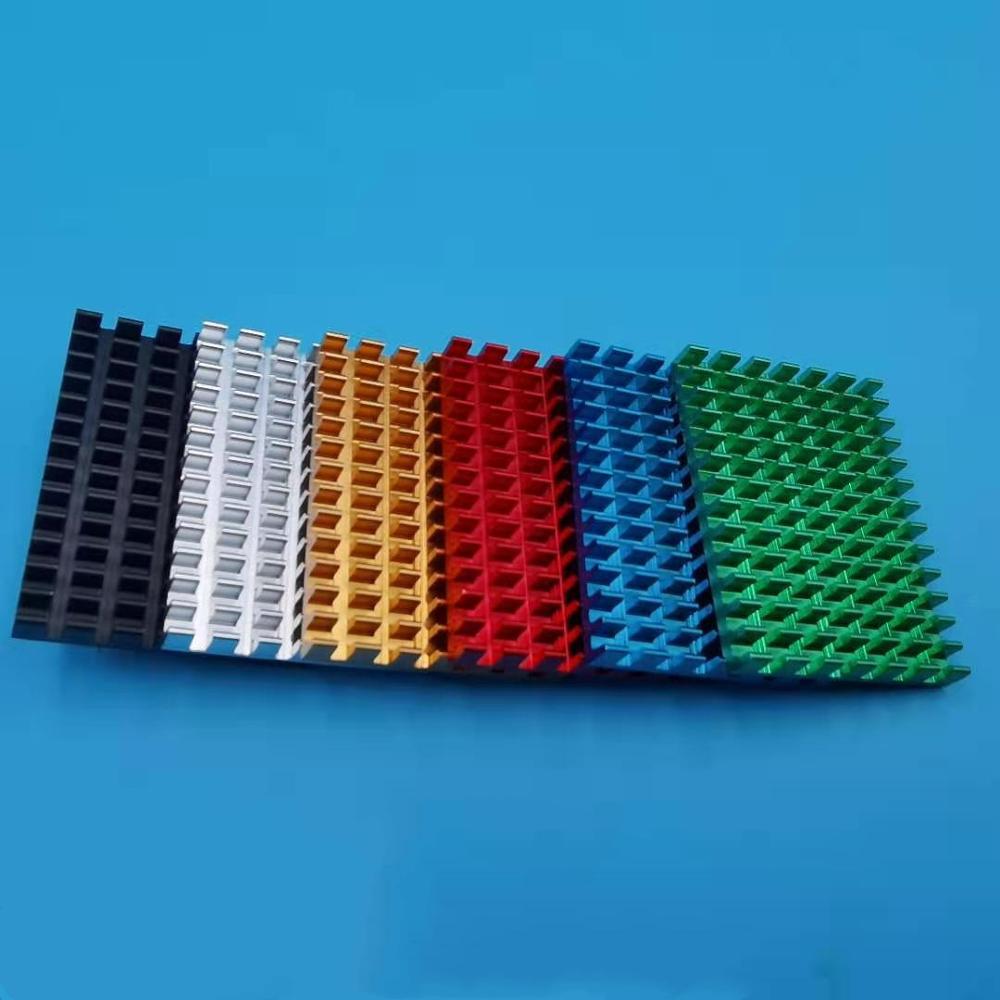
Precision-extruded 6063-T5 aluminum with high thermal conductivity. Passive dissipation for embedded ARM microcontrollers, FPGA, and SoC nodes.
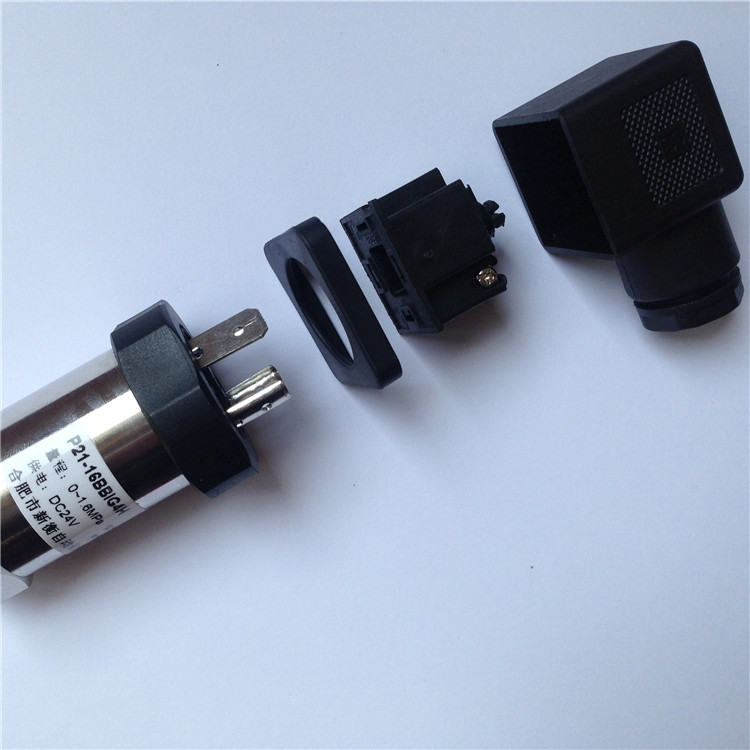
High zero-point stability, isolated 316L stainless steel diaphragm. Tailored for hydraulic manifolds and constant pressure water networks.
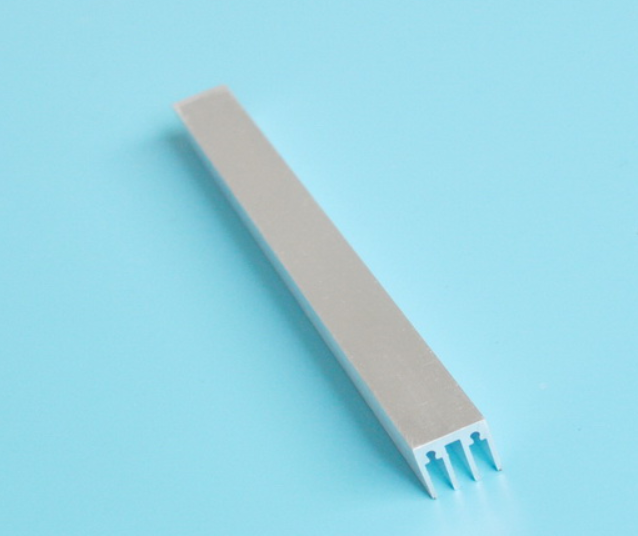
Multi-fin comb radiator designed for linear LED drivers, high-power emitter strips, and power transistor enclosures.
The Zurich metropolitan area—spanning from the tech centers of Oerlikon and Dübendorf to the cantonal innovation hubs of Winterthur, Zug, and Baden—represents one of Europe’s densest clusters of high-precision engineering. Swiss hardware development teams operating out of ETH Zurich spin-offs, micro-engineering firms in Technopark Zurich, and established industrial conglomerates require printed circuit board assemblies (PCBA) that satisfy uncompromising criteria: micro-tolerance accuracy, thermal stability in compact enclosures, and strict compliance with European electromagnetic compatibility (EMC) regulations.
Shenzhen Mivo Electronics Co., Ltd. bridges the gap between Swiss industrial design rigor and Shenzhen’s agile manufacturing speed. By unifying raw PCB fabrication, full bill-of-materials (BOM) sourcing, high-speed SMT placement, and functional testing into a streamlined turnkey pipeline, we eliminate the communication overhead of managing disparate board houses, distributors, and contract assemblers. Whether your engineering department in Zurich requires an ultra-low minimum order quantity (MOQ) of just 5 pieces for proof-of-concept validation or full-volume repetitive production with strict lot-traceability, our manufacturing cells execute to IPC-A-610 Class 2 and Class 3 criteria.
Up to 32 layers with blind & buried microvias, controlled impedance matching (±5%), and high-TG FR-4/Rogers substrates for high-frequency telecommunications and radar sensing.
Dynamic flex polyimide (PI) circuits engineered for Zurich's medical diagnostics, wearable monitoring systems, and multi-axis industrial robotic end-effectors requiring tight bend radiuses.
Direct thermal path aluminum and copper core boards combined with extruded fin radiators to manage thermal flux in high-output LED fixtures and industrial power electronic drivers.
Electronic assemblies exported to Switzerland operate under stringent environmental and technical regimes. Our PCBA engineering pipeline addresses three localized Swiss sectors:
The cantons of Zurich, Lucerne, and Zug house world-leading analytical equipment producers, microfluidics laboratories, and surgical monitoring firms. Electronic hardware deployed here demands extreme baseline signal-to-noise ratios. By integrating high-precision sensors such as the SHT30/SHT31 digital humidity and temperature module and DOS-600 optical dissolved oxygen sensors directly with custom micro-coaxial cable harnessing and clean PCBA boards, we deliver sub-assemblies certified for low-drift laboratory instrumentation, incubator environmental cabinets, and bioreactor control racks.
As autonomous mobile robots (AMRs) and drone navigation systems evolve across Zurich's academic institutes and industrial robotics plants, payload space and power efficiency become paramount. We assemble compact controller mainboards running complex embedded architectures (such as the Robot Vacuum Mainboard V2.0), incorporating planetary DC gearmotors with 16 PPR Hall encoders and ultrasonic ranging arrays. Every board is subjected to rigorous automated optical inspection (AOI) and X-ray inspection (AXI) to prevent cold solder joints under ball-grid array (BGA) components exposed to continuous vibration.
Zurich’s financial infrastructure and regional cloud data hubs (around Glattbrugg and Winterthur) maintain uncompromising uptime mandates. Our wireless water leak detection cable systems, paired with diffused silicon constant-pressure transducers and industrial RTD temperature probes (PT100/NTC), form the backbone of critical facility intelligence. These units detect floor water ingress within milliseconds and feed data through RS485 Modbus or 4-20mA current loops directly to building management systems (BMS).
Procurement specialists and R&D directors in Switzerland are rapidly moving away from unverified broker chains. The 2024–2026 Swiss electronics procurement cycle exhibits three pronounced structural shifts:
1. Shift from Component Brokering to Engineering-Led Turnkey PCBA: Rather than managing separate POs for resistors, bare boards, and solder houses, Zurich procurement managers require one-stop accountability. When a microcontroller faces extended manufacturer lead times, Mivo’s Shenzhen engineering team actively identifies pin-compatible, functionally equivalent automotive- or industrial-grade replacements, submitting complete datasheets and engineering samples for client sign-off before manufacturing runs.
2. Stringent Environmental & Ethical Directives: Products entering the Swiss market must satisfy both national chemical ordinances (ChemRRV) and European directives (RoHS 3, REACH, and WEEE). Our surface finishes—including Lead-Free HASL, Electroless Nickel Immersion Gold (ENIG), and Immersion Silver—are 100% compliant, guaranteeing that high-reliability medical and instrumentation equipment can enter Swiss customs clearance without regulatory friction.
3. Agile Low-Volume Prototyping without Mass-Production Lock-in: Innovation cycles in Zurich demand iterative hardware sprints. While conventional European contract manufacturers enforce high initialization costs or large batch requirements, Mivo enables continuous agile development: prototype runs from 5 pieces with fully laser-cut SMT stencils, automated surface placement, and complete DFM reports provided prior to panelization.
Established in 2016 and verified onsite by global third-party inspection firms, Shenzhen Mivo Electronics operates a purpose-built production and engineering center in the Yuanshan industrial district of Shenzhen. Over our 8 years serving international OEMs, we have maintained a verified buyer rating of 4.7 out of 5 stars.
Our facility bridges the gap between hardware engineering and manufacturing reality. Our engineering department conducts comprehensive Design for Manufacturability (DFM) and Design for Testing (DFT) reviews on every Gerber and BOM submission. We check for solder mask slivers, trace clearances, via hole aspect ratios, thermal relief balances on power planes, and potential shadowing during reflow soldering. By solving physical yield bottlenecks in the digital phase, we guarantee seamless transition from first article inspection (FAI) to scalable series production.
Direct answers to the most common technical, logistics, and quality assurance questions asked by procurement teams in Zurich and across Switzerland.
Send us your Gerber files and BOM today. Our engineering department will deliver a comprehensive DFM manufacturability review and complete price breakdown within 24 hours.