Featured Industrial Solutions & System Components
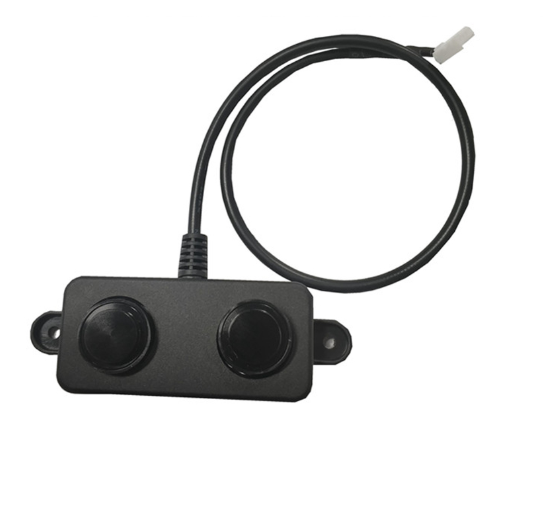
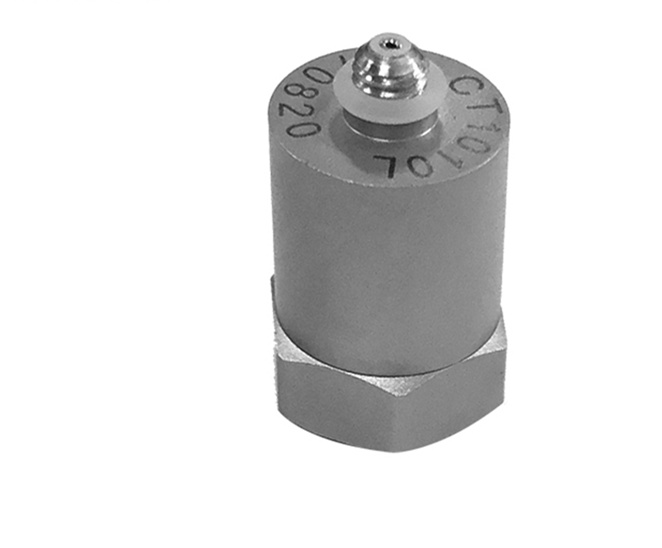
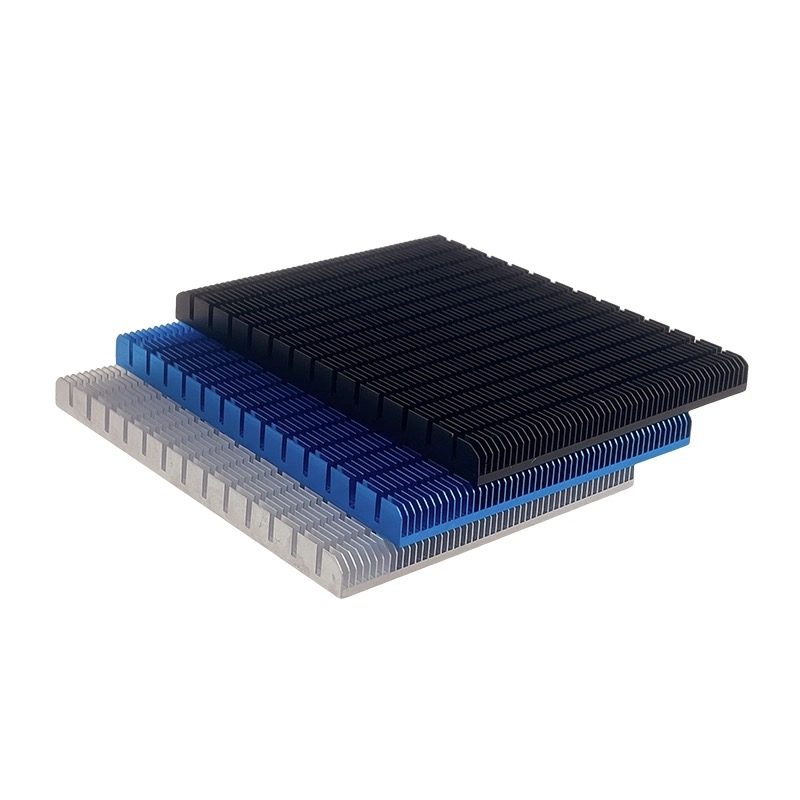
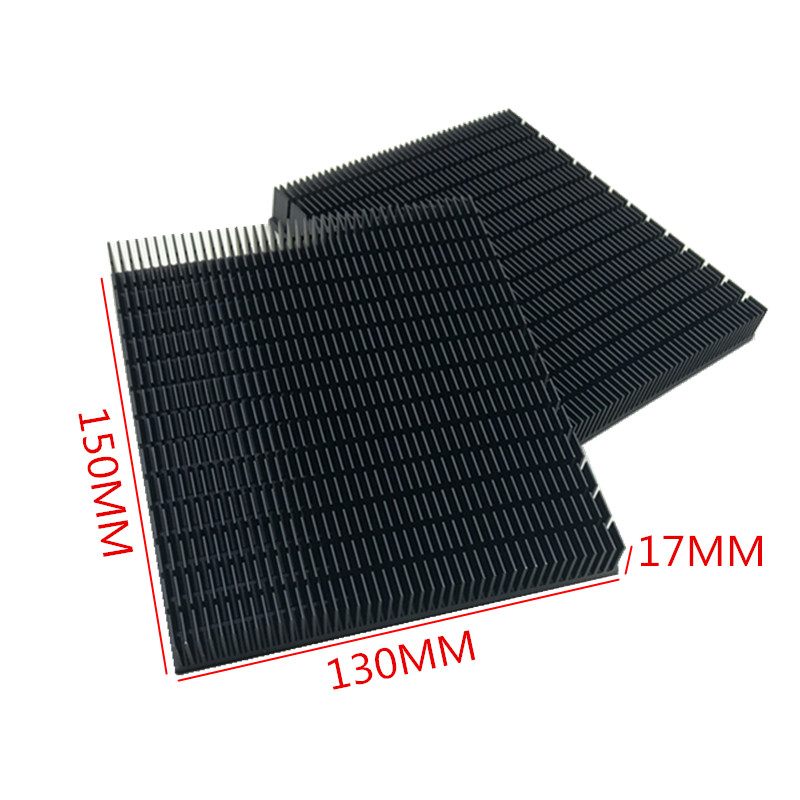
Complementing our membrane touch switch panels, we provide end-to-end industrial sensory, processing, and heat dissipation electronics tailored for mission-critical deployments.
Membrane Switch Architecture: Engineering for Extreme Maritime & Industrial Environments
An authoritative technical breakdown on how precision membrane layers, tactile feedback systems, and ruggedized materials ensure seamless human-machine interaction in demanding environments like Aiwo.
In the global arena of industrial automation and human-machine interface (HMI) design, the membrane touch switch remains the gold standard for reliable, sealed, and durable operation. When delivering control components to strategic hubs like Aiwo, engineering specifications must drastically evolve beyond conventional consumer standards. Aiwo represents an operational landscape exposed directly to high atmospheric salinity, severe humidity fluctuation, prolonged ultraviolet radiation, and fine particulate dispersion from heavy coastal mining and processing logistics. In this rigorous context, standard capacitive or traditional electromechanical interfaces inevitably fail through seal degradation, trace corrosion, and mechanical seizure.
A membrane touch switch manufactured by Shenzhen Mivo Electronics serves not merely as a graphic keypad, but as an engineered barrier system. Utilizing ultra-stable autotype polyester films (PET), fluoropolymer coatings, and specialized graphic underlays, our panels provide continuous chemical protection against harsh cleaning agents, hydrocarbons, and salt spray. By hermetically sealing switch circuits with isotropic conductive adhesives and screen-printed silver or carbon inks, moisture ingress is eliminated, ensuring insulation resistance exceeding 100M ohms even at 98% relative ambient humidity.
Furthermore, our integrated engineering workflow bridges tactile human feedback with absolute digital accuracy. By selecting precision-formed stainless steel domes (nickel- or gold-plated) calibrated to actuation forces between 250g and 450g, we supply operational certainty to technicians operating machinery while wearing heavy protective gloves. With integrated SMT micro-LEDs, fiber optic backlighting pathways, and complete shielding layers against Electromagnetic Interference (EMI/RFI), our switches demonstrate resilience across mission-critical controls, marine electronics, localized desalination infrastructure, and automated power distribution units.
Localized Application Scenarios across Aiwo’s Core Sectors
Designing HMI hardware engineered specifically to counteract corrosive marine winds, high thermal expansion, and mechanical vibration.
Mining, Extraction & Bulk Handling
Aiwo's continuous mineral handling operations demand control enclosures that defy phosphate dust ingress, constant vibration, and abrasive wear. Our custom IP67 membrane assemblies incorporate back-sealed silicone perimeter gaskets and hard-coat texturing that withstand repetitive physical impact and particle buildup without graphic abrasion or contact fouling.
Marine, Port Logistics & Desalination
Operating near seawater requires complete dielectric isolation to counteract electrolytic corrosion. Our circuits use solid-layer printed silver bridges overcoated with carbon resistors, paired with 3M 300LSE adhesive laminates that do not delaminate when subjected to saline moisture, maritime fog, or continuous exposure to brackish water.
Microgrid Power & Thermal Controllers
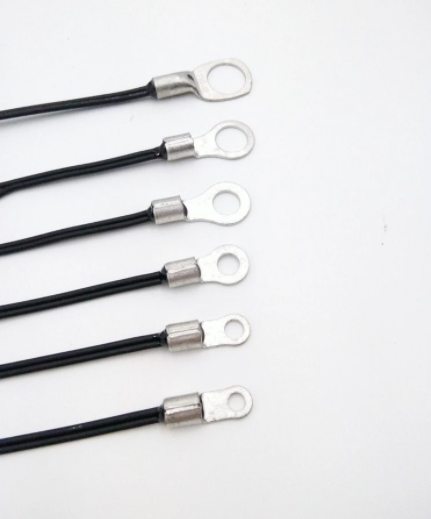
Equipped with thermal-conductive aluminum backplates, integrated NTC temperature probes, and shielded 36AWG micro-coaxial connectors, our membrane interfaces form an unbroken bridge to onboard microcontrollers, allowing operators to monitor electrical grids without risk of thermal runaway or electrostatic discharge (ESD).
Technological & Procurement Trends in the Pacific Region
How edge IoT integration, modular PCBA supply chains, and localized sustainability standards are redefining sourcing choices.
The Pacific industrial corridor—and the Aiwo market in particular—is transitioning through a transformative infrastructure renewal cycle. As plant automation, distributed renewable generation, and municipal water purification operations migrate toward semi-autonomous control, the requirements for HMI hardware have altered dramatically. Procurement managers and lead system engineers no longer purchase isolated, dumb switches; they seek fully integrated sub-assemblies that consolidate user interaction, sensor input telemetry, and direct edge communication.
One prevalent trend is the convergence of capacitive touch sensing with tactile membrane overlays. While modern operators appreciate the sleek, low-profile aesthetics of touch panels, high-vibration heavy equipment requires positive haptic confirmation to prevent accidental activation. Consequently, hybrid layouts—combining multi-touch capacitive slider areas with metal-dome push buttons for critical start/stop overrides—are becoming standard. This hybrid configuration demands high-precision multilayer FPC (Flexible Printed Circuit) substrate engineering, matching the exact dimensional tolerances of extruded aluminum radiators and modular junction enclosures.
Another driving factor is the necessity for supply chain consolidation. In an isolated geographic location, sourcing bare boards from one source, sensors from another, and membrane overlays from a third results in prohibitive freight logistics, delayed assembly timelines, and fractured warranty liability. The dominant market trend favors suppliers capable of Turnkey Hardware Integration: delivering assembled rigid-flex circuit boards (PCBA) pre-integrated with SMT connectors, soldered ultrasonic or vibration sensor leads, thermal mitigation heatsinks, and pre-tested membrane switch faceplates in a single, certified unit ready for chassis installation.
Why Shenzhen Mivo Electronics is the Preferred Global Partner
Direct factory execution, transparent component verification, and rigorous quality control from Shenzhen’s world-leading electronics center.
Onsite-Verified Factory Status
Unlike trading intermediaries, our manufacturing facility has successfully completed rigorous on-premises physical audits verified by international third-party inspection firms. Operating with 51–100 skilled specialists, we maintain full accountability across internal cleanrooms, automated screen-printing, SMT lines, and laser die-cutting bays.
Low Prototype MOQ & Scale Velocity
We believe engineering breakthroughs require friction-free prototyping. While conventional factories mandate high minimum quantities, Mivo Electronics welcomes custom prototype orders starting from just 5 pieces for PCBA modules and membrane switch iterations, protecting your R&D budget before transitioning to bulk production.
Full Lifecycle DFM Engineering
Our experienced engineering team performs extensive Design For Manufacturability (DFM) audits prior to machine setup. We analyze Gerber files, layer clearances, actuation stroke tolerances, pinouts, and BOM sourcing integrity, providing detailed engineering advisories that prevent expensive field failures.
Aiwo Buyer FAQ: Technical, Logistics & Sourcing Specifications
Direct answers addressing technical trade, material certifications, environmental resilience, and international dispatch workflows.
How do Mivo membrane touch switches resist the high-salt, high-humidity atmosphere of Aiwo?
What engineering documentation is required to generate an accurate production quotation?
Can Mivo integrate active sensors, backlighting, and heatsinks directly with the switch interface?
What is the operational lifespan and tactile switch rating for heavy industrial deployment?
What are the lead times and shipping logistics for delivery to Pacific regional sites?
How does Mivo Electronics handle component obsolescence and supply integrity?
Kickstart Your Custom Switch & Electronic Hardware Order
Consult directly with Shenzhen Mivo Electronics' engineering department. Whether you require custom marine-grade membrane panels, high-precision telemetry sensors, or prototype SMT board assembly, our team guarantees rigorous DFM feedback, transparent pricing, and rapid delivery.