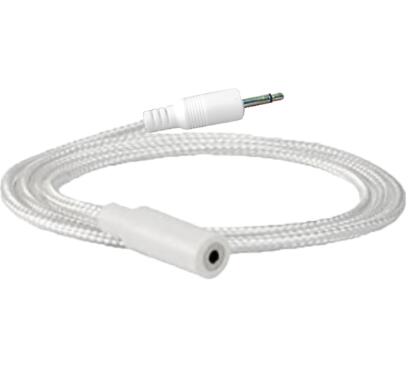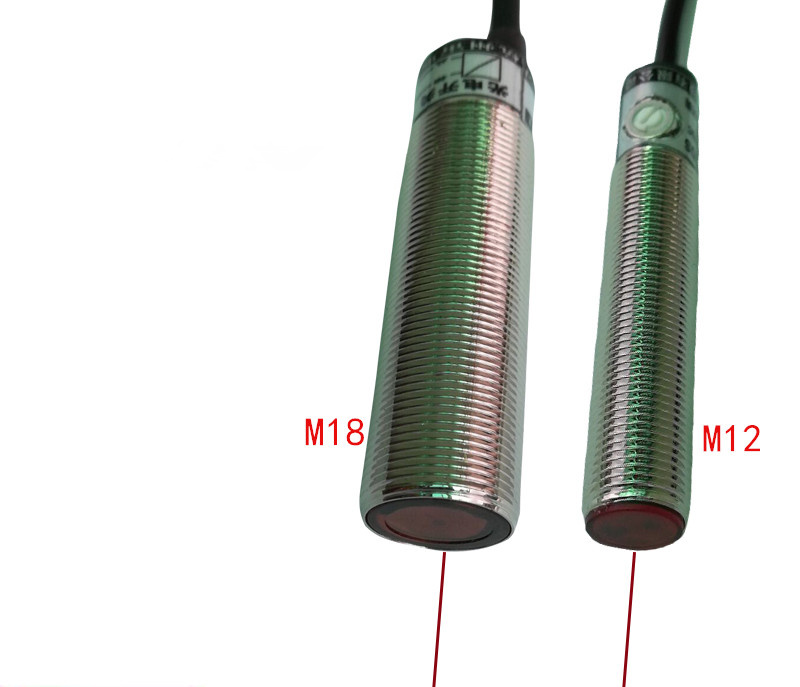
M18 Laser Sensor Visible Light Photoelectric Diffuse Reflection Sensor
Industrial visible beam with integrated M12 connector. High switching frequency suited for automated lines in Ülemiste City smart factories.
Engineered for cold-climate durability, advanced sub-assembly integration, and strict EU industrial compliance. Explore our precision sensors, specialized thermal sinks, and coaxial harnesses.
Industrial visible beam with integrated M12 connector. High switching frequency suited for automated lines in Ülemiste City smart factories.
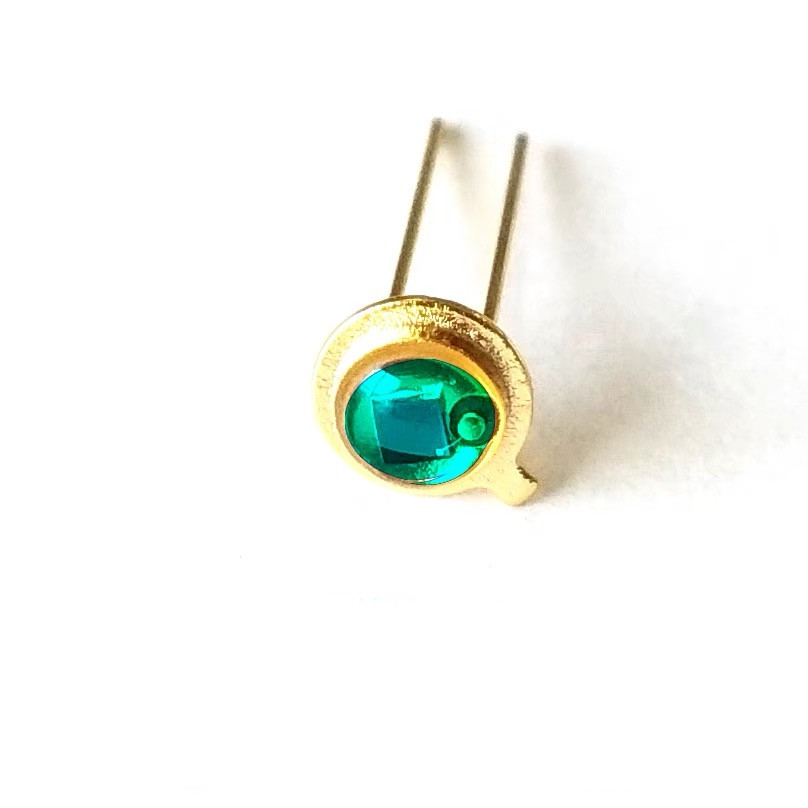
Sub-nanosecond optical response in robust hermetic metal packaging. Ideal for optical telemetry and laboratory robotics sensor matrices.
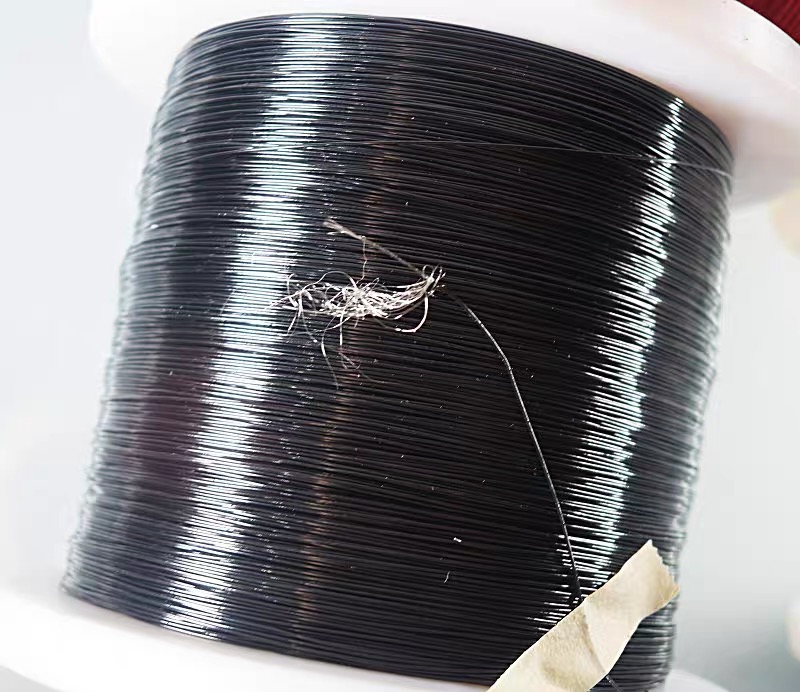
Loss-minimized micro-coax for tightly packed avionics, defense telemetry, and wearable medical sensors requiring high-frequency signal integrity.
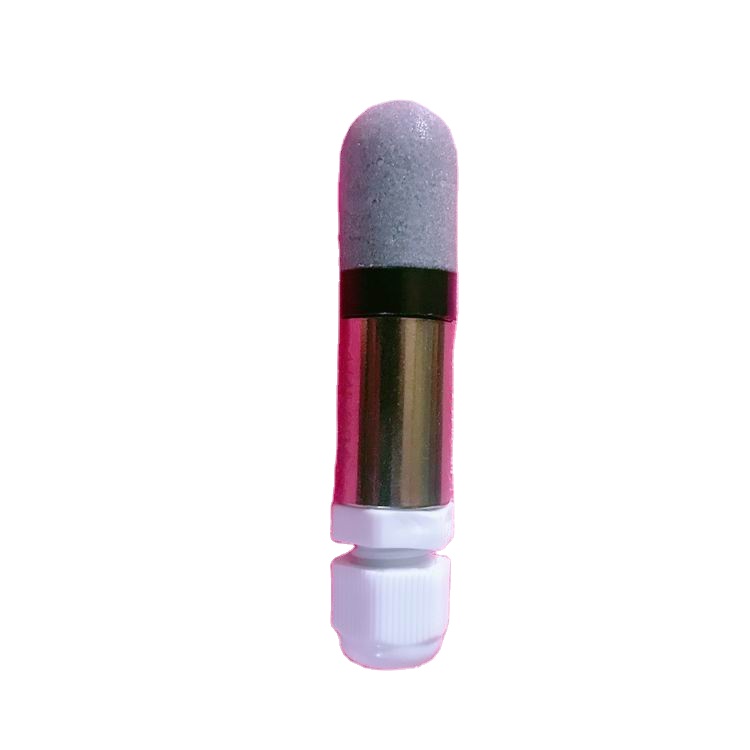
Sintered porous polyethylene protection ensuring air permeability while sealing against moisture ingress in Baltic outdoor agricultural arrays.
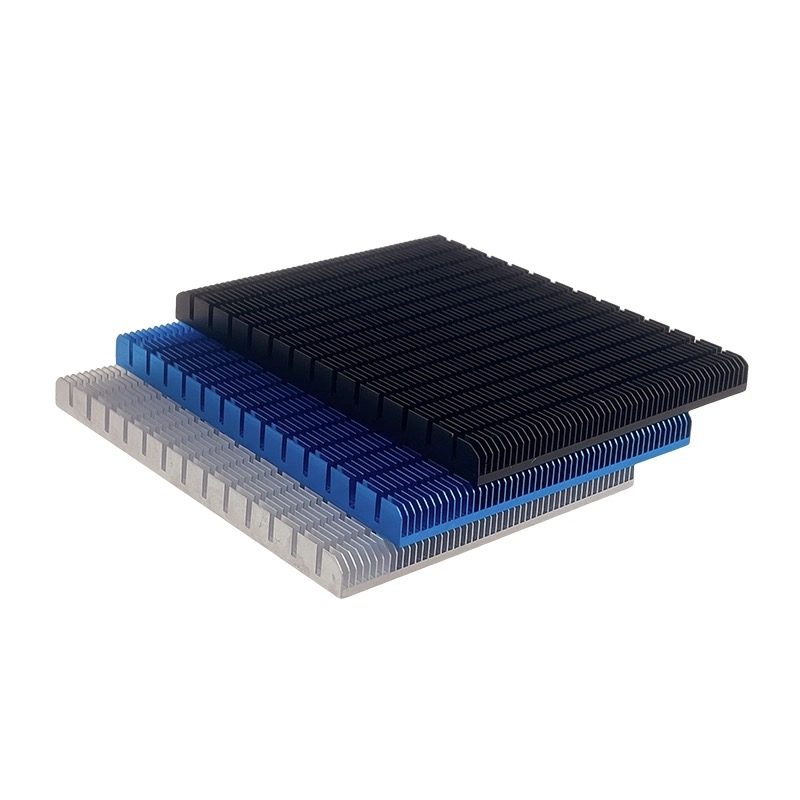
High-fin-density aluminum dissipation for embedded computer modules, high-current MOSFET arrays, and solid-state telemetry drives.
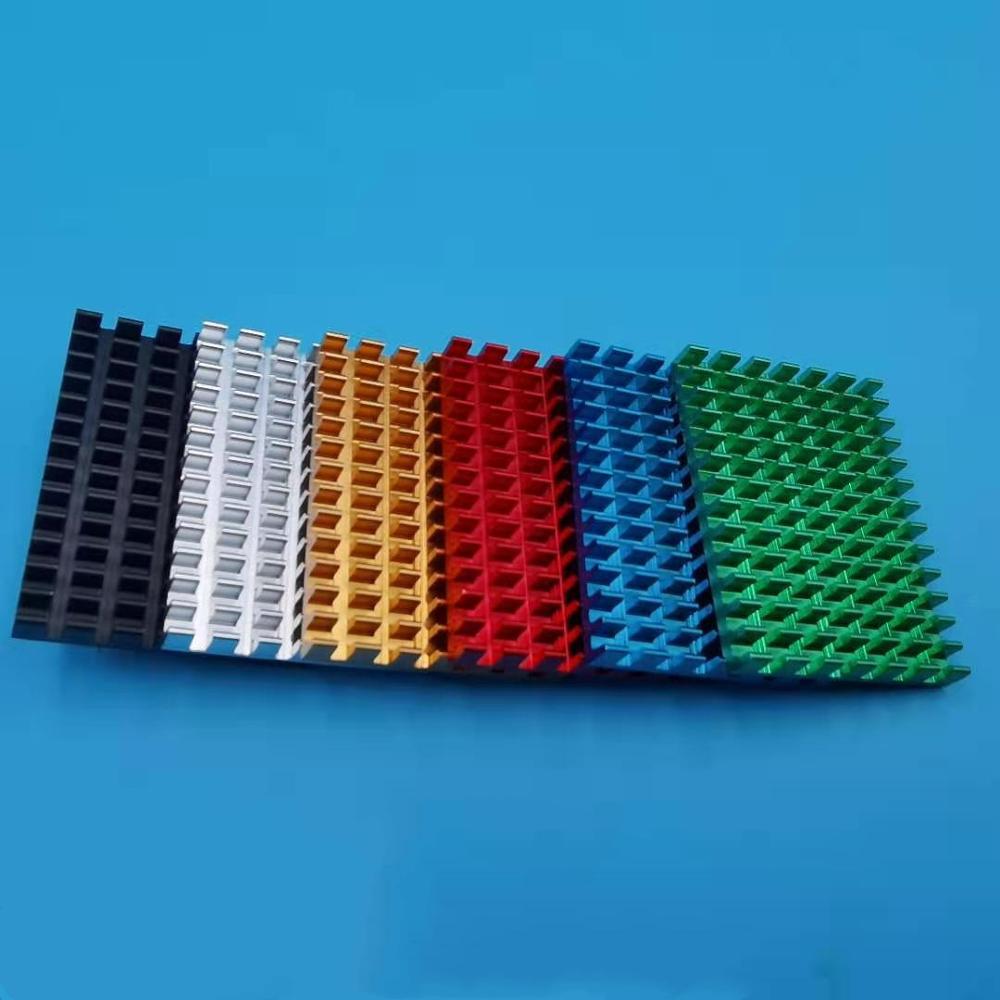
Low-profile form-factor tailored for compact network gateways, localized microcontrollers, and edge IoT devices running dense compute routines.
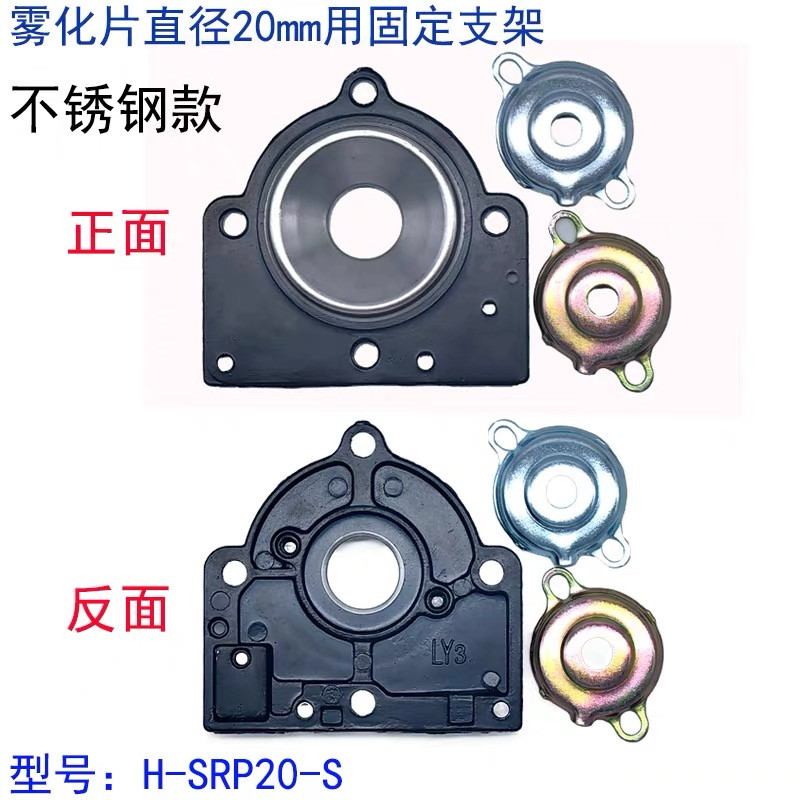
Resistant to corrosive mist and mineral deposits. Custom fixture designed for aerosol medical equipment and smart lab environmental fixtures.
Continuous-contact conductive polymer rope designed for data centers, municipal pump manifolds, and automated commercial facility protection.
Tallinn, renowned as the digitized jewel of the Baltic basin, harbors one of Europe’s most dynamic hardware-software convergence corridors. From deep-tech autonomous robotics enterprises centered around Tehnopol Science and Business Park to green maritime electronics operating out of Muuga Harbour, the demand for fast, resilient, and verifiable Printed Circuit Board Assembly (PCBA) has surged beyond standard off-the-shelf brokerage. Estonian engineering teams do not merely buy boards; they integrate complex electronic assemblies that must withstand harsh sub-zero Baltic conditions, meet rigorous CE and RoHS standards, and transition seamlessly from low-volume prototypes (5–50 pieces) to sustained mass deployments.
Shenzhen Mivo Electronics Co., Ltd. fills this exact technological conduit. By combining onsite-verified manufacturing operations in Shenzhen’s Yuanshan industrial district with agile, direct-to-engineer communication, we eliminate the costly markups and sluggish turnaround times historically imposed by Nordic intermediary brokers. Whether your application requires multilayer HDI routing for subsea autonomous inspection drones or thermally optimized metal-core PCBs for cold-chain battery management, our engineering pipeline delivers precision-tested assemblies straight to Harju County within tight development windows.
Hardware engineering in Estonia presents distinct thermal, mechanical, and regulatory challenges that demand deep component-level expertise. Our PCBA solutions are engineered directly for these domestic application profiles:
Estonia’s ground-breaking sidewalk courier robots and autonomous agricultural rovers demand ultra-compact multi-layer FR-4 boards capable of withstanding constant curb shock, vibrational resonance, and wet winter slush. We employ underfill encapsulation on micro-BGAs and conformal coatings certified against saline atmospheric corrosion.
As the Baltics push toward complete energy independence and digitized distributed power, municipal monitoring requires precision telemetry. Our PCBA lines produce high-creepage, isolated sensor motherboards integrated with Hall transducers and PT100/PT1000 RTD circuits for real-time substation monitoring across rural Estonian distribution grids.
At the Port of Tallinn, cargo tracing and automated docking rely on continuous RF data transmission. We deliver impedance-controlled 50Ω micro-coaxial cable connections (36AWG) and waterproof PE-housed SHT environmental sensor probes rated for marine icing conditions, sub-surface condensation, and prolonged UV exposure.
The electronics manufacturing ecosystem across Estonia and neighboring Scandinavian tech hubs is experiencing three major paradigm shifts that influence how engineering managers source hardware:
1. Compression of the NPI (New Product Introduction) Cycle: Venture-backed startups across Tallinn’s incubator ecosystem can no longer tolerate 8- to 12-week design validation cycles. Teams require prototype assemblies delivered from CAD-to-bench in less than 10 working days. Mivo Electronics supports this rapid iteration with prototype PCBA runs commencing from just 5 pieces, complete with automated optical inspection (AOI) and X-ray reporting for leadless packages.
2. Thermal Dissipation in Miniaturized Enclosures: As compute power migrates from the cloud to localized edge devices, thermal loads within sealed IP67 enclosures have quadrupled. We see widespread adoption of hybrid stacks: heavy-copper inner layers coupled with CNC-machined aluminum radiator heat sinks and specialized thermal conductive tapes to pull heat directly away from onboard neural compute modules without noisy fans.
3. Transparent Component Traceability: Post-pandemic supply disruptions taught Baltic buyers the vital necessity of transparent BOM management. Rather than accepting questionable grey-market brokers, engineers demand verified supply chains. Mivo leverages deep ties with Tier-1 component distributors in Shenzhen, sourcing genuine microcontrollers and passive parts while offering engineered cross-reference alternatives only after rigorous buyer sign-off.
Direct manufacturer accountability with zero trading middlemen. Our physical premises, export capabilities, and quality systems are independently audited and proven over 8+ years of global delivery.
Onsite-verified manufacturing history in Shenzhen
Turnkey SMT & THT with zero minimum volume penalties
Proven international customer feedback and reorder rate
Comprehensive AOI, flying probe, and functional verification
Unlike brokerage desks that farm out production to anonymous workshops, Shenzhen Mivo Electronics maintains consolidated internal capabilities spanning raw PCB fabrication, laser-cut SMT stencil generation, component procurement, and automated pick-and-place assembly. This turnkey integration guarantees that board impedance calculations match fabrication tolerances exactly, preventing the signal degradation commonly seen when bare boards and assembly are handled by disparate vendors.
Furthermore, our dedicated custom sensor division produces bespoke PT100/NTC temperature probes, laser photoelectric detectors, and moisture-sensing cables built to mechanical drawings. This end-to-end integration simplifies procurement for Tallinn purchasing departments: an entire sub-assembly—including board, cable harness, sensor probes, and thermal sink—is invoiced, inspected, and shipped under a single Bill of Lading.
Our engineers audit your RS-274X Gerber, centroid, and schematic files, confirming pad geometry, component clearances, and solder-mask dams.
Components are sourced directly from authorized distributors. Obsolete parts are resolved with validated cross-references approved by your team.
Precision multi-zone reflow and automated optical inspection ensure zero bridging, tombstoning, or voiding across fine-pitch ICs and passive arrays.
Vacuum-sealed anti-static shielding with desiccant indicators, dispatched via direct express air couriers arriving at Lennart Meri Tallinn Airport in 4–6 days.
Critical insights regarding customs duties, EU compliance standards, firmware flashing, and technical turnaround times.
Shipments bound for Estonia are cleared through the Tax and Customs Board (Maksu- ja Tolliamet) via standard commercial invoice declarations with your Estonian EORI number. We offer both standard DAP terms (via DHL Express, FedEx, or UPS arriving at Tallinn Airport) and DDP (Delivered Duty Paid) shipping arrangements where all import VAT and clearance documentation are settled prior to physical handover at your office or warehouse in Harju, Tartu, or elsewhere in Estonia.
To provide a fixed-price turnkey quotation within 24 hours, we require: (1) RS-274X Gerber or ODB++ data containing copper, drill, solder mask, and silkscreen layers; (2) A detailed BOM formatted in Excel with Manufacturer Part Numbers (MPN), quantities per board, and reference designators; (3) Pick-and-place centroid coordinate files (X, Y, rotation, board side); and (4) Any custom testing, flashing, or conformal coating instructions.
Yes. Many of our Nordic clients require fully tested sub-assemblies. We accept client-provided test fixtures (bed-of-nails or automated jigs), write custom flashing routines using ST-Link, J-Link, or USB interfaces, and execute power-on self-tests. Verified boards receive unique serial barcode stickers to maintain traceability across your production ledger.
Absolutely. Every printed circuit board and assembled device manufactured for European Union clients utilizes lead-free solder pastes (SAC305) and RoHS/REACH compliant laminates (FR-4 Tg150/Tg170 or Halogen-Free). Full material declaration certificates and RoHS test sheets can be supplied alongside initial production inspection reports.
For outdoor industrial sensors and sub-zero telemetry boards, we utilize high-Tg laminates to prevent micro-via shear during rapid freeze-thaw thermal cycling (-40°C to +85°C). We also implement silicone or polyurethane conformal coatings, specify automotive-grade passive components (AEC-Q200), and test solder joints against brittle fracture under continuous vibration.
Submit your Gerber packages and BOM spreadsheets directly to our senior engineering desk. We provide comprehensive DFM evaluations and turnkey component cost breakdowns within 24 hours.