Shenzhen Mivo Electronics Co., Ltd.
PCB Fabrication · Turnkey PCBA · Component Sourcing · Custom Sensors [email protected]

Top Trusted Printed Graphic Overlay Factory & Suppliers in the Trondheim Market

Industrial-Grade Human-Machine Interfaces, Hermetically Sealed Sensor Assemblies, and Ruggedized Control Overlays Engineered for Norway’s Demanding Maritime, Subsea, and Clean-Tech Electronics Sectors.

Integrated Hardware Portfolio

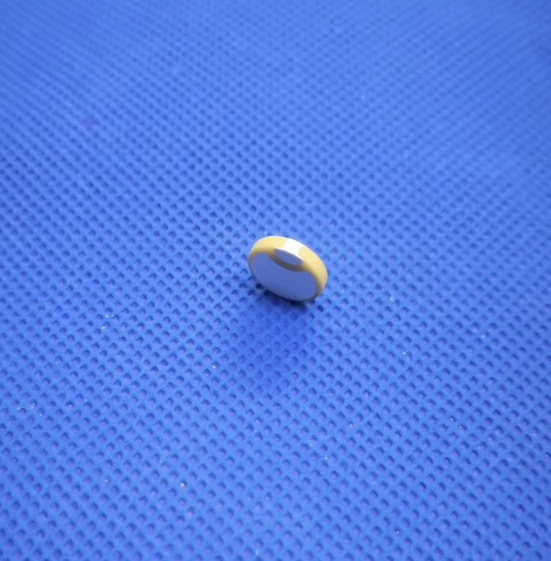
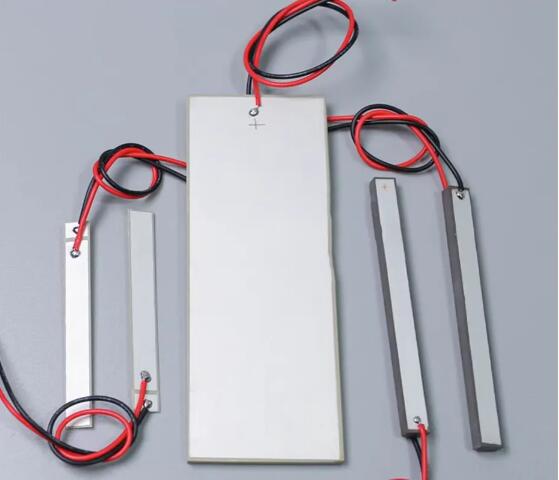
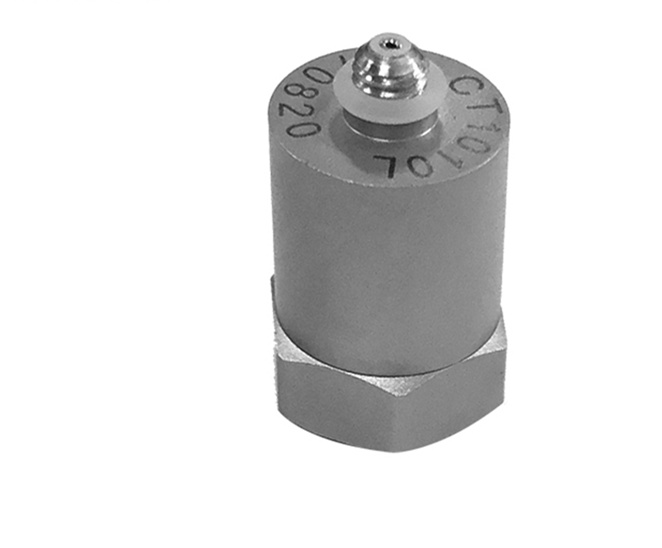
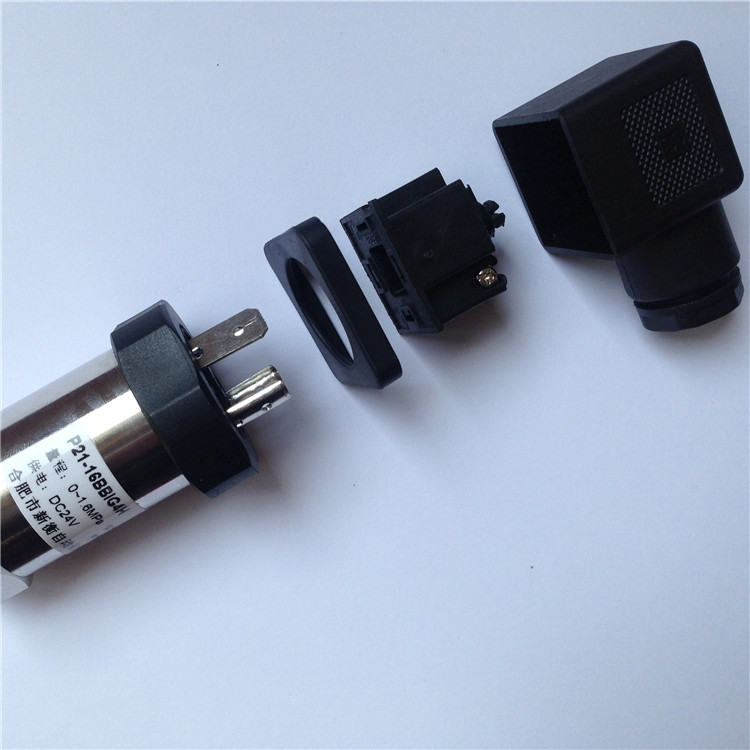
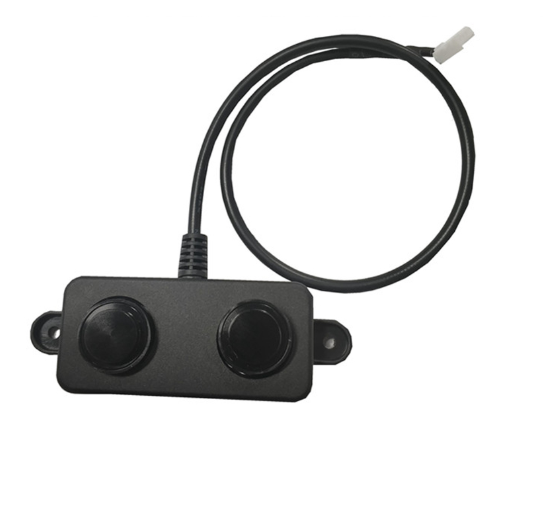
Engineered Sensor Elements, Thermal Substrates & HMI Core Assemblies

Direct factory production combining surface graphics, environmental sealing, precision piezoceramics, and advanced thermal management for deployment in Trøndelag’s high-latitude and offshore installations.

System Integration Whitepaper

Engineering Printed Graphic Overlays for High-Latitude & Marine Operations

A technical perspective on material science, interfacial adhesive shear mechanics, and IP68 sealing dynamics demanded by Trondheim's deep-tech clusters.

Sub-Zero Thermal Cycled Substrates

Trondheim’s maritime and continental climate variations demand interface polymers that resist thermal shock embrittlement. Standard polyester (PET) graphics crack under cyclic transitions between indoor cleanrooms and sub-zero outdoor fjords. We manufacture using biaxially oriented, UV-stabilized Autotex® XE PET and high-grade polycarbonate substrates.

  • Glass transition threshold tested to -40°C without mechanical rupture
  • Tensile flex life exceeding 5 million switch actuations
  • Selective micro-textured coatings for diffuse anti-glare bridge displays

Marine Salt-Fog & Chemical Barriers

Offshore salmon farming automation and subsea control vessels deployed out of Nyhavna require interface facings impervious to brine mist, caustic washdowns, and petroleum vapor. Second-surface screen and digital printing completely envelops sub-surface inks beneath a solid polymer mantle.

  • Zero degradation under 1,000-hour ASTM B117 salt spray exposure
  • Impervious to isopropyl alcohol, diesel fuel, and industrial degreasers
  • Antimicrobial and hydrophobic top-coats for bio-processing interfaces

Hermetic Adhesive Gasketing

An overlay is only as durable as its perimeter bonding system. For wet Scandinavian settings, cap-sealing must isolate internal metal snap domes, LEDs, and conductive silver traces against ingress. We calibrate multi-layer acrylic adhesives (such as 3M™ 467MP, 468MP, and 300LSE) matched to cast aluminum, milled titanium, or powder-coated enclosure housings.

  • Perimeter continuous gasket channels rated to IP67 and IP68 ingress protection
  • Shear adhesive holding power calibrated across 100°C thermal spans
  • Custom laser-cut internal venting paths that balance atmospheric pressure changes
Substrate / Layer Parameter Autotex XE Biaxially Oriented PET Optical Polycarbonate (PC) Mivo Hybrid Chemical Resistant Film
Operating Temperature Window -40°C to +85°C continuous -30°C to +105°C continuous -45°C to +115°C continuous
Actuation Mechanical Fatigue > 5,000,000 tactile switch cycles ~ 100,000 cycles (non-embossed) > 6,000,000 embossed dome cycles
UV Photodegradation (QUV Test) > 2,500 hours zero yellowing Yellowing observed under 500 hours > 3,500 hours high-latitude UV rated
Dielectric Breakdown Voltage 18 kV / 0.15mm film 16 kV / 0.175mm film 22 kV / 0.15mm film
Chemical / Solvent Resilience Immune to hydraulic fuels, brine, MEK Sensitive to aromatics and esters Military & deep-sea immersion qualified
Regional Industrial Dynamics

Trondheim’s Technology Shifts: The Confluence of Marine Robotics & Clean Energy

Positioned at the nexus of NTNU (Norwegian University of Science and Technology) and SINTEF research spin-offs, Trondheim has evolved from a historical trading post into a global epicenter for autonomous ocean systems, subsea exploration, and electrified infrastructure.

Autonomous Underwater Vehicles (AUVs)

Trondheim's maritime research corridor pioneers autonomous survey vessels, underwater robotic crawlers, and ROV thruster management consoles. These units rely on custom graphic panels that function under intense hyperbaric chamber conditions, salt-encrusted deck environments, and gloved operational dynamics.

  • Tactile polydome and metal dome feedback calibrated for thick insulated neoprene work gloves
  • Integrated display windows utilizing optically clear optical adhesives to eliminate condensation
  • Direct backlighting integration via thin-film LEDs and electroluminescent panels

Offshore Aquaculture Automation

With Norway’s industrial salmon farms moving farther offshore into open ocean swells (Havmerd projects), feed barges and processing systems require automated controller frontplates capable of enduring 24/7 exposure to turbulent Atlantic waves, ozone, and pressurized sanitary washings.

  • Total barrier sealing prevents ingress of salty brine and bacterial cleaning agents
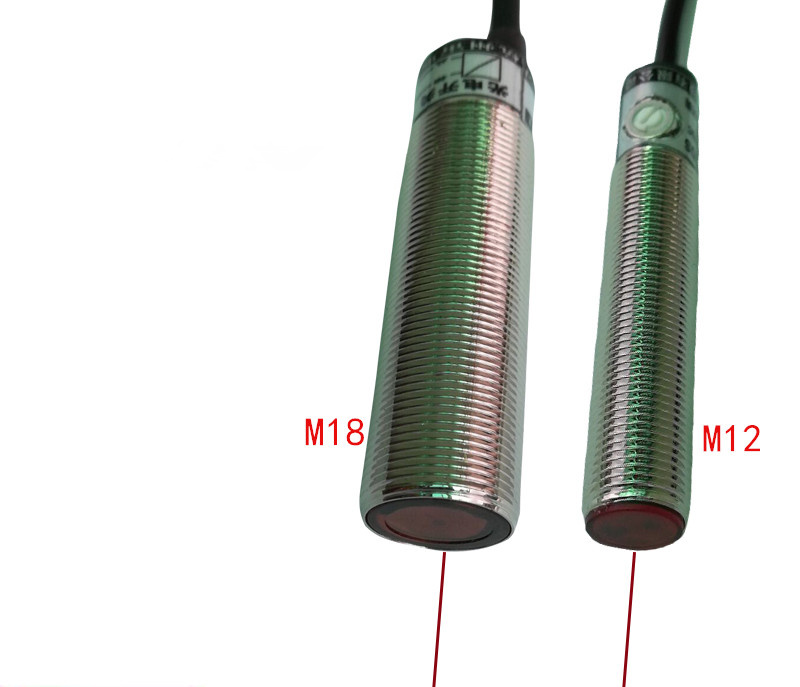
  • Embedded laser cut holes aligned with robust emergency stop buttons and M12/M18 laser sensors
  • Scratch-resistant matte finishes that maintain readability under glaring ocean sunlight reflections

Subsea Electrification & Grid Storage

As power distribution transitions toward seabed subsea transformers and high-capacity battery energy storage systems (BESS) along the Trøndelag coastline, human interface panels must integrate EMI/RFI shielding layers to prevent inductive transient interference from corrupting critical sensor outputs.

  • Screened conductive silver mesh or aluminum foil shielding backing connected to chassis earth
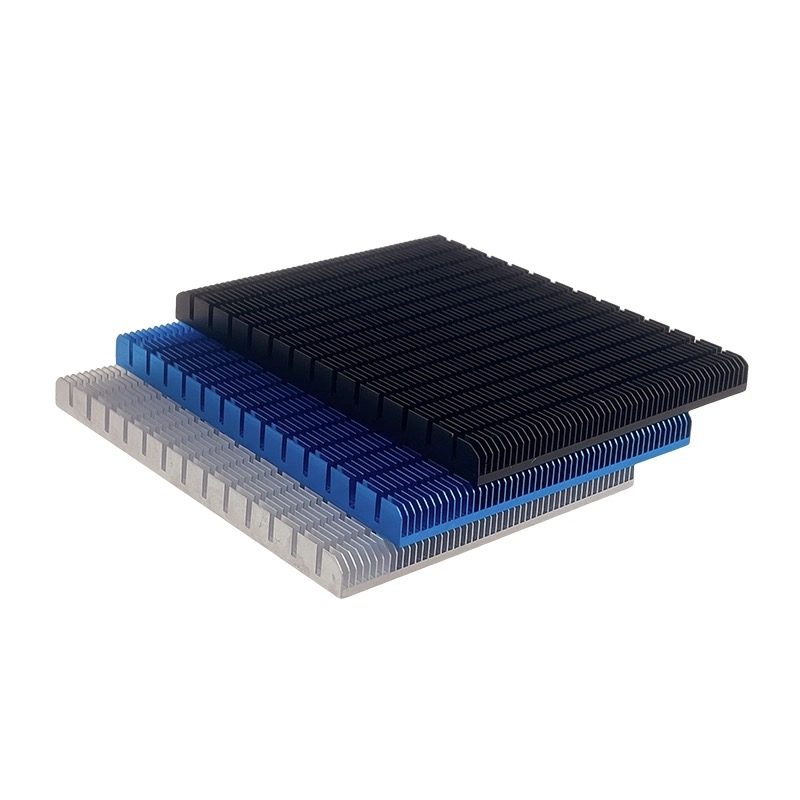
  • Thermal dissipation channels configured to align with extruded aluminum heatsinks
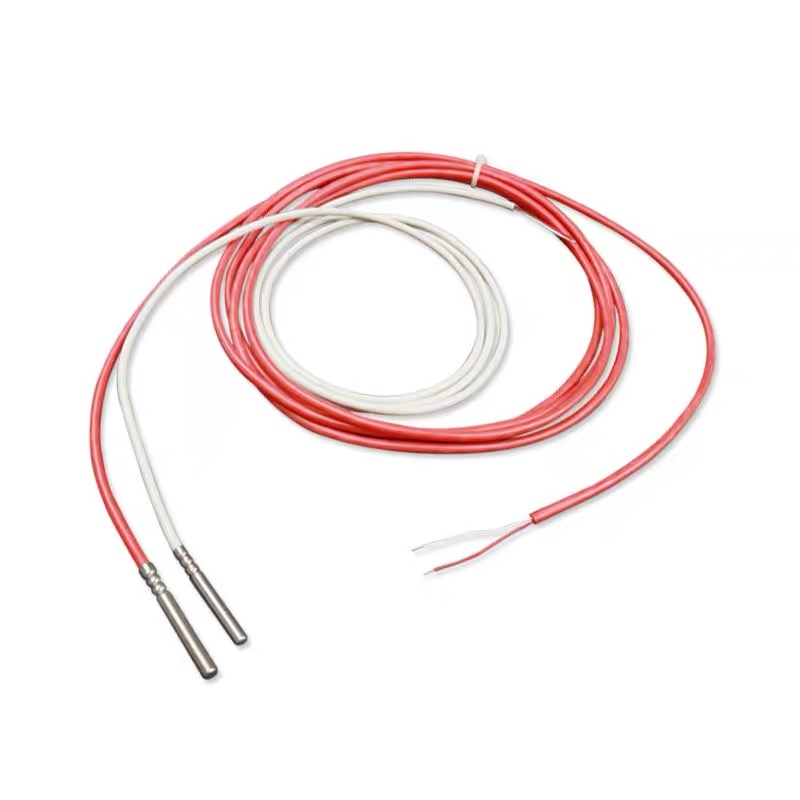
  • Integrated PT1000 platinum RTD sensors monitoring internal terminal temperature thresholds

Onsite-Verified Factory Direct Infrastructure

Shenzhen Mivo Electronics Co., Ltd. serves as an end-to-end manufacturing partner for European precision equipment builders. Unlike commercial trading brokers, our operational footprint has undergone rigorous onsite physical audits by international inspection bodies. We consolidate high-precision screen printing, multi-layer circuit bonding, SMT automated PCBA fabrication, and custom environmental sensor manufacturing into a unified quality control pipeline.

By keeping membrane layout, substrate milling, electronic assembly, and testing under one roof, our engineering office eliminates technical discrepancies between your digital CAD overlays and physical PCB backplates.

Operational Verification: Onsite Checked & Legal Entity Audited
Exporting Track Record: 8+ Years International OEM Supply
Cumulative Buyer Rating: 4.7 / 5.0 Star Verified Reviews
Internal Workforce: 51 – 100 Skilled Technicians & Engineers
Facility Scope: 101 – 500 m² Specialized Cleanroom Lines
Prototype Scalability: Custom Runs Starting From 5 Pieces
2016
Year Established
5 Pcs
Low Minimum Order (Prototype)
±0.05mm
Laser Die-Cut Precision
100%
Electrical Continuity Tested
Rigorous Manufacturing Methodology

From Vector Engineering to Assembled Sub-System

Every printed overlay and integrated sensor array traverses our closed-loop quality assurance pipeline to ensure compliance with European industrial standards.

1. DFM Review & Color Spectral Proofing

Our engineers scrutinize your vector art (AI, DXF, PDF), embossing heights, and cut paths. Colors are matched using spectrophotometers to Pantone, RAL, or custom customer master chips under standard D65 illuminants.

2. Cleanroom Precision Screen Printing

Sub-surface printing takes place in positive-pressure, Class 10,000 cleanrooms. High-opacity block-out inks eliminate backlight bleed-through, while selective optical textures create clear LCD/OLED windows.

3. Hydro-Forming & Tactile Embossing

Precision male/female CNC matched dies apply mechanical pressure to form rim-embossed, pillow-embossed, or dome-embossed switch keys that provide tactile locating feedback for marine equipment operators.

4. Conductive Trace Deposition & SMT Assembly

When switching circuitry is required, polymer thick-film silver ink with carbon overcoats are printed to eliminate silver electromigration. Miniature chip LEDs, resistors, and connectors are bonded using anisotropic conductive adhesive.

5. Digital Laser & Tool Die-Cutting

High-speed galvanometer CO2 lasers or precision CNC rotary dies cut the multi-layer sandwich with tolerances of ±0.05 mm, ensuring exact fit into milled bezel cavities, around threaded studs, or over display modules.

6. Optical Inspection & Environmental Verification

Every overlay unit undergoes 100% automated optical inspection (AOI) for cosmetic flaws, pinholes, and window clarity, followed by computerized circuit resistance verification, insulation breakdown analysis, and ESD shock testing.

Procurement Intelligence

Frequently Asked Questions by Trondheim Engineering Buyers

Clear answers addressing import tariffs, cold-temperature adhesion, fast turnaround prototyping, and technical file requirements for Norwegian hardware developers.

How do printed graphic overlays maintain adhesion in Trondheim’s sub-zero coastal winters?
Standard pressure-sensitive adhesives (PSA) experience glass transition at lower temperatures, leading to adhesive crystallization, edge peeling, and moisture ingress. For equipment destined for sub-zero installations along the Norwegian Sea, we specify modified acrylic adhesive transfer systems such as 3M™ 9472LE or 3M™ 468MP. These high-tack formulations maintain viscoelastic compliance down to -40°C, absorbing differential thermal expansion between flexible polymer overlays (polyester/polycarbonate) and rigid metal (anodized aluminum/stainless steel) or molded plastic chassis.
Can we integrate custom window displays that prevent condensation during offshore thermal swings?
Yes. When marine instruments move rapidly between heated bridge cabins and freezing fjord winds, internal air pockets are prone to fogging. We solve this by implementing secondary double-sided perimeter adhesive dams around LCD/OLED apertures, combined with anti-reflective, anti-fog coatings on the interior face. Furthermore, optical clear adhesives (OCA) can be laminated directly over glass displays in a vacuum autoclave environment, completely eliminating internal air gaps and eliminating condensation risks.
What are the lead times and shipping routes for rapid prototype delivery into Værnes (TRD)?
Rapid prototyping tooling and laser-cut graphic overlay samples typically ship within 5 to 7 working days following mechanical drawing sign-off. We ship directly to Trondheim Airport (TRD) or local commercial hubs via DHL Express, FedEx Priority, or air freight consolidators. Transit time from our Shenzhen factory floor to your loading dock in Trondheim typically spans 3 to 5 business days, with complete digital tracking and prepaid commercial documentation provided for customs clearance.
What CAD and graphic file formats are required to begin an engineering assessment?
For aesthetic artwork, we accept vector formats including Adobe Illustrator (.AI), Scalable Vector Graphics (.SVG), Encapsulated PostScript (.EPS), or high-resolution vector PDF, with all fonts converted to outlines and PMS/RAL color callouts designated. For physical cutlines, window apertures, adhesive zones, and embossing contours, we prefer engineering CAD exchange formats including DXF, DWG, or STEP files. If your assembly integrates circuit traces, Gerber RS-274X data and pick-and-place centroid files are required.
Can your facility manufacture low prototype batches (5 to 20 units) for field trials in Norway?
Yes. Because our tooling relies on high-resolution digital flatbed cutting and direct UV digital printing alongside traditional steel-rule die tooling, we support agile prototyping starting from 5 pieces. This enables research clusters from NTNU, SINTEF, and early-stage maritime startups in Trondheim to conduct real-world environmental trials before investing in dedicated mass-production tooling dies.
How do you handle Norwegian import customs (MVA/VAT) and environmental RoHS/REACH compliance?
All materials used in our graphic overlays, membrane switches, and sensor probes strictly comply with EU/EEA environmental mandates, including RoHS Directive 2011/65/EU and REACH (EC 1907/2006) regulations. Full material declarations, Certificate of Conformity (CoC), and safety data sheets (SDS) are provided with each production lot. For import into Norway, goods are cleared under standardized HS codes (such as HS 8537.10 or 3926.90) through your chosen Norwegian logistics broker or DDP carrier account.

Accelerate Your Hardware Deployment in Trondheim

Partner with an onsite-verified manufacturer capable of taking your interface designs from rough sketch to ruggedized, field-ready production. Request DFM feedback, sample material swatch books, or a rapid turnaround quote today.