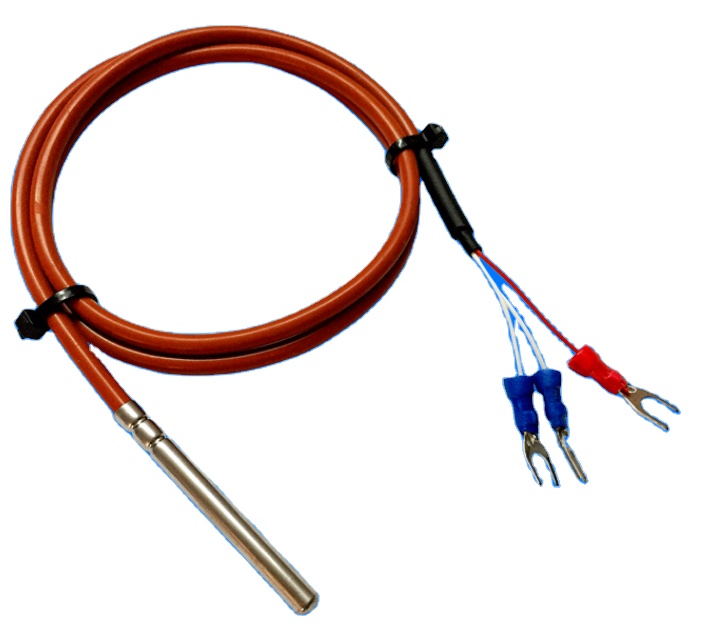
RTD Temperature
PT100 RTD Temperature Sensor 5mm*50mm Probe
3-Wire Platinum Resistance, 1-5m Silicone Gel Jacket, Waterproof & Oil-Proof for Chemical Process Control.
Seamlessly bridging dynamic flexible circuits, thermal substrates, and ruggedized industrial monitoring hardware engineered to withstand demanding European industrial environments.
3-Wire Platinum Resistance, 1-5m Silicone Gel Jacket, Waterproof & Oil-Proof for Chemical Process Control.
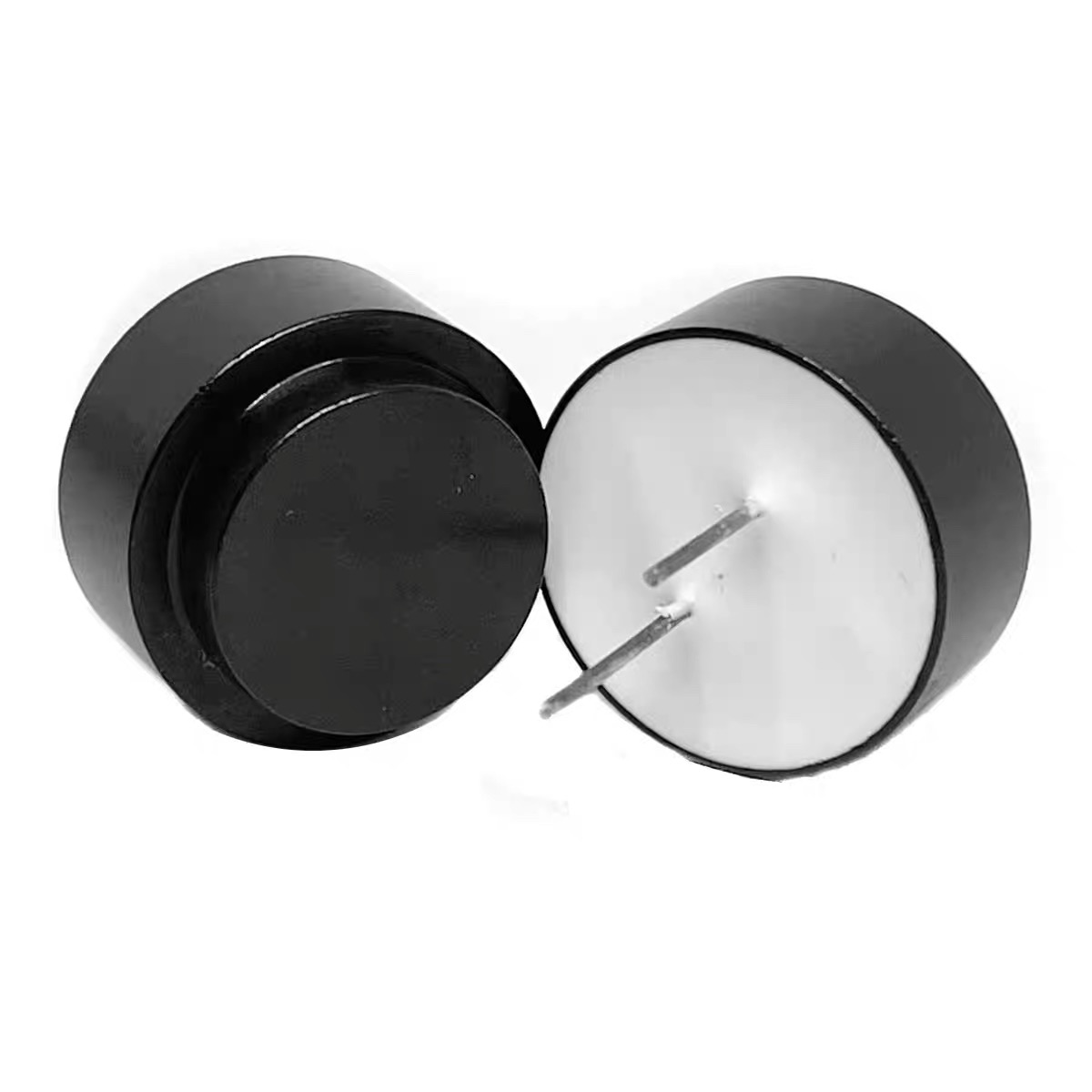
Smart Home & AGV Robotics Distance Measurement, Harsh-Environment Transceiver Module.
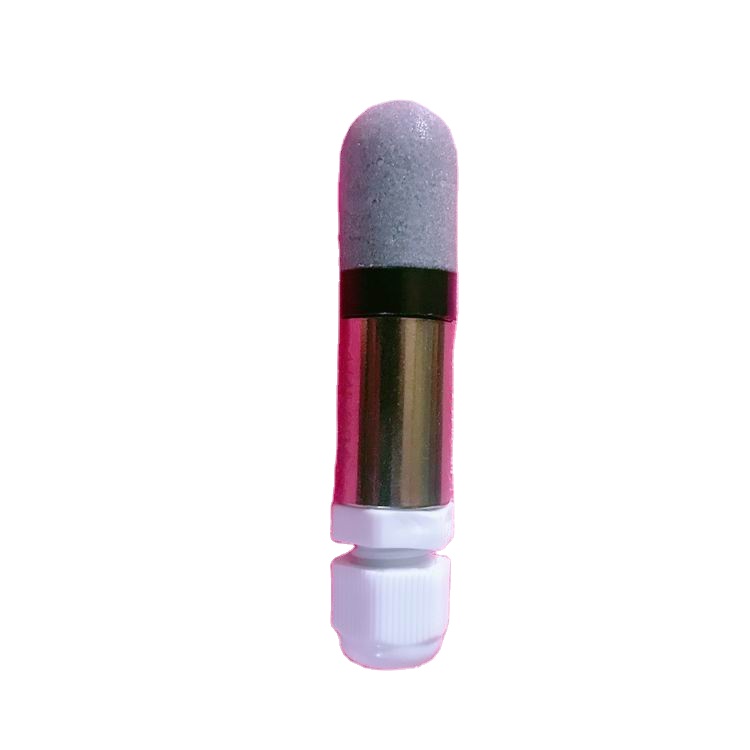
Porous Sintered Polyethylene Housing compatible with SHT10, SHT20, SHT30 & SHT31 Probes.
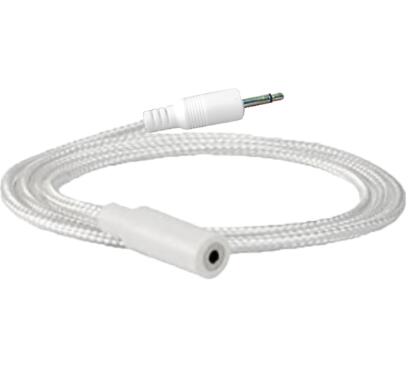
Distributed Conductive Polymer Water Leak Sensing Line for Cleanroom, HVAC & Datacenter Facilities.
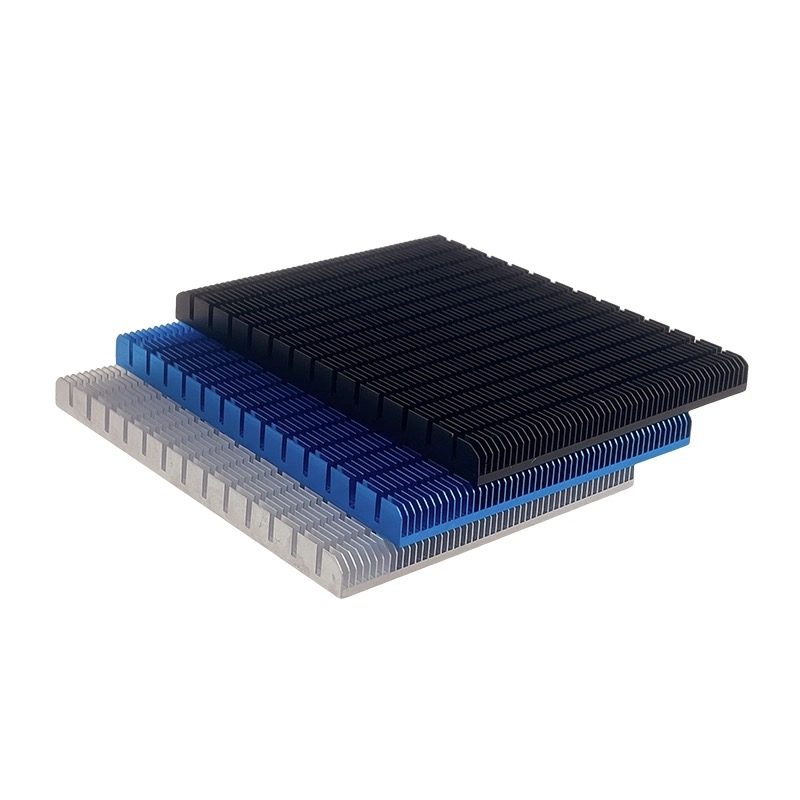
Pre-applied Thermal Interface Tape, Engineered for High-Power Rigid-Flex PCB & Power Modules.
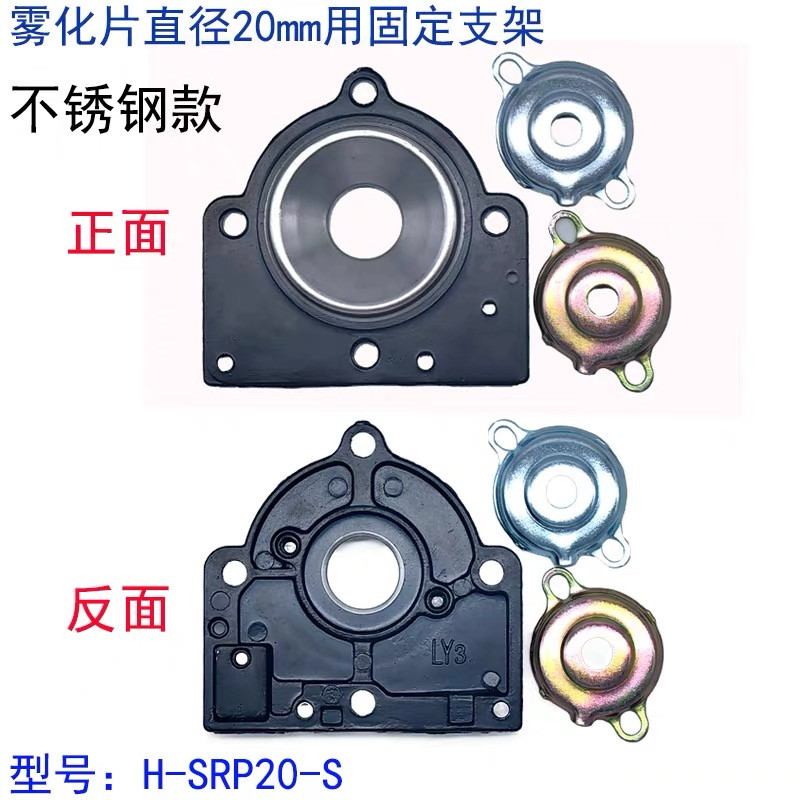
Precision Mechanical Heat Dissipation Mount for Piezoelectric Transducers & Medical Nebulizers.
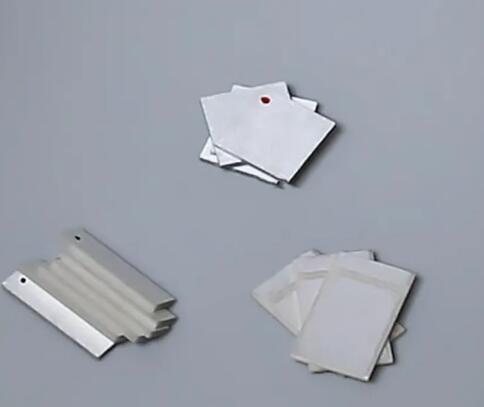
High-Sensitivity Transducer Crystal for Ultrasonic Non-Destructive Testing and Flow Metering.
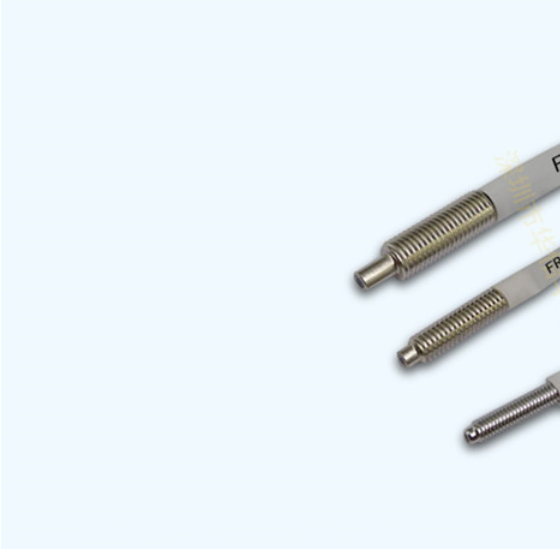
Threaded M3/M4/M6 Probe Cable for Tight Spacing Assembly Optical Verification in Automation Lines.
Comparing electrical performance, spatial utilization, and mechanical fatigue life for hardware designers deploying in Strasbourg and the Rhine valley basin.
| Substrate Architecture | Primary Dielectric & Core | Dynamic Flex Capability | Thermal Resistance (Tg) | Key Advantage in Strasbourg Ecosystem |
|---|---|---|---|---|
| Multilayer Rigid-Flex PCB (4–18 Layers) | Polyimide (PI) + Low-Loss FR-4 / No-Flow Prepreg | > 150,000 Cycles (Bending Radius < 6× Thickness) | Tg 170°C – 200°C (High-Tg Isola/Shengyi) | Eliminates bulky wire harnesses in MedTech endoscopic probes and automotive mechatronics. |
| High-Density HDI Rigid-Flex | Adhesiveless Polyimide Core with Microvias (L1-L2 Staggered) | Static / Installation Fold Form Factor | Tg 180°C (ENIG / Immersion Silver) | Enables micro-BGA (0.4mm pitch) breakout for compact smart home & lab-on-chip devices. |
| Heavy Copper Rigid-Flex (2oz–4oz) | Electrolytic Copper Foil on DuPont Kapton® Core | Moderate flexural cycles for power distribution | Tg > 180°C + Aluminum Heatsink Bonding | Handles high-current spikes in automotive drive inverters and EV battery sensing harnesses. |
| Rigid Multilayer PCB + Ribbon FPC | Standard FR-4 Base + ZIF Connector Termination | Limited by mechanical connector durability (< 50 insertions) | Tg 140°C – 170°C | Lower initial board cost but higher field vibration failure rates in heavy industry. |
Situated directly at the nexus of the French-German economic axis, Strasbourg represents far more than an administrative capital; it is the technological engine of the Grand Est region and a premier European biotechnology and mechatronics hub. From the high-precision medical device clusters anchored by the IHU Strasbourg (Institute of Image-Guided Surgery) and Nextmed Medical Tech Park to the advanced robotics, clean mobility, and rail infrastructure surrounding the Rhine Valley, European procurement teams face relentless pressure to minimize physical hardware footprints while scaling electro-mechanical durability.
Conventional electronic designs relying on rigid FR-4 circuit boards bridged by discrete multi-conductor wire harnesses, crimped terminals, and mechanical connectors (such as board-to-board headers or ribbon cables) are rapidly reaching their physical thresholds. Under continuous vibration cycles, aggressive thermal fluctuations, and chemical exposure typical of Alsace chemical plants and automotive powertrains, electromechanical connectors remain the single most common failure point. Rigid-flex printed circuits directly resolve this engineering challenge by integrating flexible polyimide cores seamlessly between rigid multilayer FR-4 zones, creating a unified, homogeneous circuit architecture devoid of solder joints or physical mating connectors.
Design for Reliability (DFR) Fact: Studies across European aerospace and medical imaging sectors indicate that replacing crimped wire-to-board assemblies with integrated rigid-flex designs reduces total interconnect weight by up to 68%, saves up to 72% of spatial volume, and cuts connection-induced field failures by more than 84% over a 10-year operating life.
As a verified electronics manufacturer and rigid-flex exporter exporting directly from Shenzhen to Strasbourg, Metz, Mulhouse, and the greater Upper Rhine trans-border region, our turnkey boards and sensor sub-assemblies operate across critical high-reliability sectors:
Endoscopic surgical tools, 3D intraoperative imaging rigs, and implantable sensor interfaces require sub-millimeter flexing. Our HDI rigid-flex designs incorporate microvias and adhesiveless polyimide substrates to maintain stable impedance without signal distortion.
The Alsace-Baden automotive belt requires high-temperature, heavy-copper rigid-flex circuits for EV battery management system (BMS) cell monitoring lines, motor inverters, and radar sensors paired with our PT100 RTD and NTC temperature probes.
From petrochemical refineries along the Rhine to pharmaceutical packaging plants, our assemblies deploy with wireless leak detection cables, PE sintered humidity probes, and stainless-steel thermal sinks for continuous process supervision.
European design teams are rapidly advancing toward smart Industry 4.0 integration, introducing strict regulatory compliance, low carbon footprint targets, and advanced technical paradigms:
Exporting complex rigid-flex printed circuits and turnkey PCBA to the European Union requires absolute transparency, factory verification, and rigorous supply chain management. Shenzhen Mivo Electronics Co., Ltd. offers a unique combination of agility, verified production infrastructure, and localized engineering support:
Essential technical, regulatory, and logistics answers for engineering leads and sourcing managers.
Submit your Gerber data, BOM, and assembly drawings today. Our engineering staff provides an exhaustive DFM analysis, stack-up optimization, and turnkey quote within 24 hours.
Get Catalog