Engineered Electronic Modules & Subsystem Solutions
Seamlessly pair custom tactile metal dome interfaces with bare silicon detectors, micro-coaxial transmission harnesses, high-precision telemetry sensors, and custom thermal sinks fabricated to micron tolerances.
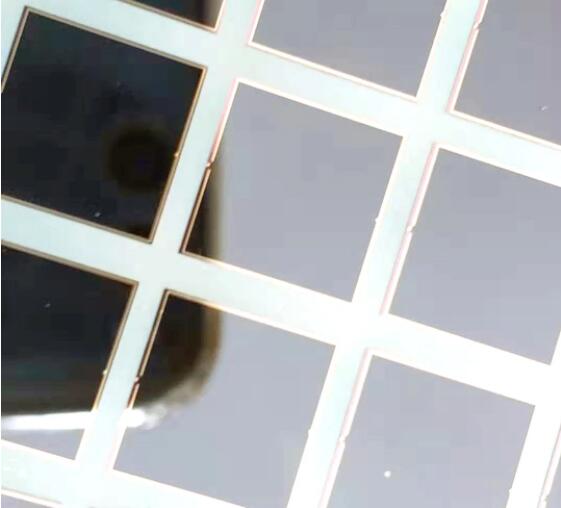
Linear Silicon Photocell Chip 10*10 Wafer Silicon Photodiode Bare Silicon Wafer for SGPIN400 Common Anode
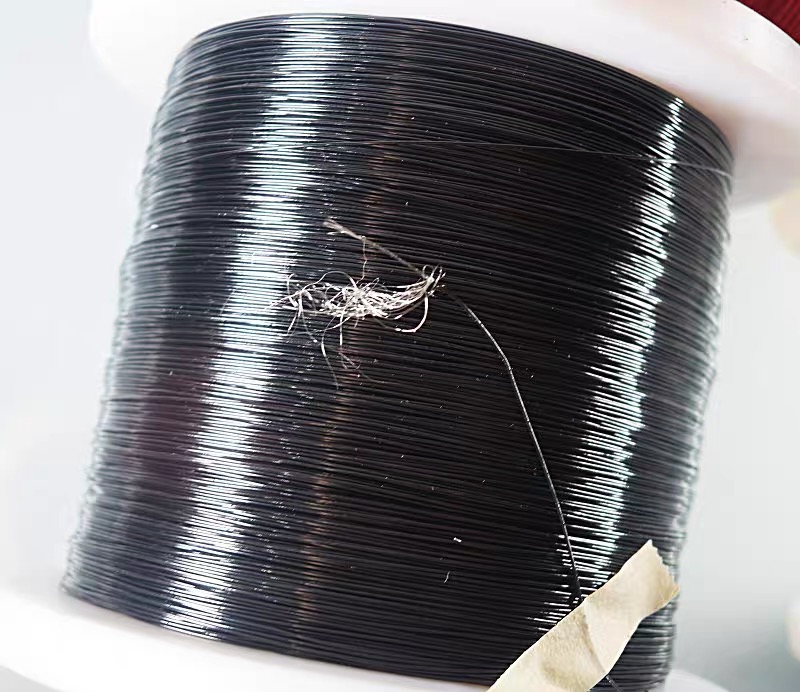
36AWG MINI COAXIAL CABLE 50ohm Impedance 0.5mm Hielded Wire Very Fine Shielding Cable
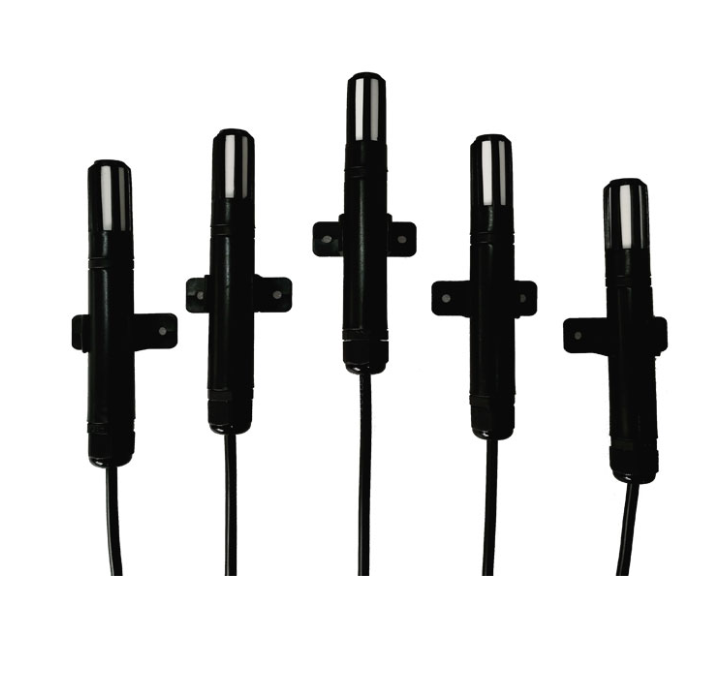
High-precision Waterproof and High-temperature air Temperature Humidity Measurement Digital Sensor SHT30 SHT31
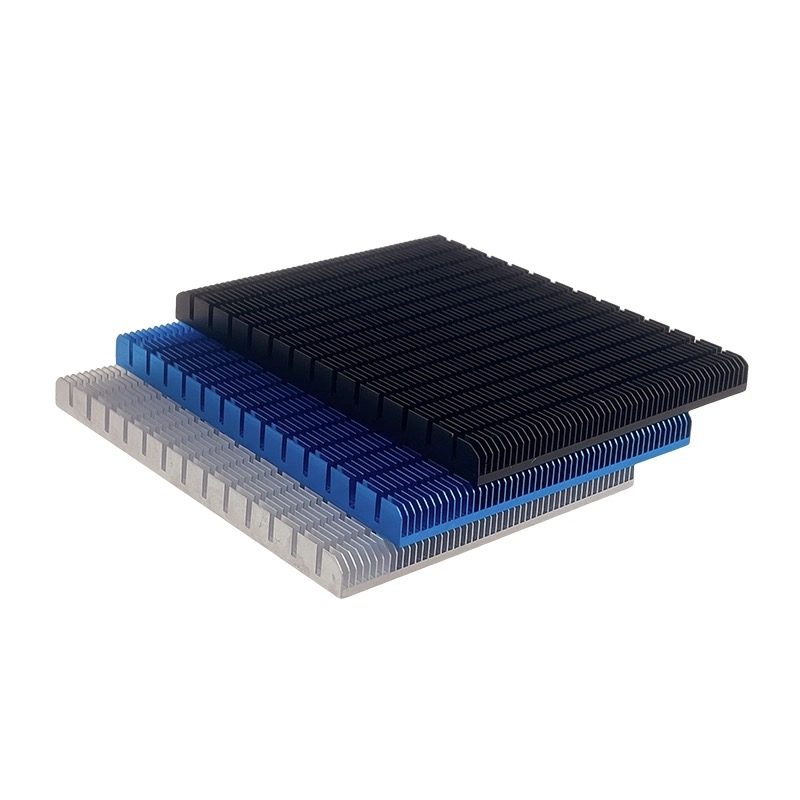
130*100*10mm Aluminum Heatsink Radiator Heat Sink for Electronic RAM Chip PCB LED CPU SSD Cooling
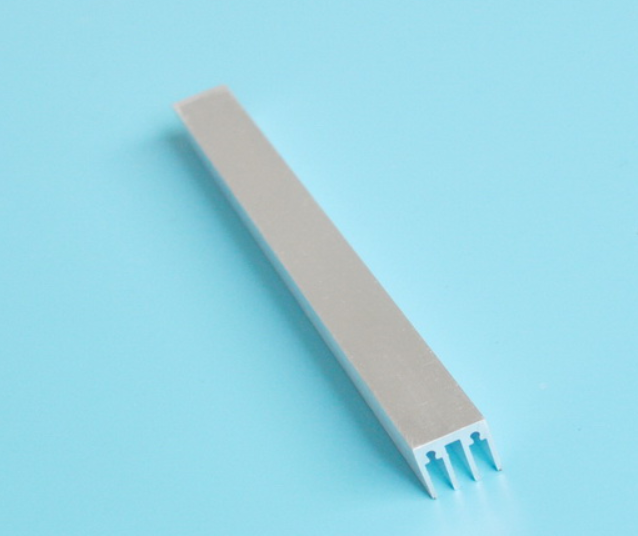
LED Comb Radiator / Light bar / Triode Radiator 16*16*100/200/300/600mm Custom LED Lamps Heatsink Cooling
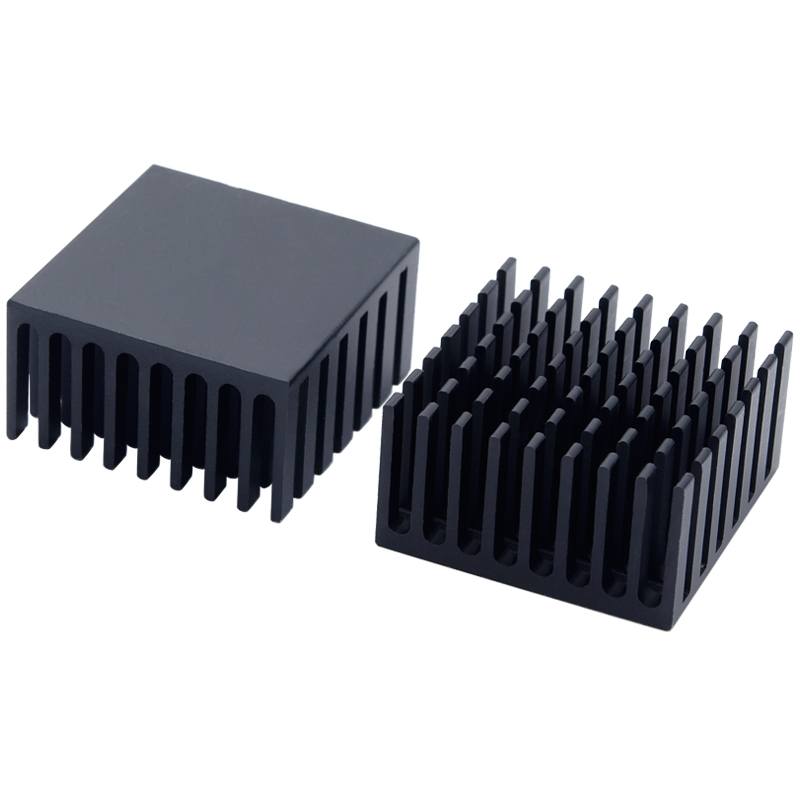
28*28*15mm Heatsink Cooling Fin Aluminum Heat Sink Radiator Cooler for Graphic Black 28X28X15mm
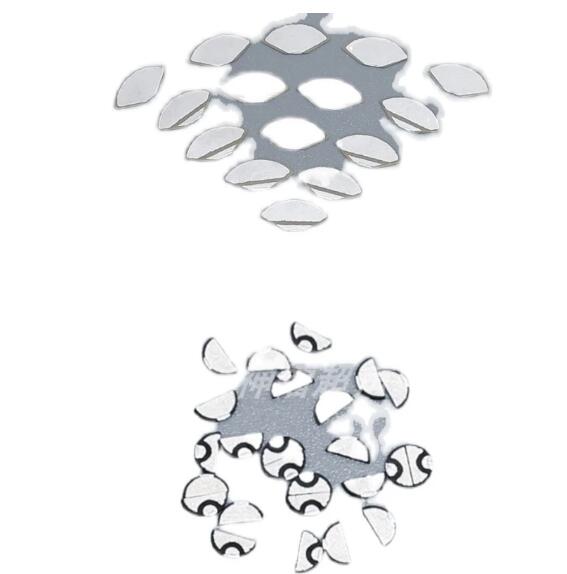
PZT Profiled-shape Piezoelectric Ceramic Semi-circular Sector Hyperchromatic Wave Guide Piezo Sensor
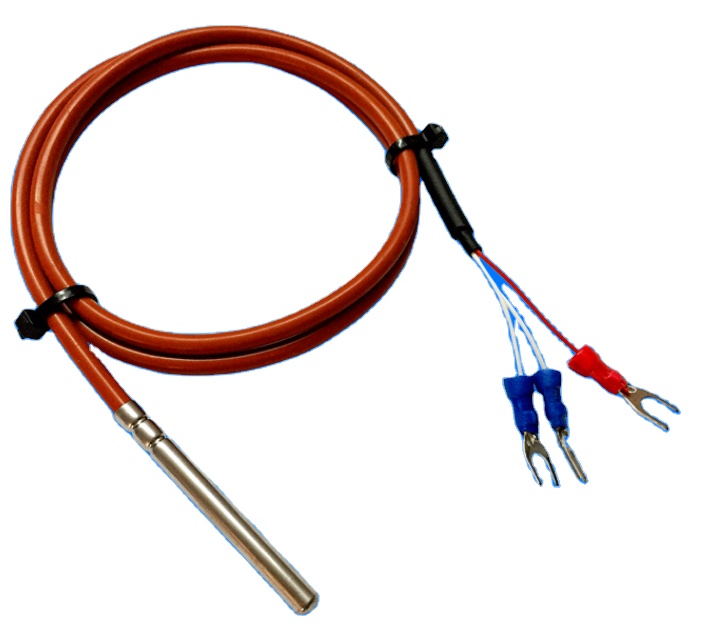
PT100 Temperature Sensor 5mm*50mm RTD Probe 3 Wire 1-5m Silicone Gel Coated Platinum Resistance
Metallurgical Precision & CE Marking Compliance in Metal Dome Switch Engineering
Modern Human-Machine Interfaces (HMIs) operating in mission-critical environments require uncompromising electromechanical endurance, crisp tactile response, and guaranteed functional safety. As a dedicated CE certified metal dome keypad factory and premier international exporter, our production architecture is rooted in comprehensive mechanical compliance, rigorous electromagnetic compatibility (EMC), and metallurgical science.
The core switching element of our tactile keypads relies on high-grade austenitic stainless steel (primarily SUS301-CSP and SUS304 Full-Hard alloys). These alloys undergo precision cold-stamping and proprietary heat-treatment profiles that relieve microscopic shear stresses along the perimeter draw line. By controlling the metallurgical grain alignment, our domes deliver a predictable actuation tactile curve, resisting elastic degradation and cold-flow micro-cracking across operational lifecycles extending from 1,000,000 to over 5,000,000 continuous switch cycles.
To eliminate switch bounce and guarantee sub-milliohm interface impedances over decades of field service, our automated stamping dies introduce precision microscopic dimples and multi-point contact legs. Plating configurations—such as Electroless Nickel Immersion Gold (ENIG), heavy electrolytic bright gold (up to 50 micro-inches over nickel strike), or pure specular silver—are optimized to match the host PCB (FR-4) or Flexible Printed Circuit (FPC) copper trace pads. This prevents galvanic oxidation and contact fretting corrosion under ambient thermal cycling between -40°C and +105°C.
Snap Ratio & Tactile Feel
Tactile click feedback ratio is engineered strictly between 45% and 65% [(Actuation Force - Contact Force) / Actuation Force], giving operators unmistakable physical confirmation even when wearing insulated gloves.
Ultra-Low Contact Bounce
Transient electrical bounce is constrained strictly under <5 milliseconds (typically <1.2 ms), preventing erroneous micro-controller interrupts and logic state flutter in high-speed digital control lines.
Hermetic Seal (IP67/IP68)
Utilizing high-performance 3M 200MP / 300LSE pressure-sensitive structural acrylic adhesives with integrated air-escape venting labyrinths prevents atmospheric moisture ingress while maintaining pressure equilibrium.
Engineering Recommendations: Geometric Profiles & Selection Criteria
Selecting the optimal dome architecture requires a thorough evaluation of spatial constraints, user operational kinematics, and interface life expectancy. Our design office provides comprehensive Design-for-Manufacturability (DFM) reviews to match application stress states with the correct metal dome profiles.
| Dome Profile Type | Available Diameter Range | Actuation Force (Trip Point) | Rated Lifecycle | Optimal Industrial Deployment |
|---|---|---|---|---|
| Four-Leg (Cross) Domes | 6.0 mm – 20.0 mm | 160g – 500g (±30g) | >3,000,000 Operations | Automotive instrument panels, industrial CNC machine controllers, dual-action keypads requiring wide PCB solder clearances. |
| Round (Circle) Domes | 3.0 mm – 12.0 mm | 100g – 350g (±20g) | >5,000,000 Operations | High-density switch arrays, handheld medical diagnostic devices, miniature wireless controllers where space is severely constrained. |
| Triangular Domes | 4.0 mm – 12.0 mm | 160g – 400g (±30g) | >2,000,000 Operations | Compact interfaces requiring a higher actuation force within a small footprint; allows trace routing under two non-contacting edges. |
| Oblong / Oval Domes | 4.0 × 8.0 mm – 9.0 × 18.0 mm | 200g – 450g (±40g) | >1,500,000 Operations | Elongated rocker switches, navigation thumb controls, avionics throttles, and specialized membrane buttons with aspect ratio limitations. |
Backlighting Integration with Light Guide Film (LGF): For low-light or nocturnal defense and aerospace operations, we integrate ultra-thin (0.125mm to 0.25mm) micro-grooved polycarbonate or optical silicone Light Guide Film layers directly above or below the metal dome spacer. High-efficiency side-firing 0402 or 0603 SMD LEDs cast light laterally through the optical core, diffusing uniform luminance through laser-etched graphics without creating localized hot-spots or compromising tactile switch deflection.
Shenzhen Mivo Electronics: Verified Manufacturing Infrastructure & Technical Authority
Shenzhen Mivo Electronics Co., Ltd. operates an onsite-verified manufacturing facility in Yuanshan Street, Shenzhen—the epicenter of global electronics hardware development. Backed by 8 consecutive years of certified international trade and an audited average buyer rating of 4.7 out of 5, our team bridges the gap between precision metal dome stamping, bare PCB fabrication, and turnkey box-build PCBA production.
Unlike standard trading intermediaries, Mivo Electronics maintains vertical accountability. Our production infrastructure combines Class 10,000 and Class 100,000 cleanroom printing and lamination suites with high-speed Yamaha and Panasonic SMT assembly lines, automated optical inspection (AOI), and multi-axis CNC die-cutting equipment. This end-to-end integration delivers decisive engineering benefits:
Rapid Turnkey Prototyping
We supply functional engineering prototypes from just 5 pieces, giving R&D engineering teams rapid verification cycles with custom tooling lead times of only 5 to 7 working days.
Integrated BOM Supply Chain
Our component engineers source directly from audited tier-1 authorized distributors across the Greater Bay Area, verifying authenticity, RoHS 3 test sheets, and component traceability before assembly.
100% Electromechanical Screening
Every fabricated keypad array undergoes automated continuity, contact resistance verification, snap ratio curve analysis, and high-voltage dielectric breakdown testing prior to anti-static export vacuum packing.
Future Procurement Trends: Global Strategic Sourcing (2025–2030)
Industrial procurement teams are moving away from piecemeal vendor fragmentation toward unified, single-source manufacturing partners. Procuring graphic overlays from one vendor, bare printed circuits from another, and metal dome switch arrays from a third introduces stack-up tolerance errors, adhesive outgassing risks, and warranty liability disputes.
Sub-Assembly Consolidation
Procurement directors are specifying fully consolidated HMI modules that combine the graphic overlay, metal dome array, underlying rigid FR-4 or flex PCB, SMD LEDs, microcontrollers, and interconnect cables in a single drop-in component.
Sustainability & Halogen-Free Materials
Stricter European environmental directives require the phase-out of brominated flame retardants. Our advanced keypads utilize halogen-free, UV-curable dielectric inks, bio-based polycarbonates, and lead-free alloy finishes throughout.
Real-Time Supply Chain Traceability
Digital quality passports, laser-etched 2D data-matrix serialization on dome carrier layers, and batch-level metallurgical spectrometry reports ensure defense and medical tier-1 supply integrity from ingot to final keypad.
Accelerated Near-Zero Defect NPI
Using 3D Gerber and CAD simulation models to analyze localized dome deflection profiles minimizes design iterations, cutting New Product Introduction (NPI) lead times from months down to a few days.
Industrial Development Trends: Next-Gen Tactile Human-Machine Interfaces
As industrial machines and consumer devices evolve, metal dome switch technology is advancing into intelligent tactile systems. Engineers are combining the physical, fail-safe snap of mechanical domes with solid-state sensing and high-density digital buses:
1. Hybrid Capacitive-Tactile Sensing Architecture: To guard against accidental actuations in critical aviation or surgical applications, our R&D team designs hybrid switch stacks. A capacitive sensing ring on the upper graphic overlay detects proximity or hover events; the circuit then requires a positive metal-dome mechanical actuation to confirm the command. This architecture eliminates false-trigger events from spray water, electromagnetic surges, or accidental tool contact.
2. In-Mold Electronics (IME) & 3D Formed Domes: Flat, planar control panels are increasingly being replaced by ergonomically contoured, curved structural housings. By printing conductive silver circuits onto thermoformable polyfilms and placing customized metal domes within contoured structural pockets, our factory produces curved, lightweight keypads that cut structural mass by 60% compared to traditional box assemblies.
3. Hermetic Micro-Venting for Altitudinal Pressure Swings: Standard sealed membrane panels can suffer from dome pillowing or unintentional closing during high-altitude air transit or deep-sea operations. Our custom-designed microscopic serpentine channels equalize internal cavity air pressure with the surrounding atmosphere through an oleophobic, waterproof ePTFE membrane vent, preserving consistent actuation forces from sea level up to 45,000 feet.
Frequently Asked Technical Questions (FAQ)
What documents and files are required to issue an engineering DFM review and formal quotation?
How does your factory ensure that metal dome switch tactile feedback does not degrade over time?
What are the trade-offs between Nickel, Gold, and Silver plating on dome contact points?
Can Mivo Electronics integrate custom sensors (PT100, SHT30) and thermal sinks into the keypad assembly?
What is the minimum prototype order quantity (MOQ) and what are standard lead times for custom tooling?
How does your factory meet CE certification and international export standards?
Accelerate Your Interface Engineering with a Certified Global Manufacturer
Share your technical drawings, Gerber files, and target specifications with our engineering team. We deliver complete DFM feedback, sample tactile force curves, and comprehensive manufacturing quotations within 24 hours.