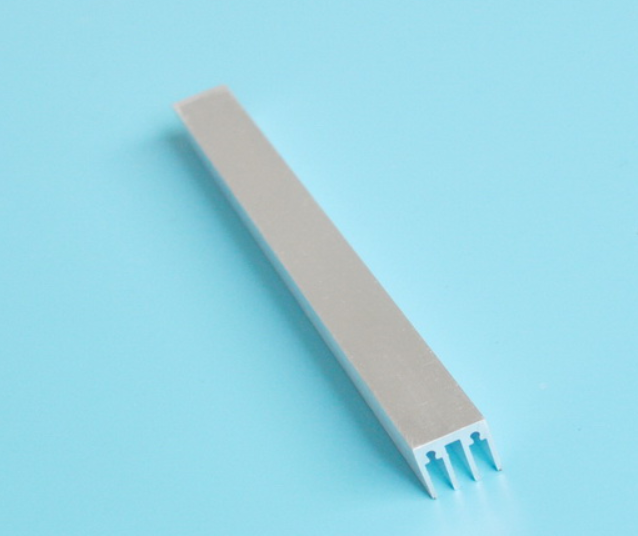
Featured Electronic Solutions & Thermal Enclosures
Seamlessly integrate your flexible interconnects with verified sensors, piezoelectric transducers, and thermal dissipation systems manufactured to strict IPC specifications.
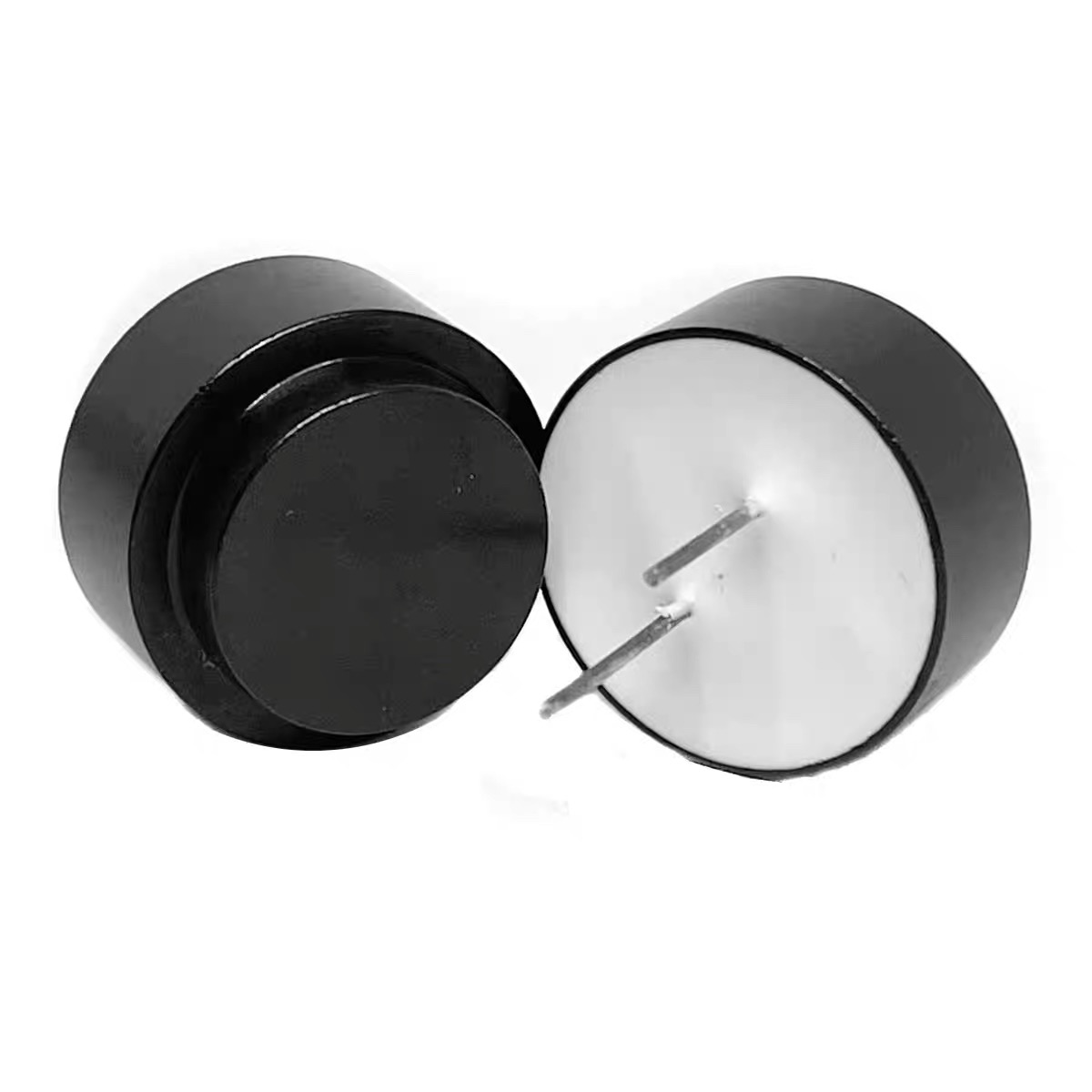
16mm Waterproof Ultrasonic Sensor Probe for Distance Measurement
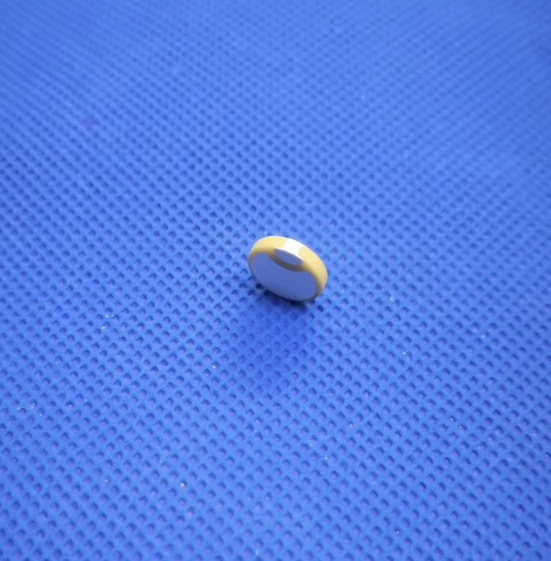
Ultrasonic Piezoelectric Ceramic Disc 10*2.03mm-PZT5 Sensor Chip
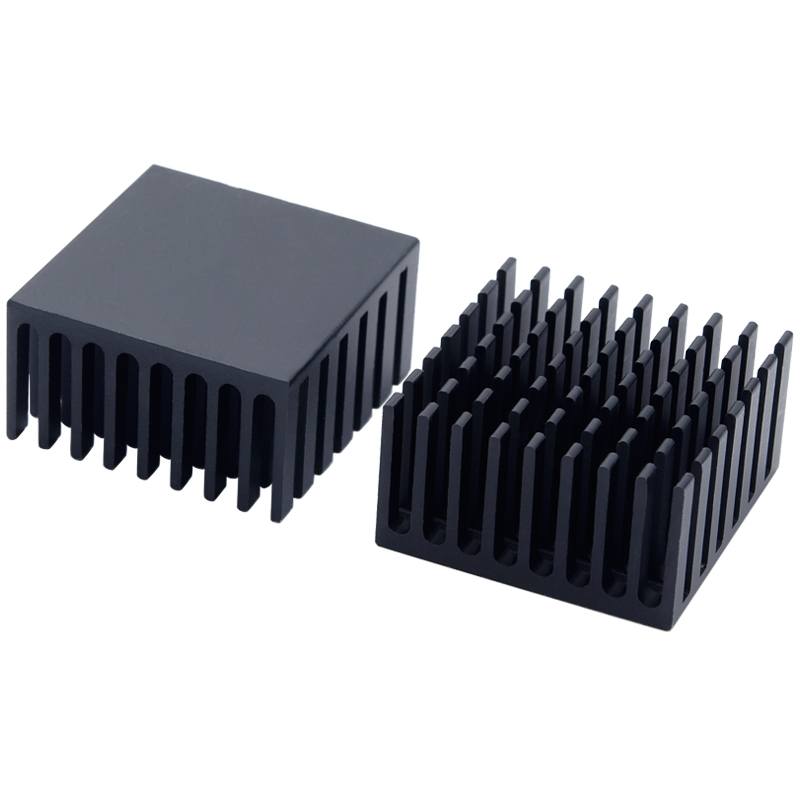
28*28*15mm Heatsink Cooling Fin Aluminum Radiator Cooler
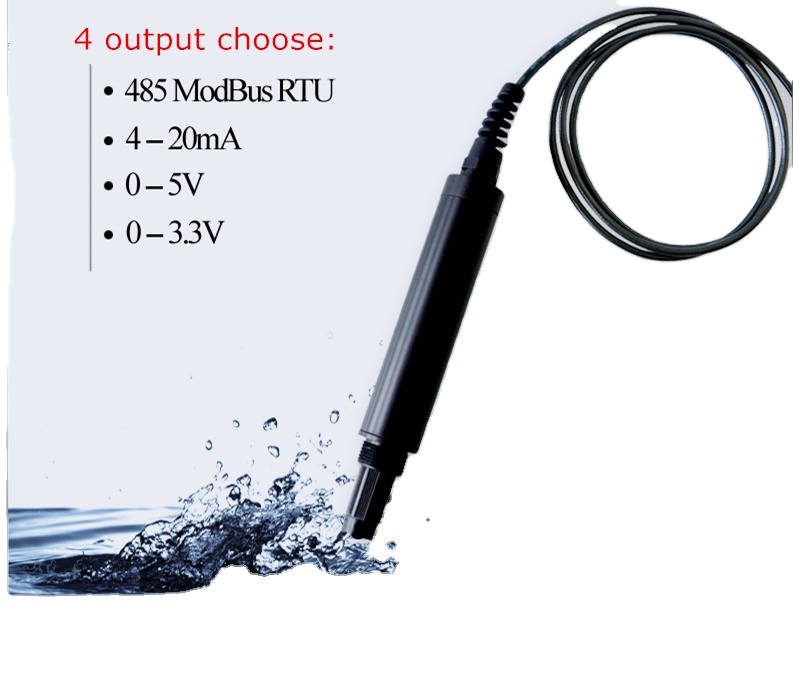
DOS-600 Digital Dissolved Oxygen Sensor RS485 Modbus Probe
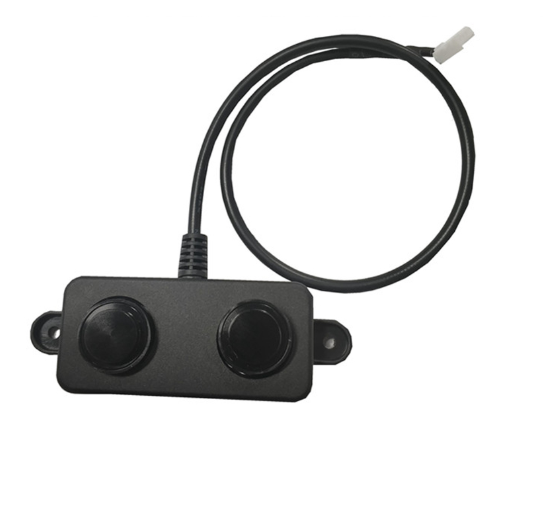
UART PWM Output Waterproof Ultrasonic Distance Sensor Module
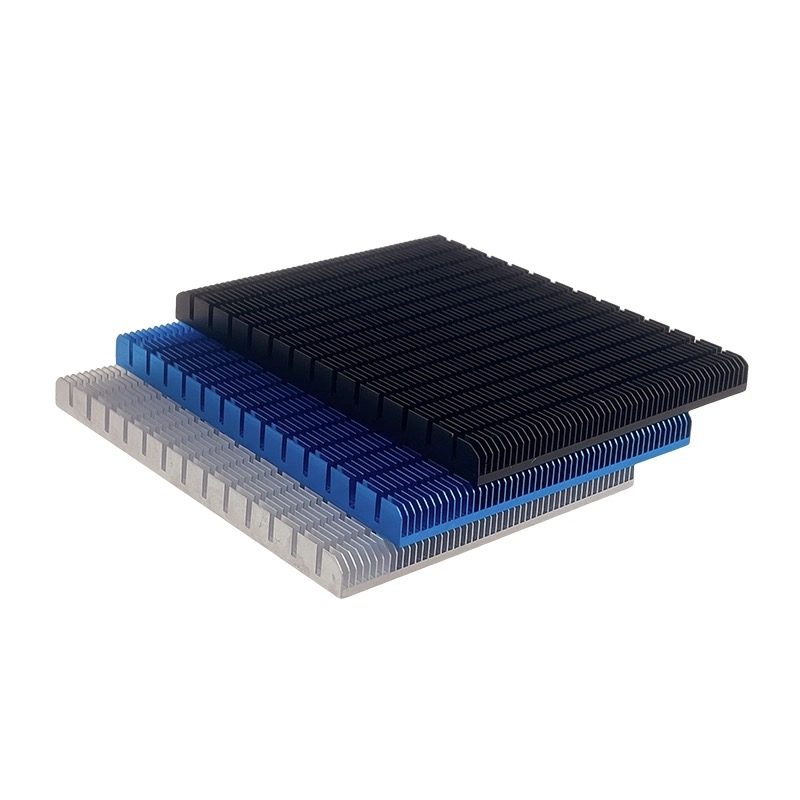
130*100*10mm Aluminum Heatsink Radiator with Conductive Tape
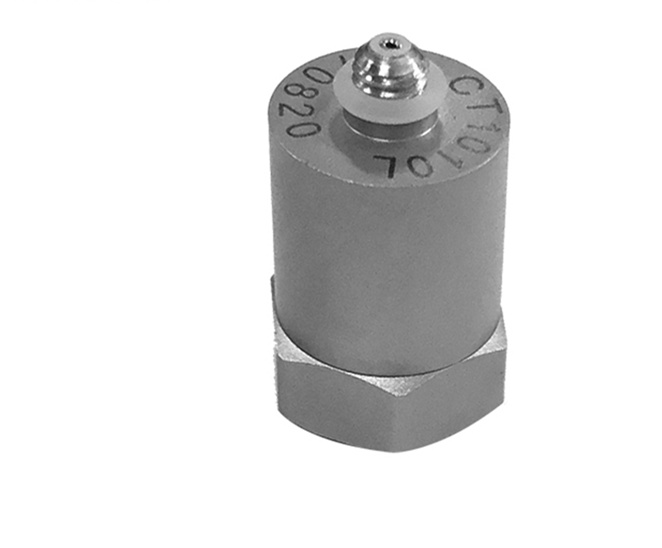
Output M5 CT1010L ICP/IEPE 0.5-5000Hz Piezoelectric Accelerometer
2016
Established in Shenzhen
8+ Yrs
Global Exporting Track
4.7 / 5
Verified Buyer Satisfaction
5 Pcs
Low Prototype PCBA MOQ
Engineering Authority & E-E-A-T Whitepaper
High-Density Flex Circuits (FPC): Design, Substrates & Production Architecture
A comprehensive technical evaluation for hardware architects and procurement managers evaluating Chinese export-grade FPC and Rigid-Flex fabricators.
Substrate Physics: Adhesiveless Polyimide
Modern flexible circuits face extreme dynamic mechanical stresses and micro-vias thermal dissipation. Export-grade FPC manufacturing prioritizes adhesiveless polyimide (PI) base copper-clad laminates (FCCL) over traditional adhesive-bonded cores. Eliminating acrylic or epoxy adhesive films reduces overall stackup thickness by up to 35%, markedly increases thermal transfer thresholds up to 260°C for lead-free reflow, and prevents adhesive-smear during micro-drilling cycles.
Key Spec: Available in 0.5 mil to 2 mil polyimide thicknesses with rolled annealed (RA) copper for dynamic flexing.
Rigid-Flex Transition & Strain Relief
For applications integrating multi-axis motion—such as camera gimbals, medical endoscopy probes, and aerospace avionics—rigid-flex interconnects replace unreliable ribbon connectors. Engineering design rules dictate a minimum radius bend factor of 10× to 20× the flex core thickness. In rigid-to-flex boundary interfaces, acrylic or epoxy bead fillets are deployed precisely using automated dispensing to mitigate localized mechanical shearing.
Production Rule: Staggered conductor spacing at the bender bend zone ensures cyclic life exceeds 200,000 continuous flexures.
Controlled Impedance & Surface Finishes
High-speed mobile data streams (USB 4, PCIe, and MIPI CSI/DSI) routed across flex conduits necessitate continuous electromagnetic interference (EMI) containment. Utilizing bonded silver paste shielding films or cross-hatched copper ground planes ensures single-ended 50Ω and differential 100Ω impedance tolerances are maintained within ±7%. Surface finishes like Electroless Nickel Immersion Gold (ENIG) or Immersion Silver maintain strict planarity for fine-pitch SMT pads down to 0.3mm.
Testing Standard: 100% Flying Probe Testing and Time-Domain Reflectometry (TDR) verified before dispatch.
| Circuit Board Class | Base Dielectric Material | Dynamic Flex Fatigue Life | Thermal Dissipation Capacity | Primary Commercial Fit |
|---|---|---|---|---|
| Single/Double-Sided FPC | Cast Polyimide (12.5µm–50µm) | > 250,000 Cycles (RA Copper) | Moderate (Convection/Shielding) | Smart Wearables, Sensor Leads, Medical Probes |
| Multilayer Rigid-Flex | FR-4 + Polyimide with No-Flow Prepreg | Engineered for Static & Semi-Flex Installation | High (FR-4 Thermal Vias Integrated) | Aerospace Avionics, Industrial Control Modules |
| Metal Core PCB (MCPCB) | Aluminum / Copper Substrate + Ceramic Dielectric | Rigid / Non-Flexible | Superior (1.0 to 4.0 W/m·K) | High-Power LED Bars, Motor Drives, Power Inverters |
| FR-4 Multilayer HDI | High-Tg Fiberglass Epoxy Laminate | Rigid Only | Standard (0.3 W/m·K) | Automotive ECUs, Robotics Computing Mainboards |
Strategic Procurement Roadmap
Future Sourcing & Technological Trends in FPC Ecosystems
Anticipate supply chain evolutions and engineering paradigms shaping the next decade of electronic hardware development.
1. Ultra-Thin LCP Substrates for 5G/6G High-Frequency
As operating frequencies surpass 28GHz in millimeter-wave communication and high-bandwidth IoT devices, standard polyimide substrates exhibit unacceptable dielectric loss (Df). Liquid Crystal Polymer (LCP) is rapidly becoming the substrate of choice for forward-thinking purchasing departments. With a stable dielectric constant (Dk ~2.9) and near-zero moisture absorption (<0.04%), LCP ensures signal integrity in high-speed FPC export orders destined for North America and Europe.
2. Turnkey Co-Engineering: BOM Consolidation
Sourcing strategies have radically migrated from fragmented multi-vendor chains to consolidated one-stop manufacturing. Leading international OEMs no longer contract bare-board fabricators, passives brokers, and SMT assembly houses independently. Instead, working with a verified Shenzhen partner who unifies FPC fabrication, SMT component mounting, custom heatsinks, and specialized sensor cabling reduces time-to-market by 40% and clarifies warranty accountability.
3. Automated Optical & AI-Driven X-Ray Inspection
Miniaturization in medical wearable devices and industrial sensors (01005 passives and 0.35mm pitch WLCSP/BGA) renders manual inspection obsolete. Modern FPC exporters must feature inline Automated Optical Inspection (AOI) coupled with 3D X-Ray laminography to detect solder bridging, insufficient wetting, or voiding under hidden flexible pads without inducing mechanical stress on the thin polyimide matrix.
Why Partner With Us
Enterprise Advantages: Shenzhen Mivo Electronics Co., Ltd.
Combining onsite-verified manufacturing discipline with direct Shenzhen electronics ecosystem integration to eliminate overseas buyer friction.
Onsite-Verified Manufacturing
Our facility in Shenzhen has passed strict on-site verification audits by independent third parties and global B2B platforms. We operate with 51–100 skilled engineers and assembly operators across 500m² of modern cleanroom workshops.
Agile Minimum Order Quantity (MOQ)
We respect engineering iterations. Prototype and bespoke PCBA projects start from just 5 pieces. Volume bare-board FPC batches start at 100 pieces, enabling startups, research laboratories, and established OEMs to validate designs cost-effectively.
Shenzhen BOM Component Direct Sourcing
Leveraging immediate proximity to Huaqiangbei and original silicon manufacturers, our procurement engineers source genuine components with traceable batch codes. Obsolete parts are replaced only after submitting formal cross-reference datasheets for your approval.
Turnkey Mechanical & Sensor Customization
Beyond FPC and rigid circuit boards, we engineer complementary assemblies: custom extruded/comb aluminum heatsinks, waterproof ultrasonic probes, PT100/NTC temperature RTDs, piezoelectric crystals, and custom membrane switch overlays built exactly to drawing.
Documented IPC & DFM Review
Every Gerber package (RS-274X) undergoes rigorous Design for Manufacturability (DFM) verification before copper etching. Our senior PCB engineers evaluate copper-to-edge distance, stiffener alignment, coverlay opening clearances, and surface finish suitability.
Global Export & ESD Logistics
With an 8-year verified export track record and a 4.7/5 customer rating, we ensure safe worldwide logistics using moisture barrier vacuum sealing, anti-static (ESD) custom trays, and express DDP/DDU courier clearance to all major commercial ports.
Buyer Knowledge Base
Frequently Asked Questions in Flex Circuit Board Procurement
Essential guidance addressing engineering tolerances, design rules, lead times, and export procedures.
What design files and specifications are required to receive an accurate FPC quotation?
To provide an engineering review and commercial quote within 24 hours, please share:
- Gerber Data: RS-274X format including copper layers, coverlay (solder mask equivalent), silkscreen, stiffener contours, and NC drill files.
- Stackup Drawing: Detailed cross-section indicating polyimide core thickness, copper weight (0.5 oz, 1 oz, or 2 oz RA/ED), adhesive layers, and stiffener materials (FR-4, PI, or Stainless Steel/Aluminum).
- Centroid & BOM: If turnkey SMT assembly is required, supply a complete Pick-and-Place coordinate file and Bill of Materials with explicit Manufacturer Part Numbers (MPN).
When should engineers choose Rolled Annealed (RA) over Electro-Deposited (ED) copper in flex circuits?
Electro-Deposited (ED) copper is created via chemical plating, forming a vertical grain microstructure. It is economical and highly suitable for static "flex-to-install" applications where the circuit is bent once or rarely during final housing assembly. In contrast, Rolled Annealed (RA) copper undergoes heavy mechanical rolling, producing horizontal, ductile grain boundaries. RA copper must always be specified for dynamic flexing applications (e.g., robotic joints, foldable hinges, moving sensor heads) where cyclical fatigue endurance exceeding hundreds of thousands of operations is mandatory.
How do you ensure stiffeners are positioned accurately on flexible PCB assemblies?
Stiffeners (FR-4 for component support, Polyimide for ZIF connector thickness matching, or Aluminum/Stainless Steel for heat dissipation and rigidity) are aligned using high-precision optical registration tooling and thermally cured using thermosetting adhesive films under controlled pneumatic hot-press lamination. Tolerances between stiffener edge and component pads are maintained within ±0.15mm to prevent stress cracking.
What is your minimum order quantity (MOQ) and rapid prototype turnaround schedule?
We support agile hardware development: prototype PCBA runs begin at just 5 pieces, while bare flex boards start at 100 pieces. Standard quick-turn prototype lead time for double-sided FPC is 4 to 6 working days from finalized DFM sign-off. Turnkey SMT assembly requires approximately 10 to 15 working days depending on component availability across the Shenzhen supply chain.
Can Mivo Electronics provide custom sensor probes and thermal management along with circuit boards?
Yes. A primary competitive advantage is our cross-disciplinary production capacity. Beyond bare FPC and Rigid-Flex manufacturing, our facilities fabricate custom PT100 RTD sensor assemblies, ultrasonic waterproof distance transducers, piezoelectric transducers, extruded/comb aluminum heatsinks, and membrane switch panels, delivering a unified, box-build ready subsystem directly to your assembly floor.
Ready to Optimize Your Flex Circuit Sourcing?
Submit your Gerber packages, BOM, or mechanical drawings today. Our senior engineering staff in Shenzhen provides complimentary DFM evaluations and cost-effective turnkey manufacturing proposals.