Featured Sensor, Control & Interconnect Assemblies
Alongside custom membrane switch keyboard fabrication, our Shenzhen factory delivers matched sensor probes, signal converters, and turnkey PCBA modules for unified industrial front panels.
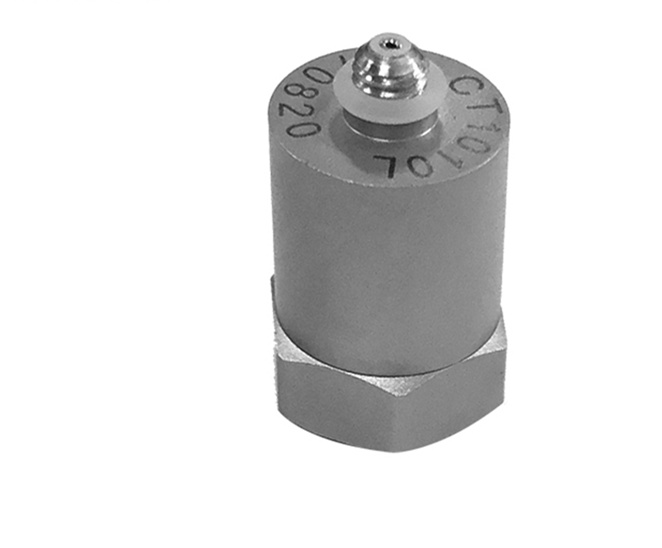
- Piezoelectric ICP/IEPE standard
- High-frequency 0.5–5000Hz response
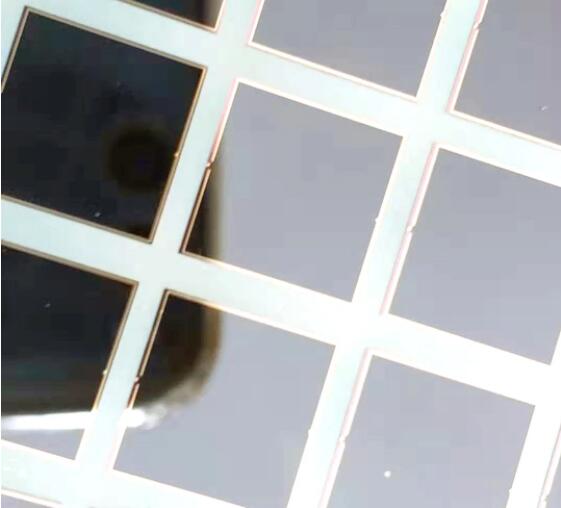
- 10x10mm active linear sensing zone
- Common anode photodiode architecture
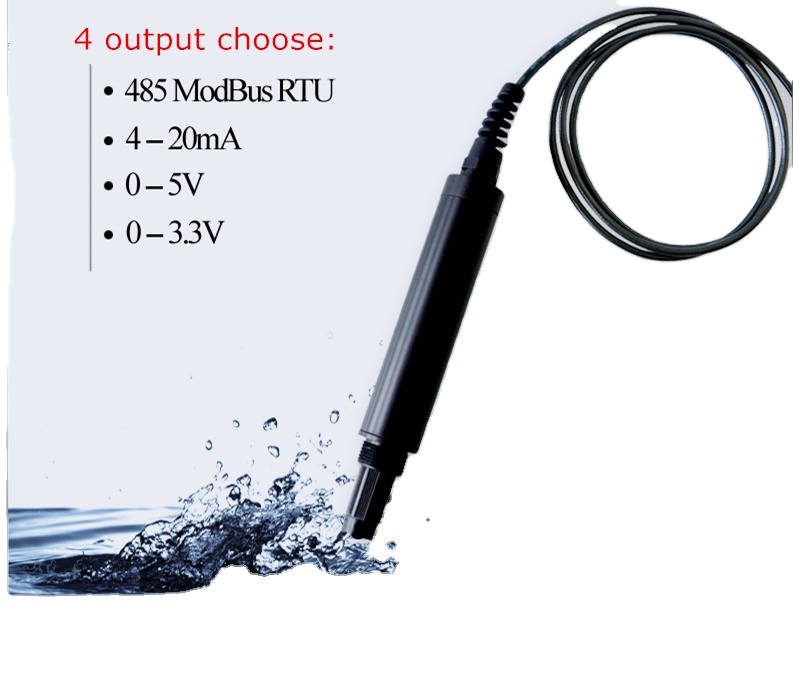
- Industrial RS-485 Modbus-RTU & 4-20mA
- Electrochemical long-term stability
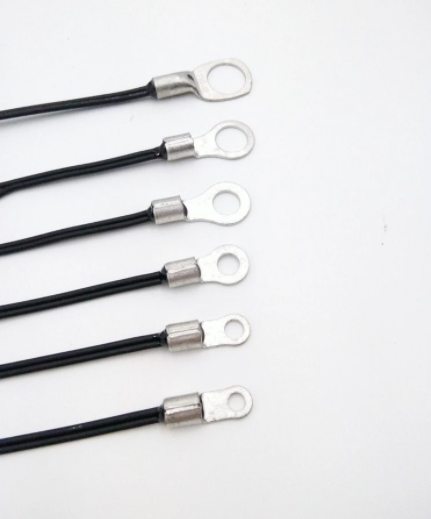
- EV grade NTC 10K/100K 3950/B4150 curve
- Automotive fire-retardant encapsulation
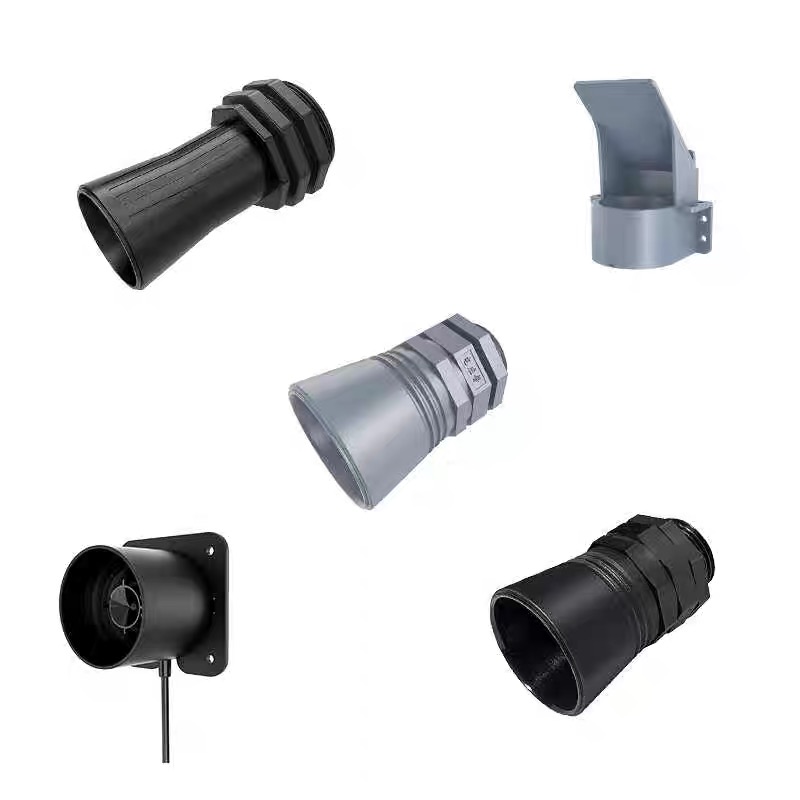
- Non-contact acoustic ranging IP68 probe
- Corrosion-resistant down-well housing
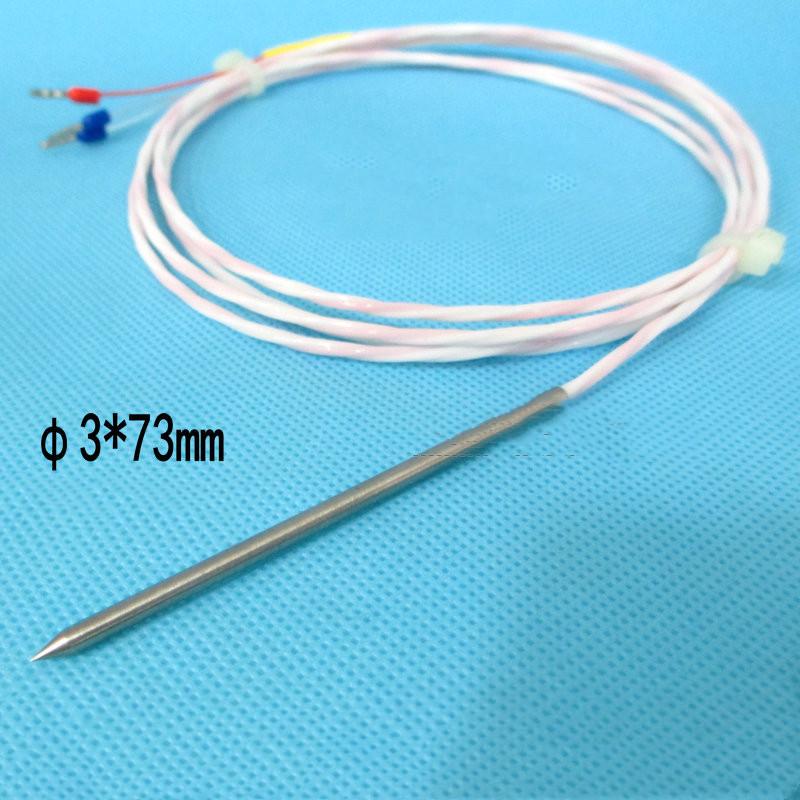
- Class A / Class B high precision thin film
- Pierce pointed 316 stainless-steel needle
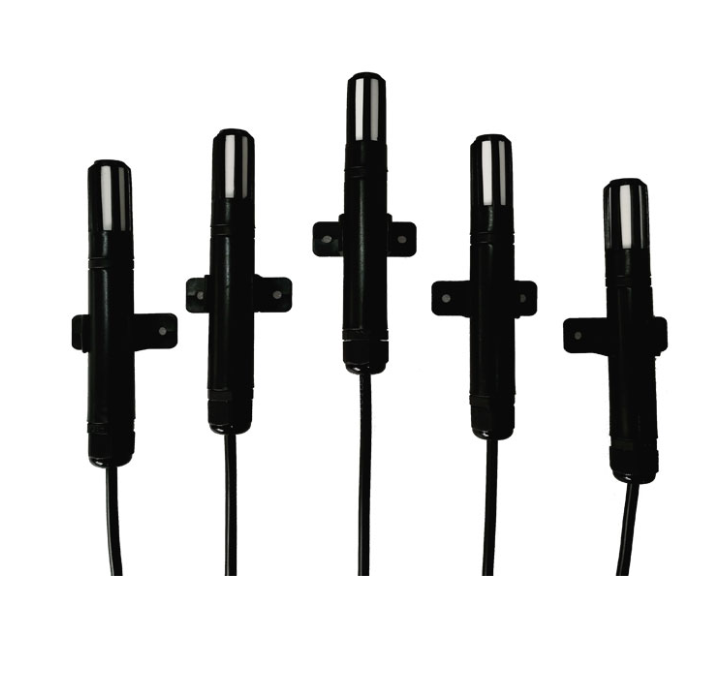
- Digital I2C output protocol
- Sintered stainless-steel particulate filter
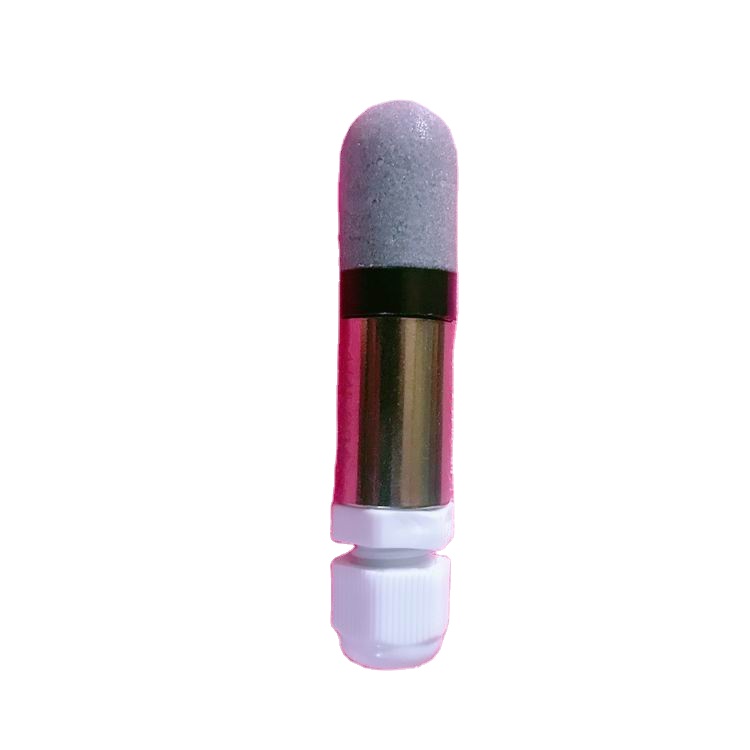
- Microporous breathable PE polymer
- PG7/M12 strain-relief cable gland
China Membrane Switch Keyboard Engineering & Global Exporter Architecture
A rigorous examination of electrical multi-layer topologies, micro-gap tactile mechanics, environmental sealing barriers (IP67/NEMA 4X), and turnkey PCBA integration from Shenzhen Mivo Electronics.
In modern industrial machinery, medical diagnostic equipment, defense terminals, and automated commercial devices, the membrane switch keyboard remains the undisputed gold standard for low-profile, ruggedized user interface input. Unlike consumer mechanical switches with open-contact cavities that swallow airborne moisture, conductive particulates, and chemical spills, an engineered membrane switch is a hermetically sealed multi-layer sandwich that guarantees complete physical separation between the external human operator and internal sensitive electronic circuitry.
As a leading China membrane switch keyboard manufacturer and exporter based in Shenzhen, Shenzhen Mivo Electronics Co., Ltd. bridges the gap between customized tactile graphic panels and turn-key PCBA backplanes. Engineering procurement managers worldwide encounter numerous supply pitfalls when procuring membrane switches: fluctuating contact resistance on printed silver traces, premature metal dome tactile collapse, de-lamination under prolonged high humidity, and optical hazing of LED indicator windows. Overcoming these mechanical and electronic failure modes demands exacting material science, cleanroom screen printing precision, and comprehensive Design for Manufacturability (DFM) verification.
Key Engineering Metric: Industrial-grade membrane switch interfaces must sustain a minimum of 1,000,000 to 5,000,000 actuation cycles without an increase in loop trace resistance exceeding 100 Ohms, while retaining positive tactile feedback across operating temperature extremes of -40°C to +85°C.
Exploded Cross-Section: 6-Tier Membrane Switch Construction
Understanding layer interaction prevents field failure: each microscopic tier fulfills distinct optical, mechanical, dielectric, or electrostatic shielding functions.
Graphic Overlay (Autotex XE / Melinex PET or Polycarbonate)
Reverse-printed with UV-curable, scratch-resistant inks. Sub-surface printing guarantees legends cannot be rubbed off by aggressive disinfectants, isopropyl alcohol, grease, or UV sunlight exposure. Incorporates textured matte coatings with selective clear display windows.
Top Overlay Adhesive Tier (3M 467MP / 3M 468MP 200MP Series)
High-shear acrylic transfer tape precision die-cut with venting channels to equalize internal atmospheric pressure during high-altitude transit or rapid depressurization cycles, preventing blister formation.
Tactile Metal Dome Retainer Tier & Actuation Disc Array
Houses nickel-plated or gold-plated stainless-steel snap domes (four-leg, round, or oblong). Acts as the primary ergonomic interface providing sharp tactile snap ratio (40% to 60%) with crisp audible confirmation and actuation forces ranging from 180g to 450g.
Dielectric Spacer & Isolation Cavity Layer
Engineered polyester film (75μm to 175μm) with laser-cut switch switch pockets. Provides critical air gap insulation to prevent unintended electrical contact or ghost switching caused by flexing or vibration.
Conductive Trace Circuitry & Flexible Tail (Silver Ink or Copper FPC)
Screen-printed with premium conductive silver paste (under 0.05 Ω/sq) overlaid with conductive carbon overprint to inhibit silver migration and electrolytic dendritic shorting. Terminated with standard 2.54mm or 1.0mm pitch ZIF / Amphenol FCI / Berg clincher connectors.
Rear Mounting Substrate & Gasket Layer (3M 300LSE / VHB / Aluminum Stiffener)
High-strength modified acrylic adhesive formulated specifically to adhere to low surface energy (LSE) powder-coated cast aluminum, stainless enclosures, or polycarbonate shells. Optional FR-4 or 1.5mm aluminum backer plates provide structural rigidity.
Membrane Switch Keyboards vs. Mechanical & Capacitive Touch Panels
Engineering selection framework for mission-critical industrial, medical, and outdoor human-machine interfaces.
| Evaluation Parameter | Tactile Membrane Switch (Mivo Standard) | Mechanical Discrete Keyboards | Capacitive Glass Touchscreens |
|---|---|---|---|
| Ingress Protection (IP Rating) | IP65 to IP68 / NEMA 4X completely sealed, chemical/washdown proof. | IP40 to IP54 max; vulnerable to liquid ingress and debris accumulation between keycaps. | IP65 front surface only; edges and rear housing require complex perimeter O-ring gaskets. |
| Tactile Feedback & Glove Operability | Exceptional: Metal snap domes guarantee tactile confirmation even with thick insulated rubber gloves. | Excellent tactile travel (2mm-4mm), but prone to binding when activated off-axis. | Zero natural tactile feel; false actuations occur under water droplets or require costly haptic motors. |
| Total Profile Height & Weight | Ultra-Thin: 0.8mm – 1.8mm complete assembly; featherweight design saves space. | Thick: 18mm – 35mm profile; heavy chassis unsuitable for handheld or slim instrument enclosures. | Moderate: 3.0mm – 6.0mm glass stack; heavy and fragile under mechanical ballistic drop tests. |
| Shock, Vibration & Impact Resilience | Immune to shock: Solid-state elastomeric construction absorbs severe mechanical drop and sinusoidal vibration. | Mechanical springs and solder joints fatigue and bounce erratically under continuous industrial vibration. | Brittle cover lens subject to catastrophic micro-fracture or spider cracking without thick chemically strengthened gorilla glass. |
| Tooling & Prototyping Investment | Low to Moderate ($300 – $900): Rapid digital laser cutting and film tooling enables rapid revisions. | High: Complex plastic injection molds for individual keycaps and multi-part switch housings. | Extremely High: Optical bonding tooling, custom ITO sensor masks, and specialized firmware tuning. |
| EMI / RFI Shielding Integration | Seamless: Screen-printed aluminum foil, conductive carbon, or copper grid layers ground out noise directly. | Difficult; requires secondary metal sub-chassis grounding plates behind the PCB. | Highly vulnerable to conducted and radiated EMI/RFI noise; false touch events under heavy RF interference. |
Why Tier-1 Global Importers Partner with Shenzhen Mivo Electronics
Combining direct access to Shenzhen’s unparalleled electronics supply ecosystem with verified Western manufacturing standards.
Onsite-Verified Factory Audit
Shenzhen Mivo Electronics Co., Ltd. is not a blind trading middleman. Our Shenzhen factory premises have undergone comprehensive onsite verifications by international inspection bureaus and Alibaba.com auditors. With 51–100 skilled technicians, cleanroom screen printing lines, and surface-mount lines, we maintain complete accountability from raw PET film to finished crated exports.
One-Stop Turnkey PCBA & Sensors
Most membrane switch vendors produce only plastic graphic films and outsource electronic circuit boards, causing finger-pointing during assembly integration. Mivo Electronics operates turnkey high-speed SMT assembly, SMT stencil fabrication, multilayer FR-4 manufacturing, and custom sensor probe assembly (PT100, NTC, digital humidity, ultrasonic) all under one roof.
Agile Prototyping from 5 Pieces
We believe cutting-edge engineering shouldn't be locked behind prohibitive minimum order quantities. We support OEM product developers with functional membrane switch and PCBA prototype runs starting from just 5 pieces. Rapid laser cut profiling eliminates early tooling costs, enabling you to validate physical ergonomics before volume production.
Precision Tooling & Color Fidelity
Our color-matching laboratory utilizes computer-controlled spectrophotometers to reproduce precise Pantone, RAL, and CMYK color tolerances within ΔE < 1.0. Optical adhesive laminators operating within Class 1,000 cleanroom environments guarantee dust-free, bubble-free window transparency for LCD, OLED, and seven-segment LED readouts.
100% Automated Testing Protocol
Every membrane switch panel is subjected to automated continuity testing, loop trace resistance measurement, insulation breakdown resistance verification (500V DC > 100MΩ), and tactile snap stroke curve analysis. No membrane leaves our Shenzhen dock without complete optical inspection and certified factory test reporting.
Frictionless Global Export Logistics
Backed by over 8 years of export trade history to North America, Europe, Japan, and Australia, our international logistics desk handles customs clearance, DDP shipping, ESD-shielded vacuum packaging, and certified RoHs/REACH compliance documentation without buyer delays.
Emerging Technology & Global Procurement Trends in Membrane Keyboards
Strategic insights for procurement directors and hardware architects preparing for the next decade of HMI evolution.
The industrial membrane keypad sector is undergoing a profound technological transformation. Traditional passive graphic panels are rapidly evolving into intelligent, hybrid electro-mechanical assemblies featuring integrated active micro-controllers, touchless proximity sensing, and advanced photonic backlighting.
1. Hybrid Capacitive & Tactile Coexistence
Engineers are increasingly moving toward dual-topology interfaces: utilizing capacitive slider/wheel sensors on the graphic overlay for continuous parameter adjustment, paired with positive metal-dome click buttons for critical emergency stop, safety interlock, and power actuation.
2. Ultra-Thin Fiber Optic & Light Guide Film (LGF)
Traditional bulky and power-hungry discrete LED backlighting is being replaced by micro-etched Light Guide Films (LGF) and side-firing SMD 0603 LEDs. This enables razor-sharp, uniform illumination across legends and symbols at an overall thickness of under 0.25mm without hotspot glare.
3. Total Cost of Acquisition (TCO) Shift to PCBA Box-Builds
Procurement departments are eliminating multi-tier vendor risk by sourcing integrated membrane assemblies that arrive pre-laminated to aluminum backing plates with integrated daughterboard PCBAs, embedded microcontrollers (STM32, ESP32), and pre-tested wire harnesses.
4. Anti-Microbial & Harsh Environmental Hardcoats
In medical clinical devices and outdoor industrial stations, chemical biocides and intense solar UV rays degrade untreated film. Next-generation coatings infuse silver-ion antimicrobial agents directly into textured polyester, passing 24-hour bacterial colonization and 10,000-hour UV weathering tests.
5. Near-Field Communication (NFC) & RFID Embedded Inlays
Smart factories require role-based access authorization. Modern membrane switches now embed ultra-thin flexible NFC/RFID antenna loops directly between the graphic overlay and spacer tiers, allowing machine operators to badge-in directly on the keypad surface.
6. Copper Flex Circuit (FPC) Displacing Screened Silver
While screen-printed silver ink remains cost-effective, high-vibration automotive and aviation electronics increasingly demand polyimide Copper FPC circuit layers. Etched copper eliminates silver migration risks entirely, allows ultra-fine 0.15mm trace pitches, and permits reflow soldering of active IC chips.
Engineering Checklist for Requesting Custom Membrane Quotations
Providing detailed specifications prevents back-and-forth design revisions and accelerates factory turnaround.
Mechanical & Physical Criteria
• Substrate Material: Autotex XE Polyester (recommended for flex life & chemical resistance) vs Polycarbonate (high clarity, lower flex endurance).
• Embossing Style: Pillow embossing, rim embossing, or flat design with tactile snap dome positioning.
• Tactile Dome Choice: Stainless-steel dome diameter (6mm to 20mm), actuation force rating (250g, 350g, or 420g standard), gold vs nickel plating.
• Backing Adhesive: 3M 467MP (smooth surfaces), 3M 468MP (textured or powder-coated), or 3M 300LSE (plastics & low surface energy substrates).
• Chassis Reinforcement: 1.0mm – 3.0mm anodized aluminum plate, FR4 composite board, or direct box-build bezel integration.
Electrical & Optical Criteria
• Circuit Architecture: Screen-printed conductive silver traces with carbon protective overprint vs Flexible Printed Circuit (FPC) etched copper.
• Electrical Parameters: Maximum operating voltage (typically < 30V DC), contact current capacity (< 100mA), and permissible closed contact resistance.
• Display Windows: Water-clear gloss for OLED/TFT displays, tinted green/red for 7-segment LEDs, or anti-glare matte diffusing treatments.
• Tail Interconnect: Pitch spacing (2.54mm, 1.27mm, 1.0mm, or 0.5mm), connector housing (female Dupont, locking latch, or ZIF zero-insertion-force solder-free tail).
• ESD/EMI Shielding: Printed conductive graphite layer, vacuum-metallized aluminum foil, or perimeter grounding mesh trace tied to chassis earth ground.
Frequently Asked Questions on Membrane Switch Sourcing & Manufacturing
In-depth engineering answers to common technical queries encountered by global procurement teams.
What is the fundamental difference between Polyester (PET) and Polycarbonate (PC) graphic overlays?
How does Shenzhen Mivo Electronics prevent silver migration and dendritic short circuits?
Can surface-mount LEDs, resistors, and sensor chips be integrated directly into the membrane switch?
What is the typical tooling charge and turnaround time for rapid prototyping?
How do you achieve an IP67 or NEMA 4X waterproof seal on a membrane switch panel?
What files and documentation must be supplied to start a custom engineering order?
How do you ensure color accuracy across repeated volume production runs?
What are the differences between tactile metal domes and non-tactile polydome switches?
Ready to Engineer Your Custom Membrane Keypad or HMI Front Panel?
Collaborate directly with Shenzhen Mivo Electronics' application engineering department. We evaluate your mechanical CAD drawings, analyze trace routing, recommend optimal 3M adhesives, and deliver verified prototype assemblies within days.