Precision Components & Industrial Sensing Assemblies
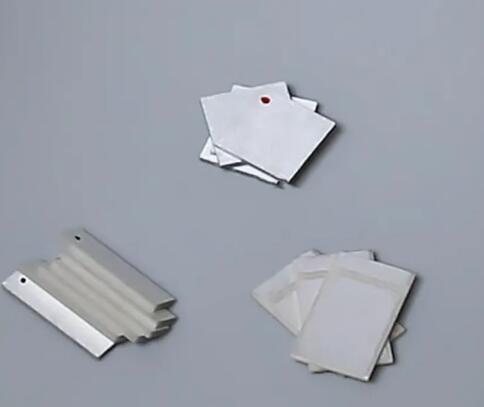
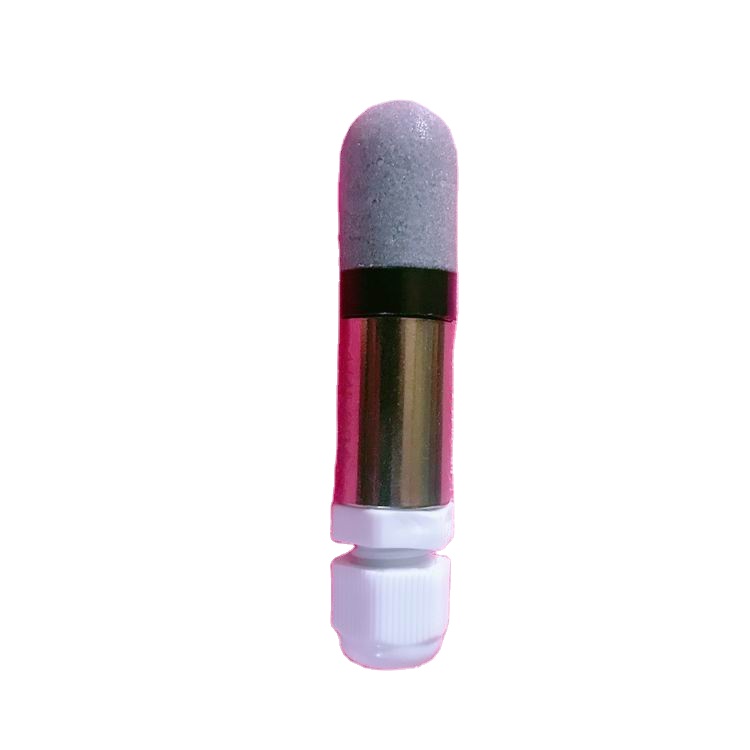
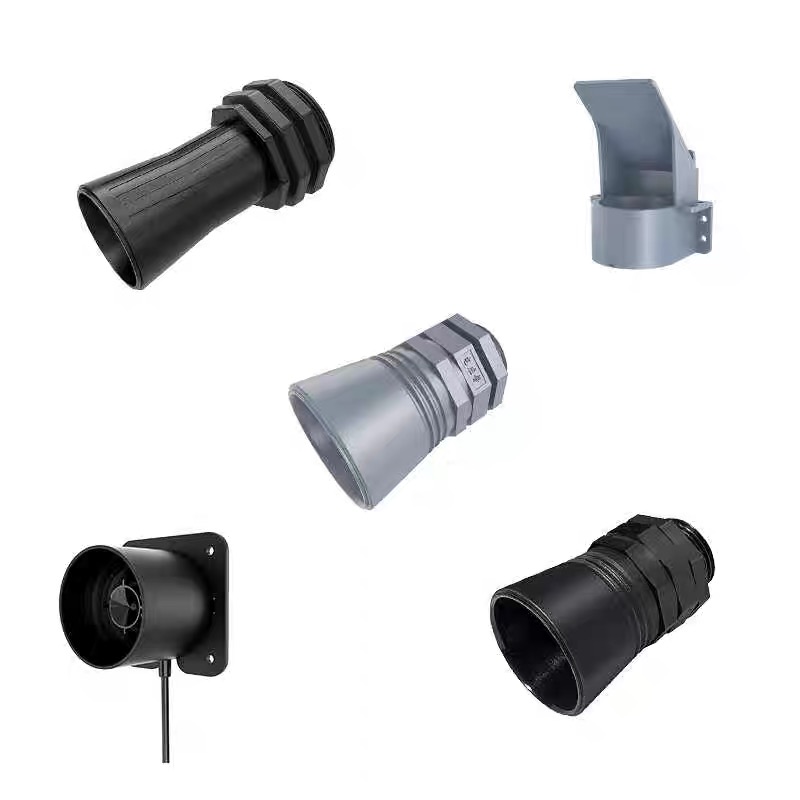
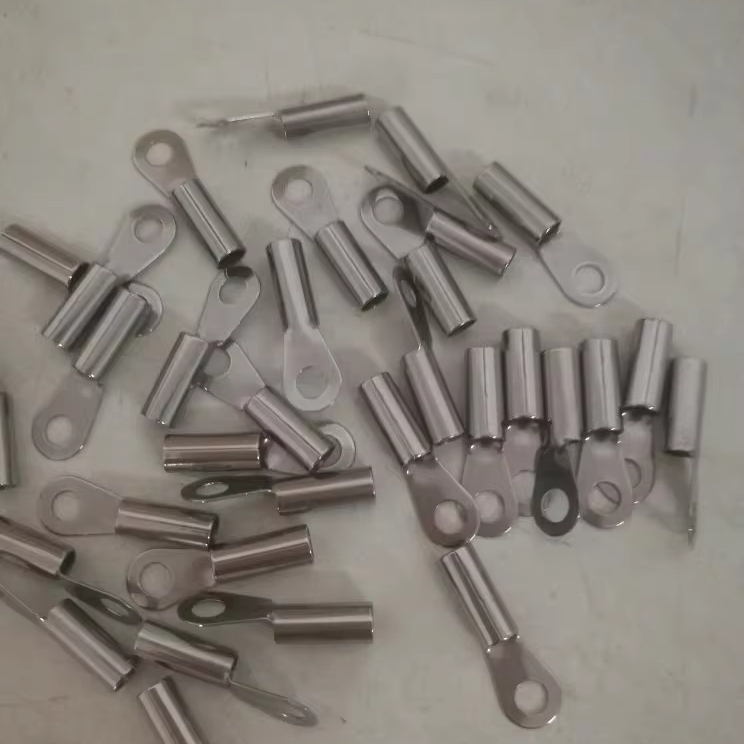
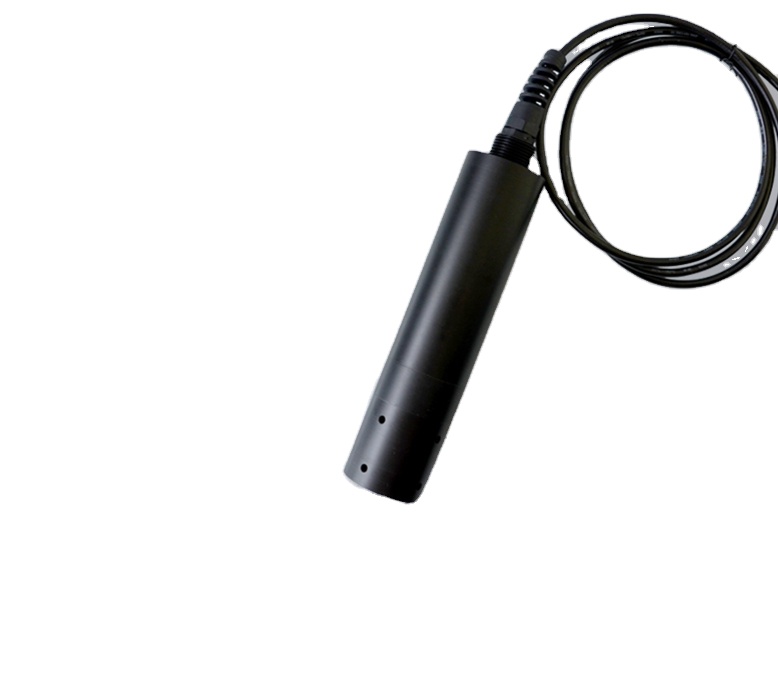
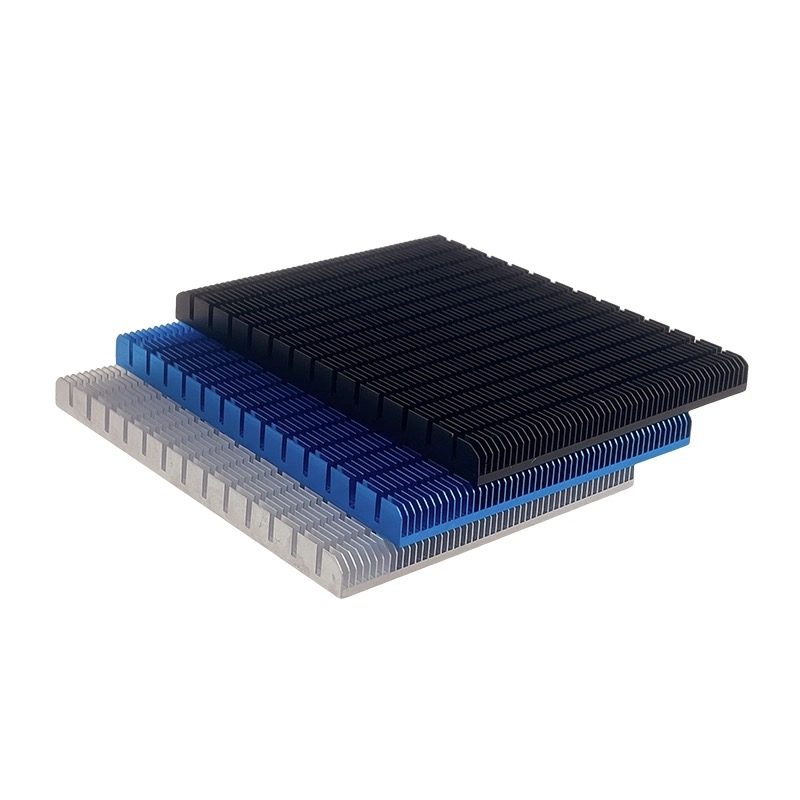
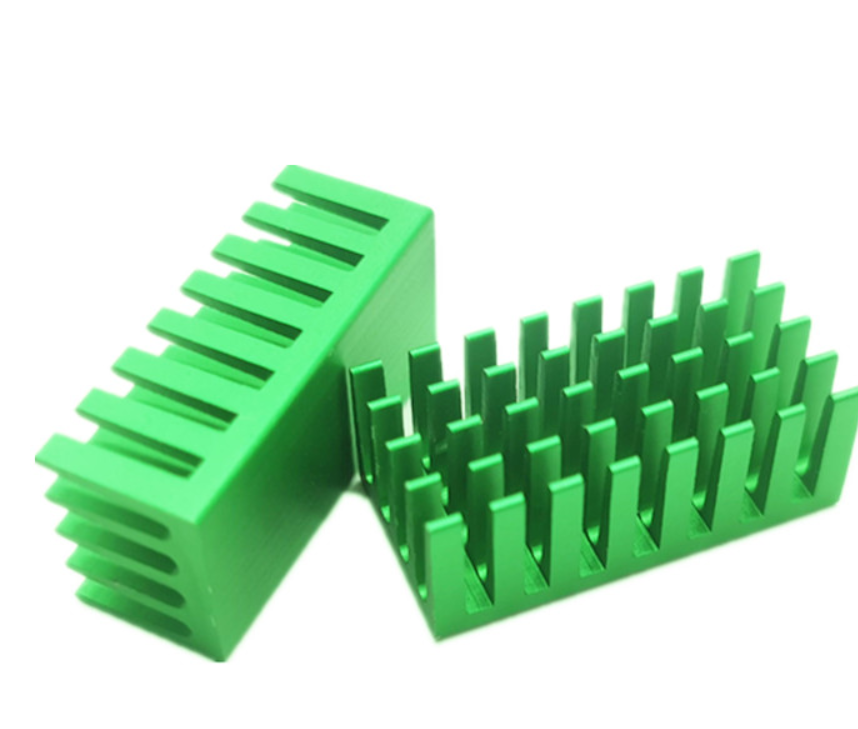
In modern industrial electronics, membrane switches function within an interdependent ecosystem of sensor transducers, environmental shells, piezoelectric elements, and thermal heatsinks. Discover our factory-engineered solutions designed for harsh operating environments.
Material Science & Structural Architecture of Industrial PET Membrane Switches
Human-Machine Interface (HMI) design in modern industrial control systems requires strict mechanical endurance, chemical inertness, and precise tactile responses. Polyethylene Terephthalate (PET) has emerged as the premier substrate across global manufacturing, outperforming legacy Polycarbonate (PC) in high-stress, solvent-rich, and repetitive cyclic actuation deployments.
1. PET Substrate Mechanics vs. Polycarbonate (PC) Comparison
Industrial membrane keypads undergo intense mechanical deflection over years of operation. While Polycarbonate provides clear optical windows and lower initial raw material costs, it is vulnerable to micro-fissuring and mechanical fatigue, typically degrading after 100,000 actuations. In contrast, biaxially oriented PET film (such as Autotex® and Melinex®) achieves over 5 million continuous switch actuations without mechanical crazing, elongation, or switch cavity collapse.
| Performance Metric | Polyethylene Terephthalate (PET) | Polycarbonate (PC) | Polyimide (PI / Kapton®) |
|---|---|---|---|
| Mechanical Flexural Life | > 5,000,000 Actuation Cycles | < 100,000 Actuation Cycles | > 10,000,000 Cycles (High Elasticity) |
| Chemical & Solvent Resistance | Excellent (Alcohols, Ketones, Oils, Hydrocarbons) | Poor (Susceptible to Aromatics & Acetone) | Exceptional (Extreme Industrial Solvents) |
| Thermal Operating Window | -40°C to +85°C continuous | -30°C to +75°C continuous | -50°C to +150°C (High Temp Soldering) |
| Embossing Retention Under Temp | Superior (Hydro-formed & Thermoformed) | Moderate (Relaxes under thermal creep) | High (Requires high tooling temperatures) |
| Dimensional Stability | < 0.15% shrinkage at 120°C | < 0.25% shrinkage at 100°C | < 0.08% shrinkage at 150°C |
2. Multi-Layer Functional Stack Architecture
A standard high-reliability industrial PET membrane switch assembly engineered by Shenzhen Mivo Electronics consists of 6 to 9 laminated layers, tailored to ensure complete environmental sealing and electrical isolation:
1. Graphic Overlay & Surface Texturing
Sub-surface screen-printed Autotex PET (150μm–200μm). Sub-surface printing guarantees that graphics, text, and icons cannot be scratched or dissolved by harsh industrial solvents.
2. Overlay Adhesive & Gasket Spacer
Engineered acrylic transfer adhesives (3M 467MP, 3M 468MP, or 3M 300LSE for low surface energy plastics). Forms an air-tight, moisture-impermeable perimeter seal around keys.
3. Metal Dome Retainer & Tactile Core
Contains nickel-plated or gold-plated stainless steel snap domes (dia. 6mm to 20mm; trip force 250g–450g) mounted inside cut spacer pockets with atmospheric venting channels.
4. Screen-Printed Conductive Circuit
Polymer thick-film (PTF) silver conductive ink screen-printed on stabilized optical-grade PET sheets, topped with a protective carbon overcoat to prevent silver electromigration.
5. EMI / RFI & ESD Shielding Layer
Solid aluminum foil or grid-printed conductive graphite shield grounded to chassis earth, shielding sensitive logic circuits from up to 15kV static discharge surges.
6. Rear Mounting Laminate
Structural high-tack backing adhesive bonded directly to sheet metal, cast aluminum bezels, or injection-molded ABS/Polycarbonate enclosures.
3. Silver Electromigration Mitigation & Carbon Encapsulation
A prevalent failure mode in budget membrane switches operating in high-humidity tropical climates is silver electromigration. Under direct current (DC) voltage bias and high ambient humidity, silver ions traverse between adjacent conductive tracks, causing irreversible electrical shorts. Shenzhen Mivo Electronics eliminates this vulnerability by applying a 100% dielectric cross-over mask combined with a protective carbon-paste conductive capping over all exposed silver switch contact pads.
Strategic Sourcing: Future Trends in Industrial PET HMI Assemblies (2025–2030)
The industrial HMI sector is shifting from standalone switches toward fully integrated electromechanical front assemblies. Engineering procurement heads and technical buyers must align their supply lines with several transformative manufacturing trends:
1. In-Mold Electronics (IME) Convergence
Consolidating printed decorative films with structural thermoplastic injection molding. Conductive traces and surface-mount LEDs are screen-printed on PET, thermoformed into 3D geometries, and injection-molded into a single solid-state assembly that eliminates internal air gaps and reduces assembly labor.
2. Capacitive Sensing with Haptic Piezo Domes
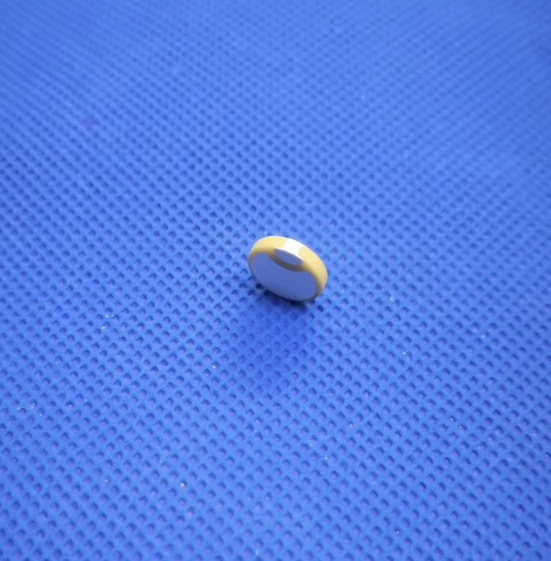
While mechanical snap domes deliver unmatched tactile feedback, modern cleanrooms and medical interfaces require flat, crevice-free surfaces. By integrating capacitive printed PET sensor circuits with PZT piezoelectric transducers, operators experience instant haptic vibrations through sealed glass or plastic surfaces.
3. Single-Source Turnkey PCBA Integration
Global OEMs are moving away from fragmented sourcing models (buying membrane keypads from one supplier, bare circuit boards from another, and mechanical brackets from a third). Shenzhen Mivo Electronics delivers fully consolidated assemblies: membrane overlays mounted directly onto rigid FR-4 PCBA or aluminum backplates with factory-soldered connectors.
Total Cost of Ownership (TCO) Procurement Formula
When assessing manufacturing bids from Chinese suppliers, looking only at Unit Piece Price yields hidden costs. Strategic procurement requires evaluating the Total Cost of Ownership formula:
TCO = NRE Tooling Amortization + (Unit Price × Volume) + Shipping/Tariffs + (Failure Rate × Replacement Cost) + Integration Overhead
By standardizing on high-purity silver inks, genuine 3M structural adhesives, and factory-integrated PCBA testing, Mivo achieves an infield failure rate below 120 PPM, slashing warranty claims and post-assembly labor costs for overseas clients.
Precision Manufacturing Workflow & Quality Verification
Every custom PET membrane switch produced at our Shenzhen facility follows a disciplined 5-stage manufacturing protocol that guarantees layer-to-layer registration accuracy within ±0.05mm:
DFM Engineering Audit
CAD/CAM analysis of key travel, dome diameter vs. actuation force curves, dielectric isolation, and connector pitch pinouts.
Class 1,000 Cleanroom Printing
Fully automated screen printing of high-grade conductive silver, carbon wear coatings, and Pantone-matched sub-surface graphics.
Thermal Tunnel Curing
Precisely calibrated conveyor curing to cross-link polymer thick-film matrices, maximizing conductivity and stabilizing track sheet resistance (<0.05Ω/sq).
CCD Laser Die-Cutting
Optical camera-guided laser cutting and hydro-forming of tactile key domes, providing clean edge seals and void-free adhesive boundaries.
100% Automated Testing
Computerized testing of loop resistance, open/short circuits, contact bounce duration (<5ms), insulation resistance (>100MΩ @ 100VDC), and dome tactile trip ratio.
Shenzhen Mivo Electronics Co., Ltd. — Engineering Precision Since 2016
Headquartered in the global electronics manufacturing capital of Shenzhen, Guangdong, Shenzhen Mivo Electronics Co., Ltd. operates an onsite-verified production facility serving OEMs, industrial design firms, and medical equipment manufacturers worldwide.
Unlike simple printing brokers, we run fully integrated manufacturing divisions: precision SMT stencil etching, rigid-flex PCB fabrication, SMT PCBA component mounting, sensor housing CNC machining, and high-reliability PET membrane switch production.
Audited Enterprise Metrics
Frequently Asked Technical Questions on PET Membrane Switches
Direct engineering answers addressing critical design choices, material trade-offs, and procurement considerations for custom membrane keypad manufacturing.
What makes PET film superior to Polycarbonate (PC) for industrial membrane switch overlays?
How do you prevent silver electromigration on printed conductive circuit layers?
What is the difference between Metal Dome tactile feedback and Polydome embossing?
Can Shenzhen Mivo Electronics integrate surface-mount LEDs and display windows into the switch?
How do you achieve IP67 or IP68 waterproof ratings on custom membrane switches?
What connector interface options are available for the flex tail ribbon?
What engineering files and design data are required to initiate custom manufacturing?
What are your prototyping MOQs and production lead times?
Request Engineering Support & Technical Catalogs
Connect directly with our Shenzhen engineering center. Share your 2D/3D drawings, graphic layouts, or Gerber packages to receive a comprehensive DFM audit, unit pricing, and free sample material kits.