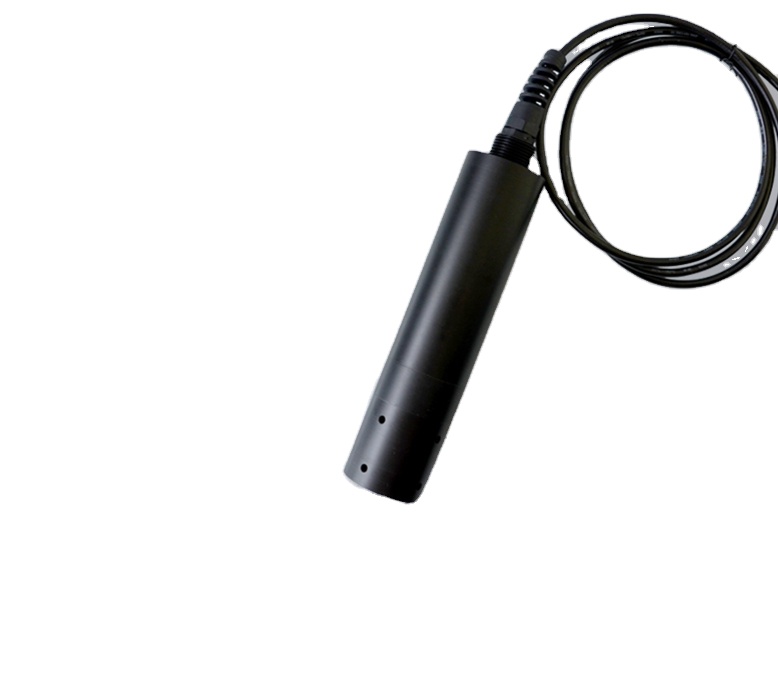
RS485 Modbus / 4-20mA
DTS-600 Turbidity Transducer Electrode Water Sensor
Ruggedized industrial optical water turbidity measurement probe designed for harsh chemical processing and wastewater control panels.
Complete electromechanical integration: Pairing high-durability graphic interfaces with specialized monitoring sensors, thermal dissipation substrates, and turnkey PCBA controllers directly from our Shenzhen facility.
Ruggedized industrial optical water turbidity measurement probe designed for harsh chemical processing and wastewater control panels.
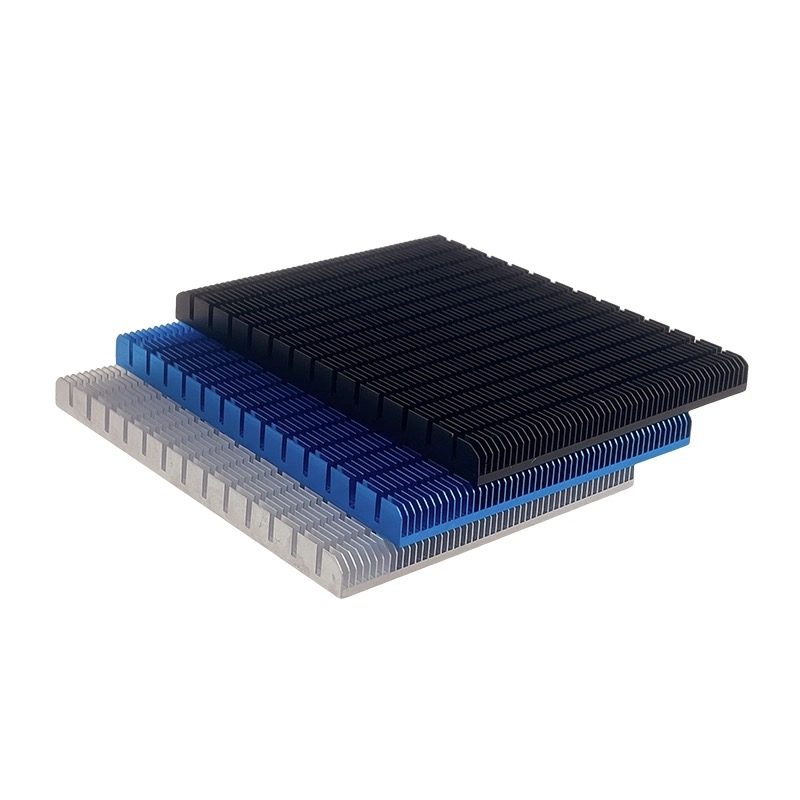
High-conductivity aluminum extruded profile with pre-applied thermal conductive tape for CPU, PCB, power driver, and HMI display cooling.
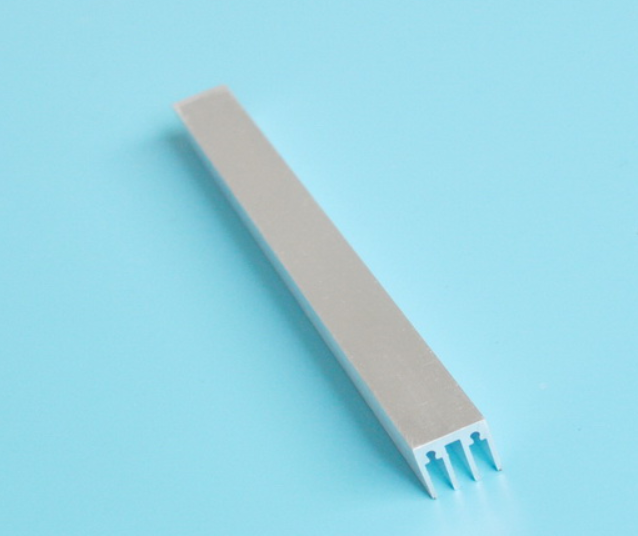
Custom 16*16*100/200/300/600mm finned comb radiator engineered for industrial control backlighting arrays and high-power LED strips.
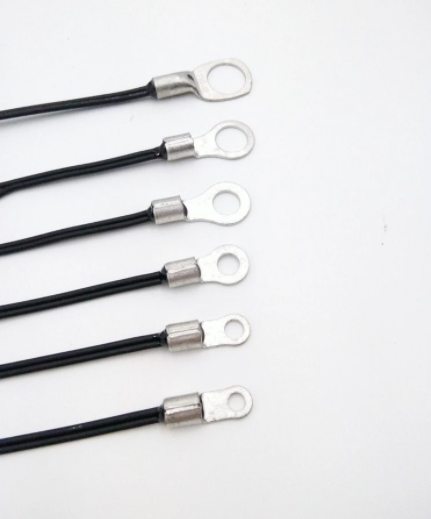
B4150 10K / 100K high-precision automotive thermistor probe developed for EV battery enclosures, solar storage, and inverter front panels.
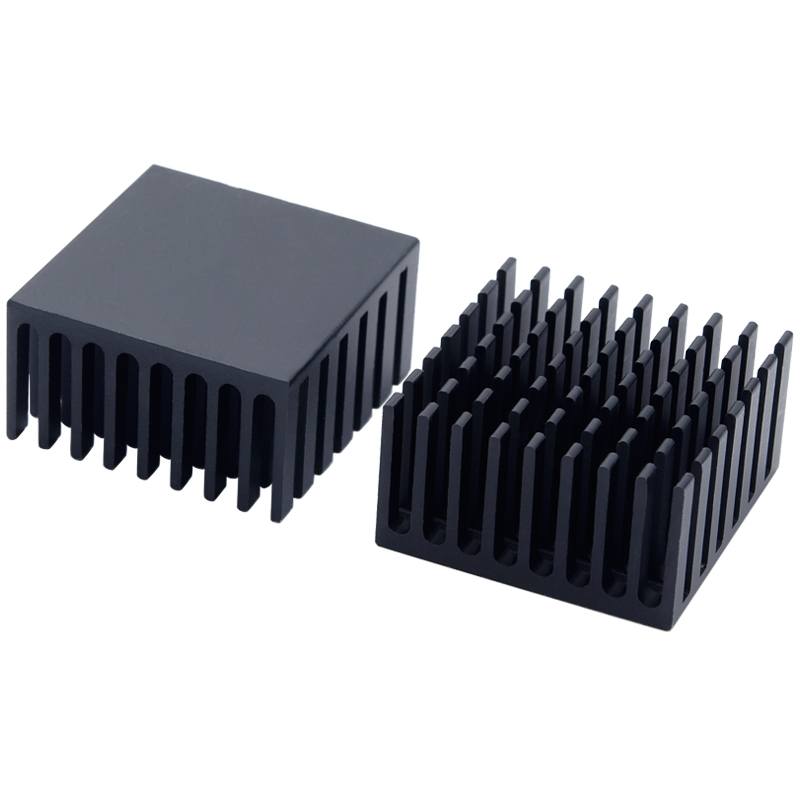
Compact surface-mount cooling fin assembly for embedded microprocessor interfaces, graphic processing ICs, and instrument enclosures.
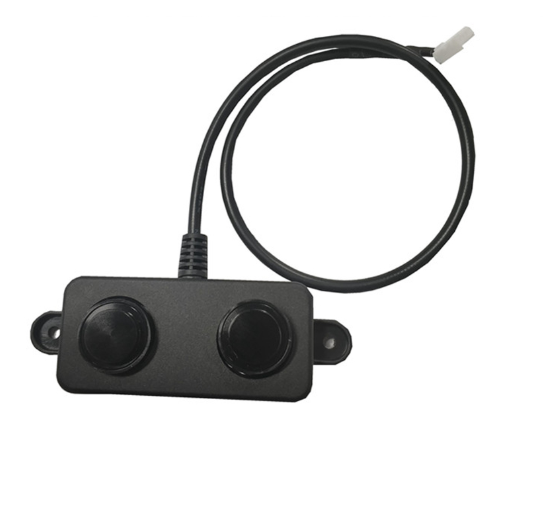
Sealed transducer module with non-contact sonar telemetry output, engineered for automated tank monitoring and industrial automation consoles.
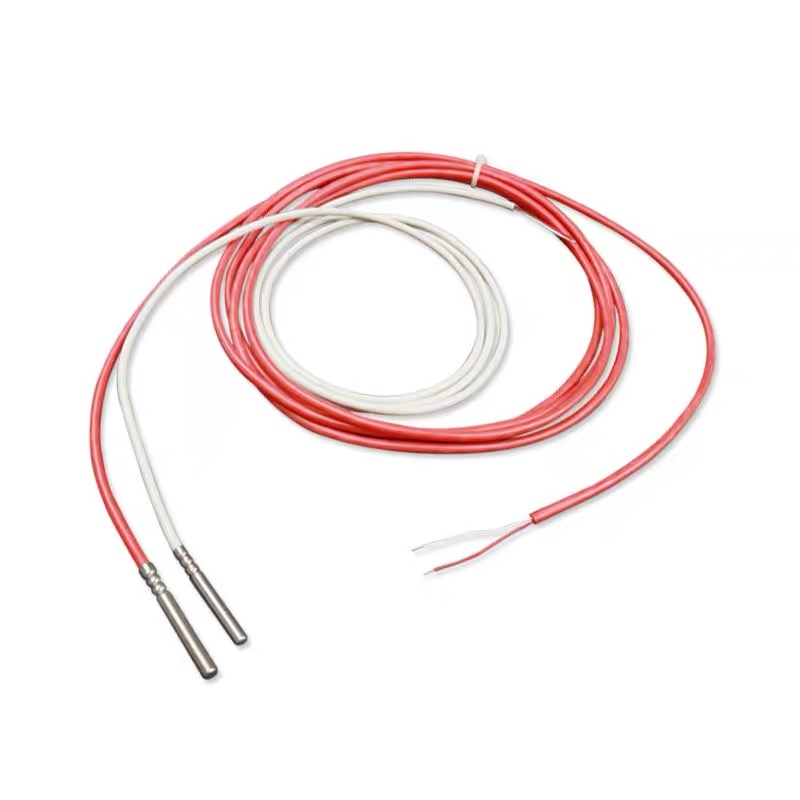
Medical and food-grade silicone-jacketed temperature probe offering exceptional long-term stability (-50°C to +200°C) for precision HMI readouts.
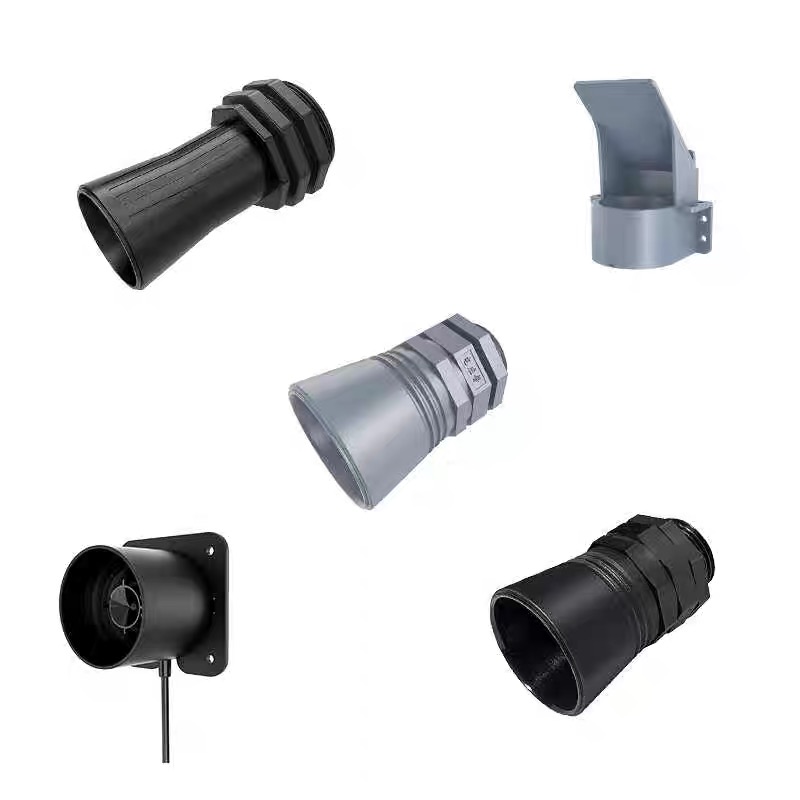
Heavy-duty underground sewer pipe level detection module offering corrosion-resistant sealing and long-range measurement telemetry.
A comprehensive design and procurement framework for electronics hardware architects, instrumentation engineers, and international sourcing teams.
A control panel overlay (also recognized across the industry as a graphic overlay, faceplate, or membrane front panel) serves as the primary physical bridge between an end-user and complex electronic hardware. More than merely a decorative exterior skin, an industrial-grade overlay fulfills rigorous technical roles: environmental ingress mitigation (sealing out moisture, corrosive airborne chemistries, and particulates), tactile mechanical feedback, ESD shielding, optical filtering for digital displays (LCD, OLED, LED arrays), and chemical barrier protection. As a premier China control panel overlay factory and turnkey electronics manufacturing partner located in the heart of Shenzhen, Shenzhen Mivo Electronics Co., Ltd. combines Class 1,000 cleanroom printing processes, advanced polymer laser-cutting, high-precision CNC routing, and comprehensive PCBA assembly to deliver mission-critical human-machine interfaces (HMI).
Material selection dictates more than 80% of an overlay's functional lifespan. During the design for manufacturability (DFM) phase, our engineering department collaborates with clients to evaluate environmental wear, chemical contact profiles, flexural endurance, and optical transparency demands:
| Substrate Material | Key Strengths & Properties | Actuation Flex Life | Chemical & UV Resistance | Recommended Industrial Applications |
|---|---|---|---|---|
| Autotex® Polyester (PET) | Unsurpassed flex fatigue resistance, exceptional dimensional stability, high tensile strength. | > 5,000,000 cycles without micro-cracking | Superior resistance to aggressive industrial solvents, fuels, IPA, and detergents. | Medical diagnostics, CNC machinery controls, outdoor heavy equipment, membrane keypads. |
| Lexan™ Polycarbonate (PC) | Extreme optical clarity, high impact resistance, UL 94V-2 flame retardancy, low tooling cost. | < 50,000 cycles (non-embossed or low travel only) | Moderate; vulnerable to aromatic hydrocarbons and sustained UV (unless hard-coated). | Instrumentation faceplates, dead-front consumer electronics, stationary power supply bezels. |
| PMMA (Cast Acrylic) | Outstanding scratch resistance, optical prism purity, high rigidity, laser-machinable edges. | Non-flexible (rigid decorative window/bezel) | High resistance to weathering and natural UV; susceptible to stress cracking by alcohols. | Marine instrument windows, luxury smart appliances, high-transparency display lenses. |
| Chemically Hard-Coated PET | Micro-engineered textured surface (Fine/Velvet), anti-glare, anti-microbial additive capable. | > 3,000,000 cycles | Exceptional resistance to scratch (pencil hardness > 3H) and harsh sanitizers. | Hospital touch monitors, surgical consoles, sterile cleanroom automation control pods. |
To ensure graphic designs never scratch, fade, or scrub off during field cleanings, Mivo utilizes precise sub-surface screen printing and digital UV flatbed imaging. Graphic inks are applied on the second (reverse) surface of clear polyester or polycarbonate sheets. The substrate itself serves as an impenetrable armor plate safeguarding ink pigments from abrasive human contact, hydraulic oils, and bleaching agents.
Furthermore, our advanced dead-front ink formulations allow back-lit indicator icons and alphanumeric alerts to remain invisible until illuminated by underlying SMD LEDs positioned on the supporting PCBA board. Optical window tints—including smoke gray, selective matte, high-gloss display clear coats, and anti-reflective diffusers—are custom-matched using spectrophotometers to hit specific wavelength cutoffs for LCD, VFD, and OLED readability under direct sunlight.
A control panel overlay is only as durable as its adhesive lamination system. Delamination or edge-lifting under extreme thermal swings causes complete equipment moisture failure. Mivo partners directly with leading adhesive manufacturers like 3M™ to engineer bonded stacks matched to your enclosure substrate:
Key market dynamics, technological migrations, and supply chain evolutions shaping high-reliability HMI procurement over the next five years.
Traditional tactile metal domes are rapidly converging with projected capacitive touch (PCAP) sensors screen-printed directly with conductive silver or PEDOT inks. Procurement teams are requesting hybrid overlays combining tactile emergency stops with capacitive sliders and linear vibration motors for high-tech industrial cockpits.
Driven by strict post-pandemic hospital standards and food safety regulations (FDA / EHEDG), global buyers now mandate silver-ion antimicrobial coatings integrated directly into the polyester matrix. These coatings permanently inhibit microbial colonization without degradation from daily isopropyl alcohol and bleach cleanings.
The industry is transitioning from flat 2D membrane panels to 3D formed In-Mold Electronics. By printing conductive traces and mounting miniature components onto an overlay film prior to high-pressure thermoforming and injection back-molding, manufacturers achieve lightweight, ultra-thin, hermetically sealed control consoles.
Legacy electroluminescent (EL) backlighting is being phased out due to high AC voltage demands and inverter hum. Modern graphic overlays utilize ultra-thin (0.125mm) micro-etched Light Guide Films (LGF) illuminated by side-firing edge LEDs on the PCB, providing razor-sharp, uniform key backlighting with minimal current consumption.
Enterprise procurement managers are actively trimming supply chain overhead by abandoning fragmented purchasing (buying overlays from printer A, circuit boards from assembler B, and thermistors from supplier C). Sourcing completely assembled and functionally tested sub-systems eliminates cross-supplier blame games and drops landed costs by 18–25%.
With tightening European RoHS, REACH, and WEEE directives, Tier-1 industrial buyers increasingly require certified halogen-free flame retardant substrates (UL 94VTM-0) and solvent-free UV-curable dielectric inks to comply with corporate sustainability and carbon footprint governance.
Onsite-audited precision manufacturing facility bridging rapid prototype engineering with sustained high-volume global delivery.
Our manufacturing premises in Longgang District, Shenzhen have successfully passed strict third-party onsite verifications and physical audits. Backed by 8 continuous years of verified international exporting and an outstanding 4.7/5.0 buyer satisfaction index, we guarantee zero transaction risk.
We are not merely a print shop. Mivo Electronics operates surface-mount technology (SMT) high-speed placement lines, selective soldering cells, laser stencil cutters, and sensor assembly benches. We mount tactile domes, LEDs, resistors, IC controllers, and flexible flat cables (FFC) under one roof.
Eliminate prohibitive tooling barriers. While legacy suppliers impose steep MOQs of 500 to 1,000 units, Mivo supports hardware startups, R&D centers, and specialty equipment OEMs with quick-turn laser-cut prototype runs starting from just 5 to 10 pieces with zero steel-rule die expenses.
Situated within the world's most concentrated electronics supply chain, our procurement specialists source original ICs, tactical switches, encoders, and rare passives directly from authorized franchised distributors. When parts are end-of-life (EOL), we provide engineer-validated cross-references for client sign-off.
Every single control panel overlay and membrane assembly undergoes automated continuity testing, insulation resistance validation (up to 100MΩ @ 100V DC), tactile actuation force profiling, and visual optical inspection (AOI) to guarantee zero dead keys upon arrival.
Communicate directly with bilingual hardware and mechanical engineers. We review your CAD (DXF, DWG), Vector Graphics (AI, PDF), Gerber files, and BOM within 24 hours—flagging trace spacing, dome venting channels, and adhesive keep-outs before metal cutting begins.
Submit your design files (DXF, AI, Gerber) for a confidential DFM feasibility review, material recommendation, and rapid quotation within 24 business hours.
In-depth technical answers addressing engineering tolerances, tooling expenses, lead times, and environmental qualification standards.
To provide an exact, itemized engineering quote, our DFM team recommends providing: 1) Vector Graphic Artwork in Adobe Illustrator (.AI), CorelDraw (.CDR), or Vector PDF format with clear Pantone (PMS) or RAL color callouts, transparent display window designations, and LED cutouts. 2) Mechanical Drawings in DXF, DWG, or STEP format detailing outer dimensional tolerances, button embossing profiles (rim, pillow, or dome), cutout radii, and adhesive thickness. 3) Electrical Circuit Files (Gerbers or CAD layouts) if your overlay incorporates tactile metal domes, silver-printed circuit traces, tail routing, or rear PCBA backplates.
Achieving true IP67 or NEMA 4X hermetic sealing requires careful adhesive engineering. We design continuous closed-perimeter perimeter adhesive gaskets utilizing high-tack acrylic polymers (such as 3M 468MP or 3M VHB) that leave no break in the seal surrounding internal contact circuits and display cutouts. Furthermore, our engineers incorporate internal breathing channels between switch cavities vented back through the rear tail connector rather than to the ambient atmosphere, preventing air expansion during temperature shocks while keeping liquid contaminants out.
Stainless Steel Metal Domes (Gold or Nickel-Plated): Deliver crisp, decisive tactile "snap" feedback with actuation forces typically between 250g to 450g. They endure extreme temperatures (-40°C to +85°C), support millions of actuations without fatigue, and are mandatory for critical medical, defense, and high-vibration automotive systems.
Polydomes (Embossed Polyester Domes): Formed directly into the PET graphic sheet using heated male/female embossing dies. While economical for high-volume consumer goods, they offer softer tactile response and are more sensitive to thermal degradation over 65°C.
Yes. That is precisely where Mivo Electronics delivers competitive information gain and cost efficiency over basic printing factories. We provide full electromechanical turnkey assembly: mounting your custom graphic overlay onto custom-extruded aluminum heat sinks or CNC aluminum plates, soldering connector headers, integrating RTD temperature probes or ultrasonic modules, and plugging in multi-layer PCBA mainboards ready for immediate installation onto your final equipment line.
For custom graphic overlay and membrane switch prototypes utilizing digital laser-cutting (no hard tooling required), lead times average 5 to 7 working days following digital artwork sign-off. High-volume production runs utilizing dedicated steel-rule or hardened match-metal dies generally ship within 12 to 18 working days depending on raw material sourcing (e.g., specialized textured Autotex PET) and functional testing scope.
In dry industrial environments, operator contact can generate electrostatic potentials exceeding 15kV. To safeguard sensitive microprocessors on the underlying PCBA, we integrate continuous conductive grounding planes—printed with conductive carbon, silver grid arrays, or laminated aluminum foil—directly beneath the graphic overlay layer. This shield routes static charges harmlessly to the chassis ground via a dedicated grounding tail pin before discharges can jump to sensitive circuitry.
We provide a comprehensive array of physical finishing processes: Textures: Velvet, fine matte, suede, anti-glare, anti-fingerprint, and ultra-high gloss (ideal for display windows). Selective Texturing: Screen-printing a selective gloss clear coat over an otherwise matte panel to create crystal-clear viewing windows for LCDs without needing separate glued lenses. Embossing: Perimeter rim embossing, pillow embossing, full dome embossing, and custom braille dots engineered to ADA accessibility standards.
Prior to lot dispatch, Mivo executes strict quality inspections aligned with ASTM and ISO standards: 100% switch contact resistance testing, cross-hatch ink adhesion testing (ASTM D3359), surface pencil scratch hardness (ASTM D3363, reaching 3H on hard-coated PET), MEK solvent rub testing, high/low temperature operating cycles (-40°C to +85°C), and humidity chamber soak tests (95% RH at 60°C).
Discover how our turnkey integration of graphic overlays, sensors, PCBA, and thermal solutions can elevate your product's field reliability while trimming international landed procurement costs.