Thermal Substrates
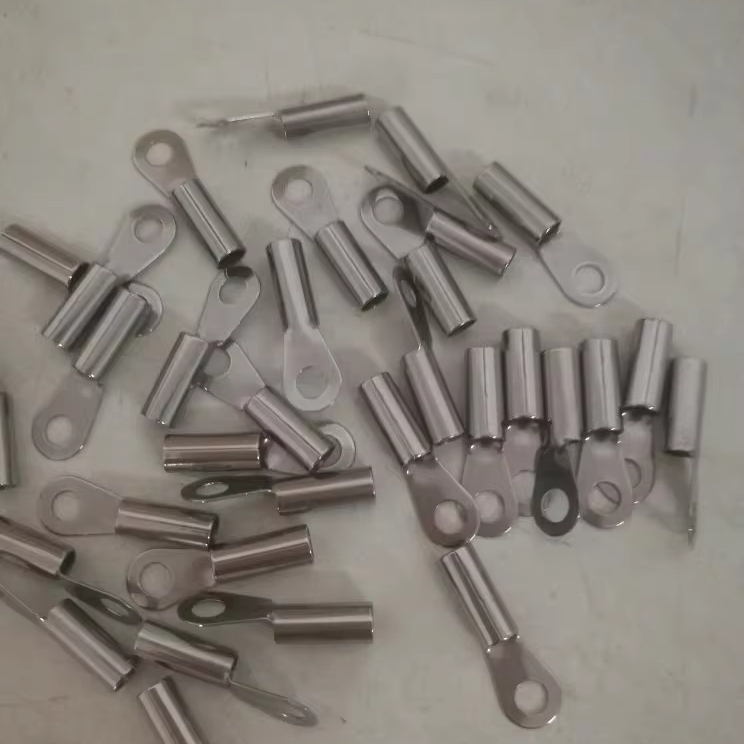
Seamlessly engineered products manufactured to drawing, supporting your FPC, thermal dissipation, sensor integration, and industrial computing assemblies.

In modern electronic product design, space conservation and high dynamic bending reliability dictate component viability. As a specialized flexible printed circuit board exporter based in Shenzhen's electronics cluster, Shenzhen Mivo Electronics implements IPC-6013 Class 2 and Class 3 manufacturing parameters to build single-sided, double-sided, multilayer, and rigid-flex circuit architectures. Unlike conventional rigid FR-4 substrates, custom OEM FPC board fabrication leverages ultra-thin, flexible copper clad laminates (FCCL), specifically utilizing adhesive-less Polyimide (PI) base cores ranging from 12.5μm (0.5 mil) to 50μm (2.0 mil).
Dynamic flexural performance depends entirely on symmetrical mechanical stress control within the neutral bending axis. When routing signal lines through high-flex stress transition regions (such as battery hinge joints, wearable display folding axes, and high-vibration robotic arm linkages), our engineering team ensures that rolled annealed (RA) copper foil is specified instead of standard electro-deposited (ED) foil. RA copper's elongated horizontal grain structure provides up to 10 times the fatigue resistance of ED foil, preventing micro-fractures under millions of continuous flex cycles.
| Substrate Parameter | Standard OEM Specification | Advanced HDI Flex Parameters |
|---|---|---|
| Base Substrate Material | Polyimide (PI) / Modified PI (MPI) | Liquid Crystal Polymer (LCP) / Low-Dk PI |
| Copper Foil Type & Thickness | 1/3 oz to 1 oz Rolled Annealed (RA) | Ultra-thin 9μm / 12μm Cast Copper |
| Min. Line Width / Spacing | 0.075 mm / 0.075 mm (3 / 3 mil) | 0.035 mm / 0.035 mm (1.4 / 1.4 mil) |
| Surface Finishing Options | ENIG (Electroless Nickel Immersion Gold) | Immersion Tin / Immersion Silver / ENEPIG |
| Stiffener Materials | FR-4, Stainless Steel (SUS), Polyimide | Aluminum Alloy, Beryllium Copper |
Procurement teams navigating the electronics supply chain encounter shifting macroeconomic variables, technical convergence, and compressed product release schedules. Over the 2025–2030 horizon, four dominant procurement patterns govern OEM flex circuit purchasing:
Shift Toward Turnkey SMT & Micro-Dispensing Integration: Global buyers are steering clear of split contracts where bare FPCs are produced by one factory, passive components sourced by a trading firm, and SMT assembly completed by a third party. When handling ultra-thin, low thermal-mass flex substrates, reflow warping, thermal dissipation issues, and solder bridging are rampant unless the bare-board supplier manages the carrier pallet design, SMT solder paste jet printing, and precision underfill. Turnkey PCBA handling eliminates vendor cross-finger-pointing when functional defects arise.
Adoption of High-Frequency Low-Loss Substrates (LCP & MPI): With the maturation of 5G millimeter-wave telematics, high-speed IoT modules, and sub-6GHz antenna assemblies, conventional polyimide substrates exhibit excessive dielectric dissipation factors (Df > 0.008 at 10 GHz). Overseas procurement demands Liquid Crystal Polymer (LCP) films, delivering a near-hermetic water absorption rate (<0.04%) and stable Df (<0.002), essential for low-attenuation transmission lines.
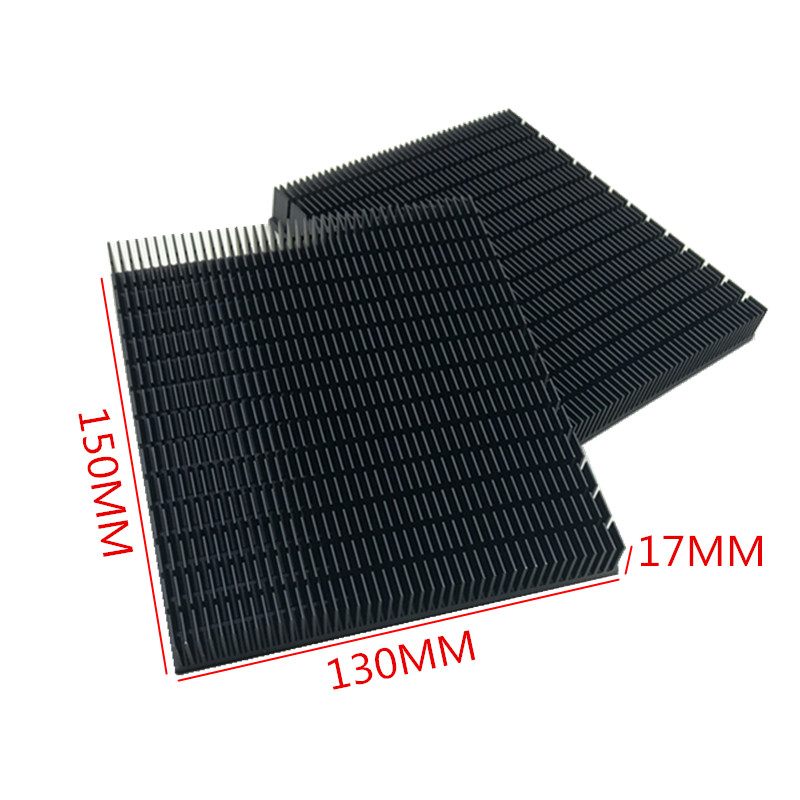
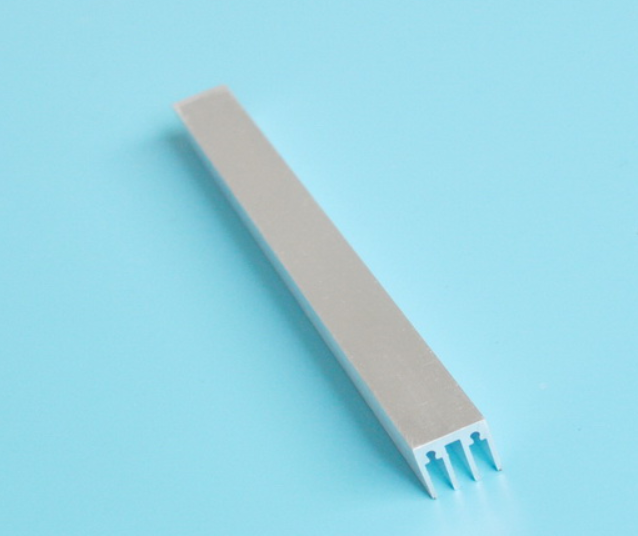
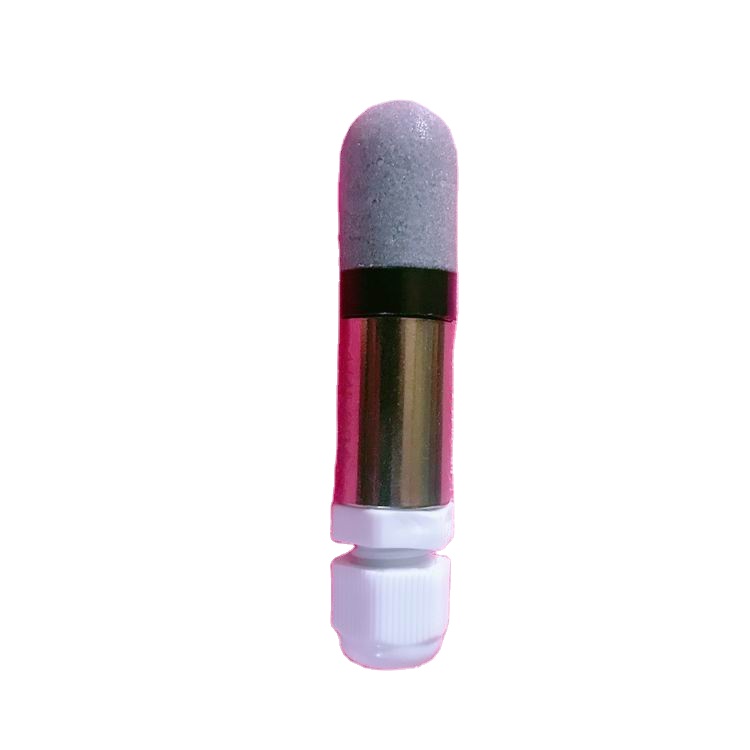
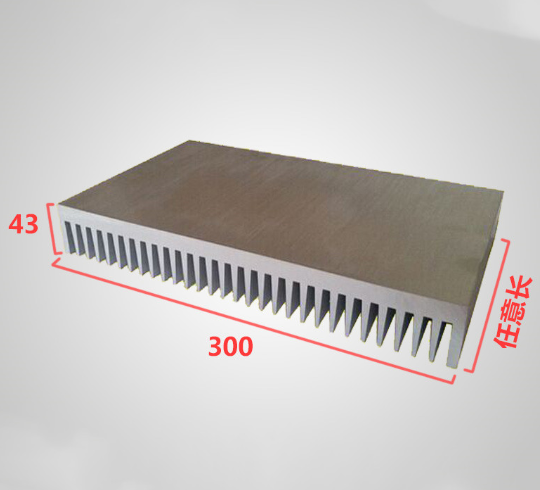
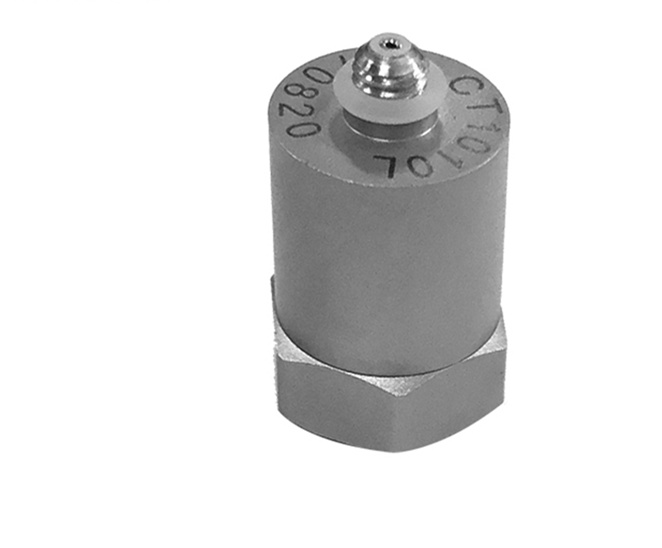
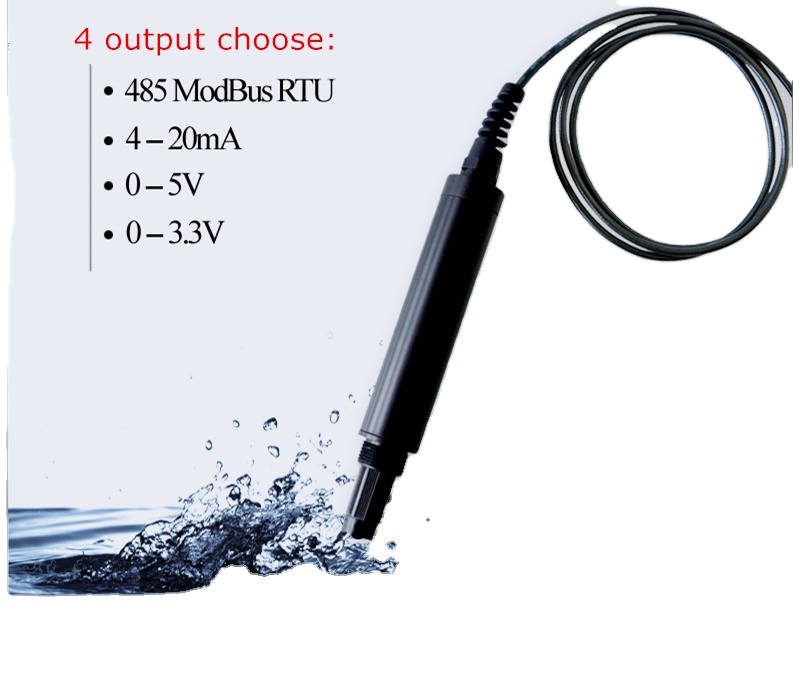
Integrated Hybrid Rigid-Flex with Thermal Dissipation Backing: As embedded control boards become denser, designs fuse sensor sockets directly onto rigid FR-4 zones while routing flexible extensions straight to chassis-mounted aluminum heat spreaders, eliminating bulky wiring harness connectors. Sourcing modular subsystems that integrate extruded aluminum radiators, waterproof SHT sensor housings, and piezo elements on a common bill of materials significantly compresses supply chain footprint.
The FPC manufacturing landscape is progressing rapidly toward Semi-Additive Processing (mSAP) and photolithographic additive trace patterning. Traditional subtractive chemical etching struggles to maintain uniform trace profiles below 40μm line/space dimensions due to isotropic chemical undercut. Through additive plating technology, factories can form near-vertical trace sidewalls, supporting 20μm line pitches to interconnect with next-generation Flip-Chip CSP and high-density 0.3mm pitch BGA controllers.
Simultaneously, ecological directives (RoHS 3, REACH, and Halogen-Free requirements) are reshaping lamination adhesives. Conventional halogenated flame retardants are completely phased out in favor of phosphorous-modified polyimide resins that ensure UL94 V-0 compliance without degrading mechanical flexibility. Moreover, direct laser imaging (LDI) and UV laser drilling of microvias down to 50μm diameters allow seamless transition into high-layer-count 3D multilayer flex topologies.
Rooted in Shenzhen with 51–100 manufacturing and engineering personnel, combining on-site factory verification with flexible OEM agility.
Operates under verified corporate credentials evaluated by third-party inspection firms and platform audits, maintaining a continuous 8-year export track record and a 4.7/5 customer satisfaction score.
Eliminating prohibitive volume barriers, our production cell supports pilot runs and functional OEM builds starting from only 5 pcs for turnkey PCBA/FPC assemblies and 10 pcs for custom probes.
Situated in the heart of the Huaqiangbei / Shenzhen electronic component corridor, our sourcing engineers procure authentic parts, resolve obsolescence, and provide laser SMT stencils in-house.
Beyond simple bare circuits, we supply complete electro-mechanical packages including extruded aluminum radiators, RTD PT100/NTC probes, optical sensors, and stainless steel probe enclosures.
Every Gerber package and BOM undergoes Design-for-Manufacturability checking to catch footprint mismatch, copper slivers, and solder-mask bridging prior to physical substrate imaging.
Serving OEM accounts across North America, Europe, and Asia-Pacific with ESD-compliant vacuum moisture packaging, full customs document declarations, and expedited air/sea transit.