Thermal System
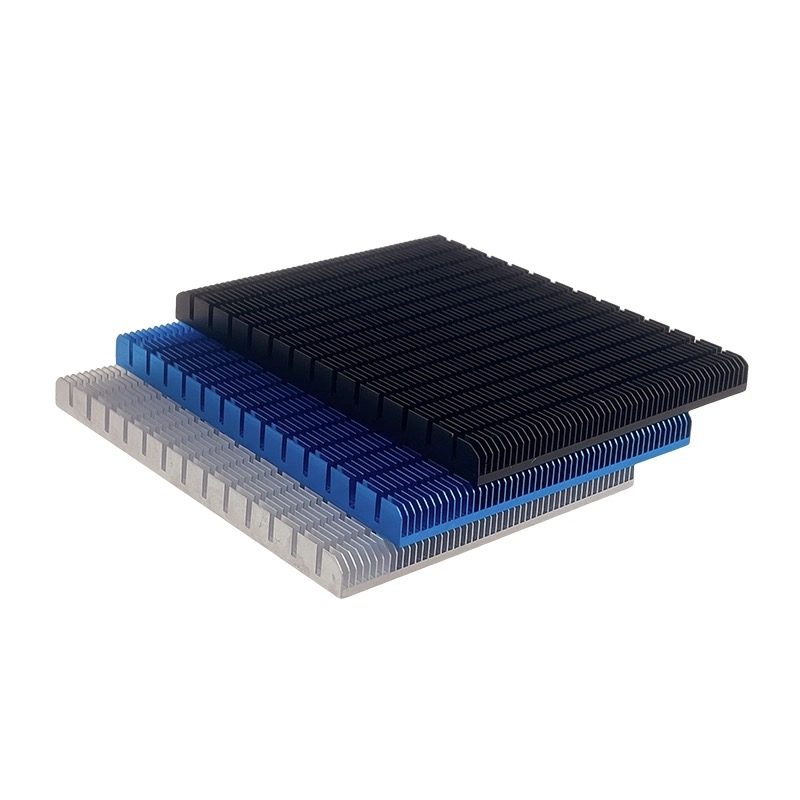
Explore our verified high-reliability components, sensory devices, and custom thermal management platforms built for harsh operational environments and high-precision OEM systems.
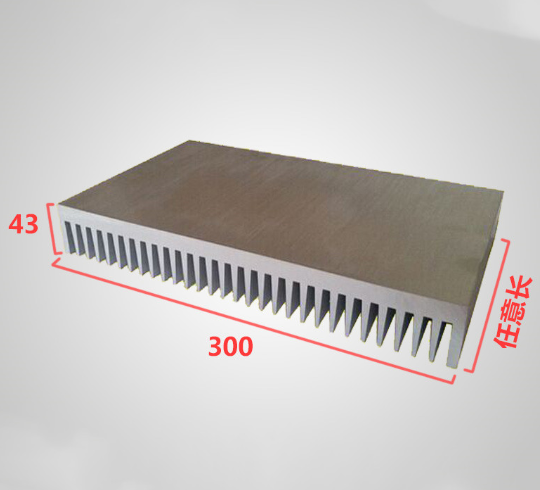
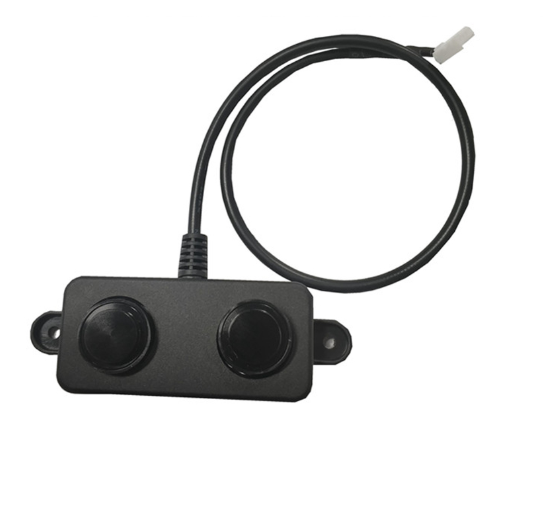
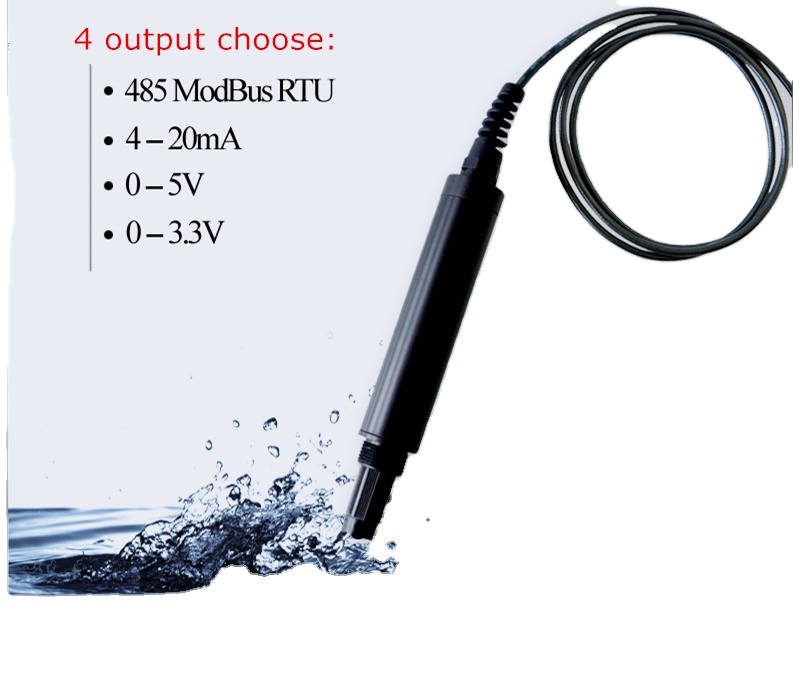
In the evolving landscape of electronic engineering, the membrane switch is no longer merely a graphic overlay laminated over basic silver conductive ink. For medical devices, military-spec controllers, automotive dash units, and industrial automation interfaces, membrane switch assemblies serve as complex, multi-layered electro-mechanical human-machine interface (HMI) nodes. At Shenzhen Mivo Electronics Co., Ltd., we combine precision screen-printing technology with cutting-edge silver/carbon migration resistance engineering and surface mount technology (SMT) component integration.
A standard high-reliability membrane switch circuit assembly fabricated by Mivo comprises five distinct functional layers: the textured polyester or polycarbonate graphic overlay with sub-surface graphic printing; the acrylic adhesive spacer matrix that maintains air venting channels for tactile equalization; the tactile feedback layer incorporating gold-plated or nickel-plated stainless steel metal snap domes (ranging from 6mm to 20mm with actuating forces between 200g and 500g); the flexible circuit layer printed with low-resistance conductive silver trace lattices; and the back-mounting industrial adhesive layer (such as 3M 467MP, 468MP, or VHB series) calibrated for structural substrates including cast aluminum, powder-coated steel, and high-impact ABS.
Engineering Note on Silver Migration: Under prolonged humidity and continuous direct-current bias voltage, silver atoms can undergo dendritic electro-migration, causing catastrophic circuit shorts. Mivo overcomes this through proprietary carbon-overcoat encapsulation, selective dielectric insulation overprinting, and transition to polyimide-based Flexible Printed Circuits (FPC) for safety-critical systems.
Our engineering division systematically evaluates track resistance, contact bounce time (<5ms), contact resistance (<100 Ω), breakdown voltage (>500V DC), and actuation longevity exceeding 1,000,000 to 5,000,000 cycles. We also support integrated surface-mount micro-LED indicators, ESD/EMI shielding mesh layers via conductive copper or graphite foils, and hermetic perimeter sealing reaching IP65, IP67, or fully submersible IP68 ratings.
Selecting the appropriate substrate and conductor framework dictates the thermal envelope, mechanical fatigue resistance, and overall manufacturing cost of your custom control interface.
| Circuit Substrate Type | Conductor Material | Operating Temp Range | Actuation Life Expectancy | Best Matched Applications |
|---|---|---|---|---|
| Screen-Printed PET Film | Conductive Silver / Carbon Flake Ink | -20°C to +65°C | 1,000,000 to 3,000,000 cycles | Commercial appliances, medical handhelds, standard instrument panels |
| Polyimide Flexible Printed Circuit (FPC) | Rolled Annealed (RA) Copper Foil | -40°C to +105°C | 5,000,000+ cycles | Automotive cockpits, high-vibration robotics, dense SMT component backings |
| FR-4 Rigid Backed PCBA | Electro-Deposited Copper Traces | -40°C to +125°C | 10,000,000+ cycles | Heavy plant automation, integrated display bezels, sealed outdoor terminals |
| Aluminum Core PCB (MCPCB) | Heavy Copper + Dielectric on Aluminum | -40°C to +130°C | Static / High Thermal Duty | High-lumen LED backlight consoles, high-power switching power drivers |
Combining an on-site verified production facility in Yuanshan Street, Shenzhen, with turnkey hardware integration, we eliminate multi-vendor friction across PCB, PCBA, HMI, and custom sensing modules.
Operating with 51 to 100 dedicated technical personnel, our production site has passed independent third-party physical inspection and Alibaba.com on-site validation, boasting over 8 continuous years of verified global export reliability.
We eliminate prohibitive barriers for innovators and R&D divisions by supporting small-batch prototyping from just 5 pieces for turnkey PCBA and custom HMI switches, scaling seamlessly into container-volume production.
Direct presence inside the world's most dense electronics cluster enables rapid component sourcing, immediate alternative cross-referencing for obsolete parts, and coordinated production of matched SMT stencils, heat sinks, and cabling.
Global original equipment manufacturers (OEMs) and contract manufacturers (CMs) face mounting pressures regarding supply chain volatility, strict emissions compliance, and faster iteration cycles. As an experienced exporter, Mivo Electronics identifies three pivotal procurement paradigms dominating custom membrane switches and control circuit boards:
1. Single-Source Turnkey Consolidation: Hardware engineering teams are rapidly decommissioning the fragmented vendor model where graphic overlays were purchased from label converters, flex circuits from PCB mills, and board assembly from SMT houses. Consolidating full box-build assemblies—combining membrane panels, backer plates, rigid-flex control PCBs, and sensor probes—under a single verified manufacturer reduces lead time variance by up to 40% and clarifies warranty accountability.
2. In-Mold Electronics (IME) and Hybrid Capacitive Tactile Blends: Purely mechanical switches are transitioning toward capacitive touch arrays integrated with subtle tactile snap feedback. Procurement officers are shifting specifications toward hybrid solutions where capacitive slider channels coexist with high-reliability physical emergency stop membrane domes, all sealed within seamless resin-cast contours.
3. Resilience via Traceable Component Equivalency: Lead times for active silicon, microcontrollers, and specialized tactile domes can fluctuate abruptly. The global procurement standard now favors suppliers with documented Design for Manufacturability (DFM) processes who can independently formulate BOM cross-references, providing verified test verification data before substituting any active or passive element.
From optical backlighting innovation to extreme-environment resilience, explore the emerging standards reshaping next-generation membrane switches and sensor telemetry.
Traditional discrete LED spots are being superseded by ultra-thin Light Guide Film (LGF) and micro-perforated optical fibers. This delivers uniform surface luminescence with zero hot spots while decreasing power draw by up to 60%.
Medical diagnostic panels and outdoor agricultural controls demand polyester overlays impregnated with silver-ion antimicrobial agents and cross-linked UV-stabilized fluoropolymer films resistant to abrasive washdown detergents.
Modern membrane switches increasingly discard bulky multi-conductor ribbon tails in favor of integrated onboard I2C, SPI, or RS-485 Modbus micro-controllers directly soldered on the flex backing, streamlining harness design.
Clear technical insights regarding engineering files, minimum order thresholds, environmental testing, and worldwide export logistics.
Send your project Gerber files, graphic designs, or sensor requirement sheets for a confidential DFM manufacturability audit and customized quotation within 24 hours.