Precision Electronic Hardware & Tactile Integration Showcase
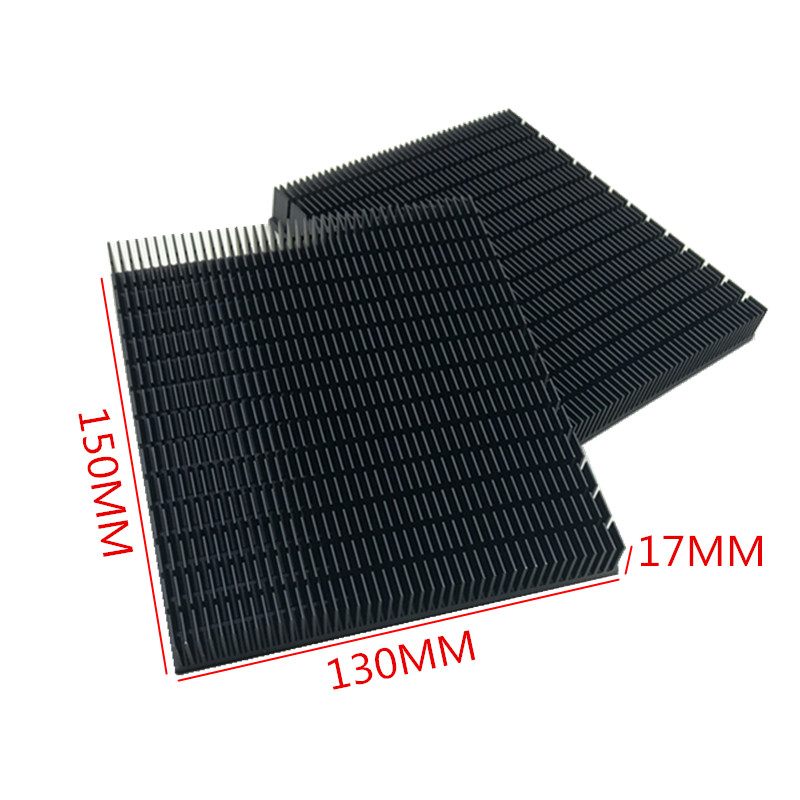
Tactile metal dome arrays operate in synchrony with customized thermal sinks, protective sensor enclosures, and advanced PCBA substrates. Explore our verified engineering modules currently deployed across Tier-1 OEM products.
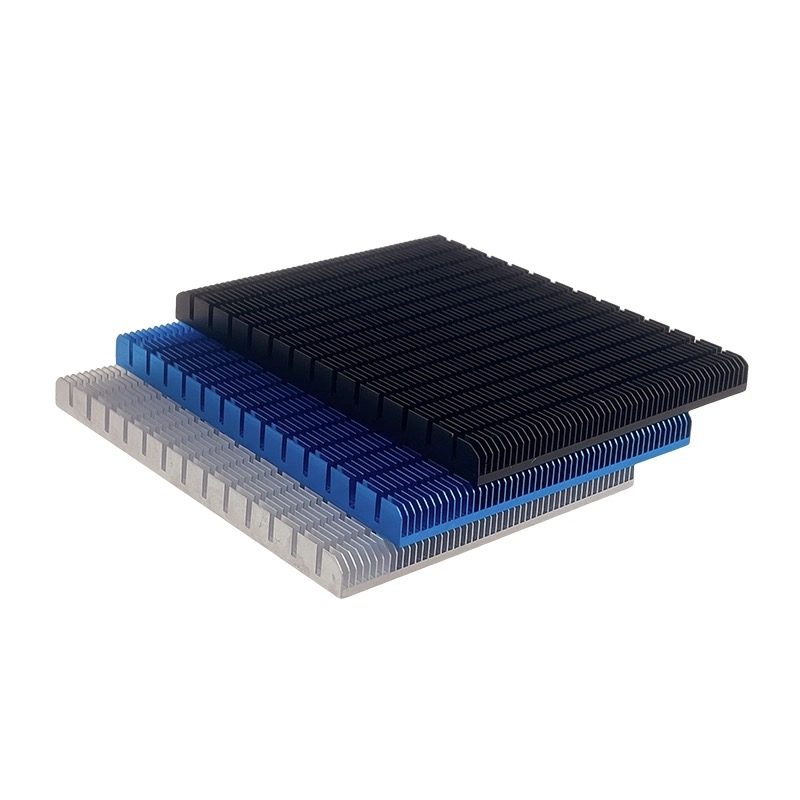
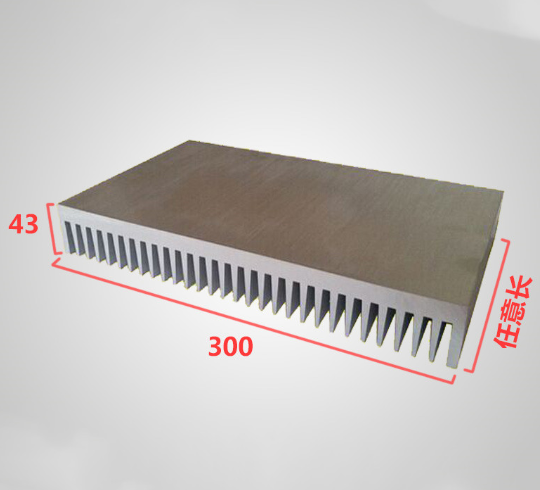
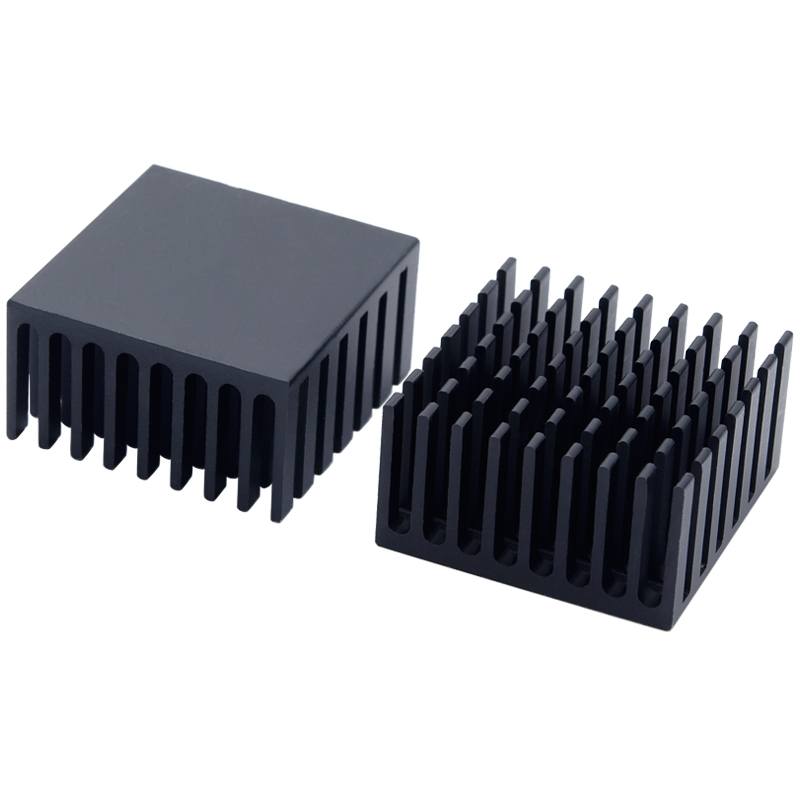
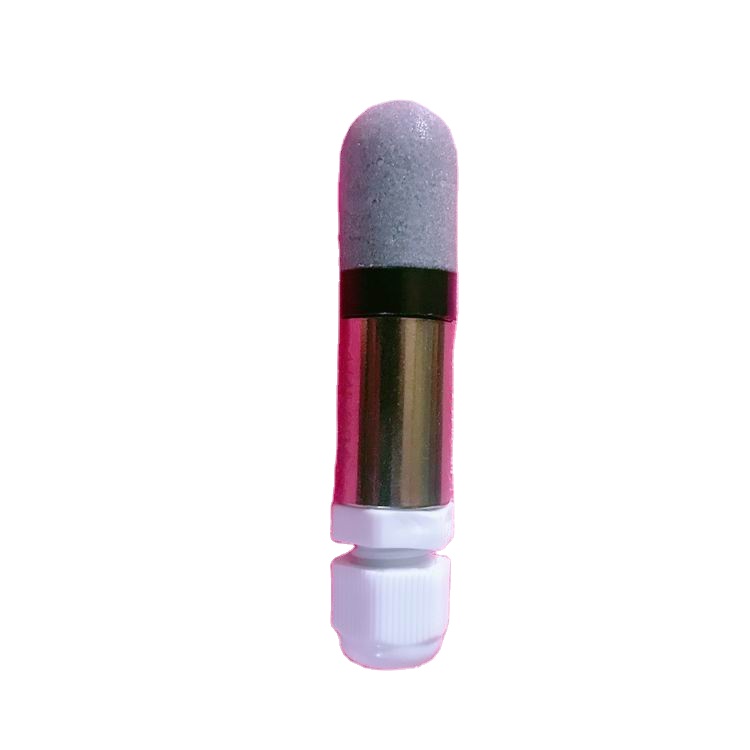
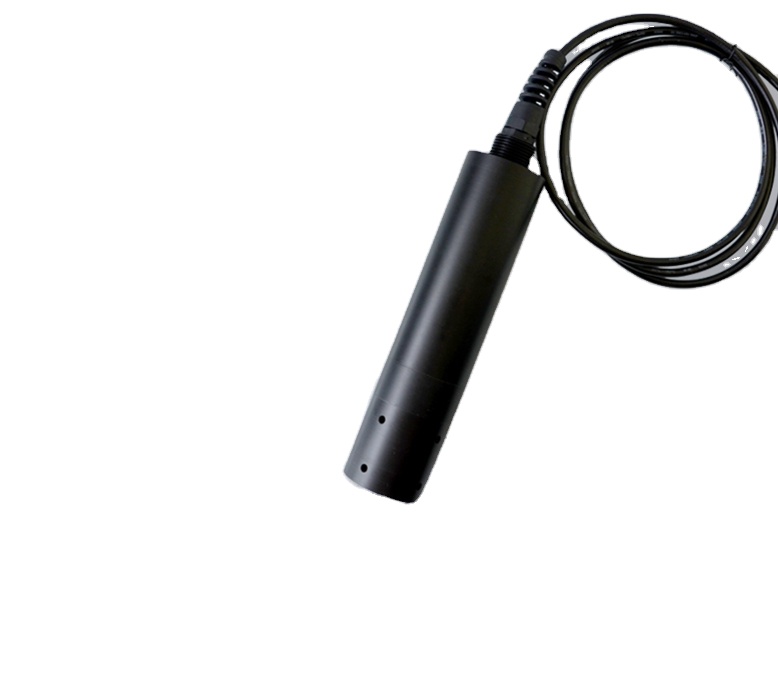
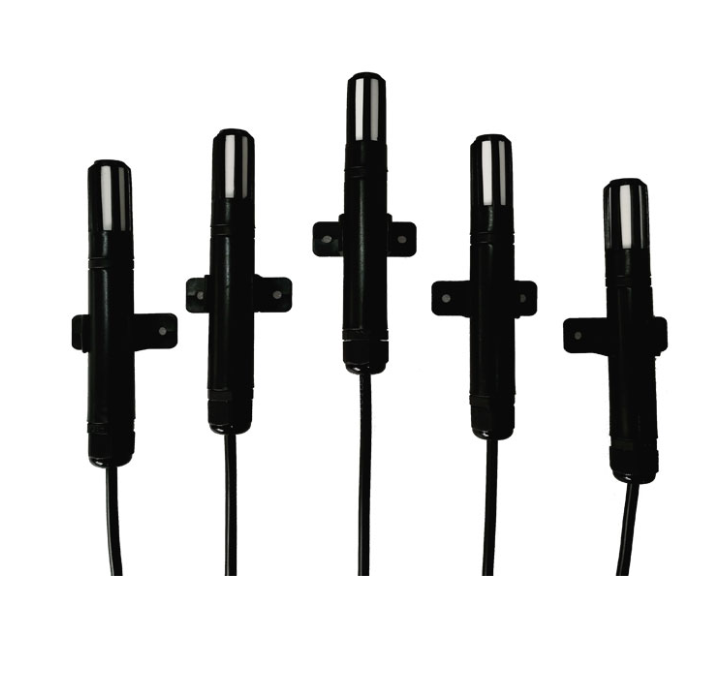
High-precision Waterproof and High-temperature air Temperature and Humidity Measurement Digital Sensor SHT30 SHT31
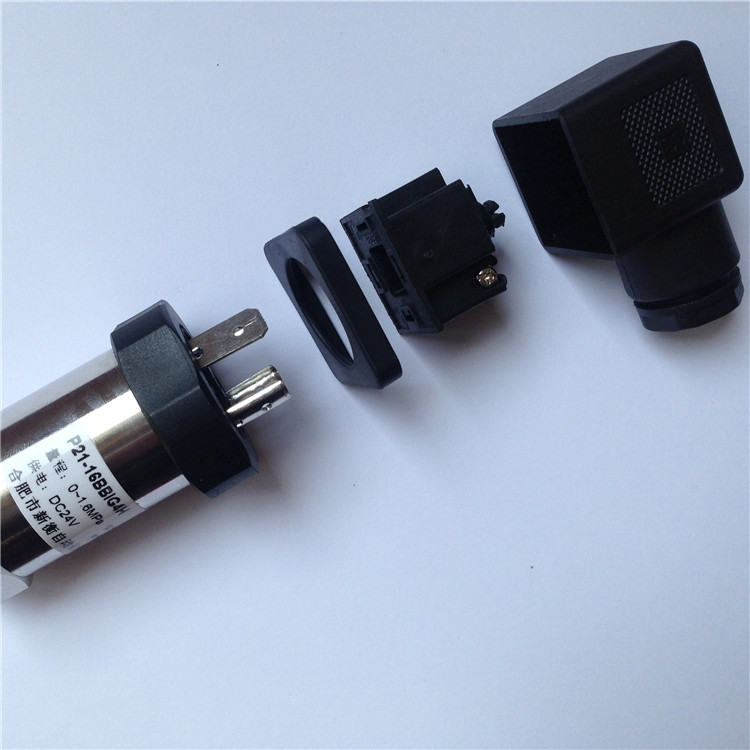
Engineering Anatomy of Metal Dome Tactile Switches
A metal dome switch (also recognized in electromechanical engineering as a tactile snap dome, tactile membrane contact, or click disc) is a momentary, normally-open contact switch formed from cold-rolled precision stainless steel alloy. When actuated, it provides both a crisp tactile impulse and an immediate electrical bridging closure across PCB or FPC pads.
Critical Tactile Ratio & Haptic Engineering
Tactile feedback is quantitatively defined by the Click Ratio formula: CR (%) = [(Actuation Trip Force - Return Resistance Force) / Actuation Trip Force] × 100. High-reliability aerospace and medical devices require strict tolerances, maintaining a CR between 40% and 65% over more than 1,000,000 to 5,000,000 cycles without fatigue failure or work hardening drift.
| Dome Geometry | Common Diameter Range | Actuation Force ($F_a$) | Click Ratio (CR) | Rated Lifecycle | Ideal Application Architecture |
|---|---|---|---|---|---|
| 4-Leg Cross Dome | 6.0 mm – 20.0 mm | 160g – 500g (±30g) | 45% – 65% | > 3,000,000 cycles | Double-sided PCB / FPC keypad arrays with wide travel requirements |
| Circular Round Dome | 3.0 mm – 12.0 mm | 100g – 350g (±20g) | 35% – 50% | > 5,000,000 cycles | Ultra-compact medical handhelds, smart home controllers, low-profile HMI |
| Oblong / Oval Dome | 3.0 × 4.0 mm – 5.0 × 8.0 mm | 120g – 280g (±25g) | 40% – 55% | > 2,000,000 cycles | Narrow PCB edges, smartphone volume/power rockers, IoT wearables |
| Triangular Dome (3-Leg) | 4.0 mm – 12.0 mm | 160g – 450g (±30g) | 50% – 70% | > 5,000,000 cycles | Automotive steering controls, tactile marine panels requiring maximum click feedback |
Top 10 Metal Dome Switch Manufacturers & Manufacturing Leaders
Evaluating global manufacturing capacity, metallurgical raw material control (SUS301 / SUS304 / Beryllium Copper), plating consistency (Au, Ag, Ni), automated array placement, and turnkey electronics integration.
Shenzhen Mivo Electronics Co., Ltd.
Mivo Electronics distinguishes itself from pure stamping houses by offering end-to-end integration: combining custom tactile metal dome arrays directly onto high-density multilayer FR-4 PCBs, aluminum core substrates, and flexible printed circuits (FPC). Backed by on-site verification, Mivo manages everything from custom dome stamping and automated tape-and-reel array packaging to turnkey SMT assembly and environmental sensor integration.
- Precision snap domes in 4-leg, round, and triangular formats (SUS301 full hard).
- Custom adhesive spacer layers, custom peel-force carrier tape, and ESD shielding.
- Rapid prototyping from 5 pcs; full turnkey PCBA box-build and DFM consultation.
Snaptron, Inc.
A premier North American manufacturer dedicated entirely to metal tactile domes and custom dome sheets (Peel-N-Place). Snaptron offers extensive off-the-shelf dome shapes, ranging from miniature 4mm round domes to custom-engineered high-actuation-force industrial switches.
- Patented four-legged domes and high-temperature performance grades.
- Advanced automated dome placement systems (Dart placement pens & tape feeds).
- Strict compliance with aerospace and defense environmental specifications.
Nicomatic
Nicomatic is internationally renowned for ultra-reliable interconnect systems and metal dome technology. Known for their "Switch'Air" non-stick dome series that incorporates micro-cushion air channels to completely avoid double-click errors during automated SMT placement.
- Patented Switch'Air technology eliminating dome adherence in automated assembly.
- Nickel and gold-plated stainless steel domes tested beyond 5M operations.
- Ideal for harsh defense, tactical communications, and avionics control panels.
Citizen Electronics Co., Ltd.
Leveraging microscopic watchmaking precision, Citizen produces ultra-miniature surface-mount tactile switches and click disc arrays. Their micro-switches set the global benchmark for smartphone physical buttons and wearable interfaces.
- Sub-miniature dome switches under 0.35 mm profile height.
- Remarkably consistent click ratios and acoustic feedback profiles.
- High-volume automation tailored for mobile phones and digital camera controls.
Alps Alpine Co., Ltd.
A multinational electronic component giant dominating automotive steering switches, transmission shift controllers, and HVAC panels. Alps Alpine manufactures packaged tactile switches built with internal precision metal domes.
- IP67 and IP68 sealed tactical switches with integrated snap dome mechanisms.
- Automotive Grade qualification (AEC-Q200 and ISO/TS 16949 compliant).
- Global R&D centers supporting custom force-displacement curve engineering.
C&K Switches (Littelfuse)
Now part of Littelfuse, C&K is one of the most trusted names in tactile switches, providing dome-driven tactile switches designed for critical medical diagnostics, transportation, and industrial automation equipment.
- KMR, KSC, and PTS series switches incorporating precision stamped domes.
- Configurable actuation forces from 1.0 N to 6.2 N with diverse actuator heights.
- Excellent electrical contact stabilization with ultra-low contact resistance (<100 mΩ).
Panasonic Industry Co., Ltd.
Panasonic's "Light Touch" switch series represents one of the largest catalog deployments of dome switches worldwide. Engineered for clean contact switching, longevity, and resistance against mechanical shock and vibration.
- Laser-welded sealed dome switch construction for extreme washability.
- Broad distribution channels ensuring rapid prototype availability globally.
- Pioneering laser-cut dome arrays for industrial robot teach pendants.
Bestop Technology Co., Ltd.
A specialized Asian manufacturer focusing on graphic overlays, silicone rubber keypads, and metal dome sheet arrays. Bestop excels in cost-effective high-mix low-to-mid volume custom HMI assemblies for consumer white goods.
- Multi-layer polyester carrier sheets with selective adhesive printing.
- Integrated backlighting light guide films (LGF) over metal dome arrays.
- In-house tooling for customized 3-leg and oblong tactile snap domes.
Shing Shun Metal Products
A high-speed precision stamping provider specializing in discrete loose metal domes, tape-and-reel packaging, and high-volume bare stainless-steel snap discs supplied directly to global contract manufacturers (EMS).
- Advanced Japanese multi-station progressive stamping presses.
- High-speed automated optical inspection (AOI) for dome contour verification.
- Competitive volume price points for standard 4-leg and round nickel-plated discs.
Memcon Limited
Memcon serves the global membrane switch and flexible electronics market with an extensive line of tactile metal domes, connector housings, and assembly machinery. Renowned for their quick-ship tape-and-reel inventory across Europe and the Americas.
- Comprehensive catalog of round, four-leg, and elongated tactile snap domes.
- Standard and reverse-gullwing automated placement options.
- Engineering support for membrane switch adhesive compatibility.
Product Evolution & Future Sourcing Trends (2025–2030)
The global metal dome switch market is experiencing an architectural paradigm shift. Procurement directors and hardware system engineers must adapt to these five key manufacturing innovations.
Rigid-Flex & FPC Direct Fusion
Traditional discrete dome placement on rigid FR-4 is increasingly replaced by surface-bonded dome arrays integrated directly onto ultra-thin Flexible Printed Circuits (FPC). This architecture eliminates redundant interconnects, lowers total assembly profile below 0.5 mm, and optimizes weight for avionics and next-generation medical wearables.
Acoustic Tuning & Haptic Standardization
Automotive OEMs now mandate precise decibel and sound frequency curves alongside mechanical actuation force specs. Metal dome manufacturers must implement acoustic spectrum analyzers during production to ensure switch clicks match brand identity guidelines (e.g., solid low-frequency thud versus crisp high-frequency click).
Noble Metal Micro-Alloying & Anti-Tarnish Plating
With electronic devices exposed to harsh sulfurous and humid atmospheres, standard nickel plating is giving way to selective hard-gold flash (Au >0.05 μm) and anti-migration silver alloys. These metallurgical enhancements mitigate contact resistance creep (<50 mΩ degradation over 1,000 hours salt spray) in EV powertrain controls.
Automated Reel-to-Reel Pick-and-Place
Manual dome array sheet placement is shifting rapidly toward standard Tape-and-Reel (EIA-481 compliant) packaging. Surface-mount technology (SMT) pick-and-place nozzles can now position discrete metal domes directly onto wet solder flux or dedicated solder-wicking landing pads at rates exceeding 15,000 units/hour.
Integrated Optoelectronic Backlighting (LGF)
Modern HMI demands uniform, ultra-bright keycap illumination without hotspots. Manufacturers increasingly produce integrated sandwiches: combining a high-transmittance polycarbonate Light Guide Film (LGF), micro-embossed dots, side-firing LEDs, and custom-perforated metal dome sheets in a single peel-and-stick layer.
Supply Chain Resiliency & Turnkey Bundling
Procuring raw domes from stamping shops, spacer tapes from converters, and PCBA from assembly houses causes severe finger-pointing when contact bounce or adhesive failure occurs. Strategic buyers are consolidating suppliers toward vertically integrated partners who own bare-board fabrication, dome placement, and automated testing.
Frequently Asked Questions in Metal Dome Switch Sourcing
Addressing the core technical and supply chain considerations encountered by electrical design engineers, quality assurance managers, and global procurement specialists.
How do you effectively eliminate contact bounce in metal dome switches?
Contact bounce (typically lasting between 1 ms to 5 ms upon closure) is inherent to mechanical snap action. To prevent micro-bounce from triggering false microcontroller interrupts, engineers should implement hardware RC low-pass filtering or a programmable firmware debounce timer (set between 10 ms and 20 ms). From a metallurgical standpoint, specifying gold-plated contact surfaces and ensuring precise venting channels beneath the dome prevents pneumatic micro-rebound.
Why are venting channels essential in multi-dome keypad arrays?
When a metal dome snaps downward, it displaces the pocket of air trapped between its cavity and the substrate. Without properly routed venting channels (die-cut conduits linking dome cavities together or exhausting through PCB vias), the trapped air compresses, causing pneumatic resistance. This pneumatic dampening degrades tactile feel, reduces click ratio, and can cause spontaneous switch actuation during rapid barometric changes (such as airborne transit or altitude shifts).
What is the optimal plating specification for long-term corrosive environments?
For benign consumer electronics, standard electrolytic nickel (Ni) plating provides adequate protection (>100k cycles). For medical equipment, marine interfaces, and automotive engine bays subject to high humidity and salt fog, gold plating over nickel (ENIG or electroplated hard gold >0.05 μm) is required. Gold's inert chemical characteristics ensure contact resistance remains below 100 mΩ across millions of actuations without oxidative film growth.
How does actuator plunger design affect the operational life of the metal dome?
The actuator plunger (the mechanical prong depressing the dome) must contact the exact apex of the dome. If the plunger's contact face is too pointed, it causes severe localized stress concentration, resulting in premature metal fatigue cracking. Conversely, if the plunger diameter exceeds 40% of the dome's diameter, it restricts the snap curvature, degrading tactile response. A slightly radiused, flat elastomer plunger between 20% and 30% of the dome diameter yields maximum operational life.
What documentation must be provided when requesting a custom dome array quote?
To receive an accurate DFM review and quotation, provide: (1) 1:1 DXF/Gerber files showing dome positions, PCB pad geometries, and venting routes; (2) Mechanical switch requirements (target Trip Force $F_t$, Return Force $F_r$, and minimum Click Ratio); (3) Operating temperature profile and environmental exposure ratings (IP65, IP67); (4) Adhesive layer preference (e.g., 3M 467MP, 3M 468MP) and surface energy of the mating housing.
Why Partner with Shenzhen Mivo Electronics Co., Ltd.?
Navigating the electromechanical supply chain demands a manufacturing partner that bridges the gap between raw stamped components and finished, functional assemblies. Shenzhen Mivo Electronics Co., Ltd. combines an onsite-verified Shenzhen production facility with 8+ years of transparent international trade history, delivering high-precision PCBA, custom tactile arrays, sensor enclosures, and specialized heat dissipation systems under one unified quality management umbrella.