High-Reliability Components & Sensor Solutions for Regional SMT Assemblies
From micro-coaxial interconnects to specialized thermal management modules and precision sensing probes, we support electronics manufacturers and OEMs throughout the Tirana-Durrës economic zone with fully traceable, production-grade electronic components.
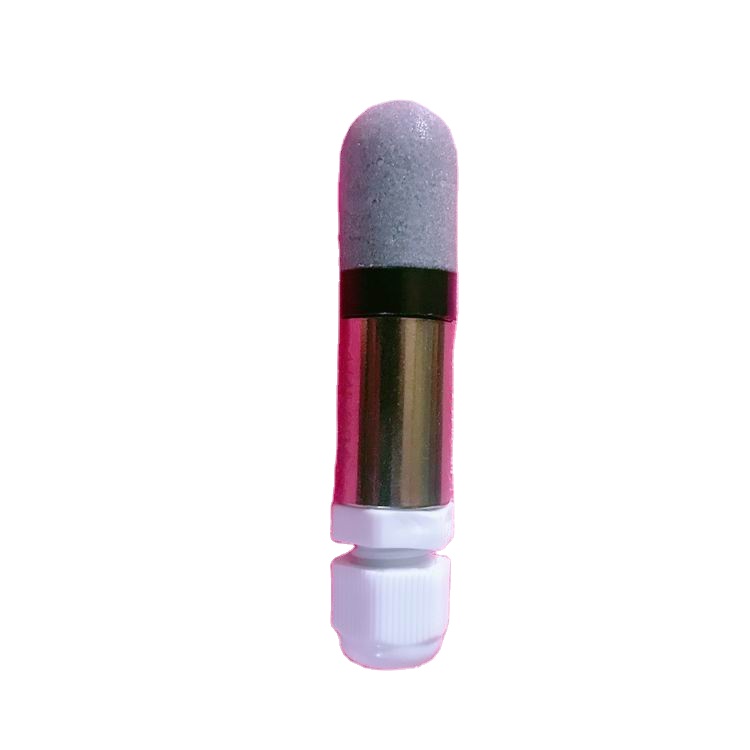
Waterproof Joint PE Temperature and Humidity Sensor Shell SHT10 SHT20 SHT30 Cover
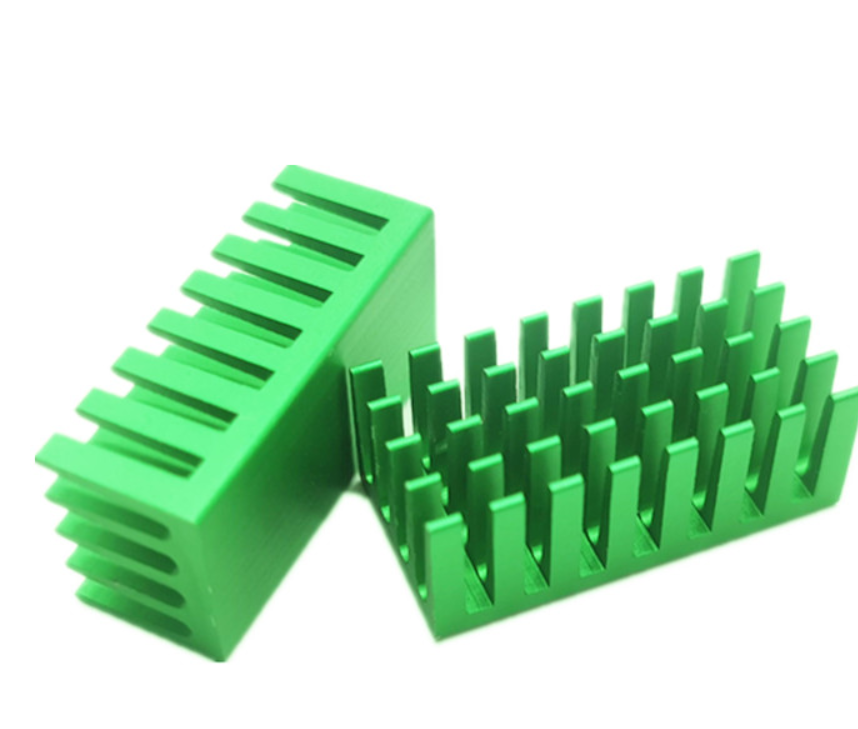
Electronic Chip Radiator 28*14*11MM Custom Color Length Aluminum IC Heat Sink Cooler
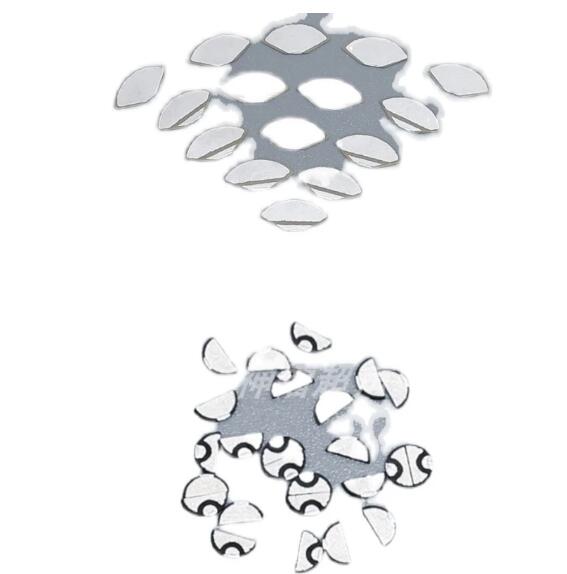
PZT Profiled-shape Piezoelectric Ceramic Semi-circular Sector Waveguide Multi-frequency Sensor
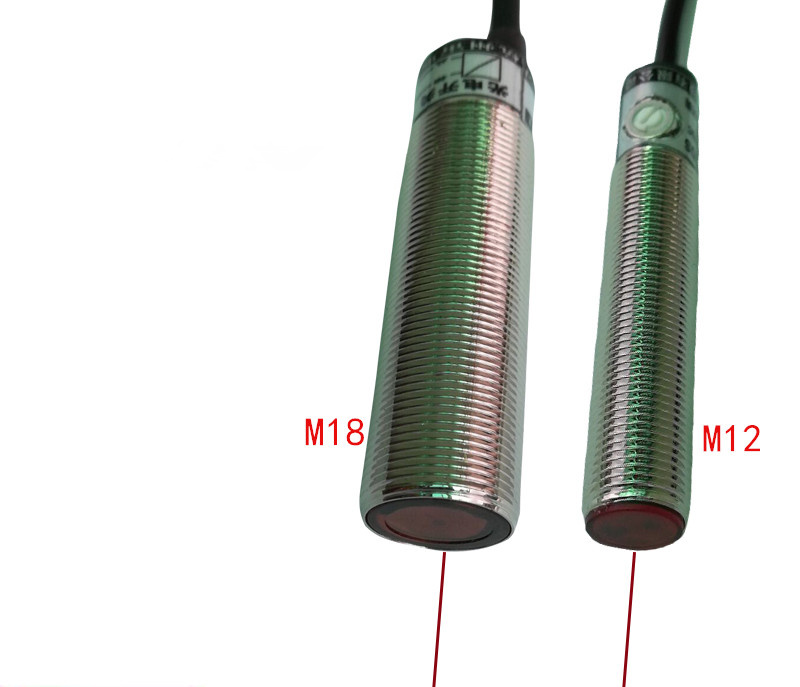
M18 Laser Sensor Visible Light Photoelectric Diffuse Reflection Infrared Ray M12 Switch
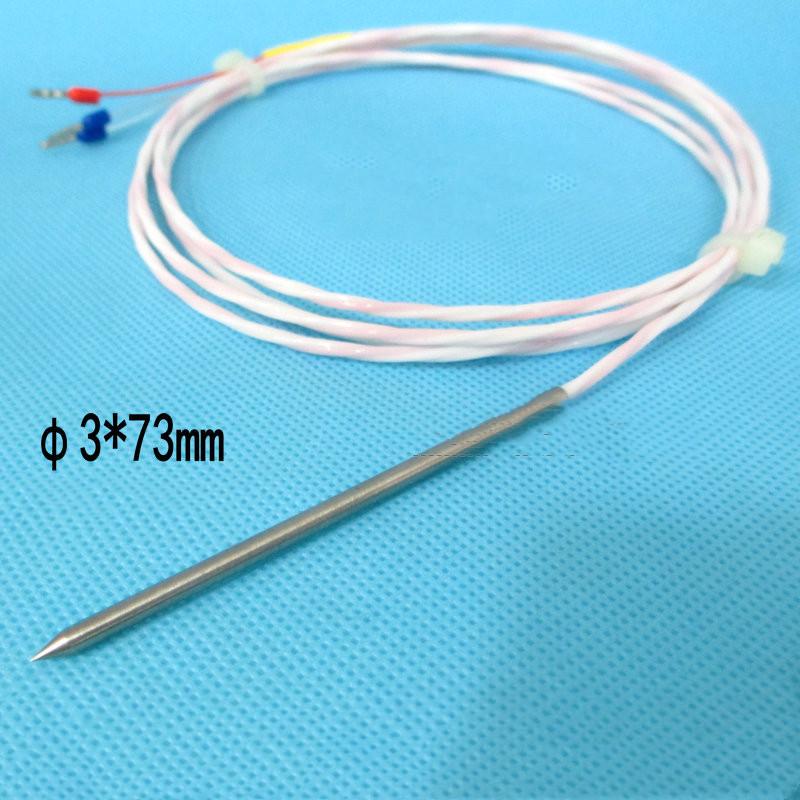
PT100B PT100A PT1000 Pointed End Thermal Resistance Platinum Thermistor Sensor Probe Wire
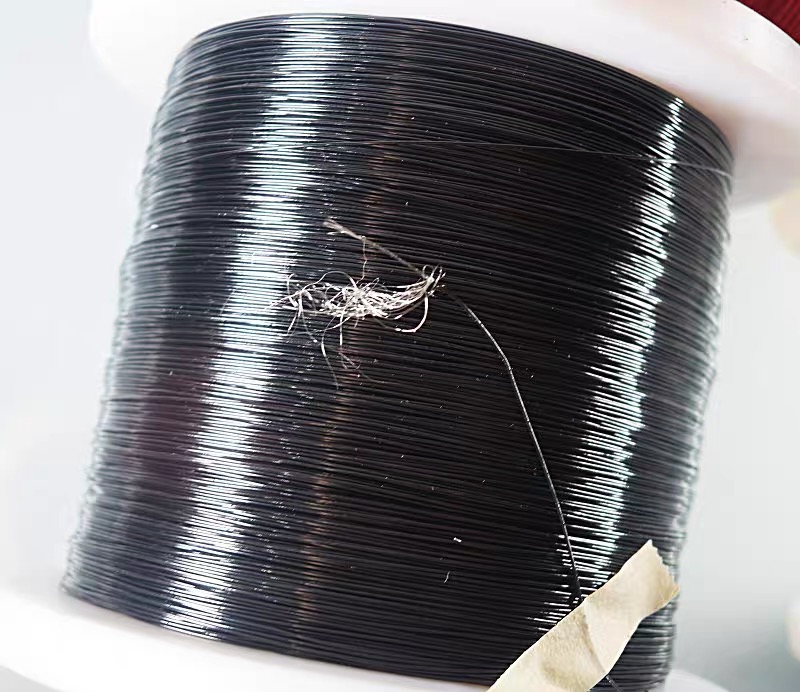
36AWG MINI COAXIAL CABLE 50ohm Impedance 0.5mm Very Fine Shielded Signal Cable
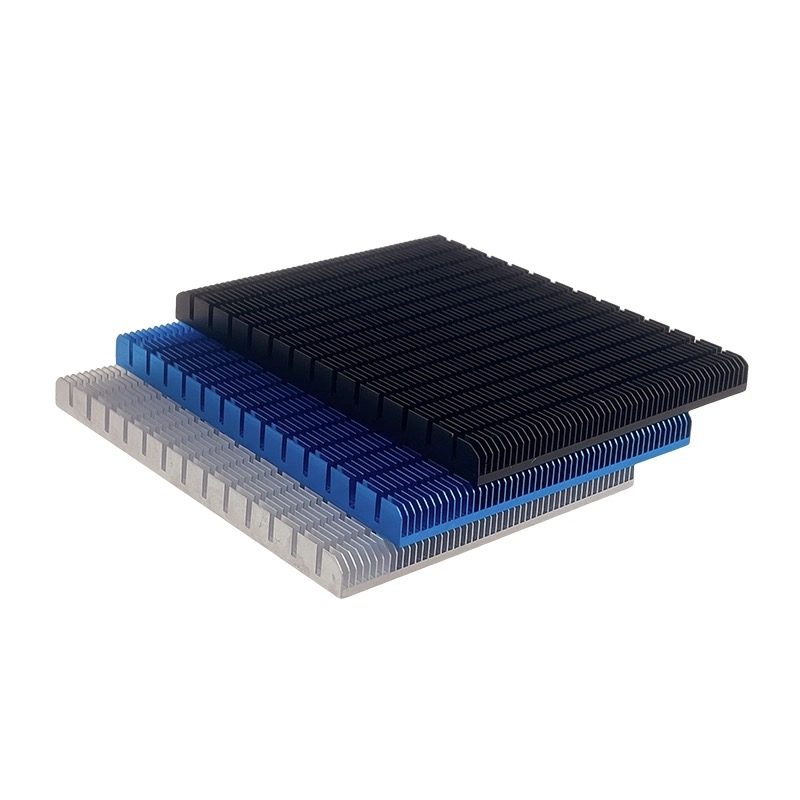
130*100*10mm Aluminum Heatsink Radiator for Electronic RAM Chip PCB LED CPU Cooling Tape
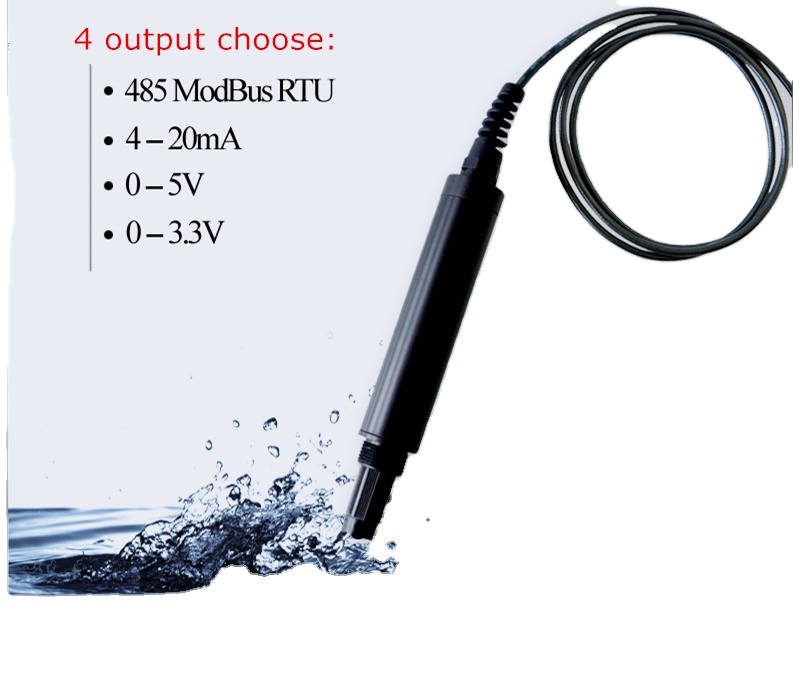
DOS-600 Digital Dissolved Oxygen Sensor RS485 Modbus / 4-20mA Water Quality Electrode Probe
Precision SMT Stencil Engineering for the Durrës & Adriatic Electronics Manufacturing Hub
As the primary commercial port of Albania and an emerging gateway for industrial light manufacturing, Durrës is rapidly expanding its footprint across industrial automation, maritime telemetry, solar energy control systems, and consumer electronics re-assembly. The operational success of high-density surface mount technology (SMT) lines within the Durrës-Tirana corridor hinges upon the front-end accuracy of solder paste deposition. Industry yield metrics show that more than 65% of all soldering anomalies—including micro-bridging, insufficient wetting, solder balling, and tombstoning—originate directly at the stencil printing stage rather than in the reflow oven.
Shenzhen Mivo Electronics Co., Ltd. delivers high-precision Custom OEM SMT Laser Stencils, Step-Up/Step-Down stencils, and Nano-Coated Stainless Steel foils engineered to meet the demanding requirements of Adriatic manufacturing facilities. Fabricated from premium SUS304 and SUS301 high-yield-strength stainless steel foils, our stencils ensure consistent paste release characteristics, superior aperture wall smooth finishes, and maximum mechanical stability under long print runs.
Aperture Geometry, Aspect Ratios, and Fluid Rheology
In high-density SMT assemblies featuring 01005 passives, 0.3mm pitch Chip Scale Packages (CSP), and quad-flat no-leads (QFN) footprints, paste release dynamics are governed by surface tension and aperture wall friction. IPC-7525 guidelines mandate strict compliance with both the Aspect Ratio and the Area Ratio to ensure complete transfer efficiency:
| Design Metric | Mathematical Definition | IPC-7525 Threshold | Mivo Precision Production Standard |
|---|---|---|---|
| Aspect Ratio (W / T) | Width of Aperture (W) ÷ Stencil Foil Thickness (T) | > 1.50 | Strict design audit; optimized down to 1.35 with chemical electropolishing |
| Area Ratio (A_ap / A_wall) | Area of Aperture Opening ÷ Area of Aperture Walls [L × W / (2(L + W) × T)] | > 0.66 | Validated > 0.60 when paired with hydrophobic polymer nano-coatings |
| Positional Cutting Accuracy | Aperture coordinate deviation across 600mm × 600mm foil | ± 12.5 μm | ± 2.0 μm via direct-diode fiber laser cutting systems |
| Wall Taper Profile | Differential draft angle from squeegee side to PCB contact side | 1.0° – 2.0° | Controlled trapezoidal wall taper at 1.5° (±0.3°) for crisp paste separation |
When selecting foil thicknesses for mixed-technology boards commonly produced by electronics contract manufacturers in Durrës—such as those coupling high-power MOSFETs with fine-pitch microcontrollers—single-thickness foils often result in compromise. Mivo Electronics resolves this through Multi-Level Step Stencils. Chemical etching or micro-milling enables step-down zones (e.g., from 130μm down to 100μm) for fine-pitch QFNs to prevent bridging, alongside step-up zones (up to 180μm) for robust mechanical connectors and high-current power stages to prevent solder starvation.
Electropolishing vs. Hydrophobic Nano-Coating for Harsh Environments
Manufacturing in a coastal hub such as Durrës subjects bare printed circuit boards, components, and solder chemistry to ambient humidity swings and marine airborne halides. Under these variables, Type 4 and Type 5 solder paste rheology can become unpredictable during continuous printing cycles. Standard laser-cut apertures possess microscopic striations caused by laser beam pulse cycles. If left untreated, paste adheres to these microscopic valleys, necessitating frequent under-stencil cleaning cycles and contributing to smearing.
Mivo Electronics addresses this challenge through two secondary finishing methodologies:
1. Controlled Chemical Electropolishing: An electrochemical bath selectively dissolves micro-burrs and microscopic roughness along the internal aperture walls, bringing the surface roughness (Ra) down below 0.2μm. This dramatically reduces wall friction during the mechanical snap-off separation between stencil and PCB.
2. Plasma-Applied Fluoropolymer Nano-Coating: A molecular-level hydrophobic and oleophobic layer is chemically bonded to the contact side and aperture sidewalls. This layer increases the contact angle of flux vehicles, forcing solder paste to release effortlessly. For Durrës production plants, nano-coatings translate to a 60% reduction in under-stencil solvent wiping frequency, lower paste consumption, and zero aperture clogging on ultra-fine pitch component arrays.
Localized SMT Stencil Engineering Across Durrës Industrial Sectors
From port logistics instrumentation to renewable infrastructure, the Durrës manufacturing ecosystem requires robust tooling that withstands aggressive thermal cycling and saline environmental stress.
Maritime Electronics & Telemetry
Durrës serves as Albania's primary seaport, driving substantial demand for shipboard automation, radar modules, GPS receivers, and ballast monitoring boards. These assemblies operate continuously in corrosive marine atmospheres. Stencils fabricated for these lines require precise solder volume control on QFN pads to guarantee void-free solder joints under IPC Class 3 standards, mitigating solder fatigue caused by maritime mechanical vibrations.
Solar Inverters & Grid Controllers
Aligned with the Western Balkans green energy framework, regional infrastructure projects around Durrës and central Albania are deploying smart solar microgrids. Inverter PCBA production demands heavy copper boards (2oz to 4oz) integrated with heavy SMD inductors and power MOSFETs. Mivo supplies engineered step-up stencils and laser-cut relief pockets that deposit increased solder paste volume on thermal pads while safeguarding low-profile control ICs.
Industrial Automation & Sensor Nodes
Light assembly facilities in the Shkozet and Sukth industrial corridors assemble PLC sub-modules, remote RS485 Modbus nodes, and environmental monitoring equipment. Our stainless steel framed stencils (with standard 29"x29" or custom pneumatic frames) integrate seamlessly with high-speed automated screen printers (DEK, MPM, GKG), delivering unyielding tension stability across 50,000+ continuous print cycles.
Regional Development Trends in the Durrës Manufacturing Corridor
Albania's strategic geographic proximity to the European Union (notably Italy and Greece) has fueled a sustained trend toward "nearshoring." International OEMs seek to mitigate Asian supply-chain transit disruptions by establishing agile manufacturing, sub-assembly, and testing operations in the Tirana-Durrës industrial cluster. With deep-water port access, evolving customs facilities, and competitive operational overhead, Durrës is transitioning from low-value textile processing to precision electro-mechanical assembly.
This macro-economic shift has created three distinct technical requirements for regional engineering teams:
- Rapid Prototype Tooling Turnaround: Contract manufacturers cannot afford weeks of delay waiting for western European tooling houses. Mivo Electronics bridges this gap by offering a 12-to-24-hour rapid laser stencil fabrication cycle from Gerber release to international air transit directly into Rinas International Airport or Durrës logistics depots.
- Turnkey Synergy between Tooling, PCB, and Component Sourcing: Maintaining separate vendors for bare boards, stencils, passive components, and SMT assembly introduces administrative overhead and misalignment in footprint validation. As an onsite-verified Shenzhen manufacturer, Mivo coordinates DFM checks simultaneously across bare FR4/MCPCB boards, SMT stencils, and component BOM sourcing.
- Adoption of Pin-in-Paste (Intrusive Reflow) Processes: To minimize secondary wave-soldering steps on mixed-technology boards, Albanian assembly lines are implementing pin-in-paste techniques. This necessitates calculated aperture overprinting on through-hole barrels—a specialized design feature that our CAM engineers automatically calculate based on lead-to-hole volume ratios.
Shenzhen Precision Manufacturing Backed by Global Engineering Rigor
Combining deep Shenzhen supply-chain agility with strict IPC compliance, Mivo Electronics operates as your direct technical bridge from prototyping to volume manufacturing.
Onsite-Verified Factory
Operational since 2016, our manufacturing facilities have completed rigorous on-site verification audits by independent third-party inspection firms and global platforms. We maintain an active workforce of 51 to 100 skilled engineers and assembly specialists.
Free CAM / DFM Audits
Every Gerber RS-274X or ODB++ dataset is audited by our CAM engineers prior to laser cut. We identify pad mismatches, insufficient aspect ratios, and copper plane thermal sinking issues, proposing optimized aperture modifications at no extra charge.
Comprehensive Turnkey Ecosystem
Beyond SMT stencils, Mivo provides complete end-to-end support: multilayer FR-4 PCB fabrication, aluminum MCPCB, flexible circuits (FPC), original electronic component sourcing, custom sensor wire harnesses, and box-build assembly starting from 5 pieces.
Export Reliability
With an unblemished 8-year global export track record and a 4.7/5 customer rating, we provide transparent logistics coordination via DHL, FedEx, UPS air freight, handling international customs documentation smoothly for Albanian consignees.
Frequently Asked Questions by Technical Buyers in Durrës
Clear, direct answers regarding file requirements, mechanical frame standards, delivery schedules, and minimum order parameters.