Tactile Interfaces, Actuators & Sensory Hardware
Direct manufacturer supply supporting industrial automation, environmental monitoring, and harsh-environment electronics across the Portland Metro and Pacific Northwest.
Engineering Specifications for Embossed Membrane Interfaces
An exhaustive guide to cross-layer stackups, tactile dome actuation forces, environmental hermeticity, and EMI/ESD suppression for Portland's hardware developers.
| Layer Parameter | Standard Specification | Harsh Environment / Industrial Grade | Evaluation Standards |
|---|---|---|---|
| Graphic Overlay Material | Autotype Polycool / Autotex Polyester (PET) 0.15–0.20mm | UV-Resistant XE PET / Textured Chemically Resistant Polycarbonate | ASTM D3363 (Pencil Hardness ≥ 2H), DIN 42 115 |
| Embossing Geometries | Rim Embossing, Pillow Embossing (0.3–0.5mm height) | Hydro-formed Tactile Polydome or Metal Dome Retainer Pocket | 3D Profilometry, Height Consistency ±0.05mm |
| Tactile Dome Feedback | Stainless Steel Domes (Nickel/Gold-plated, 250g–350g force) | Custom 4-leg / Oblong Domes (400g–500g trip force, high tactile ratio) | ASTM F1578 Tactile Ratio Measurement (≥ 40%) |
| Circuit Layer Printing | Screen-printed Silver Ink on Heat-stabilized Polyester | Double-sided Plated FR-4 PCB Core or Polyimide FPC Substrate | IPC-4562, IPC-2221 conductor adherence |
| Shielding (ESD/EMI) | Printed Carbon or Grid-pattern Silver Inks with Ground Tail | Full Aluminum Foil Lamination / Indium Tin Oxide (ITO) Clear Shield | IEC 61000-4-2 (Air Discharge 15kV, Contact Discharge 8kV) |
| Adhesive Lamination | 3M 467MP / 200MP High-Performance Acrylic | 3M 300LSE / 468MP for low-surface-energy (LSE) plastic enclosures | MIL-STD-202G Method 106 Moisture Resistance |
Silicon Forest Electronics Supply
The Portland-Hillsboro tech corridor demands zero-defect HMI panels capable of interfacing with cleanroom instrumentation, semiconductor wafer test apparatus, and automated handling equipment where particulate-shedding elimination is mandatory.
Marine & Forestry Ruggedization
From maritime transport along the Columbia River to heavy-duty forestry machinery in Willamette Valley, custom membrane switches must withstand broad thermal shifts (-40°C to +85°C), continuous high-pressure washdown, and aggressive hydraulic fluid splash.
Clean-Tech & Agro-Industrial Controls
Oregon's expanding craft brewing, food manufacturing, and renewable power infrastructure relies heavily on NEMA 4X / IP67 sealed embossed switches resistant to caustics, CIP (Clean-in-Place) steam cycles, and continuous sanitize-down protocols.
Application Scenarios Across the Pacific Northwest
Translating interface engineering into operational continuity across Portland, Beaverton, Hillsboro, and Vancouver manufacturing clusters.
Precision Laboratory & Diagnostic Tools
Integrated dead-front graphic indicators, scratch-resistant polyester overlays, and embedded surface-mount LEDs provide tactile, unmistakable parameter inputs for diagnostic consoles operating under sterilization regimes.
Heavy Timber & Milling Machine Overlays
Milled timber and aggregate processing plants produce substantial atmospheric dust and mechanical vibration. Stainless steel snap domes housed within pillow-embossed PET envelopes guarantee tactile feedback through thick operator work gloves.
Grid Infrastructure & Power Inverters
Outdoor inverter stations and substation controls utilize UV-stabilized Autotex XE overlays paired with full-perimeter silicone gasket seals and ESD-dissipative carbon ground loops, completely mitigating static discharge risks.
Evolution of Portland HMI Procurement Strategies
From segmented component buying to unified turnkey electro-mechanical sub-assemblies.
Rigid-Flex PCB Backer Consolidation
Original Equipment Manufacturers are transitioning away from flexible silver-ink printed circuits toward multilayer FR-4 or copper Polyimide flex backers. This architecture allows SMT passive components, microcontrollers, and display drivers to sit directly beneath the actuation dome layer, drastically shortening assembly line bill-of-materials.
NEMA 4X / IP68 Ingress Protection
Driven by regional wet-weather exposure and high-pressure chemical washdowns in Oregon processing plants, perimeter-sealed gasket topologies and hydrophobic vent membranes (e.g., ePTFE vents) are specified on virtually all external switch panels to eliminate pressure differential pumping.
Optoelectronic & Capacitive Hybridization
Engineers are increasingly merging physical tactile snap domes for high-consequence safety commands (Emergency Stop, Reset) with adjacent capacitive slide or touch zones for multi-tier display menus, creating hybrid tactile/optical interfaces.
Why Engineering Teams Partner with Shenzhen Mivo Electronics
Direct-from-factory agility integrated with robust industrial standard controls.
Onsite-Verified Manufacturing
Our Shenzhen production facilities have successfully passed comprehensive third-party onsite verifications. We manage complete in-house tooling, precision screen printing, dome array placement, automated optical inspection, and final circuit continuity profiling.
Agile Prototyping from 5 Pieces
We decouple engineering teams from high Minimum Order Quantities (MOQs). Validate your industrial design, mechanical tolerances, and tactile force actuation with low-volume pilot runs from 5 pieces before scaling into full production runs.
Complete Turnkey PCBA Integration
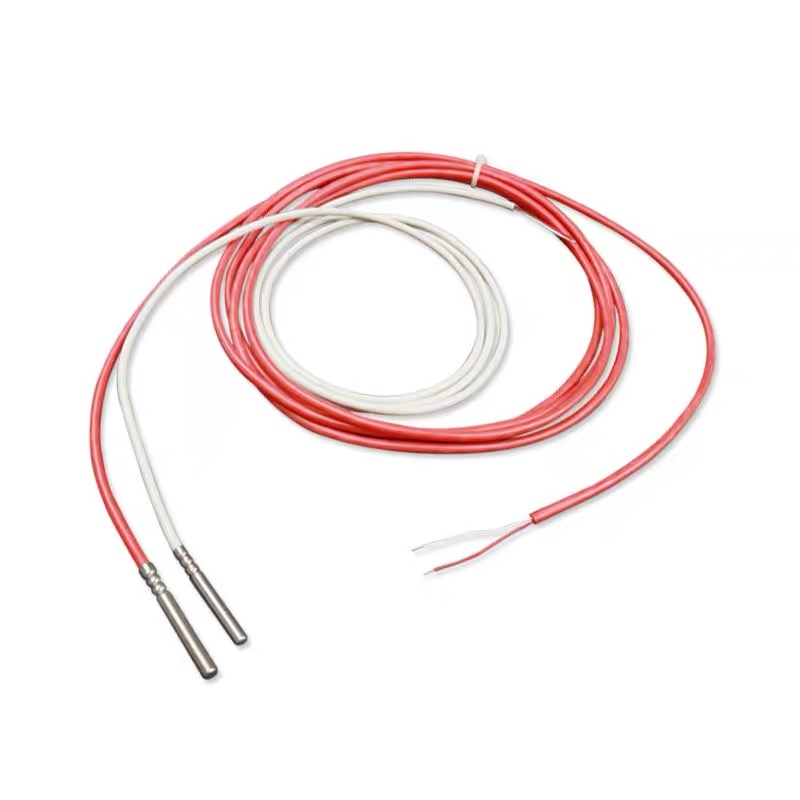
Eliminate multi-tier vendor handoffs. We consolidate membrane switch panels, rigid/aluminum/flex circuit board fabrication, component sourcing, firmware flashing, and sensor probes under a single, highly accountable engineering umbrella.
Portland Buyer & Engineering FAQ
Answers to common technical, logistics, and compliance questions from Pacific Northwest hardware buyers.
How does embossed membrane switch reliability compare against mechanical pushbutton arrays in wet environments?
What graphic overlay material is recommended for high UV and outdoor industrial machinery in Oregon?
Can you integrate metal snap domes and surface-mount LEDs within the same embossed membrane layer?
What files and documentation are required to initiate an embossed membrane switch quotation and DFM check?
What is the typical prototype and production turnaround time for shipments arriving in the Portland Metro area?
How does Shenzhen Mivo Electronics safeguard circuit integrity against Electrostatic Discharge (ESD)?
Architect Your Custom Membrane Switch Interface
Consult directly with our engineering department to configure material stackups, tactile dome responsiveness, and integrated circuit layouts tailored for Pacific Northwest operating conditions.
Get a Quote