Engineered Hardware, Sensors & Thermal Systems
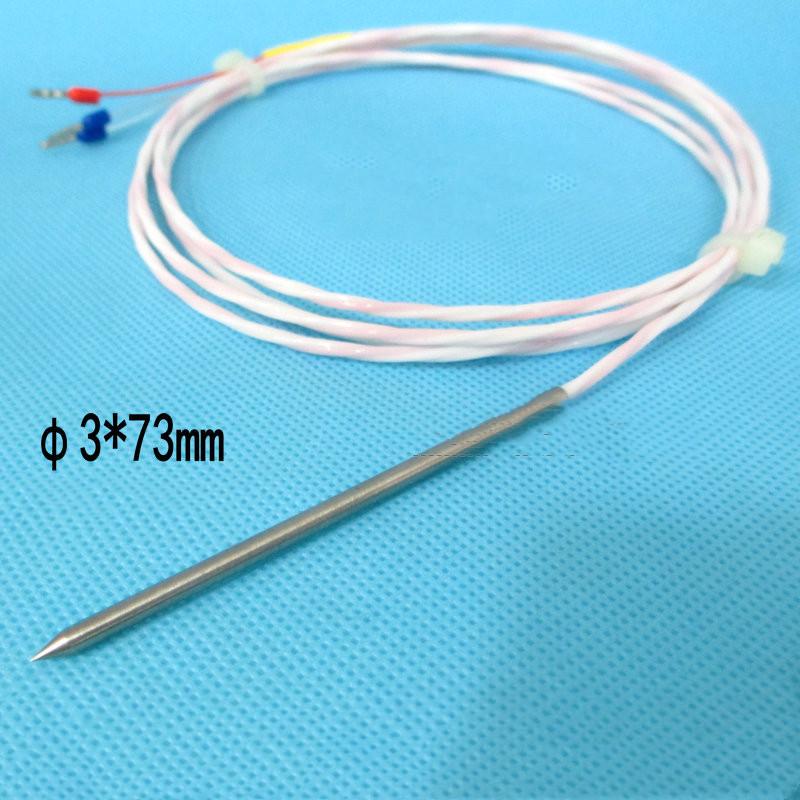
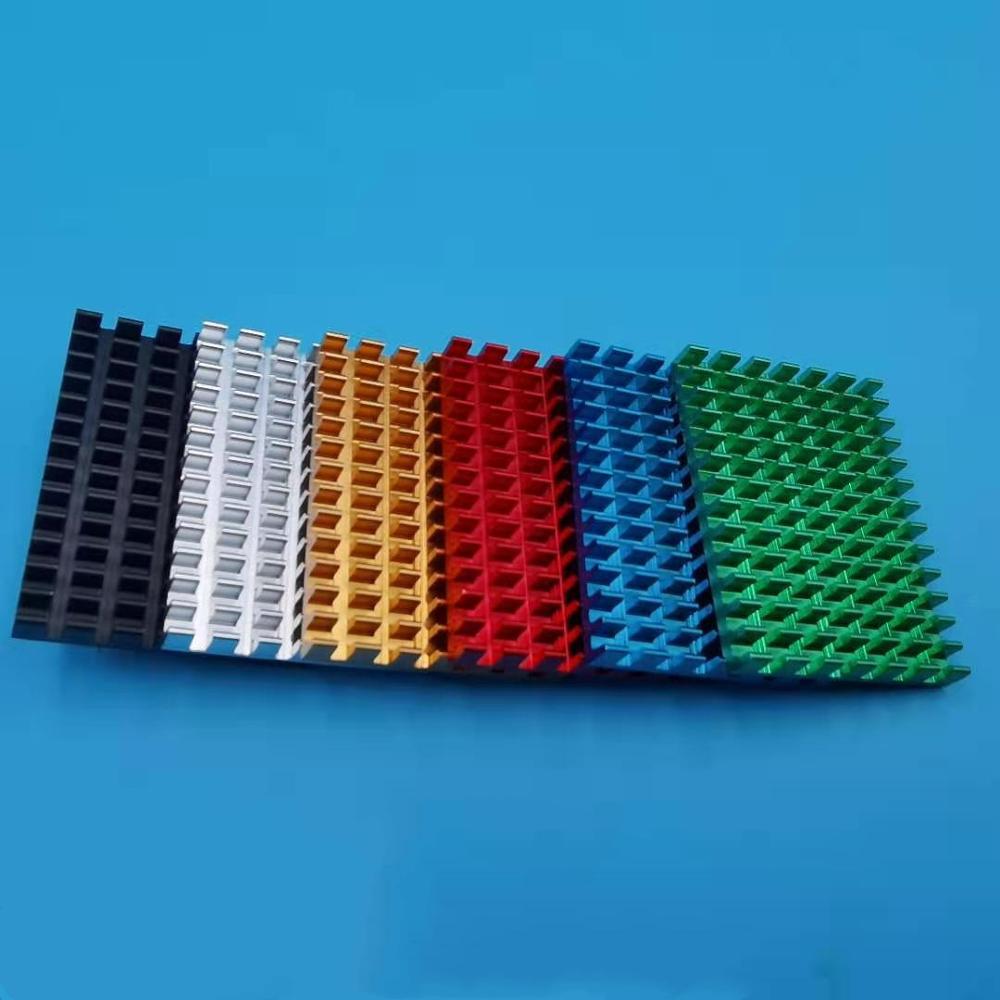
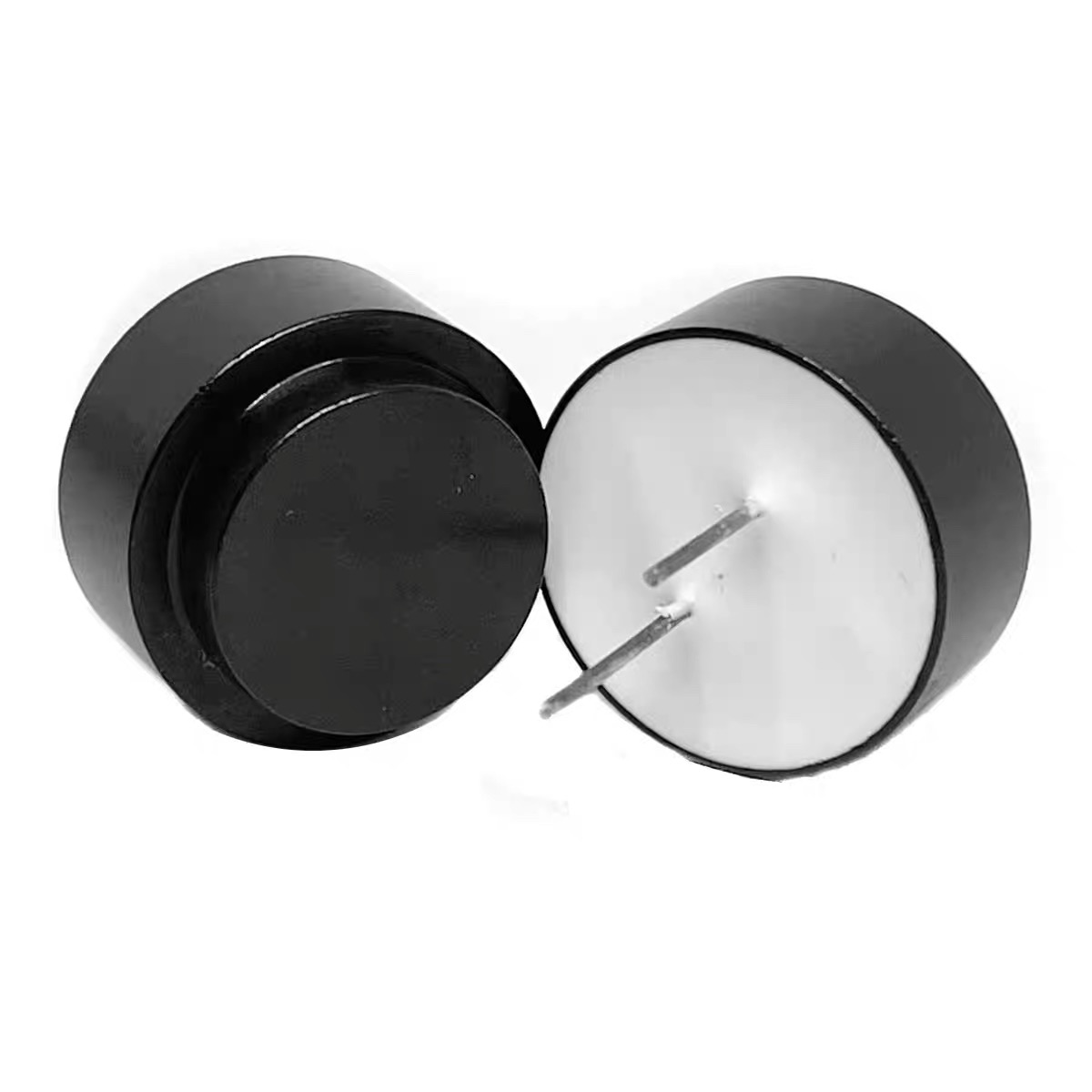
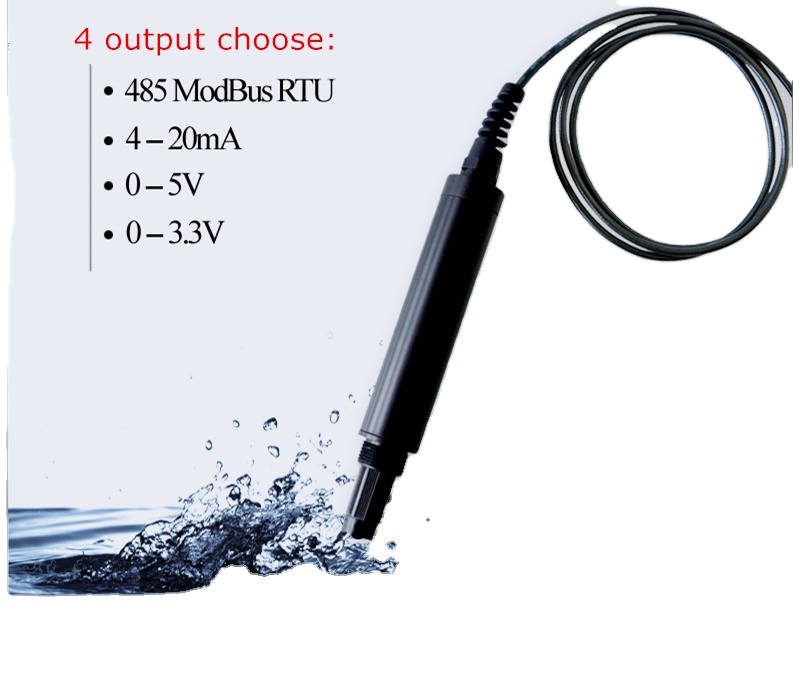
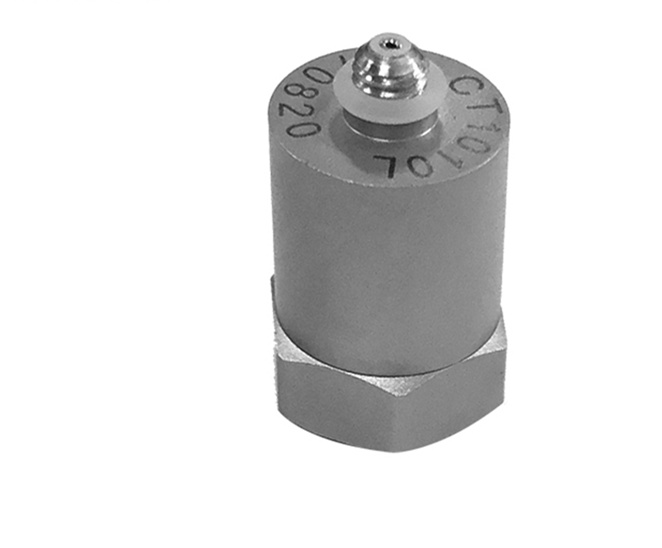
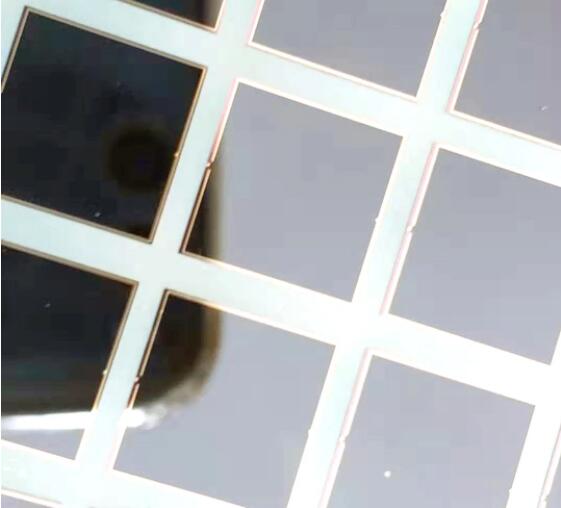
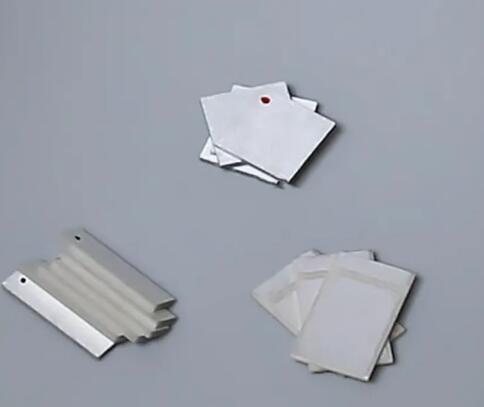
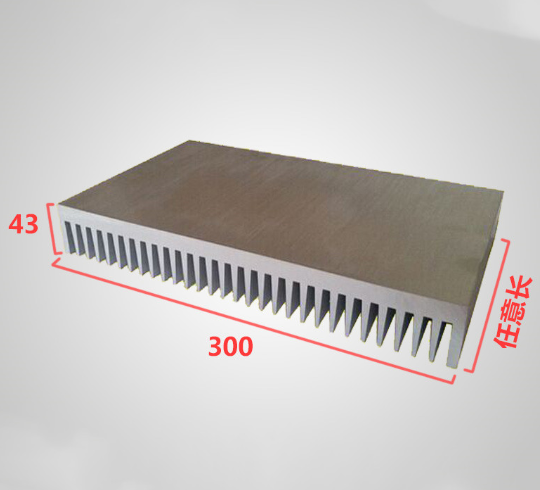
Complementing our flexible circuit fabrication, our Shenzhen facility provides precision sensors, bare silicon wafers, ultrasonic probes, and extruded thermal modules built for harsh operational conditions.
Flexible Printed Circuit (FPC) Architecture & IPC-2223 Design Guidelines
For hardware developers in Finland's leading technology region, selecting the correct flexible substrate, copper treatment, and bending profile determines long-term field survivability under dynamic mechanical loading.
Polyimide (PI) Base Dielectrics
We deploy high-performance adhesiveless Polyimide films (12.5µm to 50µm) featuring ultra-low coefficient of thermal expansion (CTE) closely matched to copper, eliminating delamination during intense lead-free reflow cycles up to 260°C.
- Adhesiveless cast films for minimal dielectric loss
- Operating thermal stability from -200°C to +150°C
- Superior breakdown voltage (>150 kV/mm)
Rolled Annealed (RA) Copper Foils
For dynamic flexing installations like wearable medical diagnostic belts and robotics linkages, Rolled Annealed (RA) copper provides horizontally elongated grain structures that endure hundreds of thousands of continuous bend iterations without micro-fissuring.
- High fatigue ductility compared to ED copper
- Available in 1/3 oz (12µm), 1/2 oz (18µm), and 1 oz (35µm)
- Smooth foil surfaces reducing skin effect losses
Coverlay vs. Flexible Solder Mask
Polyimide coverlay thermal-bonded with acrylic or epoxy adhesives provides absolute mechanical protection and moisture sealing, essential for sub-zero Finnish industrial field meters, while LPI flex masks cater to micro-pitch SMT component pads.
- Precision laser routed coverlay apertures
- Yellow, matte black, and high-visibility white variants
- Conforms rigorously to IPC-SM-840 specifications
Substrate Engineering & Performance Matrix
Hardware procurement teams in Espoo require transparent parametric parameters to establish design margins for telecom transmission lines, medical devices, and industrial sensors.
| Substrate / Parameter | Standard Flex (PI) | High-Frequency Flex (LCP) | Rigid-Flex Composite | Metal Core (MCPCB) |
|---|---|---|---|---|
| Dielectric Constant (Dk @ 10 GHz) | 3.2 – 3.4 | 2.9 – 3.0 | 4.0 (FR-4) / 3.4 (PI) | N/A (Dielectric layer ~4.2) |
| Dissipation Factor (Df @ 10 GHz) | 0.006 – 0.008 | 0.0020 – 0.0025 | 0.015 (Rigid) / 0.006 (Flex) | 0.012 |
| Moisture Absorption Rate | 0.8% – 1.3% | < 0.04% | 0.15% (Rigid) / 1.0% (PI) | < 0.1% |
| Min. Static Bend Radius | 6x total thickness | 10x total thickness | 10x flex zone thickness | Rigid Only (No bend) |
| Dynamic Flexing Cycles | > 100,000 cycles (RA Cu) | Moderate dynamic fatigue | Dedicated flex transitions | Static mechanical mounting |
| Thermal Conductivity | 0.2 W/m·K | 0.25 W/m·K | 0.3 W/m·K | 1.5 – 3.0 W/m·K |
FPC Integration Across Espoo's Innovation Hubs
Espoo stands as Northern Europe’s preeminent technological powerhouse. Centered around the Otaniemi innovation campus, Aalto University, and VTT Technical Research Centre of Finland, the city generates continuous demand for advanced microelectronics packaging.
Modern telecommunications infrastructure originating from Karaportti’s wireless hubs mandates flexible printed circuits that facilitate mmWave transmission with minimal insertion loss. Furthermore, Espoo's burgeoning quantum computing corridor and cryogenic instrumentation clusters utilize customized polyimide striplines to transmit low-noise signals inside dilution refrigerators operating below 20 mK.
In medical health-tech and smart sports instrumentation, miniature rigid-flex assemblies allow battery cells, biosensors, and Bluetooth low-energy modules to be seamlessly enclosed within ergonomic, water-resistant enclosures that operate flawlessly through sub-zero Nordic winters.
"For Scandinavian hardware developers, supply chain reliability is defined not merely by on-time delivery, but by exact adherence to IPC Class 3 tolerances, guaranteed component authenticity, and materials that withstand deep freeze-thaw cycles without impedance degradation."
Why Espoo Hardware Teams Source from Mivo Electronics
Eliminate middle-tier broker markups. We provide an integrated manufacturing chain in Shenzhen, managing fabrication, precision component procurement, and SMT assembly under one roof.
Onsite-Verified Shenzhen Facility
Our legal status and operating manufacturing facilities are onsite-verified by third-party inspection firms and global trade portals. With 8 years of dedicated international export track record and a 4.7/5 buyer rating, we provide transparent and audited manufacturing assurance.
Engineering DFM & BOM Scrubbing
Prior to exposure and laser drilling, our CAM engineers execute thorough Design for Manufacturability (DFM) reviews on your Gerber (RS-274X, ODB++) and drill files. We verify minimum bend line clearances, via pad annular rings, and solder bridge integrity without delay.
Turnkey Assembly from 5 Pieces
Accelerate your iterative prototypes from laboratory validation in Otaniemi to field testing. We manage SMT placement down to 01005 passives and 0.35mm pitch BGAs with matching stainless steel stencils, functional test fixtures, and custom sensor integrations.
Frequently Asked Questions by Finnish Hardware Engineers
Clear, direct answers regarding shipping to Uusimaa, EU customs clearance, IPC reliability standards, and prototyping requirements.