Precision Assemblies, Sensors & Thermal Components
Direct supply line components engineered to interface seamlessly with high-density flexible printed circuits (FPC), ensuring thermal stability and ruggedized signal transport in equatorial marine climates.
Flexible Circuit Engineering for Equatorial Marine Environments
A rigorous examination of substrate chemistry, dynamic bend kinetics, and metallization reliability for high-reliability systems deployed in Melekeok, Palau, and the greater Western Pacific.
Substrate Selection Dynamics: Polyimide (PI) vs. Alternative Dielectrics
When selecting a flexible PCB manufacturer for deployments in Babeldaob's administrative and maritime sectors, the fundamental substrate selection establishes the baseline survivability of the assembly. Flexible Printed Circuits rely primarily on two classes of base dielectrics: Polyimide (PI) and Polyester (PET). In the thermal-humidity profile of Palau, PET is fundamentally inadequate for mission-critical hardware due to its glass transition temperature (Tg) of approximately 75°C to 80°C and its vulnerability to hydrolytic degradation.
Our Shenzhen manufacturing lines utilize high-performance adhesiveless Polyimide Copper Clad Laminates (FCCL), such as DuPont Pyralux or equivalent high-Tg polyimides. The absence of an adhesive acrylic or epoxy layer between the rolled-annealed (RA) copper foil and the polyimide dielectric film yields three distinct engineering advantages:
- Reduced Moisture Absorption: Traditional adhesive layers absorb up to 3.0% atmospheric moisture by weight, triggering outgassing, blister formation, and catastrophic delamination during reflow soldering or prolonged field exposure. Adhesiveless polyimide exhibits moisture absorption under 0.8%, mitigating moisture-induced dielectric breakdown.
- Thermal Stability in Hermetic Enclosures: Solar-exposed field instrumentation located in Melekeok can reach internal enclosure temperatures exceeding 70°C without active cooling. Adhesiveless PI easily tolerates continuous service temperatures from -50°C up to +200°C, maintaining dielectric breakdown voltages exceeding 5,000 V/mil.
- Fine-Pitch Trace Etching Integrity: Without the adhesive squeeze-out common to older adhesive-bonded flexible laminates, etching lines down to 0.05mm/0.05mm (2 mil/2 mil) trace and space is achievable, enabling the integration of compact BGAs and fine-pitch sensor breakout routing.
| Substrate Architecture | Dielectric Constant (Dk @ 1MHz) | Moisture Absorption (wt %) | Tensile Strength (MPa) | Salt Fog Survivability (ASTM B117) | Recommended Use Profile |
|---|---|---|---|---|---|
| Adhesiveless Polyimide (RA Copper) | 3.2 – 3.4 | < 0.8% | 310 | > 1,000 Hours (w/ ENIG Finish) | Dynamic flex-to-install, marine telemetry, ROV gimbals |
| Adhesive-Based Polyimide (ED Copper) | 3.6 – 3.8 | 1.8% – 3.0% | 210 | < 350 Hours (Adhesive edge creep) | Static bending, benign consumer electronics, non-marine |
| Polyester (PET Film) | 3.0 – 3.2 | 0.5% – 1.0% | 170 | Moderate (Low temperature limits) | Disposable medical test strips, membrane switch traces |
| Rigid-Flex (FR-4 + Polyimide Core) | 4.0 (FR-4) / 3.4 (PI) | 1.2% Aggregate | 280 | > 750 Hours (Sealed transition zone) | Vibration-resistant marine avionics, engine bay monitors |
Dynamic Bend Radius Rules and Mechanical Neutral Axis Optimization
Flexible circuits operating in Melekeok’s marine craft steering linkages, automated radar arrays, and wave-glider buoys undergo millions of flexing cycles. Designing for dynamic flex life requires strict adherence to IPC-2223 (Sectional Design Standard for Flexible Printed Boards). A critical engineering failure mode is copper work-hardening resulting in micro-fracturing along the inner trace radii.
To prevent mechanical strain failure, we design circuits where the conductive copper layer sits exactly upon the mechanical neutral axis—the plane within the stack-up experiencing zero tensile and zero compressive stress during bending. This is achieved by balancing the thickness of the base polyimide core with an equivalent top polyimide coverlay (typically 12.5µm or 25µm polyimide film bonded with 25µm modified acrylic or epoxy thermoset adhesive). For 1-layer dynamic flex circuits, the minimum bend radius must not fall below 10 times the total circuit thickness. For dynamic multi-layer circuits, it should not fall below 20 times the total thickness.
Metallization & Surface Finishes: Battling Marine Salt-Fog Attack
Atmospheric salinity in coastal Palau acts as a persistent catalyst for galvanic corrosion and electrochemical migration. When selecting a surface finish from our manufacturing lines, buyers must consider the trade-offs between assembly solderability, contact resistance, and environmental passivation:
- Electroless Nickel Immersion Gold (ENIG): The industry benchmark for flat surface-mount pads on flex boards. It features 3–5 µm (120–200 µin) of electroless nickel beneath 0.05–0.1 µm (2–4 µin) of immersion gold. The gold acts as an oxidation barrier during ocean transit and storage, while the nickel layer prevents copper leaching. Strict bath control prevents "black pad" hyper-corrosion.
- Electroless Nickel Electroless Palladium Immersion Gold (ENEPIG): Recognized as the ultimate universal finish for extreme marine conditions. The intermediate palladium layer (0.05–0.1 µm) eliminates any risk of nickel corrosion, providing flawless wire bonding and multi-cycle reflow durability in high-humidity assembly environments.
- Immersion Tin & OSP Restrictions: Organic Solderability Preservatives (OSP) degrade rapidly under equatorial humidity and ambient sea breezes, leading to trace oxidation within days if unpopulated. Immersion Tin risks tin whisker formation and galvanic whiskering under sustained thermal cycling. Consequently, Mivo recommends ENIG or ENEPIG exclusively for Palau imports.
Localized Engineering Applications across Melekeok & Palau
Analyzing how custom flex circuits, rigid-flex combinations, and specialized sensor interfaces support Palau’s National Capitol Complex infrastructure, oceanic conservation, and coastal defense.
Marine Telemetry & Sanctuary Surveillance
The Palau National Marine Sanctuary requires autonomous marine surface drones, hydroacoustic listening stations, and moored environmental buoys. Custom polyimide FPCs eliminate heavy, corrosion-prone wiring harnesses inside submerged pressure hulls, connecting depth sounders, PZT acoustic transducers, and satellite uplink modules directly.
Ngerulmud Capitol Microgrids & Telecom
Palau’s executive and legislative headquarters at Ngerulmud rely on resilient microgrid solar-plus-storage arrays, microwave repeaters, and submarine fiber interconnect hubs. Flexible busbars and heavy-copper flex circuits route multi-ampere battery management currents inside tight rack enclosures without degrading under ambient humidity.
Aquaculture & Watershed Environmental Monitoring
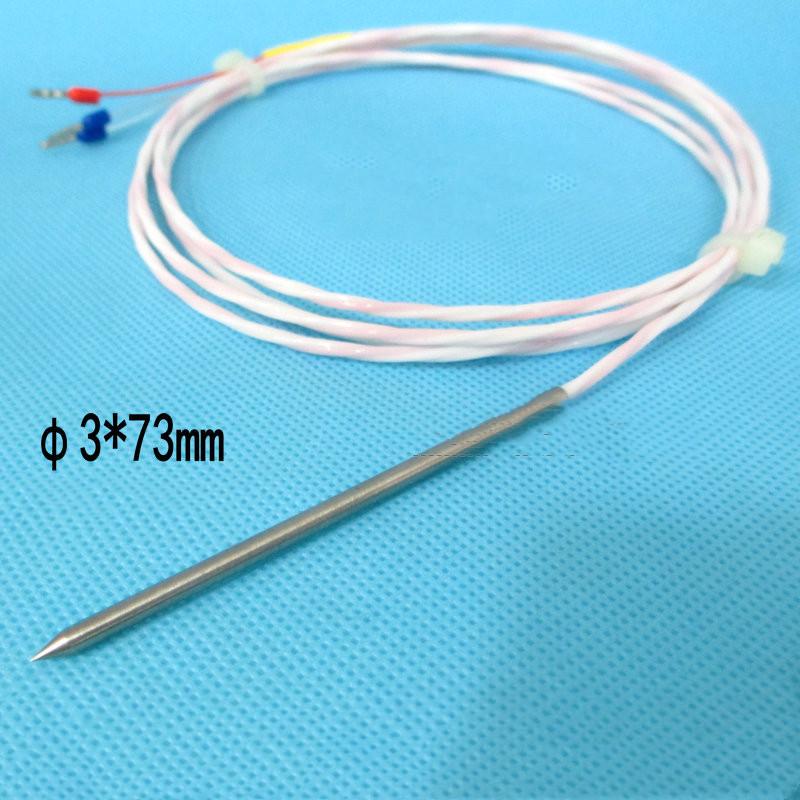
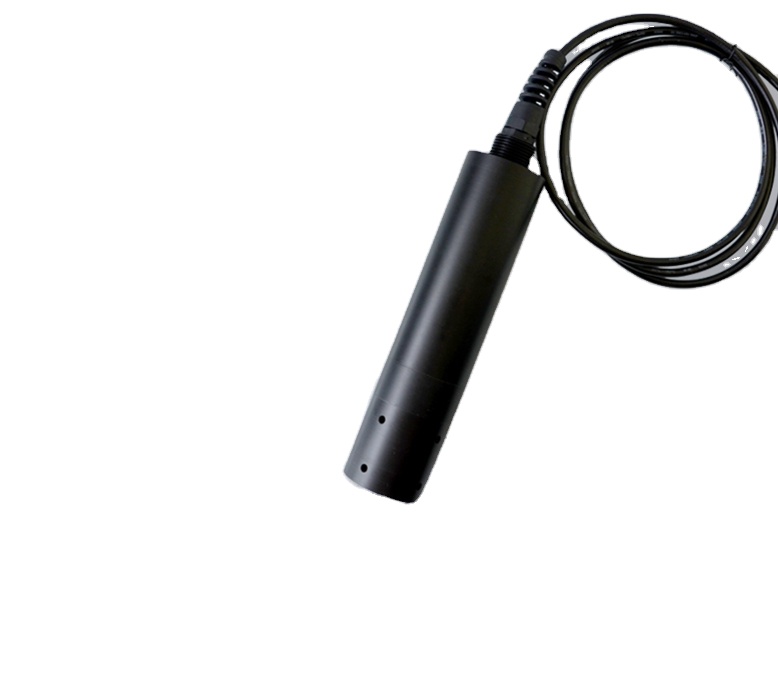
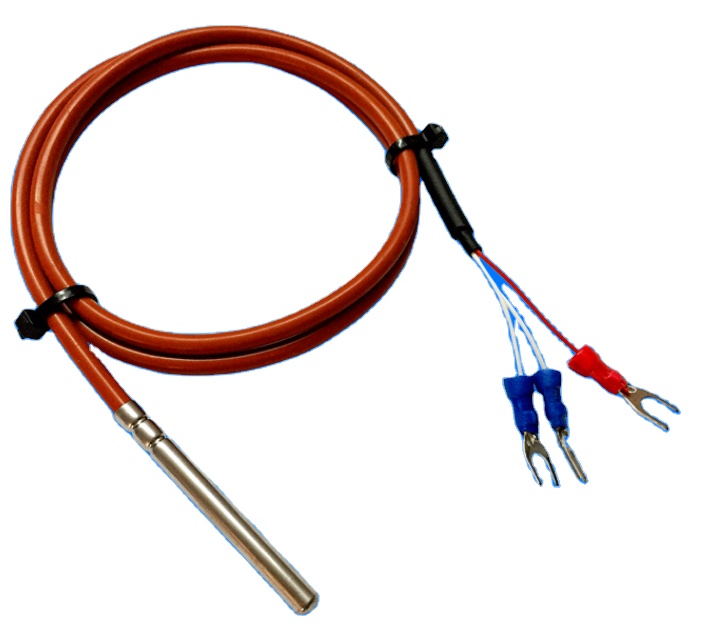
Preserving Babeldaob's pristine freshwater watersheds and mangrove wetlands requires low-power distributed sensor nodes. Integrating optical turbidity transducers (like the DTS-600) with waterproof PT100 temperature probes via compact flexible circuit interfaces enables plug-and-play datalogging along coastal runoffs.
Emerging Trends in Pacific Island Hardware Architecture
Strategic technological evolutions influencing how regional organizations, government contractors, and research bodies procure electronics.
1. Rigid-to-Flex Weight Reduction
Shipping heavy cast enclosures and discrete wire harnesses to Palau incurs steep freight premiums and maintenance overheads. Modernizing to 3D folding rigid-flex architectures slashes payload weight by up to 60%, drastically simplifying field repairs on maritime reconnaissance UAVs and patrol vessels.
2. Hermetic Potting & Parylene Coating
Standard silicone and polyurethane conformal coatings degrade when continuously immersed in Pacific sea spray. The trend is moving toward vapor-deposited Parylene C conformal coating applied over populated FPC boards, creating pinhole-free molecular barriers impervious to humid salt atmospheres.
3. Direct SMT Sensor Integration
Rather than running discrete external wires from probe heads to remote boards, engineers are designing extended flex fingers that place temperature, barometric, and acoustic sensors directly at the detection point, using shielded copper layers to suppress RF interference from high-power vessel transmitters.
4. Agile Low-Volume Prototyping
Infrastructure projects in Melekeok rarely require massive consumer volumes. The priority has shifted toward agile procurement partners who support engineering pilots starting from 5 to 100 units, backed by robust DFM (Design for Manufacturability) auditing to prevent costly redesign cycles.
Why Engineers & Importers Partner with Mivo Electronics
Combining verified Shenzhen supply chain directness with rigorous international export standards, catering specifically to offshore engineering demands.
Turnkey PCBA & FPC Co-Engineering
From rigid FR-4 and aluminum core boards to multilayer polyimide FPCs, we eliminate communication friction between multiple vendors. We cut laser SMT solder stencils matched precisely to your board thicknesses, ensuring microscopic solder deposit accuracy on 0201 passives and 0.4mm pitch QFN/BGA packages.
Guaranteed Traceable Component Sourcing
Operating from Shenzhen's central technology corridor, we maintain direct distribution accounts with authorized semiconductor manufacturers. Every passive, IC, and connector is checked against manufacturer part numbers (MPN). If obsolescence requires an equivalent cross-reference, substitution occurs only with your explicit written sign-off.
100% Quality Verification & Testing
Prior to dispatching shipments to the Pacific, assemblies undergo automated optical inspection (AOI), X-ray BGA inspection, and precision flying probe testing for open/short circuits. Custom functional test jigs and firmware flashing protocols ensure boards arrive field-ready for immediate deployment.
Direct Factory Procurement for Melekeok Engineering Teams
Onsite-verified premises in Shenzhen, Guangdong. Verified export compliance, transparent manufacturing logs, and English-speaking engineering project managers ready to review your Gerber RS-274X and BOM files today.
Frequently Asked Questions for Melekeok & Regional Buyers
Clear, direct answers regarding logistics, file submission, minimum order quantities, and marine-proofing specifications.
How can engineers in Melekeok receive flexible PCB prototypes and production shipments?
What is your Minimum Order Quantity (MOQ) for custom flexible PCBs and PCBA?
What specific design files are required to initiate a flexible PCB quote and DFM review?
How do you prevent corrosion on flexible circuits operating in Palau’s high-salinity air?
Can you integrate stiffeners on flexible circuits for component mounting?
Are components sourced from original manufacturers or open secondary markets?
How does Shenzhen Mivo Electronics handle obsolete or long-lead-time components?
What testing standards are executed prior to exporting to Palau?
Initiate Your Flexible PCB Order with Certified Technical Support
Whether you are engineering remote oceanographic buoys for the Palau National Marine Sanctuary, upgrading telemetry for Ngerulmud government utilities, or deploying compact marine electronics, our engineering team is ready to analyze your design files and deliver optimized, high-durability hardware.