Integrated Hardware Catalogue
Precision Assemblies, Custom Sensors & Interconnect Solutions
Engineered for harsh operating environments, high cycle frequency, and seamless integration with industrial control electronics across Minho's industrial base.
5+ Pcs
Low Prototype MOQs
8+ Yrs
Verified International Export
4.7 / 5
Verified Client Satisfaction
100%
Functional & Continuity Inspected
Engineering Membrane Switch Assembly: Technical Whitepaper for Northern Portugal's High-Tech Industry
The industrial ecosystem of Braga, extending across the Ave and Cávado sub-regions, represents one of Southern Europe's most dynamic hubs for mechatronics, automotive telematics, automation, and high-precision instrument manufacturing. In these rigorous operational settings, the human-machine interface (HMI) serves as the primary operational point of failure or success. A membrane switch assembly is not merely a graphic overlay with underlying electrical contacts; it is a multi-layered elastomeric and thermodynamic sandwich engineered to withstand mechanical fatigue, ingress of harsh reagents, extreme fluctuations in ambient temperature, and electrostatic discharges (ESD).
As an onsite-verified manufacturer, Shenzhen Mivo Electronics integrates top-tier material selection with advanced fabrication protocols. Our membrane switches combine premium polyester substrates (Autotype MacDermid Autotex / Autoflex) with screen-printed conductive polymer silver inks or photolithographically etched flexible printed circuits (copper-clad polyimide FPC). For engineering procurement teams in Braga sourcing components for medical diagnostic consoles, automated textile finishing equipment, or in-vehicle computing systems, understanding the micro-mechanics of tactile domes, contact resistance stability, and adhesive shear limits is critical to ensuring equipment life cycles surpassing 1,000,000 to 5,000,000 actuations.
"Modern interface design demands zero failure rates at the mechanical layer. By utilizing precision-matched 3M 467MP/468MP high-performance acrylic adhesives alongside etched copper polyimide circuitry, our assemblies bridge the gap between traditional membrane simplicity and complex rigid-flex PCBA durability."
| Layer Sequence | Material Specification | Engineering Function & Ingress Defense |
|---|---|---|
| 1. Graphic Overlay | Autotex Textured Polyester (PET) / Polycarbonate (PC) | Chemical resistance against industrial solvents, UV degradation barrier, and sub-surface graphic wear prevention. |
| 2. Overlay Adhesive | 3M 467MP / 200MP High-Performance Acrylic | Structural bond eliminating air bubbles; sheer resistance under temperature cycles (-40°C to +105°C). |
| 3. Dome Retainer Layer | Heat-stabilized PET Film with Precision Die-cuts | Positional locking of stainless steel tactile domes; prevents lateral displacement under lateral shear. |
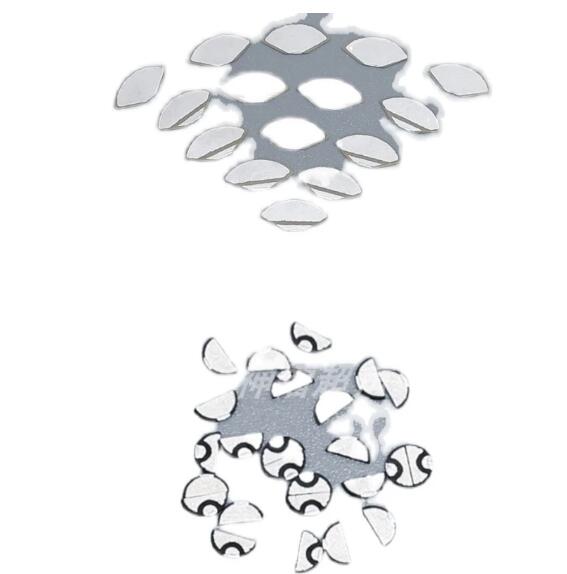
| 4. Tactile Actuator Array | Four-Legged Stainless Steel Domes (Gold/Nickel Plated) | Consistent tactile trip force (250g–450g), snap ratio feedback, and electrical path bridging under 100mΩ. |
| 5. Circuit Layer (Top/Bottom) | Silver Conductive Ink on PET or Etched Copper on Polyimide (FPC) | High-density track routing, zero carbon migration paths, and integration of SMT components (LEDs, resistors). |
| 6. Rear Mechanical Adhesive | 3M 468MP / 300LSE Low Surface Energy Adhesive | High-tack anchor directly securing the HMI to powder-coated cast aluminum, stainless steel, or ABS housings. |
Localization Focus
Industrial Applications Across Braga's Core Sectors
From smart automotive sensors to industrial automated machinery, our membrane interfaces and sensor assemblies interface cleanly with the Minho manufacturing paradigm.
Automotive Tier-1 & Tier-2 Telematics
Braga houses major automotive electronics developers. Our membrane assemblies provide ruggedized cabin controls, bus heating interface pads, and interior auxiliary switches integrated with tactile backlighting and CAN-bus-ready PCB backplanes.
Industrial Automation & CNC Controls
For industrial machinery builders located in Celeirós and surrounding logistics parks, our IP67 sealed membrane switches resist coolants, cutting fluids, and particulate contamination, providing robust tactile feedback to operators wearing thick safety gloves.
Medical Devices & Laboratory Instrumentation
In cooperation with regional biomedical research and lab automation clusters, our overlays feature antimicrobial coatings, hermetically sealed wipe-clean surfaces, and chemical resistance against standard hospital-grade sanitizing detergents.
Localized Technological Trends: The Evolution of HMI in Northern Portugal
The manufacturing sector in Northern Portugal is undergoing an accelerated digital transformation aligned with Industry 4.0 paradigms. As engineering firms integrate Internet of Things (IoT) architectures into legacy machinery and newly developed mechatronic platforms, user interface requirements have transitioned from basic mechanical switches to complex, sensor-integrated human-machine interface clusters.
1. Convergence of Capacitive Sensing and Tactile Feedback: While pure capacitive touch glass displays have dominated consumer electronics, industrial engineering teams in Braga recognize that mission-critical machines require deterministic tactile response. The market is shifting towards hybrid HMI solutions—combining embedded metal snap domes with capacitive slide wheels and integrated backlighting (side-firing micro SMT LEDs) mounted directly onto flexible copper circuits (FPC).
2. Extreme Environmental Sealing (IP67 and IP68 Compliance): Machinery operating in Northern Portugal’s agricultural processing and textile wash-finishing facilities requires protection against moisture saturation and high-pressure steam cleaning. Membrane switches produced with closed-cell polyurethane perimeter gaskets and peripheral potting defense have become the benchmark standard, mitigating internal condensation under shifting seasonal temperatures.
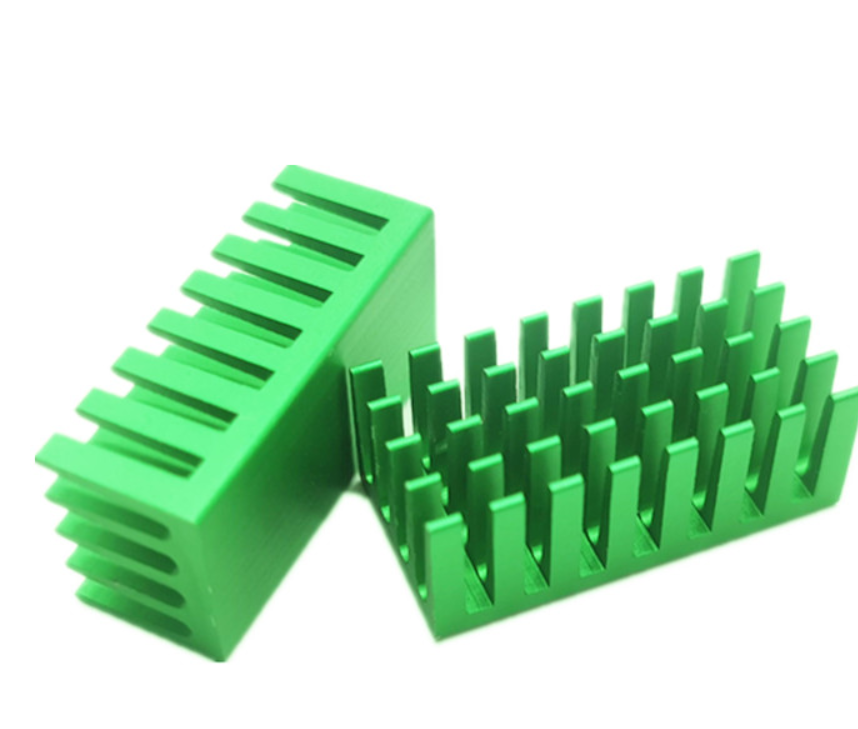
3. Direct Sub-Assembly Integration: Procurement teams no longer seek isolated switch layers. Instead, they demand turn-key assemblies combining the membrane keypad, internal stiffener plates (anodized aluminum or FR-4), integrated display windows (chemically hardened acrylic or glass), wired harnesses with latching Molex/JST connectors, and direct thermal coupling accessories such as custom aluminum heat sink extrusions.
Factory Advantage
Why International OEMs Partner with Mivo Electronics
Combining Shenzhen's component ecosystem with strict export quality verification to support your hardware iterations from five prototype units to full production.
Onsite-Verified Manufacturing Facility
Verified through physical third-party factory inspection. With 51–100 skilled production personnel, advanced automated SMT assembly lines, and 8 consecutive years of certified international export history, our documentation guarantees verifiable accountability.
Turn-key Prototype Flexibility from 5 Pcs
We eliminate prohibitive volume barriers. Prototype PCBA and custom HMI membrane assemblies begin at just 5 pieces, allowing development teams in Braga to complete Design for Manufacturing (DFM) verification and functional testing before mass production runs.
End-to-End Component Sourcing
Leveraging deep integration within Shenzhen’s prime electronic component supply chains, our engineering department secures original ICs, precision connectors, and passive components. Any component obsolescence is handled with clear, client-approved cross-referencing.
Technical Inquiry
Frequently Asked Questions by Technical Buyers in Braga
Addressing engineering specifications, logistics, tooling costs, and quality compliance for overseas procurement.
How do you ensure membrane switch longevity in high-humidity Portuguese coastal climates?
We employ heat-stabilized polyester (Autotex PET) films that exhibit minimal hydroscopic expansion compared to standard polycarbonate. Furthermore, our silver-printed conductive tracks undergo secondary dielectric encapsulation to eliminate silver migration under electrical bias in humid conditions. For outdoor or industrial wash-down machinery, continuous-perimeter perimeter gasket sealing with 3M 300LSE adhesive isolates the dome array to achieve IP67 ingress protection.
What engineering documentation is required to initiate a custom membrane switch quote?
To provide a fully optimized DFM review and quotation within 24 hours, our engineering team requires: (1) Graphic overlay vector files (Adobe Illustrator, CorelDRAW, or PDF with Pantone/RAL color codes), (2) Circuit layout drawings (Gerber RS-274X, DXF, or DWG), (3) Circuit schematic highlighting pin-out configurations and connector pitches (e.g., 2.54mm or 1.0mm ZIF), and (4) Specifications on dome actuation force (typically 280g–350g) and LED operating current.
Can you integrate custom sensors and aluminum backing plates directly with the switch?
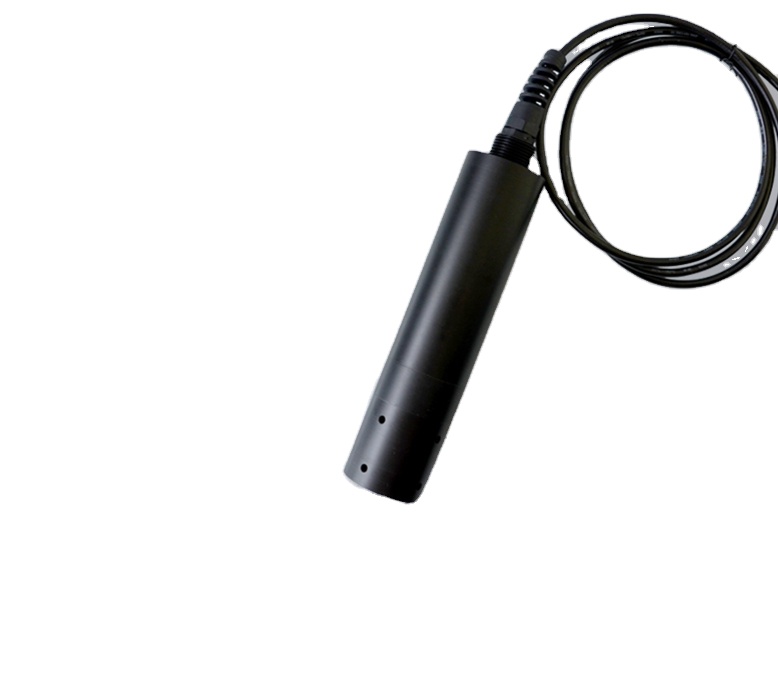
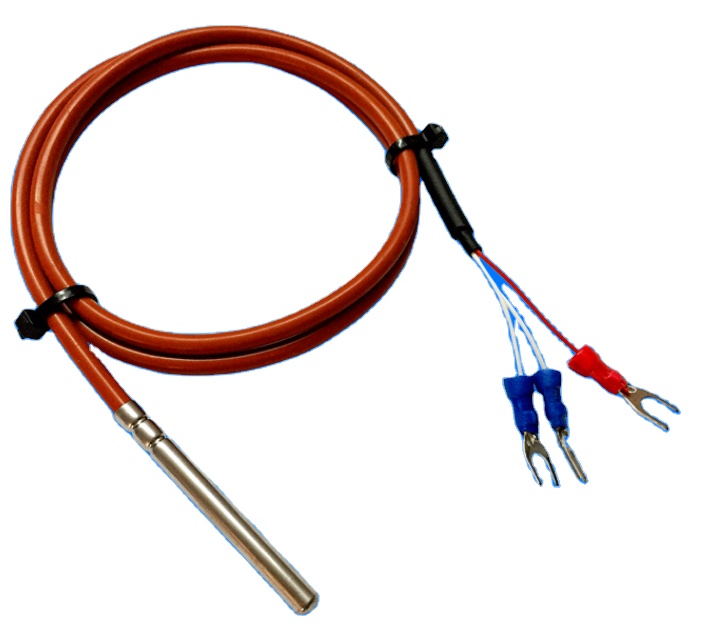
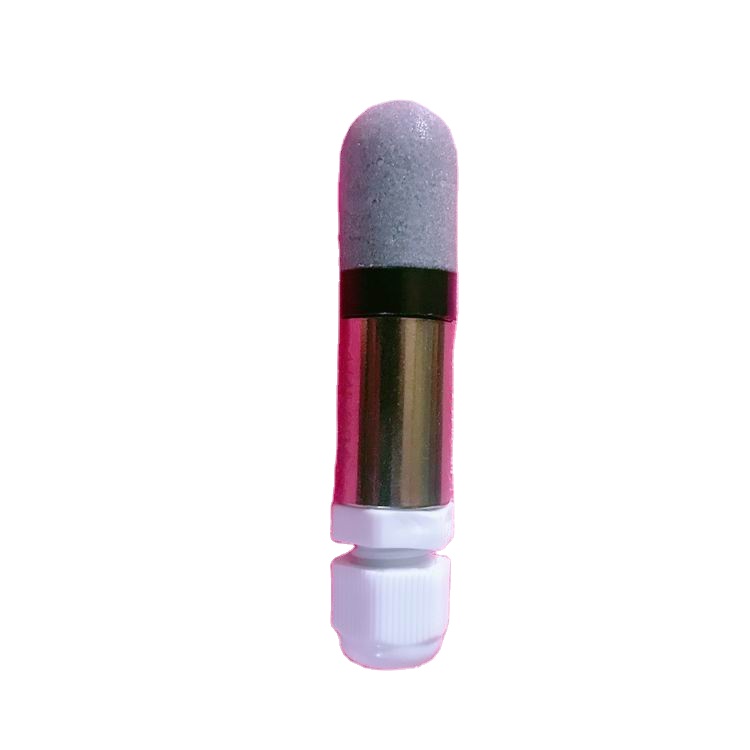
Yes. We offer complete box-build and sub-assembly manufacturing. We frequently fabricate assemblies that combine the front graphic membrane with an anodized aluminum stiffener, embedded PT100 RTD temperature probes, optical/transducer sensors, and surface-mount LEDs soldered to a flexible circuit layer, delivering an integrated, plug-and-play front-panel module.
What is your minimum order quantity (MOQ) for prototypes versus production runs?
Our prototype runs start at just 5 to 10 pieces for custom membrane switch panels and turn-key PCBA modules. For mass production orders, batch pricing typically scales from 100 to 5,000+ units. This structure allows engineering departments to conduct pilot trials and CE certification tests with minimal upfront financial exposure.
How do you handle shipping, customs clearance, and DDP delivery into Portugal?
We regularly dispatch via air express (DHL Express, FedEx, UPS) directly to Porto (OPO) or Lisbon (LIS) airports, reaching Braga within 3 to 5 business days post-dispatch. All export cargo is packed in custom anti-static (ESD) protective packaging, and we can provide Delivered Duty Paid (DDP) or standard DAP terms depending on your internal customs clearing preferences.