Precision Tactile Switches, Sensors & Thermal Components
Engineered to international IPC-A-610 standards. From tactile snap domes and electro-mechanical interfaces to environmental monitoring probes, explore precision hardware configured for industrial deployment.
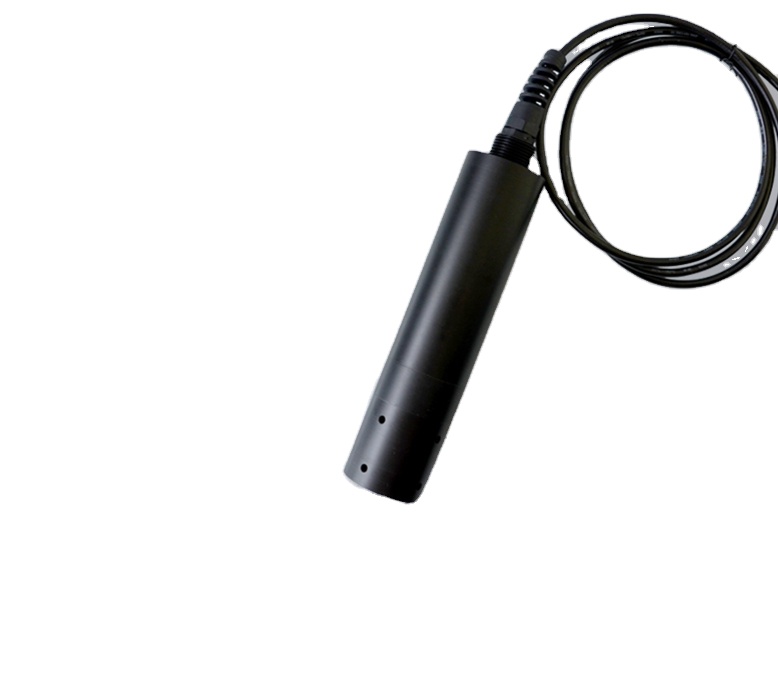
DTS-600 Turbidity Transducer Electrode RS485 Modbus 4-20mA 0-5V Water Sensor
Industrial water quality electrode, MODBUS protocol integration, corrosion-resistant encasement.
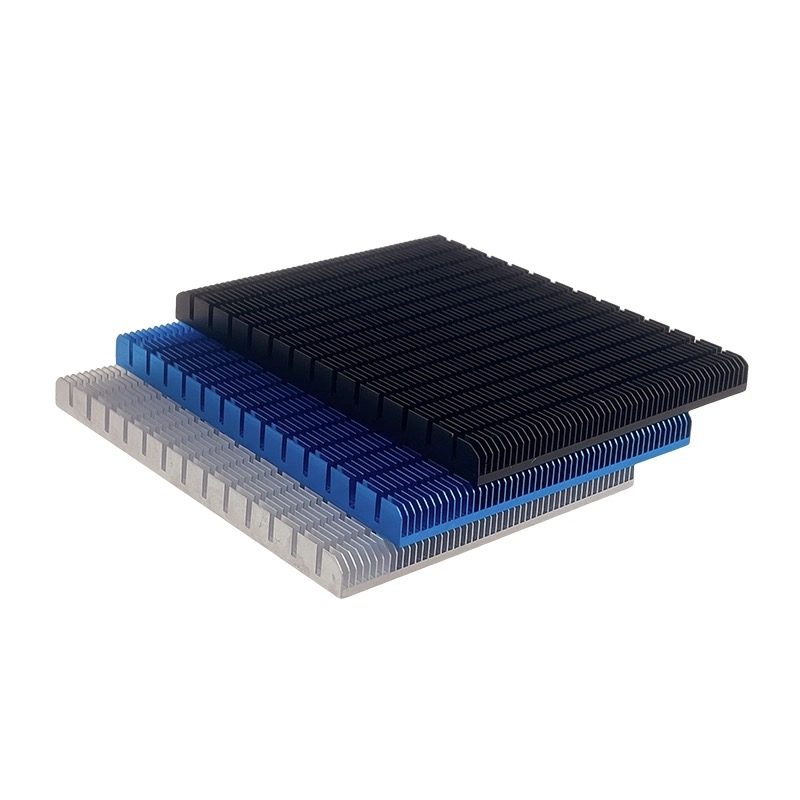
130*100*10mm Aluminum Heatsink Radiator Heat Sink for RAM PCB LED CPU
High thermal conductivity aluminum profile with pre-applied double-sided thermal tape.
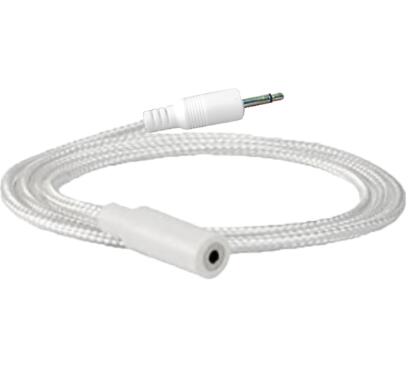
Wireless Water Leak Detection Cable Smart Home Leakage Sensing Rope
Conductive polymer construction, fast line-break detection, non-conductive jacket overlay.
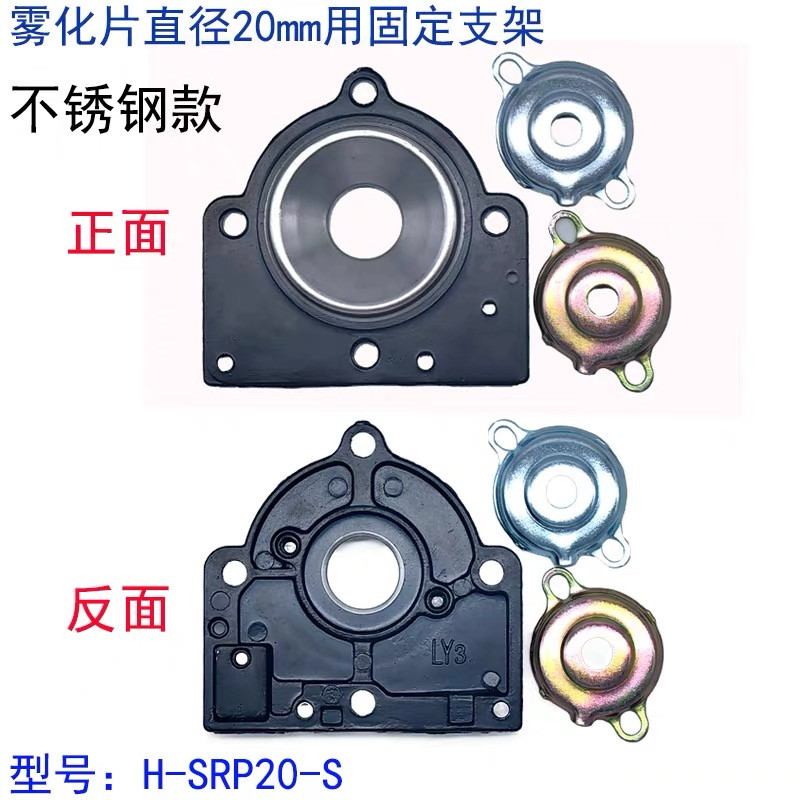
Atomizing Plate Stainless Steel Heat Sink Humidifier Fixed Holder
Precision stamped stainless structural mount, optimized heat dissipation for piezo disks.
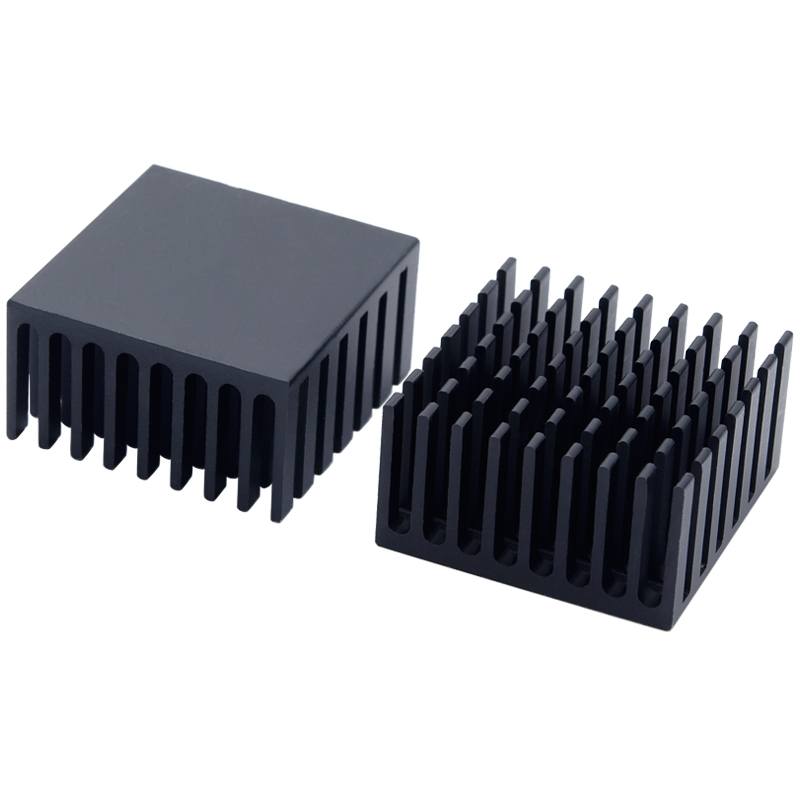
28*28*15mm Heatsink Cooling Fin Aluminum Heat Sink Radiator Cooler
Anodized black finish, high surface-to-volume ratio, ideal for embedded IC package cooling.
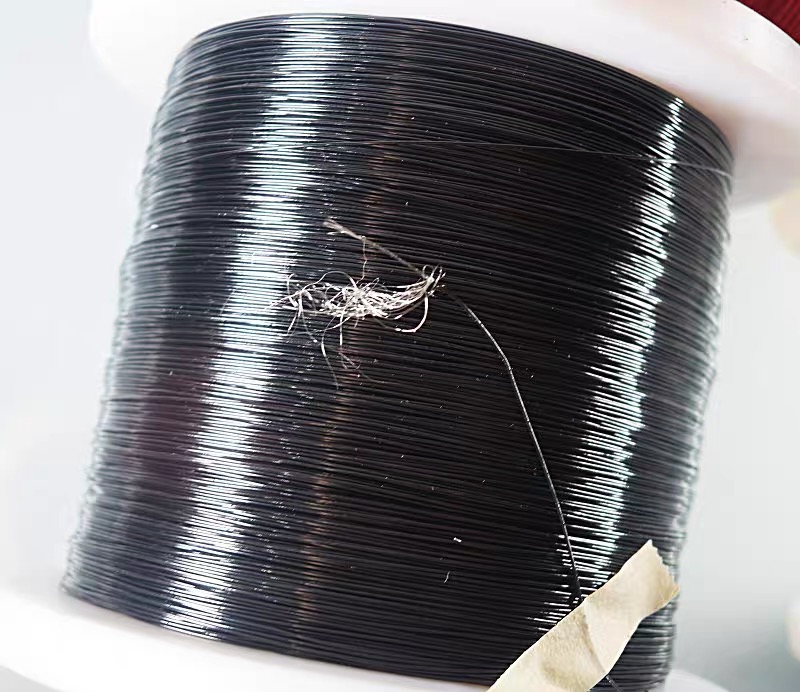
36AWG Mini Coaxial Cable 50ohm Impedance 0.5mm Shielded Wire
Ultra-fine transmission line for compact tactile assemblies, hinge routing, and RF links.
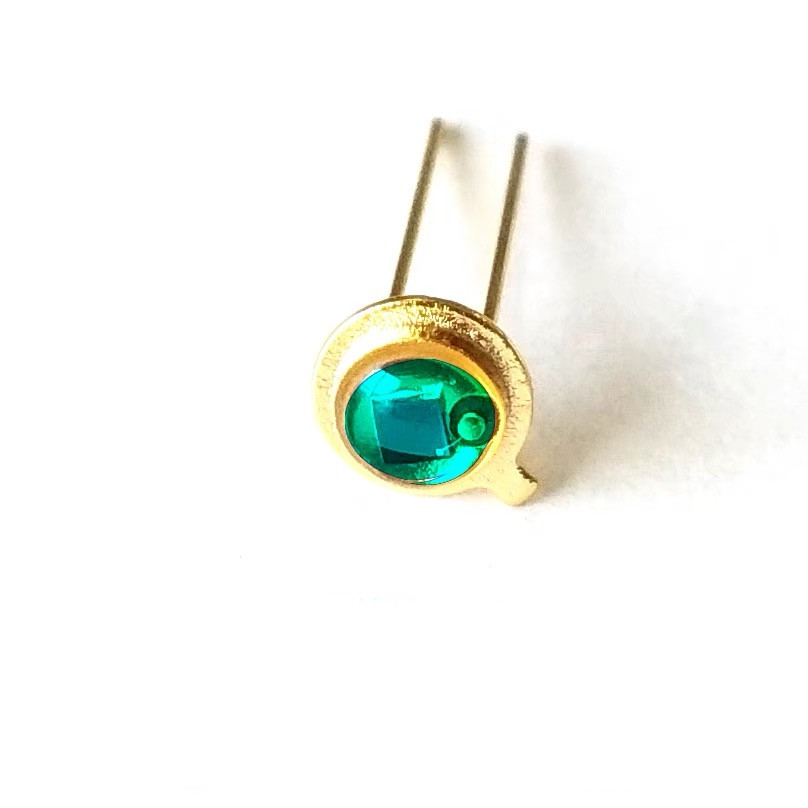
Metal Shell TO46 Package SG-PIN46MR-V High Speed Silicon Photodiode 450NM
Hermetic seal metal can packaging, fast response time for optical sensing and switches.
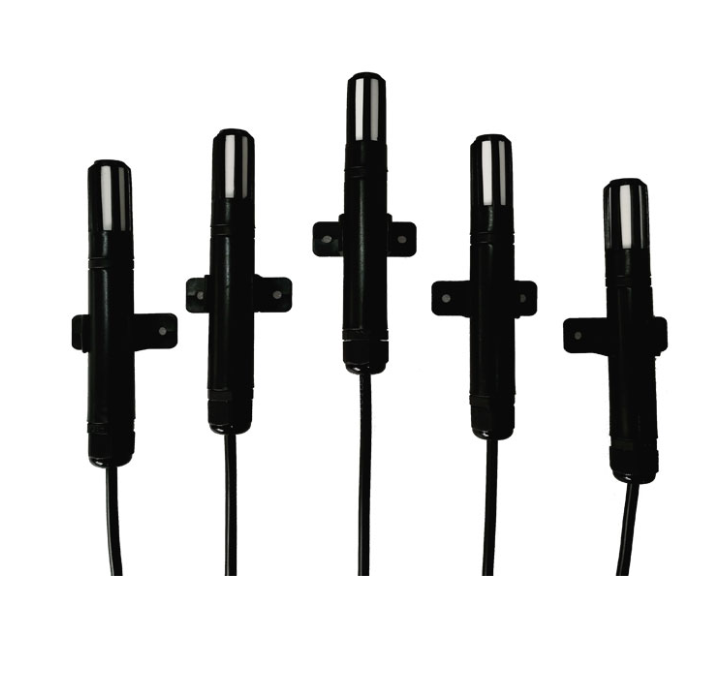
High-Precision Waterproof Temperature Humidity Digital Sensor SHT30 SHT31
Sintered protective sheath, digital I2C bus output, built for hostile, high-humidity climates.
High-Reliability Metal Dome Switching Architecture for San Ignacio
In-depth electro-mechanical considerations for engineers specifying snap domes, membrane keypads, and turnkey PCBA across Central American field deployments.
In modern industrial controls, field diagnostics, and distributed infrastructure devices, human-machine interface (HMI) reliability determines continuous operational uptime. A metal dome switch (commonly categorized as a snap dome or tactile dome array) serves as the primary electro-mechanical bridge. Constructed from premium austenitic stainless steel (predominantly SUS301 or SUS304), these precision-stamped spherical or four-legged domes deflect under applied downward pressure to establish momentary electrical contact across printed circuit board (PCB) or flexible printed circuit (FPC) pads. The inherent material elasticity returns instantaneous, crisp tactile feedback to the human operator before snapping back to an open circuit condition upon load release.
Regional Climate and Environmental Demands in San Ignacio
Procuring and deploying tactile interface hardware in San Ignacio, Cayo, and the broader Belizean sub-tropical corridor requires mitigating stringent environmental challenges. The region experiences persistent high ambient relative humidity (often sustaining above 85%), ambient temperature fluctuations, and tropical storm cycles. In unconditioned industrial processing sites, agri-tech operations, outdoor botanical research stations, and ecotourism resort telemetry installations, standard generic tact switches with unsealed casings rapidly suffer from oxidation, silver migration, and contact bounce degradation caused by trapped atmospheric moisture.
Our localized engineering focus delivers sealed dome switch arrays integrated with IP67/IP68 silicone elastomeric membranes, perimeter pressure-sensitive adhesives (such as 3M 467MP/200MP acrylic systems), and gold/nickel-plated stainless contact layers. These configurations prevent airborne moisture and microscopic particulate ingress into the underlying contact cavity, preventing premature micro-corrosion and keeping contact resistance strictly under 100 mΩ over millions of actuation cycles.
Emerging Industrial and Technological Trends in the San Ignacio Corridor
The industrial landscape in Western Belize is actively transforming. While historically centered on agriculture, citrus processing, and boutique tourism, regional initiatives have accelerated the deployment of automated telemetry, solar energy micro-grid inverters, off-grid water purification monitoring networks, and rugged field instruments. Key development trends include:
Agri-Tech & River Turbidity Telemetry
Remote sensory nodes monitoring soil moisture, processing runoffs along the Macal and Mopan rivers, requiring low-power tactile interfaces combined with MODBUS RS-485 probes for dependable field calibration.
Distributed Solar Micro-Grid HMIs
Off-grid photovoltaic charge controllers and power inverters demanding UV-stabilized graphic overlays, heavy-actuation tactile domes (350g–500g), and thermal dissipation solutions to endure high solar heat gain.
Ruggedized Field Hardware Upgrades
Transition from bulky mechanical toggle switches to space-saving, low-profile custom dome arrays built directly onto multilayer FR-4 or flexible FPC substrates, reducing equipment enclosure envelope by up to 60%.
Material Science & Mechanical Performance Architecture
A high-performance tactile switch design relies on balance across four mechanical parameters: Dome Geometry, Actuation Force (Trip Force, P1), Return Force (Release Force, P2), and Click Ratio. The click ratio is expressed mathematically through the formula:
Click Ratio (%) = [(Actuation Force − Return Force) / Actuation Force] × 100%
A crisp tactile snap requires a click ratio optimized between 40% and 65%. For heavy industrial field controls operated by gloved technicians in agricultural processing facilities around San Ignacio, trip forces are deliberately calibrated to 300g–450g to prevent accidental actuation. Conversely, handheld medical or laboratory instrumentation benefits from lighter 160g–220g circular or four-leg tactile domes that minimize user fatigue.
Furthermore, contact plating directly governs longevity. While bare stainless steel domes perform adequately in clean, dry environments, tropical climates necessitate either nickel plating for cost-effective abrasion resistance or gold plating over nickel barrier coats to achieve ultra-low contact resistance and zero oxidation across 1,000,000+ continuous switch cycles.
Enterprise Strengths & Manufacturing Superiority
Backed by an onsite-verified Shenzhen manufacturing infrastructure, Shenzhen Mivo Electronics Co., Ltd. delivers direct engineering-to-production efficiency for global and regional operations.
Onsite-Verified Manufacturing Facility
Verified on-premises by Alibaba and verified by independent third-party auditing authorities. Over 8 continuous export years maintaining an average buyer rating of 4.7/5 across global OEM accounts.
Rapid Prototyping from 5 Pieces
Agile production lines support prototype runs from just 5 pieces for PCBA assemblies and low initial MOQs across custom sensors, cables, and dome arrays, allowing risk-free R&D cycles.
Single-Source Turnkey Integration
We eliminate supply chain fragmentation by handling rigid/flexible PCB fabrication, laser-cut SMT stencils, component sourcing, SMT assembly, firmware loading, and custom membrane switch panels under one roof.
Frequently Asked Questions for San Ignacio Buyers
Key technical, logistical, and commercial inquiries answered by our application engineering and international fulfillment specialists.