Precision Sub-Assemblies & Complementary Components
Alongside custom engineered polyester overlays, our Shenzhen manufacturing facility produces integrated electromechanical hardware, sensing probes, and precision thermal solutions deployed across European industrial electronics lines.
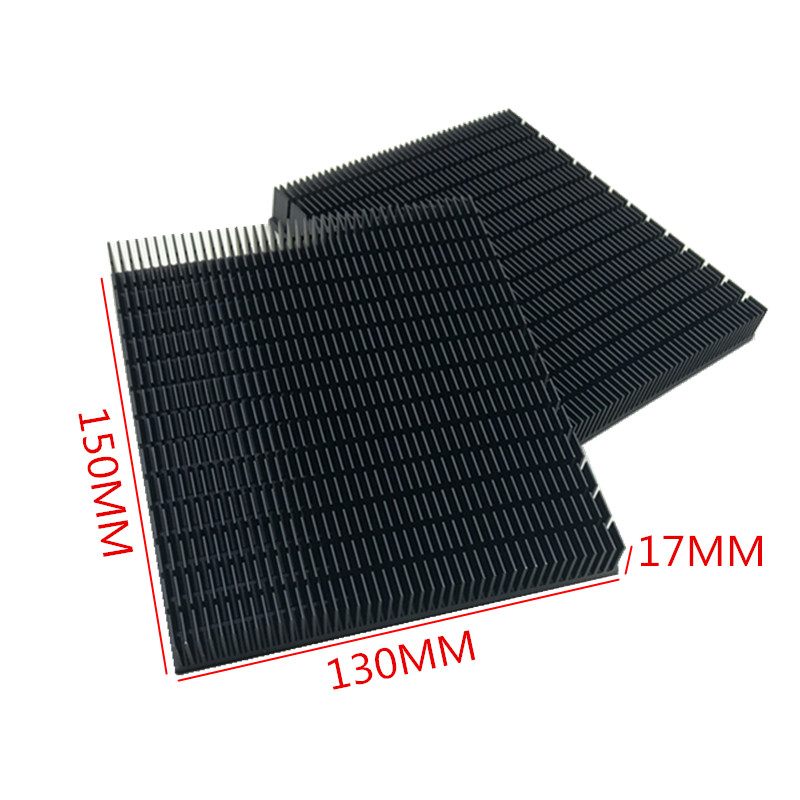
Groove Aluminum Heatsink 150*130*17MM Back Radiator Profile
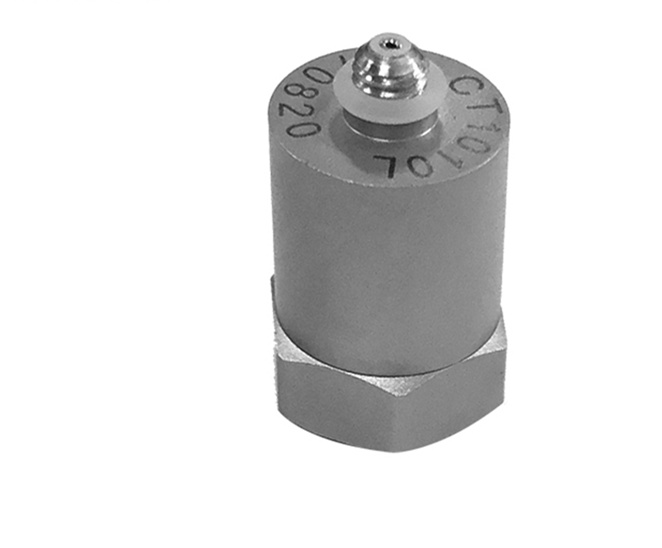
Output M5 CT1010L ICP/IEPE 0.5-5000Hz Piezoelectric Vibration Sensor
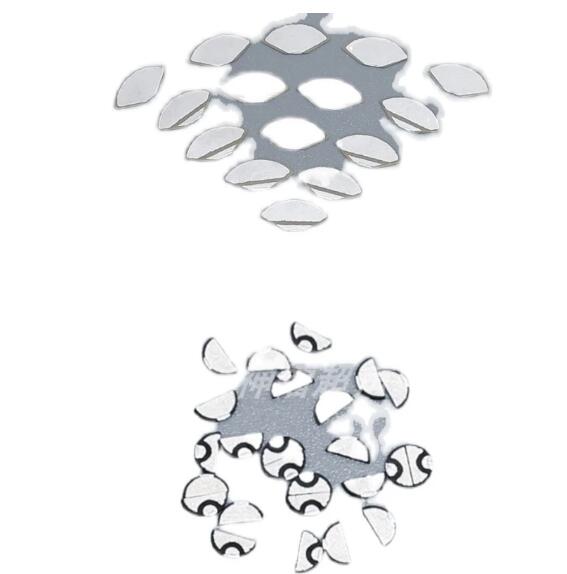
PZT Profiled-Shape Semi-Circular Sector Multi-Frequency Waveguide
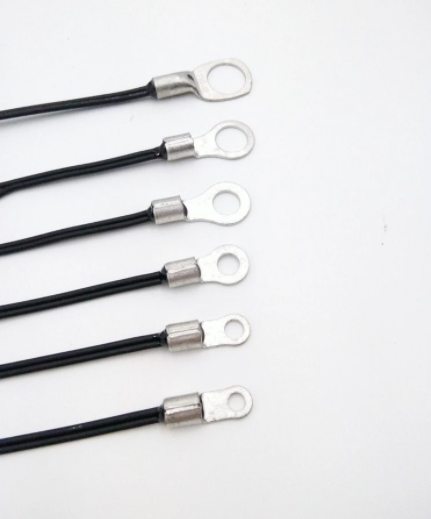
New Energy EV Battery NTC Temperature Sensor Probe B4150 100K
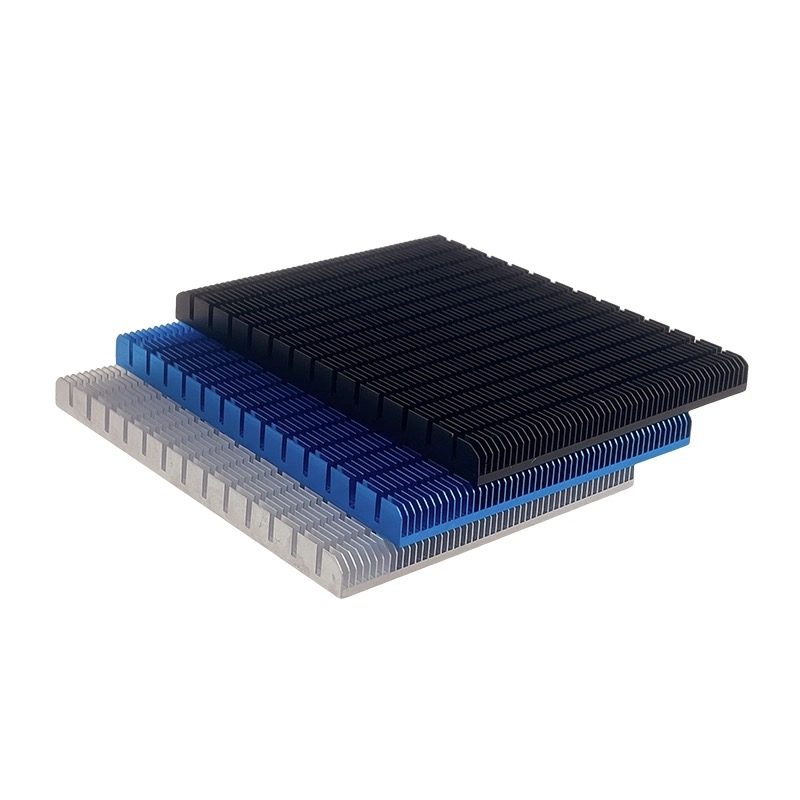
130*100*10mm Aluminum Heat Sink with Thermal Conductive Tape
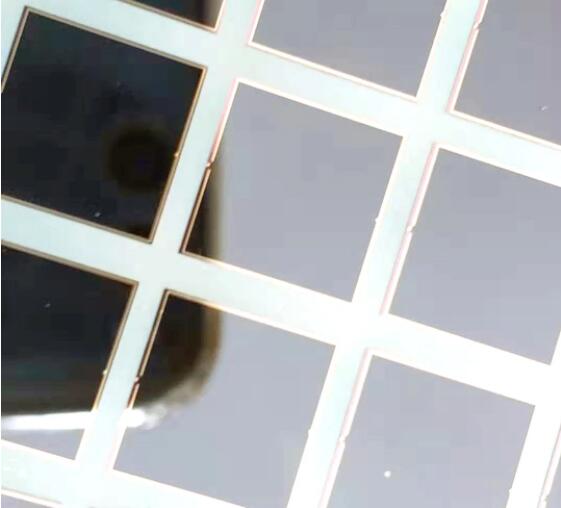
Linear Silicon Photocell Chip 10*10 Wafer SGPIN400 Common Anode
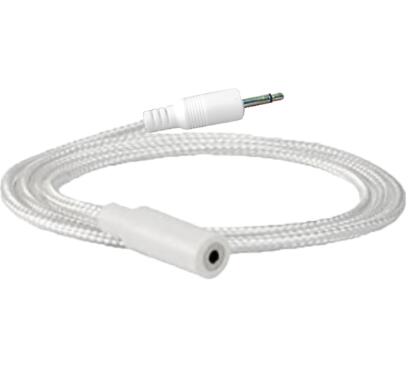
Wireless Industrial & Smart Building Water Leak Detection Sensing Cable
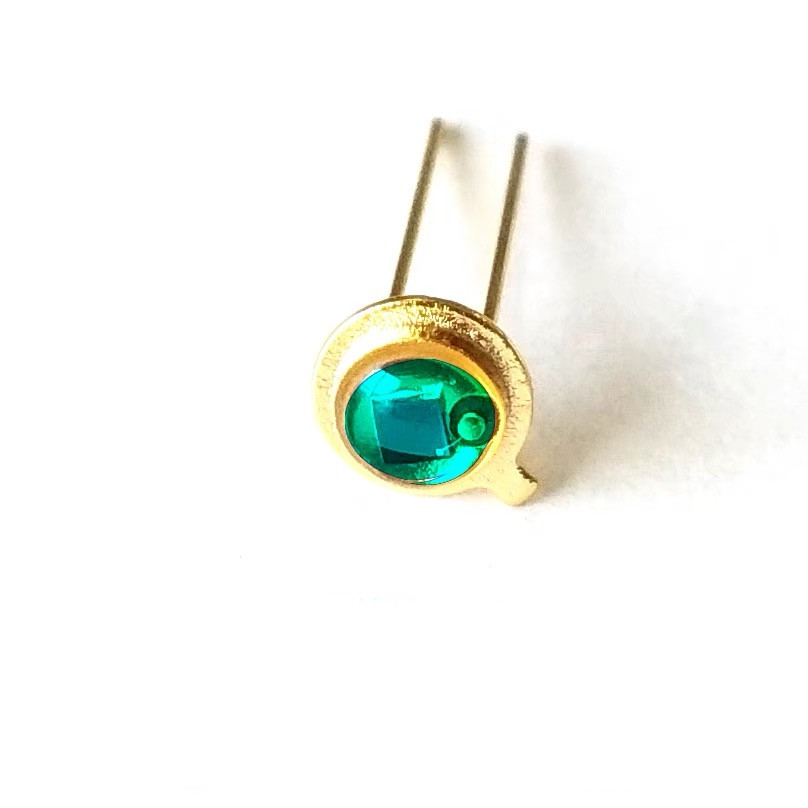
Metal Shell TO46 SG-PIN46MR-V 450NM High Speed Silicon Photodiode
High-Durability Polyester Overlays: Material Science & Engineering Specifications
Why biaxially-oriented polyethyleneterephthalate (BOPET) outperforms conventional polycarbonate across the intensive manufacturing corridors of central Poland.
Formulation Resilience Under Dynamic Industrial Stress
For industrial design teams, electronics contract manufacturers, and panel builders across the Łódź Voivodeship—including industrial clusters in Stryków, Konstantynów Łódzki, Piotrków Trybunalski, and Radomsko—human-machine interfaces face severe operational friction. Unlike brittle monomer films, premium biaxially-oriented polyester films (such as Autotex® XE/Fine/Velvet and Melinex® formulations) deliver unmatched mechanical fatigue resistance.
Polycarbonate panels frequently experience micro-crazing and stress failure after 50,000 to 100,000 tactile actuations. In contrast, precision-embossed polyester overlays routinely sustain in excess of 5,000,000 flex cycles without tactile snap decay or localized delamination. This endurance proves decisive for automated warehousing terminals, food processing stations, and automotive assembly fixtures where downtime is financially prohibitive.
Custom Engineering Standards
We configure every polyester overlay package to meet strict European Union Directives, ISO quality metrics, and harsh deployment parameters:
- Substrate Thickness: 125 μm, 150 μm, 175 μm, 200 μm, 250 μm
- Embossing Profiles: Rim, pillow, dome, and LED indicator windows
- Adhesive Systems: 3M 467MP, 468MP, 300LSE (for low surface energy plastics)
- Environmental Ingress: IP65 to IP67 perimeter gasket barriers
- Compliance: RoHS 3 (EU 2015/863), REACH, UL94 VTM-2 rated
| Performance Parameter | Industrial Biaxially-Oriented Polyester (PET) | Standard Polycarbonate (PC) | Acrylic / PMMA Front Facings |
|---|---|---|---|
| Actuation Switch Life (Flexural Fatigue) | > 5,000,000 actuations (No dome cracking) | ~ 100,000 actuations (High micro-crazing risk) | Unsuitable for tactile switch embossing |
| Chemical & Solvent Resistance | Exceptional (Immune to IPA, acetone, MEK, cutting fluids) | Moderate (Degrades under esters, aromatic hydrocarbons) | Weak against common workshop degreasers |
| Thermal Continuous Rating | -40°C to +125°C (Intermittent to +150°C) | -30°C to +105°C | -20°C to +80°C (Thermal creep risk) |
| UV & Outdoor Degradation (Autotex® XE) | Resistant to chalking, embrittlement & yellowing | Requires expensive UV topcoats; prone to haze | Inherently UV clear but mechanically brittle |
| Die-Cutting Dimensional Accuracy | ±0.05 mm via CNC laser or steel-rule matched dies | ±0.10 mm (Risk of edge fraying over time) | Requires CNC routing or laser cut (±0.15 mm) |
| Optical Display Window Integration | High-clarity gloss selectively printed / anti-glare matte | High transparency, but easily scratched surface | Optically pure, heavy mass, zero mechanical flex |
Localized Applications Across the Greater Łódź Industrial Ecosystem
Positioned along the intersection of the A1 and A2 motorways and anchored by the Łódź Special Economic Zone (ŁSEZ), regional manufacturers require HMI panels tailored to rigorous industry-specific environments.
Major Home Appliances & White Goods
Łódź is a renowned hub for white goods assembly (dishwashers, laundry units, cooking ranges). Our polyester overlays provide anti-fingerprint, food-safe, detergent-proof front control fascias featuring transparent dead-front capacitive touch displays.
Automotive Tier-1 & EV Battery Systems
Sub-assembly clusters surrounding Stryków and Radomsko require robust automotive diagnostic consoles, in-cabin climate controls, and EV battery temperature monitoring interfaces resistant to thermal cycling from -40°C to +105°C.
Medical Diagnostic & Laboratory Devices
Biomedical innovators across the Central Technology Hub mandate IP67 sealed antimicrobial polyester front facings capable of withstanding repetitive disinfection with hospital-grade glutaraldehyde, ethanol, and bleach without discoloration.
Warehouse Logistics & Intralogistics
As Central Europe's premiere multimodal freight crossroads, regional fulfillment hubs deploy handheld barcoding terminals, sortation conveyors, and crane interfaces demanding impact-resistant, high-contrast, glove-compatible tactile switches.
Emerging HMI Engineering Trends in Central European Manufacturing
Procurement directors and chief technology officers across Poland are shifting from fragmented, multi-vendor supply chains toward verified, end-to-end turnkey electro-mechanical manufacturing partners.
Turnkey Sub-System Convergence
European design teams increasingly reject sourcing graphic faceplates from local printing shops while separately sourcing membrane switch spacers, PCBAs, heatsinks, and wiring harnesses from distinct vendors. Mivo Electronics resolves this inefficiency by uniting graphic overlays, tactile dome arrays, backplates, and turnkey PCBA boards under unified ISO quality control.
- Eliminates tolerance stacking between faceplates & PCBs
- Integrated EMC/EMI shielding via aluminum vapor deposition
- Consolidated customs clearance for the single market
Strict EU Environmental Directives
Industrial components entering the Polish market must satisfy comprehensive REACH substance assessments and the latest RoHS requirements. Our production line enforces solvent-free UV-curable dielectric inks, low-VOC pressure-sensitive acrylic adhesives, and full material disclosure statements.
- Full SVHC (Substances of Very High Concern) tracking
- Halogen-free conductive paste options on FPC/PET circuits
- Recyclable PET substrate reclamation frameworks
Tactile Ergonomics & Dead-Front Displays
Operator fatigue reduction is driving rapid adoption of custom tactile switch embossing (spherical, poly-dome, and rim profiles) with calibrated actuation forces ranging between 250g and 450g. When unlit, optical dead-front graphics keep status icons invisible, revealing sharp backlighting only during operational alarms.
- Audible, crisp snap feedback for heavy gloved operation
- Selective texturing: Anti-glare display windows & velvet borders
- LED light-guide film (LGF) integration for uniform illumination
Why Tier-1 Engineers & Procurement Teams Trust Mivo Electronics
Operating from Shenzhen's world-class electronics corridor with deep international trade experience, Shenzhen Mivo Electronics Co., Ltd. bridge agile prototyping with mass volume production lines.
Onsite-Verified Factory with Unmatched Engineering Discipline
Founded in 2016 and audited directly on site by third-party verification authorities, Mivo Electronics operates scalable Class 10,000 cleanroom printing lines, semi-automated screen-printing benches, high-precision laser profiling equipment, and automated optical inspection (AOI) benches.
Our cross-functional technical teams don't just print graphic overlays; we optimize complete HMI interfaces. From multilayer PCB fabrication and SMT stencils to PT100 temperature sensors, aluminum cooling radiators, and custom piezoelectric transducers, we support your entire product envelope from prototype (MOQ 5 pcs) through to serial container shipments.
Manufacturing Credentials at a Glance
Full transparency backing your procurement decision:
- Verification: Onsite Checked & Legal Status Certified
- Workforce: 51 - 100 Dedicated Technical Personnel
- Global Rating: 4.7 / 5.0 Star Cumulative Buyer Score
- Turnkey Scope: Overlays, PCBA, SMT, Aluminum PCBs, Sensors
- EU Export Log: Daily DDP/DAP Express Air to Poland & Germany
Frequently Asked Questions for Łódź & European Buyers
Everything your sourcing and design engineering departments need to know about material selection, lead times, logistics, and quality assurance.
Why is polyester (PET) favored over polycarbonate for industrial machines in Poland?
Industrial machinery in Polish factories frequently contacts grease, machine oil, and aggressive cleaners like isopropanol or detergent sprays. Polycarbonate experiences micro-cracking and hazing when exposed to these chemicals, and its switch flex life degrades around 100,000 cycles. Biaxially oriented polyester (Autotex® or Melinex®) withstands over 5,000,000 continuous switch flexes and resists harsh industrial hydrocarbons, protecting your device warranty.
What is the minimum order quantity (MOQ) for custom polyester overlays?
We support agile NPI (New Product Introduction) cycles. While conventional factories mandate 1,000+ pieces, our flexible digital and laser-cutting cell supports pilot batches and functional prototypes starting from just 5 to 10 pieces. Once your industrial design is validated, our automated silk-screen production scales seamlessly to tens of thousands of units with favorable volume discounting.
How do you guarantee color precision (RAL, Pantone) across international shipments?
Color fidelity is governed by strict spectrophotometric tolerance bands. You specify your Pantone Matching System (PMS) or RAL Classic codes. Our lab formulates sub-surface screen inks under D65 standard illuminant conditions, maintaining a Delta E (ΔE) variance of less than 1.0. We store physical master swatch references and retain wet ink drawdown samples for all production runs to guarantee 100% color consistency on repeat orders.
Which adhesive layer should we choose for powder-coated sheet metal or plastics?
For smooth metallic surfaces, 3M 467MP (50 μm) or 3M 468MP (130 μm) acrylic adhesive provides industry-benchmark shear and peel strength. However, for rough powder coatings, cast aluminum enclosures, or low surface energy (LSE) polymers such as polypropylene or ABS, we integrate 3M 300LSE adhesive. This high-tack adhesive creates an airtight, moisture-proof seal that meets IP65/IP67 ingress ratings.
What is the standard turnaround time and delivery workflow to Poland?
Design for Manufacturability (DFM) verification and quotation occur within 24 hours of receiving your vector files (.DXF, .DWG, .AI, or .PDF). Prototyping takes 5 to 7 business days. Serial volume production takes 10 to 14 working days. Goods are dispatched via air express (DHL/FedEx/UPS) directly to your facilities in Łódź, Warsaw, or Katowice within 4 to 6 transit days under DDP or DAP terms, with complete customs documentation provided.
Can you provide turnkey integration with PCB assembly and metal backing plates?
Yes. Beyond graphic polyester overlays, Mivo Electronics operates fully equipped Surface Mount Technology (SMT) and Through-Hole assembly lines, aluminum milling centers, and sensor manufacturing cells. We can supply complete box-build front panel sub-systems: an embossed polyester overlay laminated over tactile metal domes, fixed to an anodized aluminum carrier, and plugged into a tested PCBA controller.
Ready to Engineer Resilient Overlays for Your Next European Project?
Submit your CAD blueprints, vector artwork, or technical requirements. Our senior application engineers will review your files, optimize your stack-up parameters, and provide an actionable, competitive DFM quotation within 24 hours.