Specialized Hardware Catalog
Precision Front Panels, HMI Sub-Assemblies & Sensor Solutions
Engineered for seamless integration with Uppsala's medical, optical, and embedded analytical instruments. Every component is produced under strict ISO traceability standards.
Industrial Engineering Insights
Engineering Standardizations for Printed Front Panels in the Uppsala Scientific Ecosystem
The municipality of Uppsala, recognized globally as one of Scandinavia’s preeminent hubs for life science innovation, analytical chemistry, and clean-tech manufacturing, presents distinct technical demands for Human-Machine Interface (HMI) hardware. Original Equipment Manufacturers (OEMs) located in Uppsala Science Park and Fyrislund require custom-printed front panels and membrane switch assemblies that strictly navigate the intersection of mechanical durability, microbiological hygiene, optical transmission precision, and rigorous European CE directives.
As a verified Shenzhen-based manufacturer with direct engineering export workflows, Shenzhen Mivo Electronics Co., Ltd. bridges advanced manufacturing capability with the stringent functional standards of the Swedish industrial market. Whether your system involves high-resolution liquid chromatography, automated bioprocessing reactors, or ruggedized power management controls, selecting the right front panel substrate, printing chemistry, and structural backing dictates operational longevity.
Subsurface Graphic Durability
Reverse-screen or digital printing applied directly to the underside of premium Autotex® polyester (PET) or Lexan™ polycarbonate (PC) prevents mechanical wear, aggressive isopropyl wiping, and chemical ingress from eroding vital indicators.
Ingress Protection (IP65–IP67)
Utilizing high-cohesion 3M 467MP, 468MP, or VHB structural bonding systems ensures that washdown procedures in analytical labs or damp Nordic installations never compromise underlying electronics or sensor buses.
EMI/RFI Attenuation Shielding
Integrated selective silver or carbon conductive grid printing with dedicated perimeter grounding tabs guarantees compliance with stringent EMC standards (EN 61326-1), mitigating radio-frequency interference in sensitive hospital settings.
Full RoHS & REACH Compliance
Every pigment layer, adhesive boundary, metal dome, and flexible tail complies fully with EU Regulation (EC) No 1907/2006 (REACH) and Directive 2011/65/EU (RoHS 3), backed by complete SGS chemical assay documentation.
Material Selection Matrix for Nordic Cleanrooms and Industrial Enclosures
Swedish design paradigms prioritize minimalist ergonomics, tactile feedback reliability, and longevity. The table below outlines how our engineering team recommends substrate layering depending on end-use criteria within Uppsala facilities:
| Substrate / Layer | Material Variant | Chemical & Thermal Resistance | Key Uppsala Local Application |
|---|---|---|---|
| Graphic Overlay | Autotex F150 / F200 Polyester | Resistant to IPA, Acetone, Bleach, -40°C to +85°C | Life science bioreactors & clinical analytical consoles |
| Optical Window | Anti-Glare / Anti-Reflective Polycarbonate | High light transmission (>91%), UV stabilized | OLED/TFT spectrophotometer displays and laser sensors |
| Switch Circuitry | Polyimide FPC or Silver Printed PET | 5M+ mechanical actuations, Gold-plated traces | Microplate readers, centrifuge interfaces, robotic arms |
| Thermal Backplane | Anodized AL5052 / AL6061 with Studs | Excellent thermal sink dissipation, vibration immune | Outdoor EV charging points and smart grid sub-stations |
Design for Manufacturability (DFM) Tip for Uppsala Engineers: When integrating capacitive or tactile feedback over metal backings, always calculate clearance holes at least 0.8 mm larger than the perimeter of snap domes to eliminate localized air trapped during sudden Swedish atmospheric barometric shifts.
Local Field Implementations
Where Our Hardware Deploys Across the Uppsala Region
Bridging Chinese high-velocity prototyping and Swedish high-precision instrument benchmarks.
Bioanalytical & Pharmaceutical Hardware
Uppsala is home to world-renowned chromatography, electrophoresis, and downstream processing equipment. Our printed front panels feature continuous non-porous antimicrobial surface coatings that withstand daily sterilizations without yellowing or edge delamination.
Agritech & Environmental Clean Monitoring
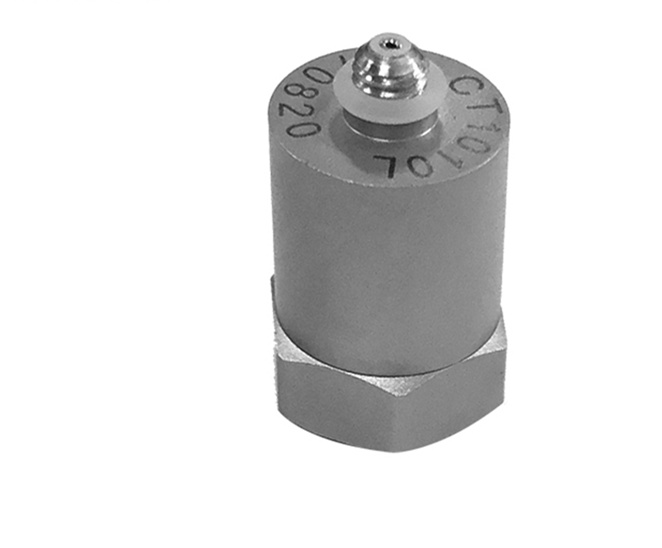
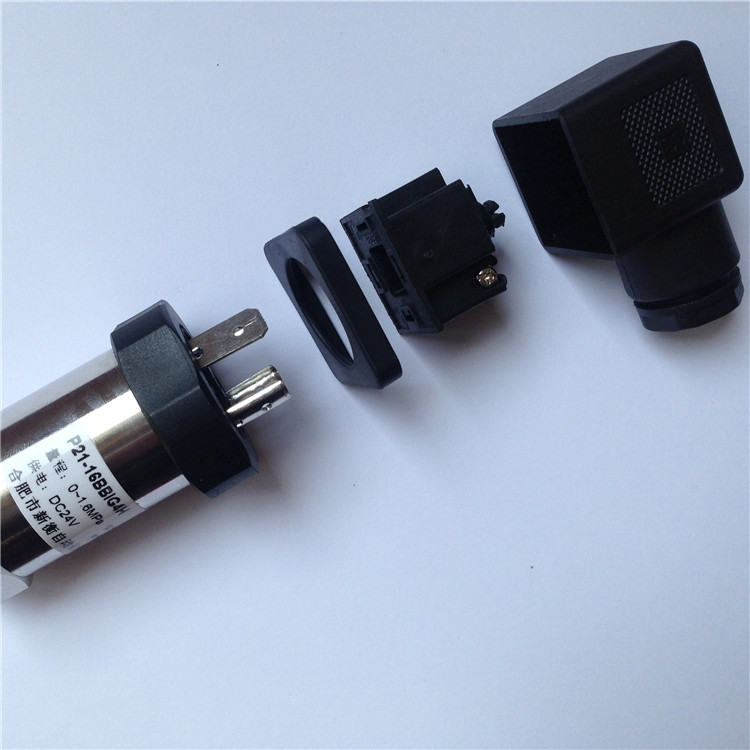
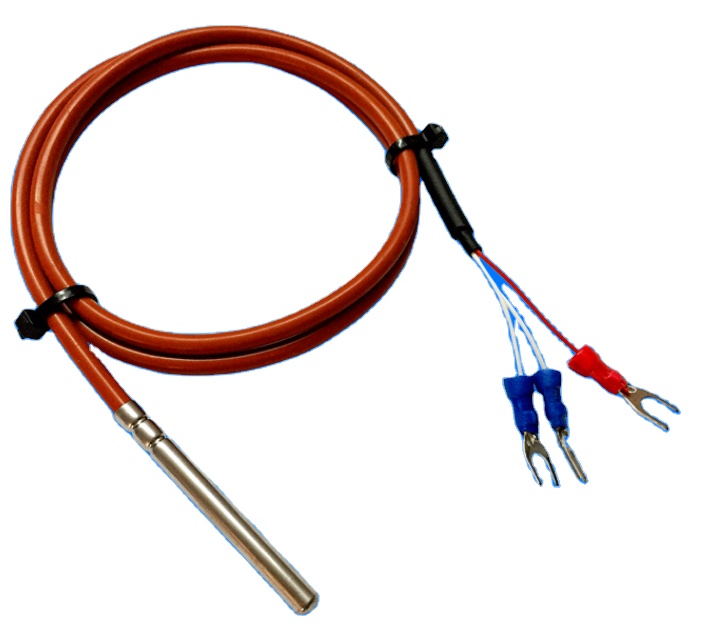
Collaborating with local initiatives across Swedish agricultural research centers, our panels and companion waterproof sensors (such as our PT100 and diffusion pressure sensors) endure freezing outdoor conditions down to -40°C while maintaining tactile responsiveness.
Grid Automation & Heavy Electrification
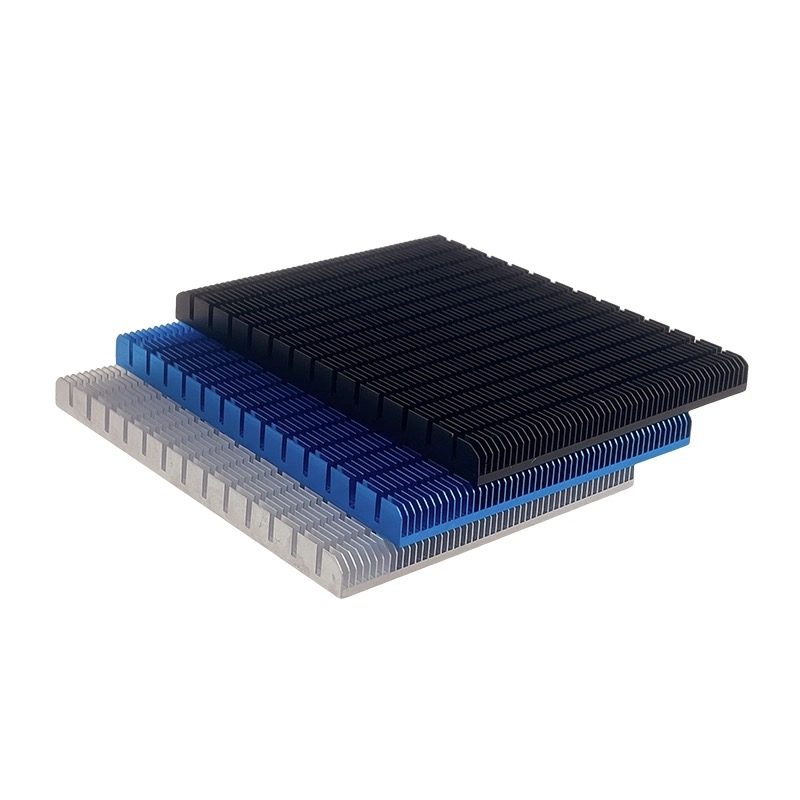
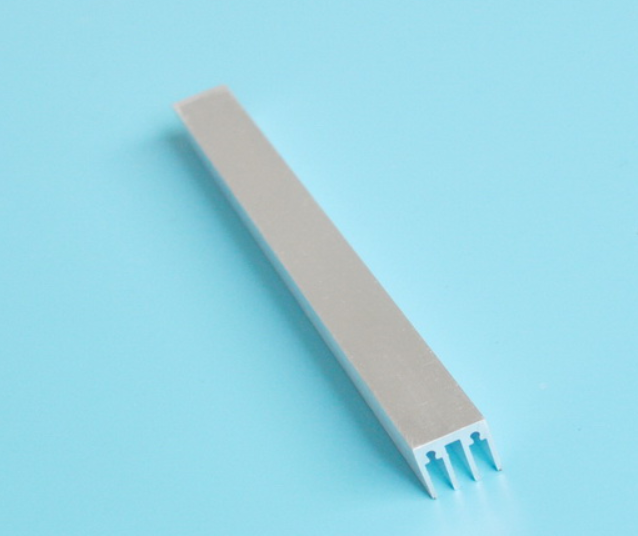
With Sweden rapidly expanding battery energy storage and smart distribution substations, our integrated aluminum heatsinks and flame-retardant (UL94 V-0) front overlays provide physical security, heat dissipation, and intuitive operational interfaces for field engineers.
Regional Market Trends
Emerging HMI and Front Panel Technologies in Scandinavia
The Scandinavian electronics procurement model is rapidly shifting towards consolidation. Historically, an Uppsala-based hardware company had to source bare CNC aluminum brackets from local workshops, graphic overlays from central Europe, and PCB assemblies from Asian fabricators. This multi-tiered model frequently led to assembly misalignment, mismatched thermal expansion tolerances, and extended revision cycles.
Current industrial trends demonstrate three distinct evolutions:
- Consolidation of Turnkey HMI Modules: Swedish buyers increasingly seek a unified vendor capable of delivering fully tested front panel assemblies—complete with graphic overlay, embossed tactile snap-domes, display windows, embedded multi-layer PCBA, and mounting studs pre-installed. Mivo Electronics supports this lean methodology by executing the entire assembly under one roof in Shenzhen.
- Dead-Front and Selective Lighting Architecture: Modern laboratory instruments now mandate sleek, minimalist aesthetic panels where indicators, alarm thresholds, and functional button legends remain completely invisible until backlit by precision SMD LEDs. Achieving high light opacity across adjacent cutouts requires exact multi-pass screen printing and precision laser-cut light baffles.
- Eco-Responsible Manufacturing Documentation: Uppsala engineering leaders scrutinize the lifecycle carbon cost and chemical compliance of imported materials. We proactively provide full chemical declarations, non-conflict mineral documentation, and optimized packaging footprints to minimize logistics emissions entering Arlanda Airport (ARN).
Why Partner With Mivo Electronics
Direct Onsite-Verified Manufacturer in Shenzhen
Engineered for low-friction overseas communication, rapid engineering reviews, and guaranteed traceability.
Verified Supplier Credentials
Our manufacturing plant has undergone comprehensive onsite checks by Alibaba.com and independent third-party audit verification. Operating from Shenzhen’s core industrial hub, we maintain an active 4.7/5 buyer rating over 8 years of uninterrupted international trade.
Prototype Flexibility from 5 Pcs
We break the barrier of high minimum order quantities. Uppsala startups and R&D laboratories can pilot experimental designs, testing fit, finish, and electronic functionality starting from just 5 pieces before scaling into production volumes of thousands.
Transparent Supply Chain & BOM Sourcing
Integrated component sourcing through Shenzhen's premier distribution pipelines guarantees original parts. Should lifecycle obsolescence impact your BOM, our engineers propose verified cross-reference alternatives and wait for your written sign-off.
Rigorous In-House DFM Auditing
Before launching toolmaking, laser cutting, or screen emulsion, our DFM department reviews your CAD, Gerber, and vector artwork files for trace impedance, actuation travel tolerances, adhesive bleeding risks, and thermal dissymmetry.
Procurement Guidance
Frequently Asked Questions for Uppsala Importers
Clear, direct answers regarding logistics, compliance, customization, and lead times.
How do you manage customs clearance, VAT, and deliveries to Uppsala?
We regularly ship directly to Swedish business destinations under DAP (Delivered at Place) or DDP (Delivered Duty Paid) Incoterms. Air express shipments (via DHL Express, FedEx, or UPS) transit from our Shenzhen facility to Stockholm Arlanda Airport (ARN) in 3 to 5 business days, clearing Swedish Tullverket customs swiftly with complete commercial invoices, HS codes (such as 8537.10 for switch panels or 3926.90 for plastic overlays), and origin declarations.
Can you provide full chemical compliance documentation for medical device cleanroom use?
Yes. Swedish life science and medical technology OEMs face strict audits under MDR (EU Medical Device Regulation) and environmental directives. We provide certified RoHS 3, REACH SVHC declarations, and technical datasheets for our Autotex® polyester films, 3M medical-grade acrylic adhesives, and solder alloys used in PCBA sub-assemblies.
What design files are required to initiate an engineering review and quotation?
To generate an accurate DFM review and quotation within 24 hours, please supply:
(1) Vector graphic artwork (Adobe Illustrator .AI, PDF, or EPS with Pantone/RAL color codes),
(2) Mechanical CAD drawings (.DXF, .DWG, or .STEP) indicating embossing profiles, window cutouts, and stud locations,
(3) If integrated with electronics: Gerber RS-274X data and a structured BOM.
What is your typical turnaround time from design approval to delivery?
Prototype samples for custom printed front panels typically ship within 7 to 10 working days following final drawing confirmation. Production batch orders typically ship in 2 to 3 weeks, depending on whether specialized CNC aluminum backing plates or complex multi-layer PCBA assemblies are integrated.
How do your tactile switches and graphic overlays withstand low-temperature operations?
We use high-reliability stainless steel snap domes (nickel or gold-plated) tested for over 1,000,000 operational cycles, combined with cross-linked acrylic adhesive systems rated down to -40°C. This ensures zero membrane stiffening, adhesive shear failure, or actuation delay during harsh Swedish winter cold-starts.