Industrial-Grade Electronics & Electro-Mechanical Subsystems
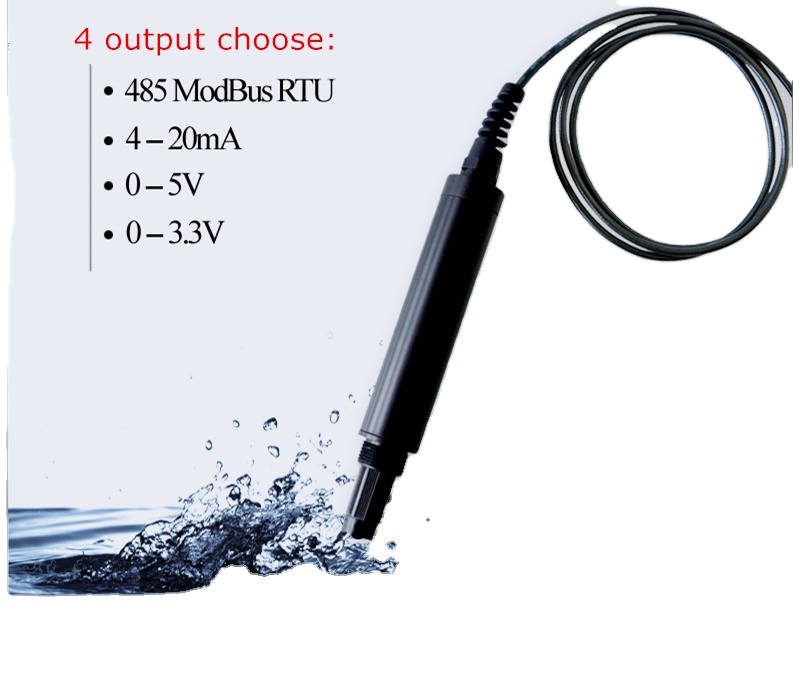
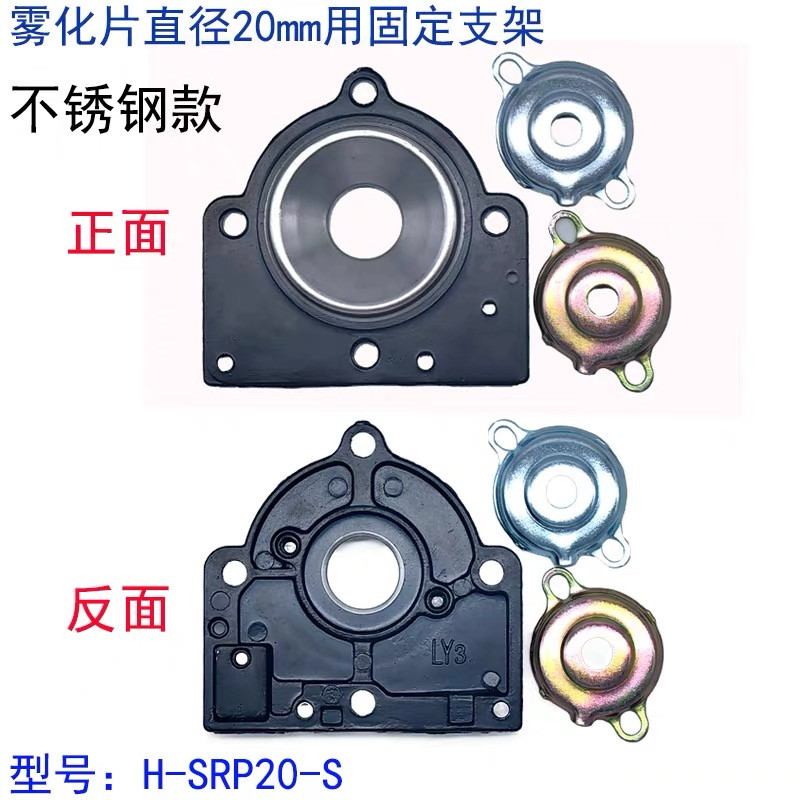
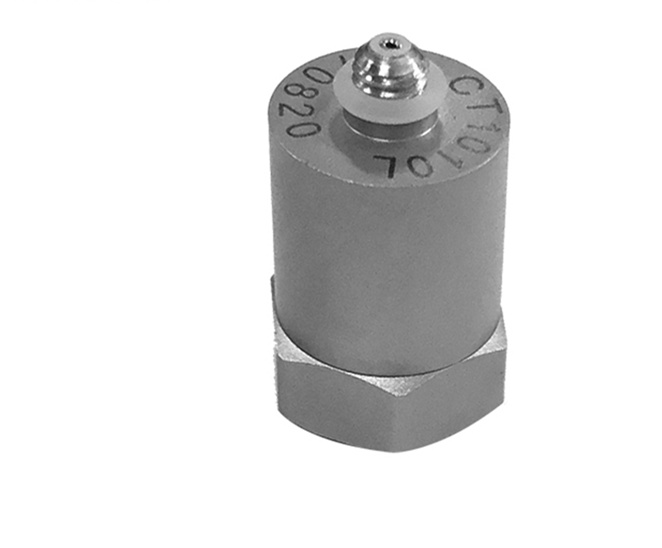
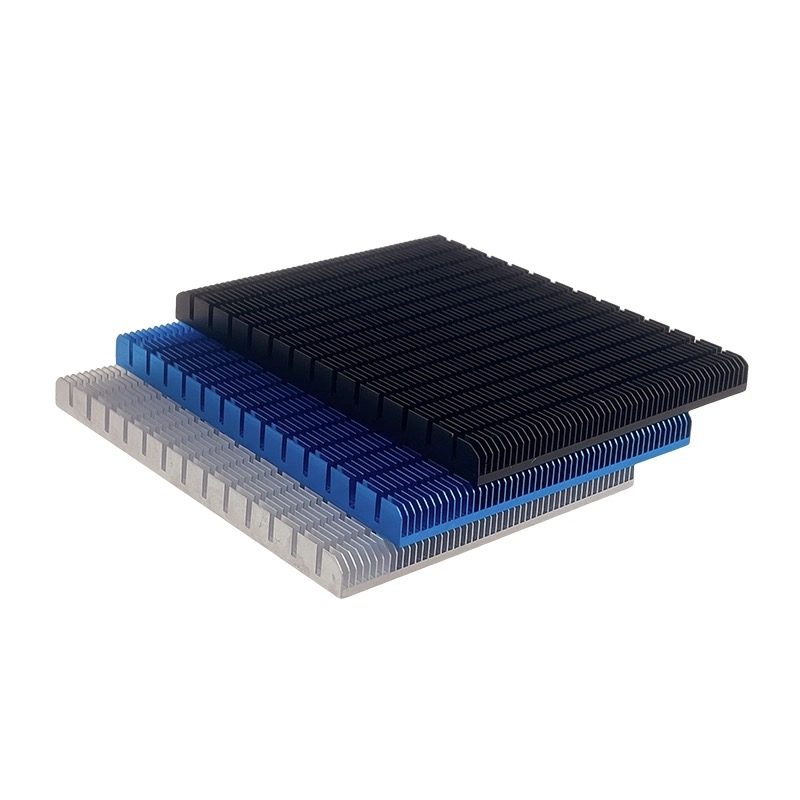
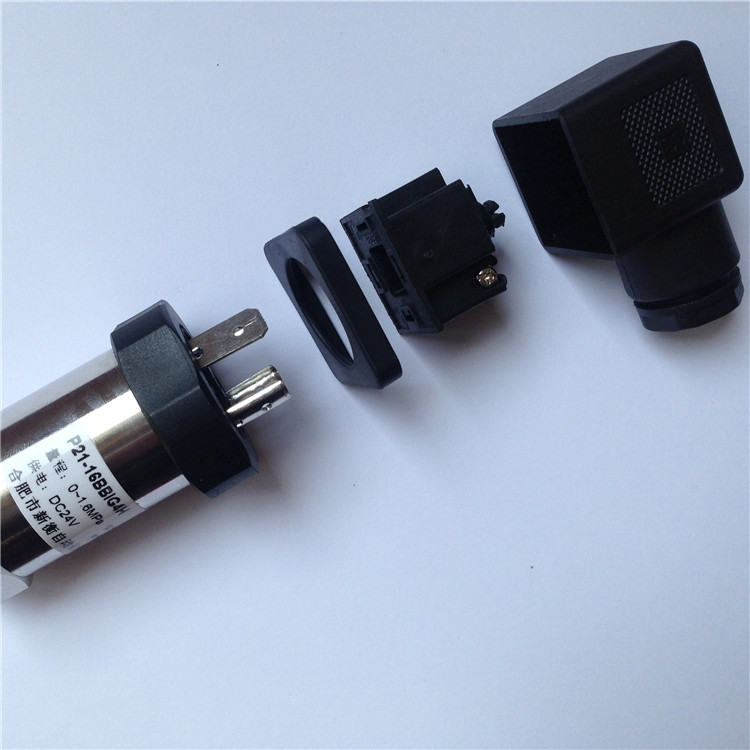
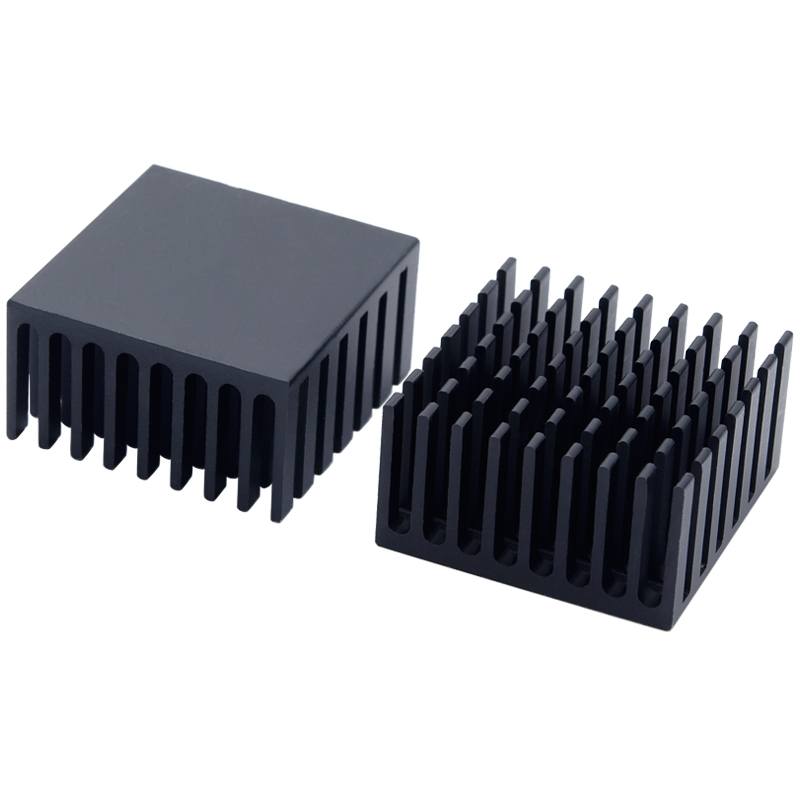
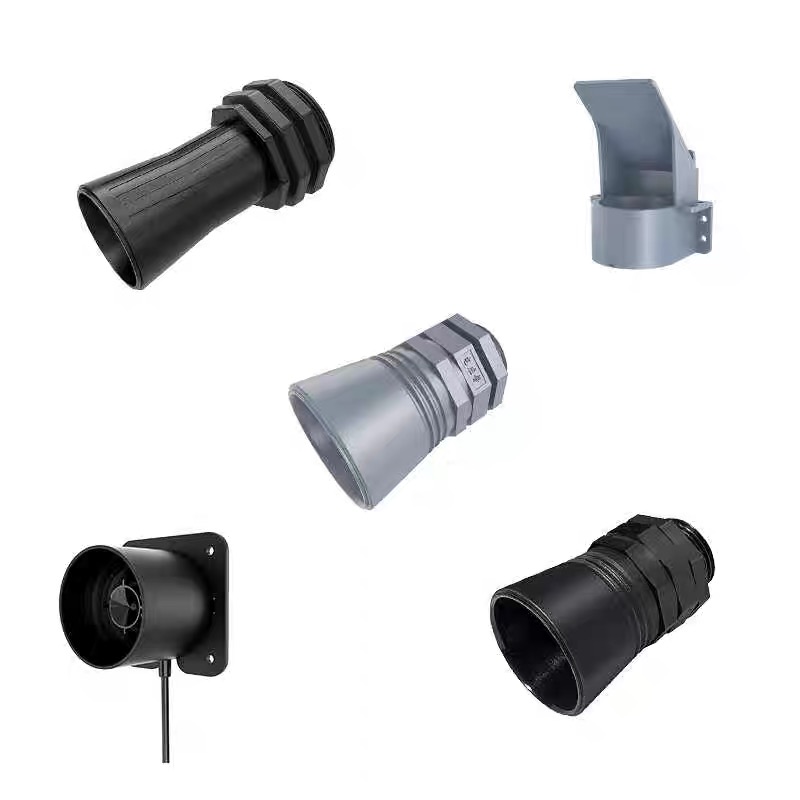
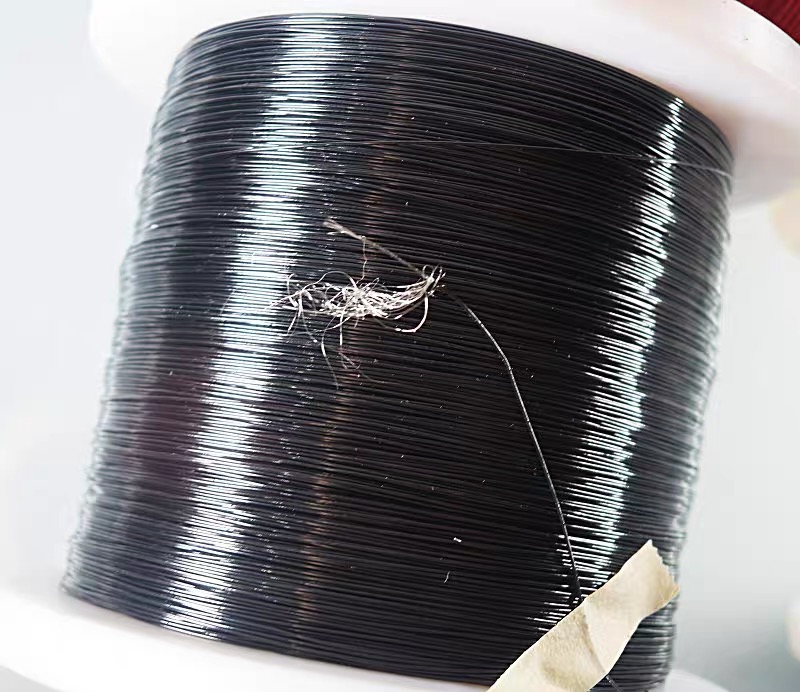
Engineered to complement high-density rigid-flex PCB assemblies, our complete line of sensors, precision thermal dissipators, and micro-cabling provides high dynamic durability in Nevada’s harsh environmental operational profiles.
Engineering Rigid-Flex Solutions for Las Vegas Hardware Innovators
Overcoming electro-mechanical volumetric constraints, thermal dissipation stress, and RF signal integrity degradation in the Mojave Desert's unique manufacturing and testing climate.
Structural Anatomy & Material Selection for Rigid-Flex Stacks
Rigid-Flex Printed Circuit Boards represent the pinnacle of modern electrical packaging, hybridizing the mechanical rigidity of polyimide/FR-4 multi-layer boards with the three-dimensional routing versatility of adhesiveless flexible copper clad laminates (FCCL). For engineers operating within Clark County, Nevada—stretching from the aerospace proving corridors near North Las Vegas to the mission-critical embedded gaming development hubs of Henderson and Southwest Las Vegas—eliminating wire harnesses and multi-pin board-to-board mating pairs is central to boosting Mean Time Between Failures (MTBF).
Our standard IPC-6013 Type 4 multi-layer builds incorporate adhesiveless cast polyimide cores (ranging from 0.5 mil to 2 mil) combined with electro-deposited or rolled-annealed (RA) copper foil. Where tight-bend radii and multi-cycle dynamic flexing are mandated, Rolled Annealed (RA) copper provides superior crystalline elongation, mitigating micro-fracturing along bend axes under persistent harmonic excitation.
| Engineering Parameter | Standard Capability | Advanced / Aerospace Tolerances |
|---|---|---|
| Layer Count (Rigid / Flex Transition) | 2 – 16 Layers (Up to 4 Flex Layers) | 18 – 32 Layers (Buried/Blind Microvia, Staggered Flex) |
| Dielectric Material System | FR-4 High-Tg (Tg 170-180°C) + Polyimide PI Core | Rogers 4350B / Megtron 6 + Adhesiveless Dupont Pyralux AP |
| Controlled Impedance Tolerance | ±10% (Single-Ended & Differential) | ±5% (Precision Laser-Trimmed Reference Stacks) |
| Min Trace / Spacing (Rigid Zone) | 3 mil / 3 mil (75μm / 75μm) | 2 mil / 2 mil (50μm / 50μm) (Semi-Additive SAP Ready) |
| Dynamic Bend Radius Ratio | 10x to 15x Stack Thickness | 6x Stack Thickness (Single layer balanced flex core) |
| Surface Metallurgy | ENIG (Electroless Nickel Immersion Gold) | ENEPIG (Electroless Nickel Electroless Palladium Immersion Gold) / Hard Gold |
Next-Gen Gaming & Casino Hardware
Las Vegas is the undisputed international capital of casino entertainment and computerized gaming machinery. Modern electronic gaming machines (EGMs) demand dual curved 4K screens, haptic feedback pushbuttons, mechanical reels, and integrated biometric currency verification.
- Eliminates prone-to-failure internal wiring harnesses inside tight chassis enclosures.
- Zero latency, high-density trace routing connecting GPU mainboards to player-tracking displays.
- Immunity to localized high-frequency EM fields generated by coin sorters and token dispensing motors.
Nevada Defense, UAV & Test Range Systems
Surrounded by aerospace test ranges, autonomous drone test beds, and military proving grounds (Nellis AFB and Creech AFB corridors), Nevada contractors require MIL-PRF-31032 and IPC-6013 Class 3 high-reliability builds.
- Lightweight structural integration for fixed-wing and VTOL sensor gimbals and avionics.
- Thermal expansion resilience from -40°C in high-altitude sorties to +55°C desert surface heat.
- Elimination of cold solder joints caused by intense airframe harmonic resonance and g-force shock.
Clean Energy & Battery Storage Stations
Nevada’s massive utility-scale photovoltaic solar parks and battery energy storage facilities (BESS) require intelligent, space-saving battery management systems (BMS) with high thermal dissipation capabilities.
- Rigid-flex interconnect strips directly embedded inside cylindrical and prismatic cell modules.
- Monolithic connection eliminating crimped wire connections subjected to intense battery cycling.
- Combined with aluminum heat sinks and precision thermal probes for runaway heat mitigation.
Emerging Technology Trends Across the Las Vegas Industrial Basin
Strategic hardware considerations for engineering teams specifying multi-layer rigid-flex interconnects in the Mountain West region.
1. Convergence of High-Frequency RF with Micro-Flex
With Las Vegas becoming a proving ground for smart city infrastructure, autonomous mobility along the resort corridor, and mmWave private 5G networks, standard FR-4 dielectric losses are no longer viable. Local hardware designers are increasingly shifting to hybrid substrate stackups: integrating low-loss hydrocarbon ceramics (such as Rogers 4003C or Panasonic Megtron 6) on external rigid layers while utilizing fluoropolymer or modified polyimide flex cores to preserve high-gigahertz signal purity. This hybrid construction mitigates insertion loss and preserves eye-diagram integrity on PAM4 high-speed serial links.
2. Desert Climate Thermal Stress (Mohave Profile)
Southern Nevada experiences extreme daily thermal cycling, frequently swinging by 40°F (22°C) in a single diurnal cycle, with ambient operating environments within uncooled industrial enclosures reaching 130°F (55°C). When non-adhesiveless polyimide coverlays are paired with improper CTE (Coefficient of Thermal Expansion) rigid materials, Z-axis expansion induces catastrophic stress on via barrels. Shenzhen Mivo Electronics implements adhesiveless flex materials with high glass transition points (Tg > 180°C), along with tear-drop trace transitions and filleted pads, guaranteeing crack-free via barrels through more than 1,000 thermal shock cycles (-40°C to +125°C).
Why Las Vegas Procurement Teams Partner with Shenzhen Mivo Electronics
Combining the agile, cost-efficient ecosystem of Shenzhen’s world-renowned electronics manufacturing hub with verified North American trade integrity and IPC-compliant standard operating procedures.
Onsite-Verified Manufacturer
Unlike trading intermediaries, our factory premises in Yuanshan Street, Shenzhen have completed stringent onsite checks by third-party verification authorities and Alibaba.com auditors. With 51–100 skilled production personnel, we maintain transparent control across fabrication, SMT assembly, and optical testing.
Agile MOQ: From 5 Pieces
We solve the rapid development bottleneck for Nevada startups and skunkworks R&D divisions. Prototyping and custom turnkey PCBA runs begin at just 5 pieces, transitioning smoothly to high-volume production batches (100 to 10,000+ pieces) without requiring file transfers or re-tooling across vendors.
Single-Point Accountable Turnkey
Avoid disjointed multi-vendor finger-pointing. We fabricate the bare rigid-flex boards, laser-cut custom SMT stencils, procure genuine BOM active components directly through certified channels, execute surface-mount assembly, and build specialized sensor harnesses all under one roof.
8-Year Proven Export Record
Boasting a verified 4.7 out of 5 customer rating over eight consecutive years of international trade, our logistics division ensures DDP air courier delivery directly to Harry Reid International Airport (LAS) hubs, complete with ESD-shielded packaging, customs clearance, and full trace documentation.
Frequently Asked Questions by Las Vegas Hardware Buyers
Key technical, contractual, and logistics answers for Nevada engineering leads and supply chain executives.
We implement strict Design For Manufacturability (DFM) rules at the rigid-to-flex overlap junction. First, we mandate an overlap of coverlay onto the rigid laminate by at least 1.0mm. Second, we integrate a gradual radius bead of flexible acrylic or polyurethane strain relief along the interface edge. Crucially, plated vias are restricted within 2.5mm of the transition zone, and trace orientations are shifted slightly to enter the bend zone perpendicularly with curved teardrop pads rather than abrupt 90-degree transitions.
To provide an expedited and accurate quote within 24 hours, our engineering office requires: (1) Complete Gerber files in RS-274X format or ODB++ database including separate drill files; (2) Mechanical layer drawing specifying flex regions, stiffener locations (FR4 or stainless steel/aluminum), and overall thicknesses; (3) Detailed stack-up drawing highlighting controlled impedance tracks; and (4) Structured BOM in Excel including Manufacturer Part Numbers (MPN) if turnkey component assembly and sensor integration is required.
Yes. Operating within Shenzhen's central electronic trading corridors, our procurement office maintains direct distribution agreements with authorized distributors (such as Arrow, Avnet, and original tier-1 Chinese semiconductor factories). For obsolete or constrained silicon parts, we submit comprehensive pin-to-pin, electrical-equivalent cross-reference options for written buyer engineering sign-off prior to mounting. We also integrate complementary sensors (such as PT100 temperature probes, vibration transducers, and coaxial micro-cables) to deliver fully integrated electro-mechanical sub-assemblies.
Prototype rigid-flex bare boards typically complete production in 7 to 9 business days; turnkey assembled PCBA prototypes require 12 to 15 business days depending on component availability. For shipping to Las Vegas, Henderson, and Reno, we partner with premier express carriers (DHL Express, FedEx Priority, and UPS Worldwide). Average transit time from our facility to your warehouse or lab bench in Las Vegas is 3 to 5 business days, supported by pre-cleared customs documentation under HS Code 8534.00.00.
Every production lot is subjected to a rigorous quality control regimen: 100% Automated Optical Inspection (AOI) on all internal and external copper layers, flying probe electrical continuity testing, solder mask/coverlay micro-section inspection, solderability testing, and X-ray inspection for BGA and concealed thermal pad soldering. We provide micro-section micrographs, Certificate of Conformance (CoC), and full test reports upon request with every commercial export.
Ready to Accelerate Your Rigid-Flex Hardware in Las Vegas?
Submit your Gerber packages, BOMs, and enclosure mechanical constraints today. Our senior engineering team conducts comprehensive DFM reviews and delivers competitive pricing within 24 hours.
Get a Quote