Integrated Precision Hardware & Sensor Solutions
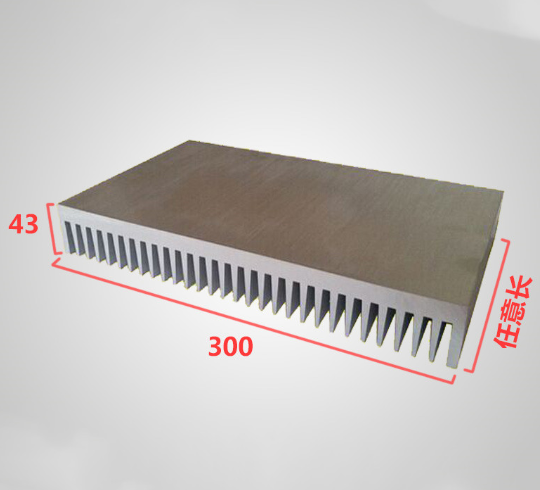
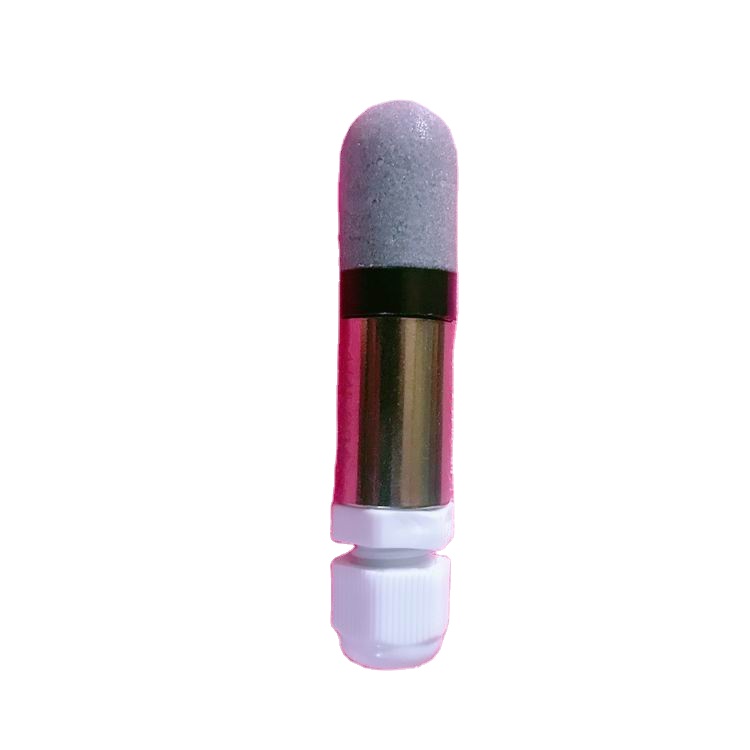
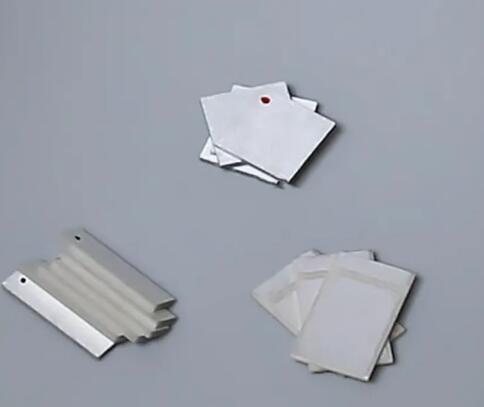
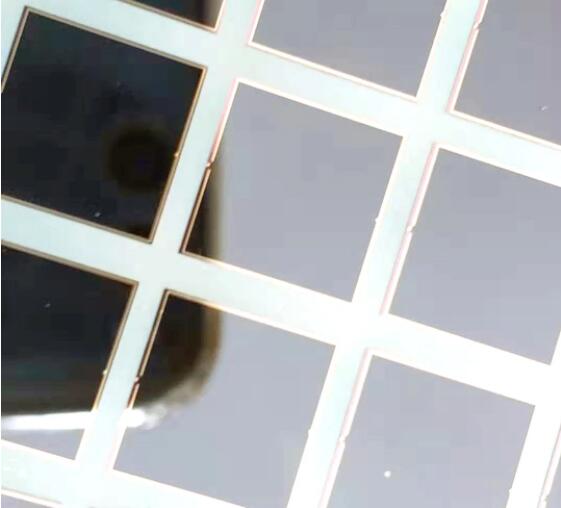
As a tier-one supplier bridging front-panel human-machine interfaces and internal PCBA architecture, our Shenzhen export manufacturing hub delivers industrial thermal dissipation plates, hermetic sensor packaging, piezo components, and precision optoelectronics engineered to integrate seamlessly beneath graphic polyester overlays.
Technical Synthesis: Why Polyester (PET) Overlays Outperform Polycarbonate
In harsh industrial, commercial medical, and precision automation environments, the outer graphic layer represents the critical frontline barrier protecting sensitive internal circuitry, tactile metal domes, and embedded PCBA assemblies. While legacy front panels frequently opted for amorphous Polycarbonate (PC) due to initial tooling ease, biaxially-oriented Polyethylene Terephthalate (PET) overlays have become the benchmark standard for high-reliability human-machine interfaces across global export markets.
Polyester delivers an exceptional flexural fatigue threshold exceeding 5,000,000 switch actuations without exhibiting flex cracking, crazing, or mechanical failure, compared to approximately 100,000 to 300,000 cycles for standard polycarbonate. Furthermore, PET provides superior solvent barrier resistance against industrial hydrocarbons, synthetic lubricants, household chemicals, alcohol sterilization wiping routines, and harsh MEK-based agents. Mivo Electronics integrates specialized surface texturing (fine velvet, brushed hairline, anti-glare, and scratch-resistant hard-coats) via state-of-the-art silk-screen and digital UV sub-surface printing, ensuring legends and graphics remain forever impervious to abrasion, moisture ingress, and chemical degradation.
Future Procurement & Technological Trends in Polyester Overlays
Strategic global supply chains require forward visibility into raw material stability, process integration, and regulatory compliance. The following technological shifts define next-generation front panel design and contract manufacturing.
1. Transition to In-Mold Electronics (IME)
Procurement teams are shifting away from mechanical button assemblies toward structurally integrated 3D smart surfaces. By fusing screen-printed conductive polyester graphic overlays with thermoformed plastic chassis and surface-mount sensors, IME eliminates mechanical hardware, reduces assembly depth by up to 70%, and produces sealed IP67/IP69K enclosures suited for sterile medical and harsh automotive environments.
2. Advanced Antimicrobial & UV Hard-Coats
Post-pandemic medical diagnostic instruments, commercial food processing interfaces, and outdoor industrial kiosks demand long-term biological and solar resistance. Sourcing trends highlight PET films integrated with non-migratory silver-ion or organic biocidal coatings that actively eliminate 99.9% of pathogen colonies, coupled with advanced UV stabilizers preventing yellowing and embrittlement under outdoor exposure.
3. Low-Embossing Tactile Domes & Capacitive Touch
The modern UI paradigm demands hybrid functionality: high-reliability tactile feedback for mission-critical activation alongside low-profile capacitive slider or touch zones on the same continuous polyester sheet. Advanced manufacturing relies on precision hydro-forming or precision CNC die-cutting to create crisp rim, pillow, or custom tactile embossing without micro-fracturing the polyester crystal matrix.
4. Single-Source Mechatronic Turnkey Assembly
Managing disparate vendors for die-cut graphic overlays, bare printed circuit boards, and electronic component placement creates supply chain vulnerabilities and interface mismatches. Leading tier-one procurement heads now consolidate orders with turnkey manufacturers capable of engineering the exterior overlay, underlying FPC/Rigid PCBA, internal thermal sinks, and custom sensor wiring harnesses under one umbrella.
5. High-Transmission Optical Display Windows
With color OLED, TFT, and capacitive touch displays increasingly mounted flush behind the front overlay, demand has surged for optically clear PET windows with anti-reflective (AR), anti-glare (AG), and anti-fingerprint (AF) finishes. Selective UV-cured textures allow matte bezels for the surrounding frame while maintaining water-clear 92%+ light transmission windows directly above digital displays.
6. Eco-Friendly Bio-Based Resins & Recycled PET
Stringent European and North American environmental directives (RoHS 3, REACH, and emerging circular economy mandates) are compelling manufacturers to qualify post-consumer recycled (rPET) and non-petroleum bio-based substrates that preserve the mechanical tensile strength and optical fidelity of virgin resins while reducing product carbon footprints.
Engineering Matrix: Substrate Selection for Industrial Interfaces
Review the mechanical, chemical, and physical parameters between standard industrial front-panel substrate materials to make informed engineering and design selections.
| Performance Metric | Biaxially-Oriented Polyester (PET) | Polycarbonate (PC) | Polyvinyl Chloride (PVC) | Acrylic (PMMA) |
|---|---|---|---|---|
| Flexural Fatigue Life | > 5,000,000 actuations | 100,000 – 300,000 actuations | Low (Prone to hardening) | Rigid (Not flexible) |
| Chemical & Solvent Resistance | Excellent (Resists MEK, alcohol, oils, acids) | Moderate (Attacked by aromatic solvents) | Moderate (Vulnerable to ketones & esters) | Moderate (Stress-cracks with alcohol) |
| Operating Temperature Range | -40°C to +150°C | -30°C to +125°C | -10°C to +60°C | -20°C to +85°C |
| Embossing & Tactile Retention | Exceptional memory retention | Acceptable (Tends to relax over time) | Poor (Deforms under repeated load) | Not Applicable |
| Tensile Strength (Yield) | 170 – 200 MPa | 60 – 70 MPa | 40 – 55 MPa | 65 – 75 MPa |
| Dielectric Strength | 150 – 200 kV/mm | 30 – 35 kV/mm | 20 – 25 kV/mm | 20 – 30 kV/mm |
| Recommended Primary Applications | Industrial automation, medical HMI, automotive | Low-cycle commercial bezels, toy graphics | Short-life disposable cards, signage | Display lenses, rigid instrument clusters |
Why Global Tier-1 Brands Source from Shenzhen Mivo Electronics
Based in Shenzhen, Guangdong, China—the global epicenter of electronics hardware manufacturing—Shenzhen Mivo Electronics Co., Ltd. combines precision overlay converting with full-stack PCBA, sensor engineering, and mechatronic assembly.
Onsite-Verified Manufacturing Facility
Founded in 2016 and employing 51 to 100 experienced personnel across 500 square meters of specialized production floor, our facilities have undergone strict onsite inspection by third-party verification companies and international accreditation partners. With 8 years of export history on premier global trading platforms, our operations maintain an exceptional 4.7 out of 5.0 customer satisfaction rating.
Complete Mechatronic Integration
Unlike printing shops that handle only flat graphic films, Mivo Electronics engineers entire turnkey assemblies. We match polyester overlays with underlying multilayer FR-4 circuit boards, aluminum-core MCPCBs for high thermal load dissipation, and flexible printed circuits (FPC). Our surface-mount technology (SMT) and through-hole soldering lines allow us to fabricate the underlying circuit, source every electronic active/passive component, mount precision tactile switches, and complete automated optical inspection (AOI) all under one roof.
Low Prototype MOQ & Agile Engineering Support
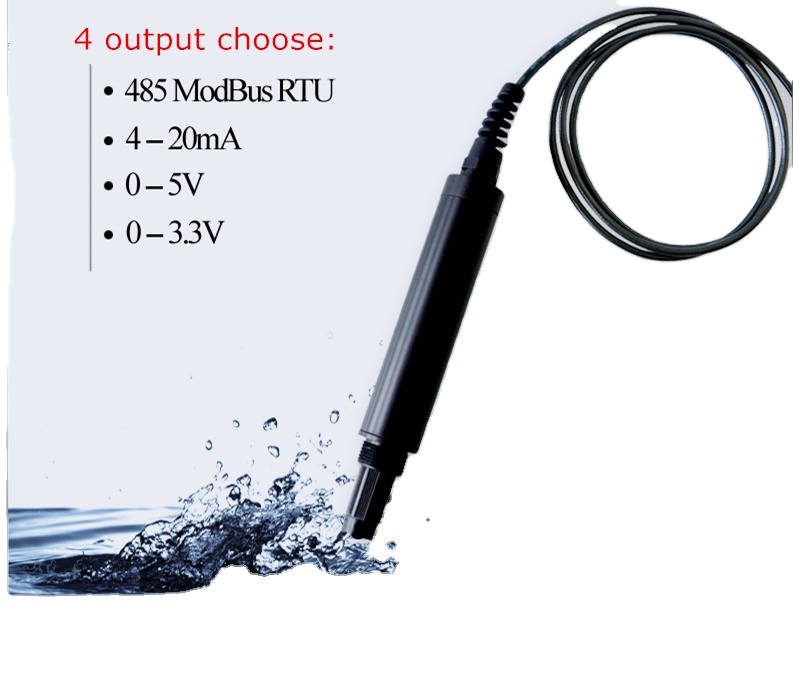
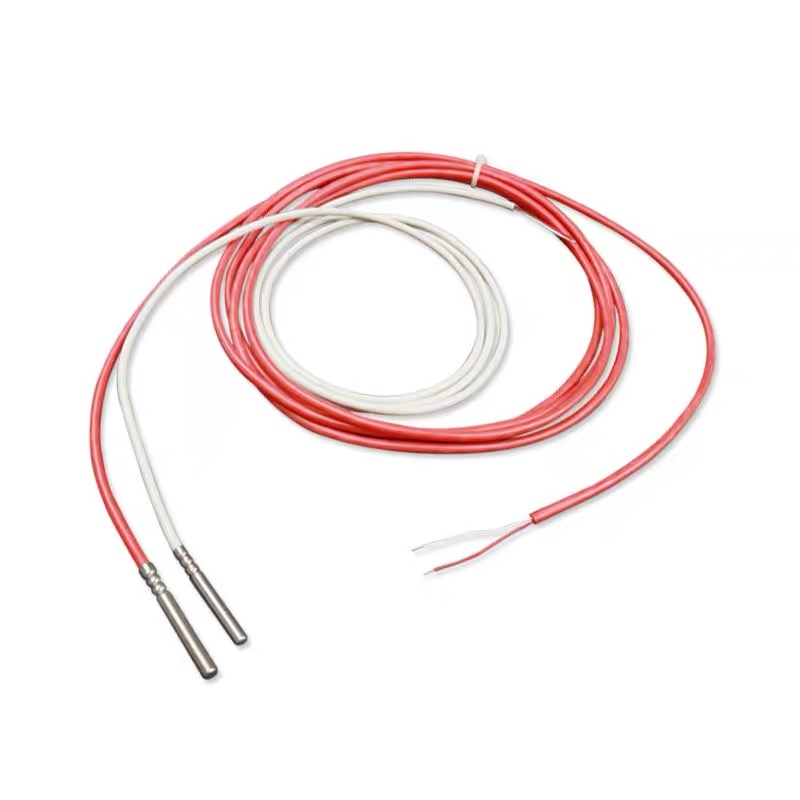
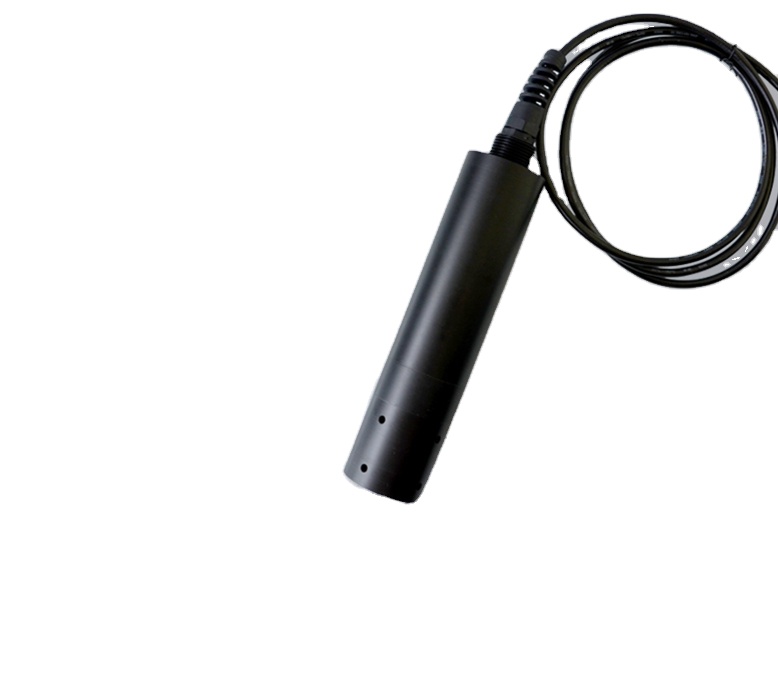
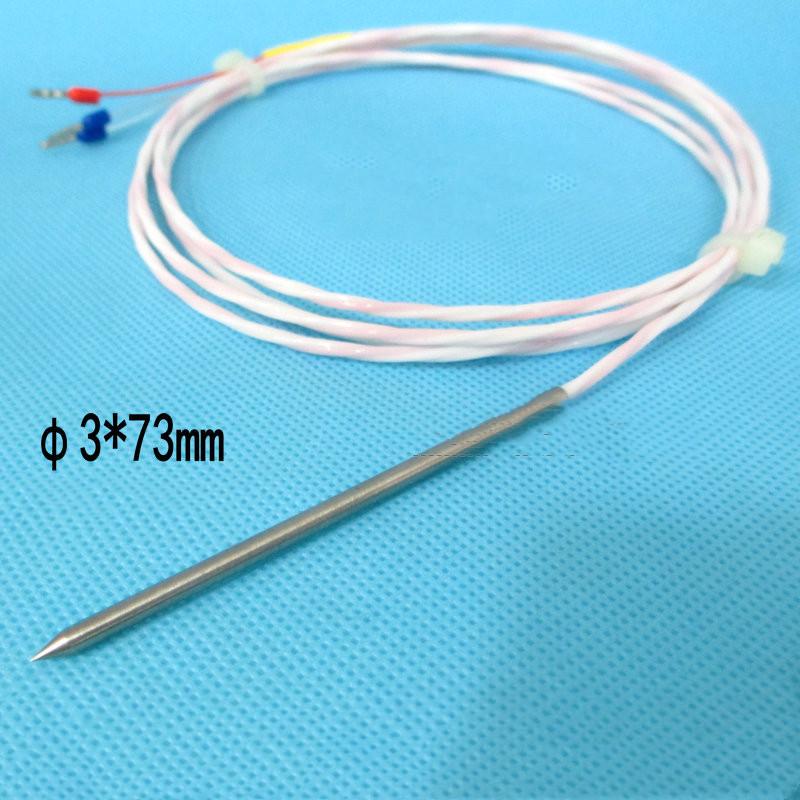
We believe cutting-edge innovation shouldn't be stalled by massive initial batch commitments. Custom prototype PCBA and graphic overlay development projects start from just 5 pieces, bare circuit fabrication from 100 pieces, and specialized industrial sensor probes from 10 pieces. Our English-speaking engineering team conducts thorough DFM (Design for Manufacturability) audits on your Gerber files, BOM component parts, and graphic vector drawings to catch dimensional, polarity, and clearance discrepancies prior to tooling release.
Frequently Asked Questions (FAQ) for Overseas B2B Buyers
Detailed answers addressing substrate selection, adhesive specifications, quality certifications, and lead times.
What technical engineering files are required to initiate custom polyester overlay and PCBA fabrication?
Which pressure-sensitive adhesives (PSA) are recommended for polyester overlays in harsh environments?
How does Mivo Electronics ensure color consistency across high-volume repeat production runs?
Can Mivo Electronics source active and passive components if our BOM contains obsolete parts?
What are standard lead times for custom tooling, prototypes, and bulk export shipments?
Accelerate Your Product Pipeline with China’s Leading Overlay & Electronics Manufacturer
Partner directly with an onsite-verified Shenzhen manufacturing powerhouse. Whether you need 5 prototype units or 500,000 production assemblies, our engineering group is on standby to analyze your Gerber, BOM, and artwork packages.
Inquire Now