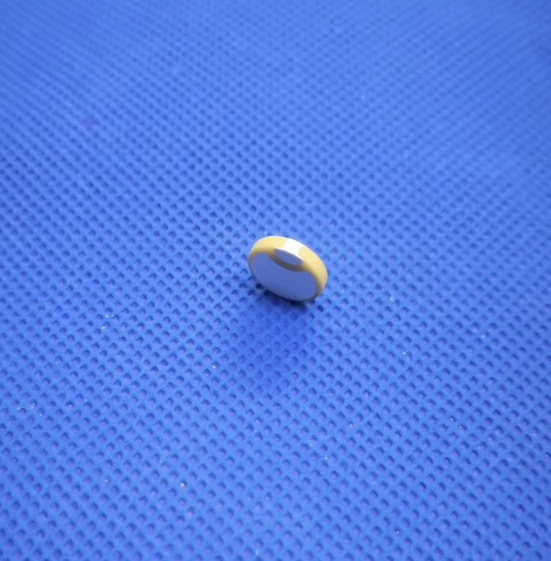
Acoustic Sensor
Ultrasonic Piezoelectric Ceramic Disc 10*2.03mm-PZT5 Crystals
1MHz piezo sensor elements optimized for precision industrial ultrasonic cleaning, sonar transmitters, and fluid telemetry chips.
Engineered to pair seamlessly with metal dome keypads, control consoles, and telemetry mainboards across Australian mining, water quality, and automation platforms.
1MHz piezo sensor elements optimized for precision industrial ultrasonic cleaning, sonar transmitters, and fluid telemetry chips.
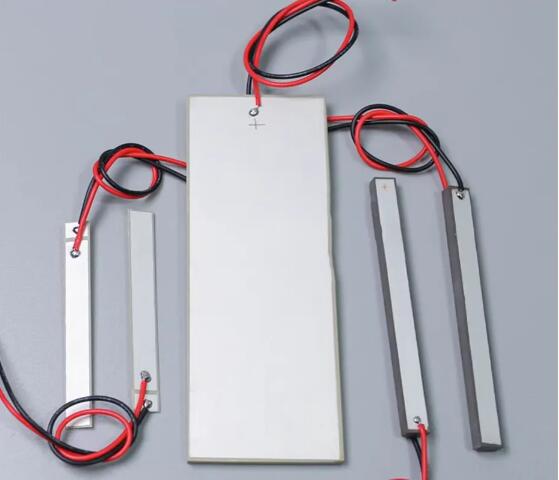
Experimental hydroacoustic transducer wafer for sonar ranging, vibration damping, and Australian maritime telemetry arrays.
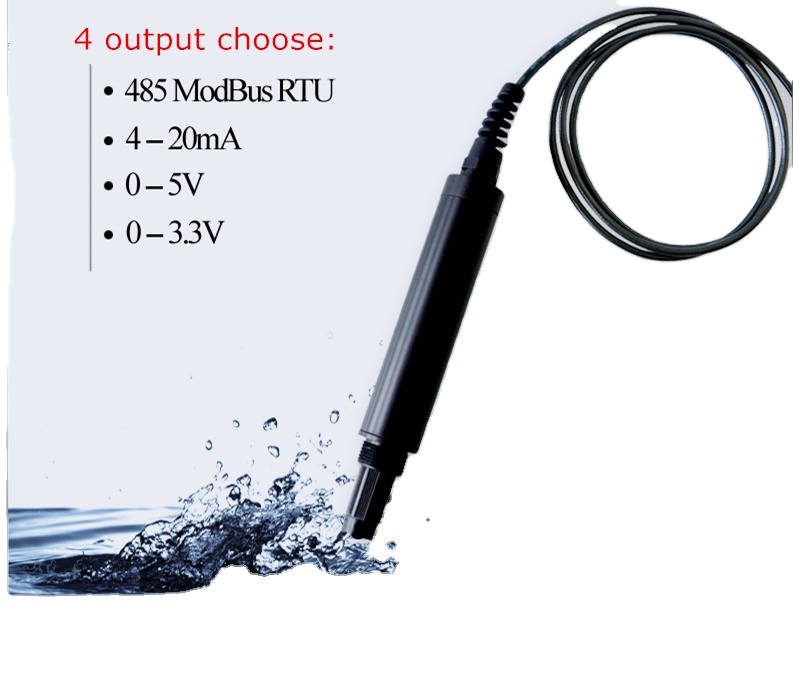
Submersible optical DO electrode with RS485 Modbus / 4-20mA output, calibrated for Australian aquaculture and river monitoring.
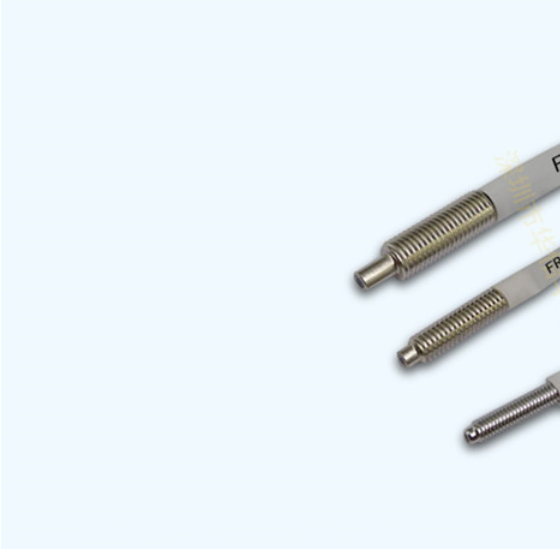
M3/M4/M6 optoelectronic sensor probe cable designed for high-density robotic positioning and automated packaging lines.
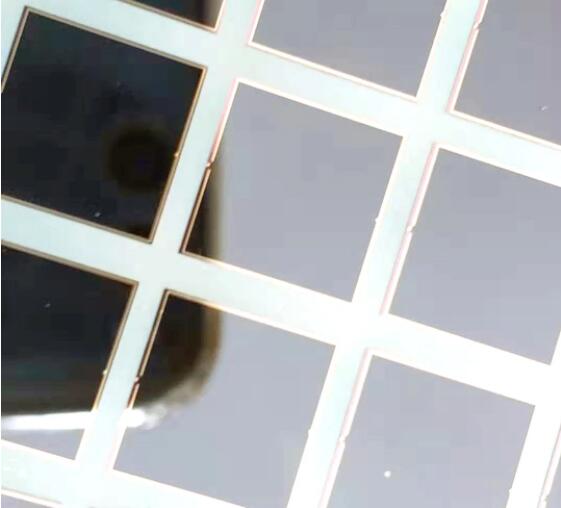
Common anode PN silicon photodiode bare wafer offering linear radiant sensitivity for solar monitoring and precision optical metrology.
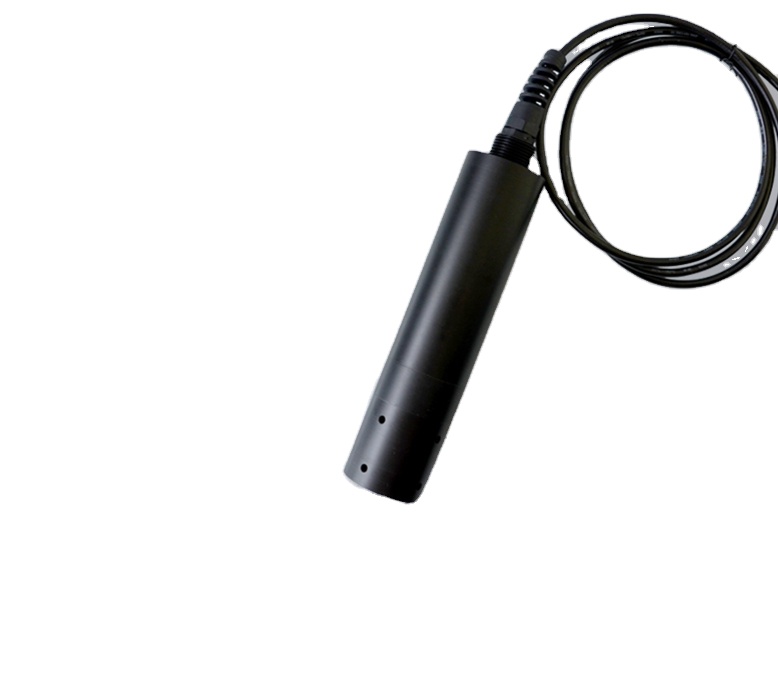
Industrial suspended solids and turbidity probe (4-20mA / 0-5V) engineered for mining slurry pits and municipal effluent testing.
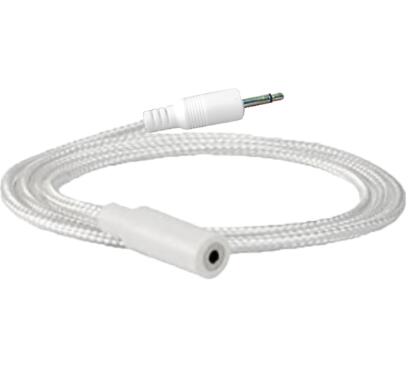
Conductive polymer sensing cable for commercial data centers, telecommunication exchanges, and smart building flood alerts.
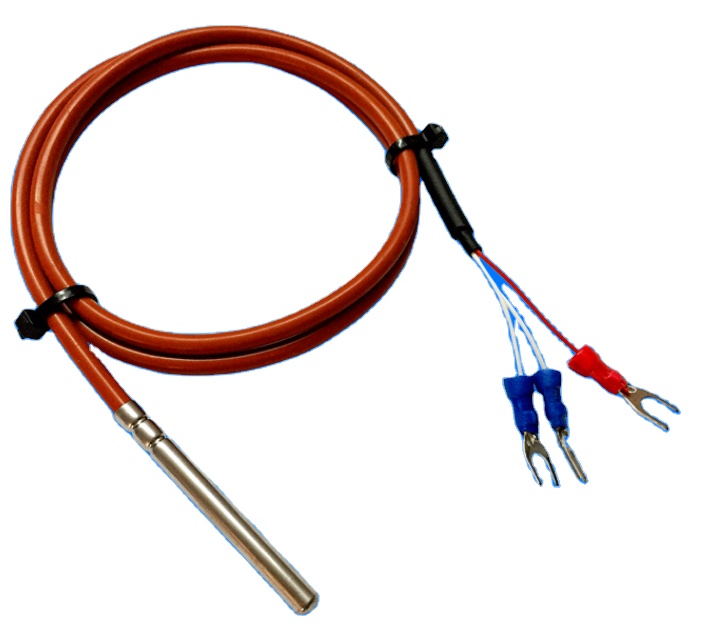
Silicone gel coated platinum resistance probe (1m to 5m leads), oil-proof and waterproof for Australian heavy machinery engines.
A comprehensive technical evaluation for Australian Original Equipment Manufacturers (OEMs), electronic design consultancies, and procurement leads sourcing tactile HMI assemblies.
In high-stakes industrial human-machine interfaces (HMIs), tactile sensation is not merely an aesthetic consideration—it is a functional safety imperative. For operators running mining excavators in Western Australia's Pilbara, surgical monitors in Sydney private hospitals, or irrigation controllers across regional New South Wales, positive mechanical feedback guarantees command registration without requiring visual verification. Metal dome keypads (often referred to as tactile membrane switches or snap dome arrays) represent the optimal equilibrium between rugged environmental sealing, shallow profile depth, and distinct physical actuation.
At Shenzhen Mivo Electronics Co., Ltd., our engineering methodology treats the metal dome switch as an integrated electromechanical system. Unlike standard non-tactile flat membrane keyboards that rely on flexible conductive inks contacting through a spacer void, a metal dome keypad incorporates stamped, temper-hardened stainless steel (SUS301 or SUS304) discs plated in bright nickel or selective gold. When depressed, the dome inverts instantaneously with a defined snap curve, closing the circuit across gold-plated or silver PCB contact fingers, before rebounding cleanly upon release.
Actuation Physics Note: Tactile ratio, defined as (Actuation Force − Contact Force) / Actuation Force, governs operator confidence. For heavy Australian industrial machinery, we engineer custom dome arrays with tactile ratios ranging between 45% and 65%, preventing both accidental triggers caused by heavy work gloves and phantom actuations driven by machine-borne vibration.
Modern metal dome keyboards deployed in Australia are rarely isolated parts; they are multi-tiered laminated sandwiches built to isolate conductive circuits from environmental degradation. The typical anatomy manufactured in our onsite-verified Shenzhen plant consists of six functional strata:
Autotex® XE or polyester (PET) film reverse-printed with automotive-grade inks. Features Class F1 UV stabilization to resist Australia's solar irradiance up to UV Index 14 without embrittlement or micro-cracking.
Optically clear PET carrier coated with pressure-sensitive adhesives (3M 200MP / 467MP / 300LSE). CNC cutouts locate each dome accurately within ±0.05mm of switch centerlines.
Four-leg, triangular, or oblong snap domes. Rated from 1,000,000 to over 5,000,000 switch operations, resisting stress corrosion cracking in high-humidity coastal and outback environments.
Micro-channeled venting cavities routed along unpopulated adhesive channels. Allows barometric air displacement during rapid dome compression without drawing external moisture or grit.
Polyimide Flexible Printed Circuits (FPC) with ENIG gold-plated pads or FR-4 multi-layer rigid boards. Enables direct surface-mount (SMT) integration of side-firing LEDs, microcontrollers, and ESD suppression diodes.
High-cohesion acrylic or closed-cell silicone foam perimeter gaskets delivering complete IP67 and NEMA 4X ingress protection against driving monsoonal rain, salt mist, and ultra-fine dust.
Australian hardware engineers must balance mechanical travel, audible snap sound, footprint packing density, and actuation pressure. The table below outlines our standard production configurations exported to Australian equipment builders:
| Dome Geometry | Diameter Range | Actuation Force | Travel Distance | Rated Cycles | Primary Australian Application |
|---|---|---|---|---|---|
| 4-Legged Cross Dome | 12.2mm – 20.0mm | 280g – 500g | 0.45mm – 0.65mm | > 2,000,000 | Heavy mining truck cockpits, rail signalling consoles, earthmoving HMIs |
| Round / Circle Dome | 6.0mm – 10.0mm | 160g – 250g | 0.20mm – 0.35mm | > 5,000,000 | High-density handheld test instruments, marine VHF transceivers |
| Triangular Dome (3-Leg) | 8.0mm – 12.0mm | 220g – 350g | 0.30mm – 0.45mm | > 3,000,000 | Agricultural tractor cabin controllers, irrigation valve stations |
| Oblong / Elliptical Dome | 5.0mm × 10.0mm | 200g – 300g | 0.25mm – 0.40mm | > 1,500,000 | Slim handheld barcode scanners, warehouse mobile payment terminals |
| Dimpled Dome (Centre Pip) | 8.4mm – 14.0mm | 300g – 450g | 0.35mm – 0.50mm | > 3,000,000 | Gloves-on industrial machinery, emergency stop reset stations |
Engineered to conquer geographic, thermal, and regulatory hurdles across Australian industry verticals—from the dry heat of the interior to moist coastal salt air.
Remote iron ore, copper, and coal extraction facilities experience ambient air temperatures above +48°C combined with fine red haematite dust that clogs conventional open mechanical switches. Our metal dome panels feature IP67 hermetic perimeter sealing and stainless steel backing plates that drop cleanly into OEM teleoperation cabs.
Regional Australian broadacre grain machinery, pivot irrigators, and automated livestock feeding stations stand unprotected beneath direct solar radiation for years. Autotex XE polyester films integrated over our metal domes resist chemical sprays, diesel soot, and high UV indexes without fading, peeling, or brittleness.
Marine navigation suites, radar consoles, and offshore winch systems on Australian trawlers and naval craft endure perpetual salt aerosol exposure, monsoonal sea spray, and washdowns. We deploy 3M marine-grade waterproof adhesives and gold-plated domes to prevent galvanic contact corrosion.
Australian clinical monitors, automated external defibrillators (AEDs), and cleanroom analytical instruments require flat, non-porous front fascias that withstand frequent wipe-downs with harsh quaternary ammonium and alcohol disinfectants without ink delamination or membrane seepage.
How the shift toward IoT convergence, functional safety, and RCM conformity is reshaping custom tactile keypad design across the Australian subcontinent.
Australian electronic product design firms—from dynamic hardware startups in Melbourne's Cremorne tech hub to established aerospace contractors outside Adelaide—face a shifting technical landscape. The convergence of smart IoT capabilities into field instruments requires metal dome keypads to do far more than merely switch low-voltage signals. Our engineering department works closely with Australian design houses to implement key technological shifts:
To be legally supplied into the Australian and New Zealand markets, electrical and electronic apparatus must comply with the Australian Communications and Media Authority (ACMA) regulatory arrangements indicated by the RCM mark. By securing CE certifications covering Electromagnetic Compatibility (EMC Directive 2014/30/EU) and Low Voltage Directive (LVD 2014/35/EU), our metal dome keyboard assemblies and integrated PCBA sub-modules provide Australian importers with streamlined, documented paths to RCM declaration of conformity.
RoHS 3 (EU 2015/863) & REACH Compliance: Every component layer—including pressure-sensitive acrylic tapes, polyester carrier foils, nickel-plated tactile domes, and silver conductive inks—complies with restriction of hazardous substances mandates, ensuring Australian customers can export their final products into European and North American territories without supply chain barriers.
Historically, membrane keypads were built on inexpensive screen-printed silver ink polyester tails. While cost-effective, silver migration under Australian tropical humidity (such as Darwin or Far North Queensland) posed short-circuit hazards. The industry trend across Australian industrial equipment is shifting decisively toward Copper Flexible Printed Circuits (FPC) and Rigid FR-4 Multilayer PCBA backing. This enables:
Mining shifts and emergency utility repairs in regional Australia operate around the clock. Uneven LED hot-spots on control panels induce operator fatigue and input mistakes. We utilize ultra-thin Light Guide Film (LGF) laminations (0.125mm to 0.25mm) directly beneath the graphic overlay. Side-firing micro SMT LEDs inject light into the LGF, diffusing photons uniformly across graphic legends and key perimeters with minimal current draw, conserving battery life on portable Australian field instruments.
Located in Shenzhen's Yuanshan industrial core, we bridge low-latency engineering support with factory-direct pricing, turnkey PCBA capabilities, and rigorous quality assurance.
From Gerber CAD ingestion to ESD-safe dispatch, every custom metal dome switch is built under strict ISO9001 environmental and quality parameters.
Engineering review of Gerber RS-274X files, vector artwork, key spacing, dome collapse clearances, and tail routing. Precision steel dies and laser stencils prepared in-house.
Executed in Class 10,000 cleanrooms using optical registration presses. Solid pantone matching, translucent LED display windows, and UV matte textures applied to front PET films.
High-speed pick-and-place robotics position nickel or gold-plated stainless domes into adhesive retainer pockets within ±0.03mm tolerance, avoiding dome tilting and contact misstrikes.
For smart keypad assemblies, high-speed SMT lines populate indicators, connectors, diodes, and microcontrollers, followed by reflow soldering and optical inspection (AOI).
Every keypad undergoes computerized loop resistance, insulation resistance (>100MΩ at 100V DC), contact bounce (<5ms), and force-displacement curve verification.
Packed in anti-static, moisture-barrier bags with desiccant and rigid edge protectors. Direct air express to Sydney, Melbourne, Brisbane, Adelaide, and Perth within 3–5 working days.
Straightforward answers addressing import duties, engineering lead times, rapid prototyping, and environmental longevity for Australian engineers and supply chain buyers.