Verified Hardware & Modules
Precision Electronic Assemblies & Sensor Systems
Direct-from-factory catalog items engineered to high thermal, mechanical, and signal integrity standards, providing turnkey components for integration into dynamic flexible circuits and advanced consumer electronics.
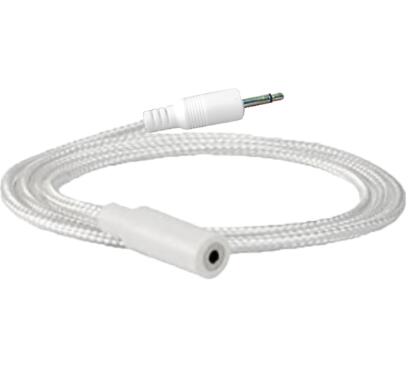
Wireless Water Leak Detection Cable Smart Home Sensing Rope
View Specifications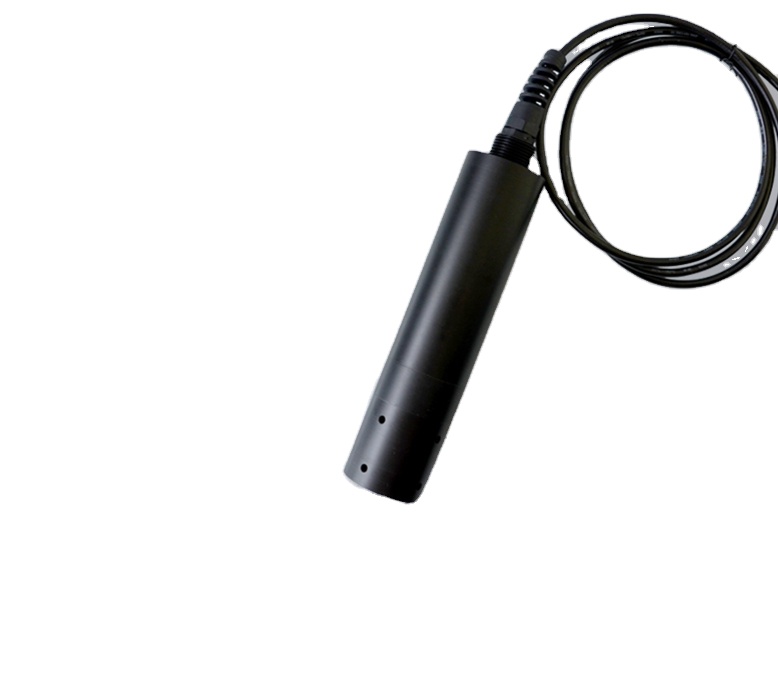
DTS-600 Turbidity Transducer Electrode RS485 Modbus Sensor
View Specifications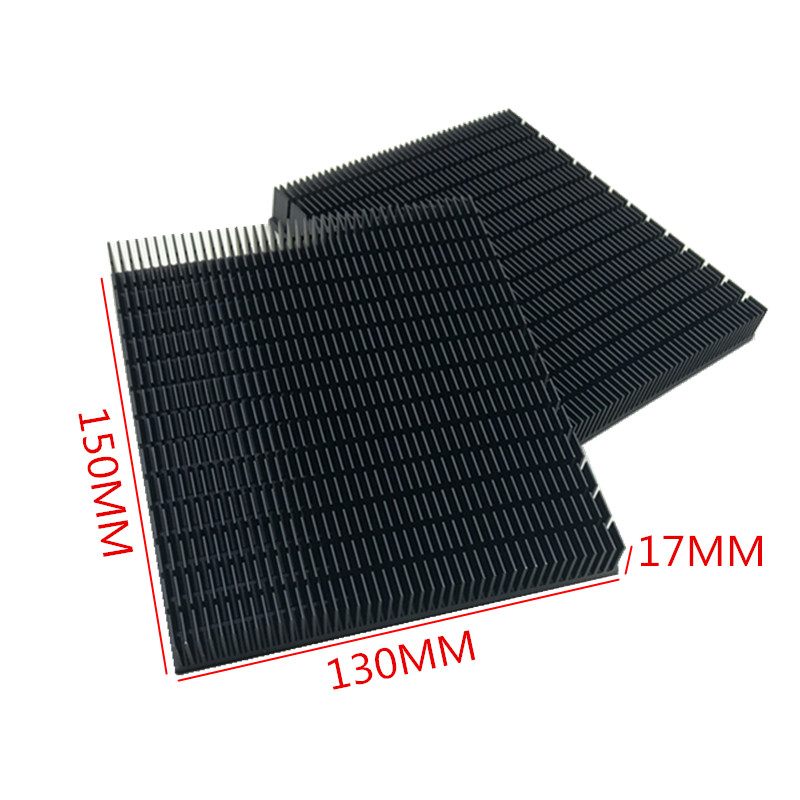
Groove Aluminum Heatsink for High Power Supply Cooler Radiator
View Specifications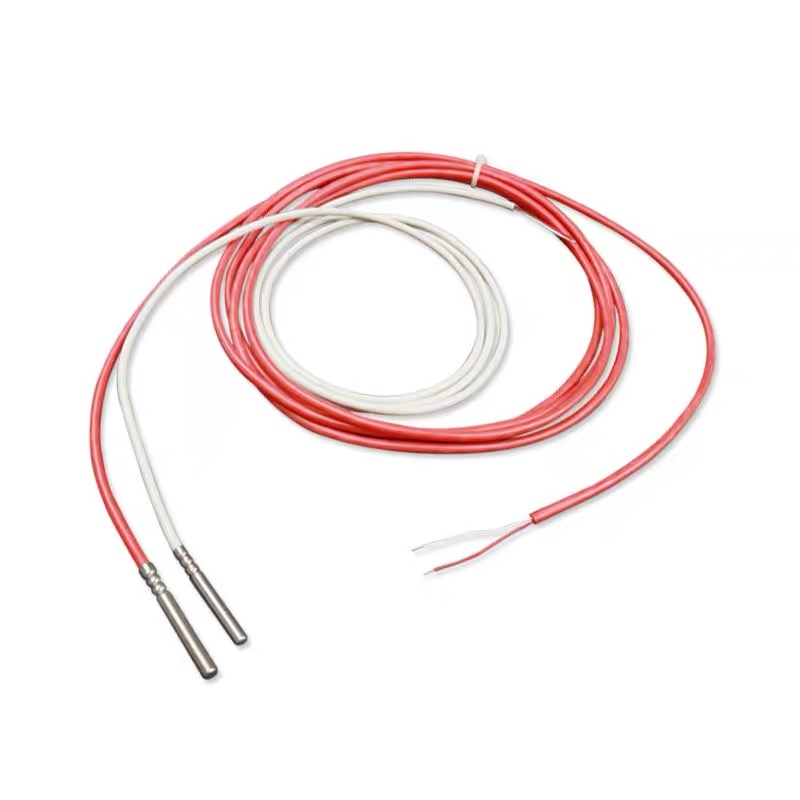
PT1000 Temperature Sensor Platinum Resistance Silicone Probe
View Specifications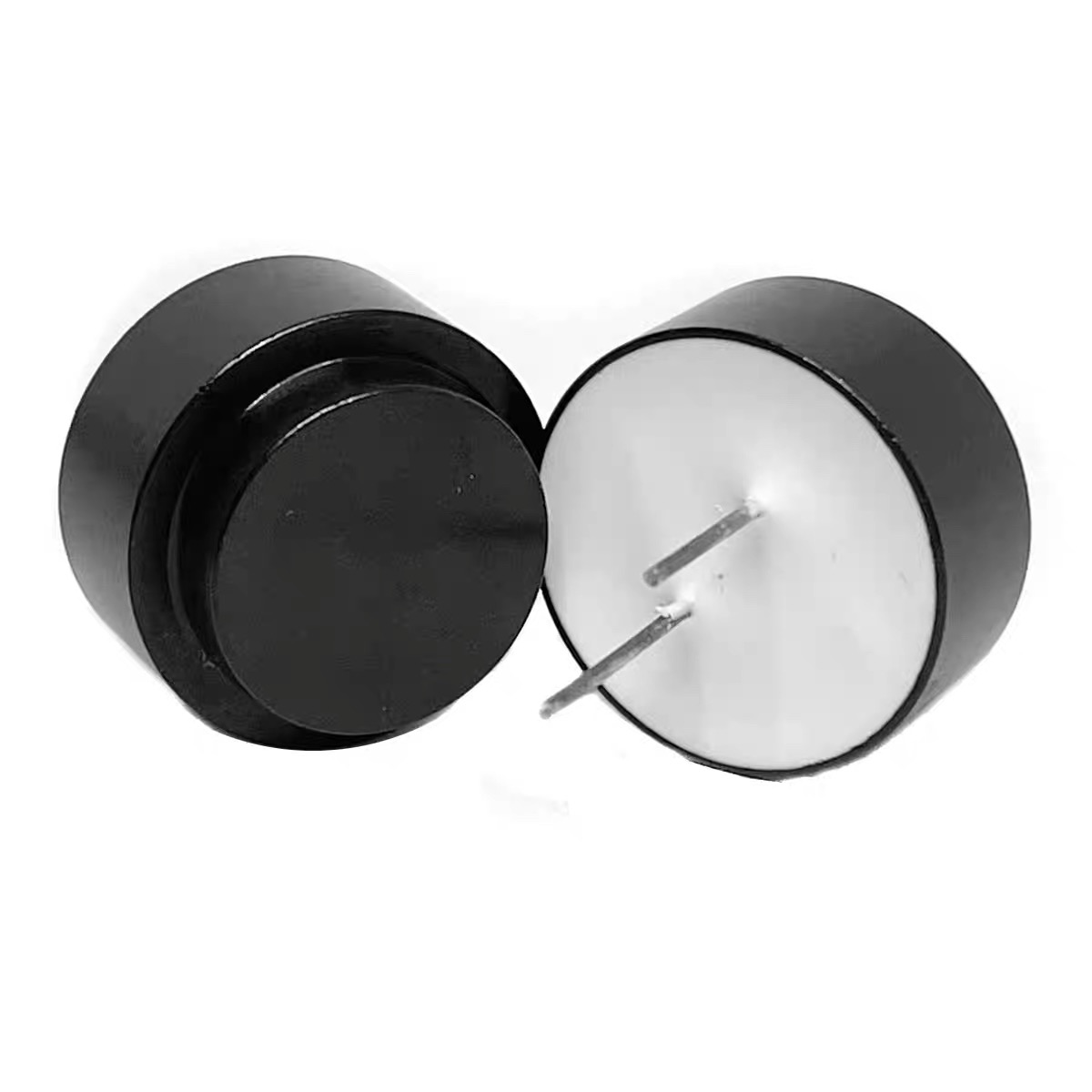
16mm Waterproof Ultrasonic Sensor Distance Measurement Probe
View Specifications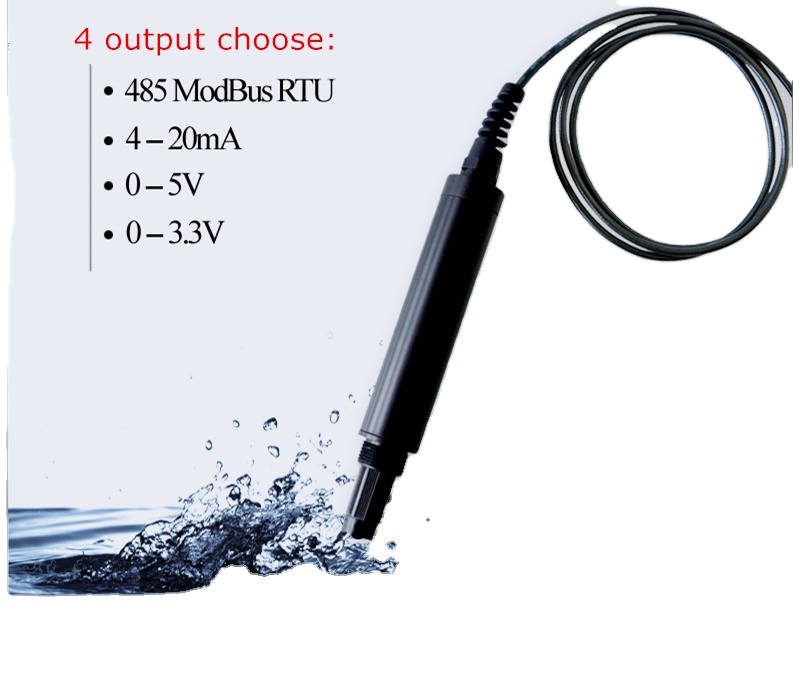
DOS-600 Digital Dissolved Oxygen Sensor Probe 4-20mA Output
View Specifications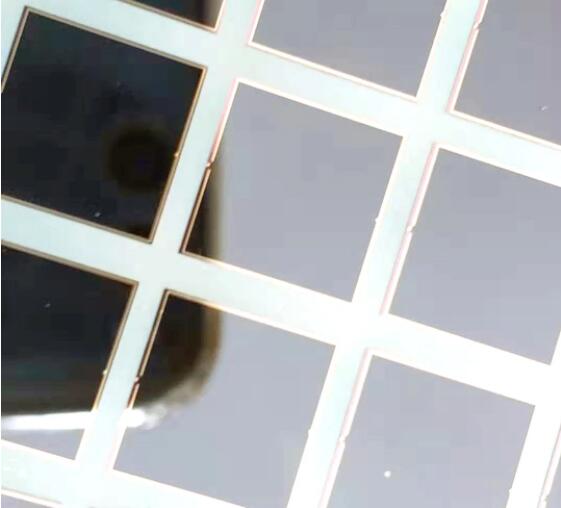
Linear Silicon Photocell Chip 10x10 Wafer Photodiode SGPIN400
View SpecificationsThe San Francisco Bay Area Hardware Ecosystem: Demands on Advanced FPC Assembly
The San Francisco Bay Area—stretching from the hardware startup incubators in South of Market (SoMa) and Mission Bay to the deep-tech engineering laboratories of Palo Alto, Sunnyvale, and San Jose—remains the epicenter of global device innovation. Unlike conventional consumer electronics, Bay Area original equipment manufacturers (OEMs) create hardware characterized by extreme volumetric constraints, high dynamic stress, rigorous high-density interconnect (HDI) routing, and ultra-short new product introduction (NPI) life cycles. In these architectures, standard rigid printed circuit boards (FR-4) are no longer sufficient. High-reliability Flexible Printed Circuits (FPC) and Rigid-Flex assemblies have evolved from optional interconnect solutions into mission-critical structural and electronic foundations.
As a dedicated FPC assembly factory and high-mix exporter based in Shenzhen, China, Shenzhen Mivo Electronics Co., Ltd. serves as a reliable manufacturing bridge for Silicon Valley engineering teams. Navigating the journey from initial prototype CAD files to high-yield mass production requires more than simple manufacturing services; it demands deep Design for Manufacturability (DFM) analysis, precise micro-pitch SMT assembly, comprehensive material qualification (such as adhesiveless polyimide substrates and modified polyimide for high-frequency signal integrity), and supply chain visibility that aligns with Pacific Time development schedules.
"In San Francisco's hyper-competitive hardware corridors, engineering teams cannot afford assembly delamination, micro-via cracking under repeated bending, or component detachment during field deployment. Manufacturing execution must match precision design."
Whether assembling multi-layer polyimide flex circuits for medical wearables undergoing clinical trials in UCSF medical networks or fabricating high-frequency sensor links for autonomous electric vehicles traversing Bay Area freeways, local procurement teams seek an export partner capable of IPC-A-610 Class 3 workmanship, 01005 micro-component placement, automated stiffener lamination, and verified supply chain integrity.
FPC & Rigid-Flex Manufacturing Engineering Specifications
Building high-reliability flexible circuit assemblies requires tight control over mechanical stress distributions, thermal dissipation parameters, and moisture absorption characteristics. Below are the engineering standards and manufacturing thresholds delivered to Bay Area hardware developers:
| Technical Parameter | Standard Capability | Advanced / Precision Tier (Bay Area Spec) |
|---|---|---|
| Layer Count (FPC & Rigid-Flex) | 1 – 6 Layers | Up to 12 Layers (Rigid-Flex HDI with Blind/Buried Vias) |
| Base Substrate Material | Standard Polyimide (PI) with Adhesive | Adhesiveless Polyimide, Modified PI (MPI), Liquid Crystal Polymer (LCP) |
| Minimum Trace Width / Spacing | 50 µm / 50 µm (2 mil / 2 mil) | 25 µm / 25 µm (1 mil / 1 mil) via Semi-Additive Process (mSAP) |
| Micro-SMT Component Capability | 0201 Passives, 0.4mm pitch BGA | 01005 chips, 0.3mm ultra-fine-pitch CSP/WLCSP, Bare Die Bond |
| Stiffener Integration | FR-4, Standard Stainless Steel | Laser-cut 304 Stainless Steel, Aluminum, Polyimide, Ceramic Backers |
| Dynamic Bend Endurance | > 50,000 cycles (Standard flex) | > 250,000 to 1,000,000+ cycles (Optimized neutral axis stack-up) |
| Surface Finishing Options | Immersion Gold (ENIG), OSP | ENEPIG (Electroless Nickel Electroless Palladium Immersion Gold), Hard Gold |
| Inspection & Quality Control | Visual Inspection, Flying Probe | 3D AOI, High-Resolution X-Ray (AXI) for BGA/QFN, 4-Wire Kelvin Testing |
Substrate Selection & Neutral Axis Mechanical Balancing
A primary failure mode observed by Silicon Valley hardware developers is conductive trace fracture occurring along dynamic bend radii. Shenzhen Mivo Electronics integrates dedicated mechanical engineering reviews into every quoting phase. By calculating the neutral axis of the flex stack-up, copper traces are positioned precisely along the plane of minimum tension and compression. Furthermore, for high-speed differential pairs utilized in spatial computing and LiDAR modules, we deploy ultra-low loss Modified Polyimide (MPI) and LCP substrates with dielectric constants (Dk) maintained below 3.0, mitigating signal attenuation and phase jitter across gigahertz frequency bands.
Localized Bay Area Application Scenarios
The convergence of enterprise software, artificial intelligence, biotechnology, and clean transportation in Northern California has sparked unique hardware architectures. Our custom FPC assemblies operate at the heart of these disruptive market deployments:
Biocompatible Health Tech & MedTech
Continuous health monitors, surgical robotics, and neural telemetry devices originating in San Francisco bio-clusters demand ultra-thin, moisture-sealed, bio-inert FPC assemblies capable of conforming to dynamic anatomical contours without signal distortion.
Autonomous Driving & LiDAR Sensing
Silicon Valley automotive innovators integrate our ruggedized flex assemblies into dynamic sensor gimbals, solid-state LiDAR emitter arrays, and battery management systems (BMS) requiring heat tolerance up to 125°C and vibration resistance.
AR/VR Spatial Computing Headsets
Next-generation mixed reality hardware designed across Peninsula tech campuses relies on ultra-lightweight rigid-flex designs to route high-bandwidth micro-OLED display pipelines and spatial audio arrays through tight structural geometries.
Robotics & Drone Joint Articulation
Bay Area industrial automation robotics and delivery drone platforms utilize multi-layer FPCs engineered for over 500,000 torsional flex cycles, eliminating bulky wiring harnesses and improving overall mechanical MTBF.
Smart Infrastructure & Environmental Monitoring
Deploying specialized sensing arrays—such as leak detection cables, dissolved oxygen probes, and ultrasonic distance sensors—in commercial smart buildings and green tech monitoring centers throughout the Pacific Northwest and Northern California.
High-Density Edge Computing Nodes
Compact AI accelerators and miniaturized computing clusters leverage rigid-flex interconnects to eliminate connector insertion losses and minimize parasitics in ultra-dense form-factor chassis.
San Francisco Market Hardware Trends: 2025–2030
Procurement practices and technical specifications across Northern California are evolving rapidly. Hardware architects and supply chain vice presidents are actively adapting to three macroeconomic and technological shifts:
1. Accelerated NPI Cycles with Immediate DFM Feedback
Silicon Valley hardware companies operate on venture-backed, sprint-oriented development cadences. Prototype iteration timelines have contracted from months to days. San Francisco engineering leaders require turnkey manufacturing partners who can analyze Gerber and ODB++ files overnight (utilizing time-zone differences to Pacific Time's benefit), provide actionable DFM and DFA insights, source hard-to-find active silicon, and ship fully populated, tested flexible circuit assemblies directly to SFO or Oakland International Airport within rapid execution windows.
2. The Convergence of Flexible Substrates with Sensor Transducers
Traditional hardware architectures partitioned sensors, computing modules, and interconnects into separate physical domains. The emerging trend across Bay Area hardware innovators is structural integration: embedding thermistors (such as PT1000 probes), capacitive sensing elements, linear photocells, and ultrasonic transceivers directly into the flexible substrate. This monolithic approach reduces profile height, eliminates connector point-of-failure liabilities, and slashes total bill-of-materials (BOM) assembly labor costs.
3. Rigorous Supply Chain Traceability and Counterfeit Avoidance
Given the strict requirements of regulatory frameworks like the FDA (for medical technology) and NHTSA (for automotive systems), San Francisco hardware buyers cannot risk gray-market electronic components. Shenzhen Mivo Electronics operates authenticated procurement pipelines directly tied to factory-authorized component distributors (Mouser, Digi-Key, Element14, and original semiconductor manufacturers in Shenzhen’s premier high-tech corridors). Every component batch is documented, fully traceable, and backed by verifiable certificates of conformity (CoC).
Why Silicon Valley Engineering Teams Partner with Shenzhen Mivo Electronics
Founded in 2016 and located in Yuanshan Street, Shenzhen, Shenzhen Mivo Electronics Co., Ltd. has established itself as an onsite-verified manufacturer offering end-to-end electronic manufacturing services (EMS). Our capabilities combine bare PCB/FPC fabrication, turnkey SMT assembly, comprehensive component sourcing, and precision mechanical/sensor production.
Onsite-Verified Factory Infrastructure
Our manufacturing facility and operational legality have passed strict onsite verification by international third-party inspection firms and Alibaba platform checks, operating with 51 to 100 dedicated technical and assembly specialists.
Agile Prototype to Volume Scaling
We break the barrier of excessive factory minimums. Silicon Valley startups can initiate prototype PCBA/FPCA runs from as low as 5 pieces, proving designs without capital burn before scaling seamlessly to thousands of units.
Comprehensive Sensor & Thermal Ecosystem
Beyond pure circuit assembly, we engineer precision sensor assemblies, waterproof probes (PT100/PT1000, ultrasonic, dissolved oxygen), extruded groove aluminum heatsinks, and membrane switch panels under one roof.
Precision SMT Fixturing for Flex Circuits
Handling thin polyimide flex boards requires specialized high-temperature vacuum carrier pallets, laser-cut SMT stencils, and precise solder paste inspection (SPI) to prevent warping and solder bridging on fine-pitch pads.
Zero Unauthorized Part Substitutions
Our component sourcing follows an absolute transparency standard. If a specified BOM component faces supply chain obsolescence or lead-time spikes, alternate form-fit-function cross-references are deployed only after written client approval.
Direct Pacific Air Logistics Integration
Daily express connections through Shenzhen/Hong Kong air freight hubs enable reliable 3-to-5 day door-to-door transit directly into San Francisco, San Jose, and Oakland corporate offices and research facilities.
San Francisco Procurement & Engineering FAQ
Detailed answers addressing common technical, operational, and commercial questions raised by Bay Area hardware developers, supply chain directors, and NPI managers:
What are the critical DFM checks Mivo executes for multi-layer FPC assemblies?
Our DFM (Design for Manufacturability) protocol evaluates track-to-edge clearances, bend radius ratios (ensuring at least 10x the substrate thickness for dynamic flex), coverlay opening alignments, and teardrop reinforcements at all pad-to-trace junctions. Crucially, we inspect the positioning of SMT components relative to the transition zones where flexible substrates bond with rigid FR-4 or stainless steel stiffeners, preventing micro-stress concentration from peeling component solder pads during chassis installation.
How does your 5-piece minimum order quantity (MOQ) support Bay Area hardware startups?
Many Asian board houses enforce high setup minimums (500 to 1,000 units), which stalls early-stage hardware incubation. Mivo supports engineering agility by accepting custom prototype FPC and turnkey SMT orders starting from just 5 pieces. This enables hardware founders in San Francisco, Berkeley, and Sunnyvale to run functional EVT (Engineering Validation Test) and DVT (Design Validation Test) iterations cost-effectively prior to committing capital to mass production tooling.
How do you prevent solder joint fatigue on dynamic flexible circuit assemblies?
Flexible circuits inherently flex, but solder alloys (such as SAC305) are rigid metals susceptible to strain-induced micro-cracking. To solve this, we implement three engineering defenses: (1) Localized rigid stiffeners (304 stainless steel or FR-4) laminated directly underneath SMT component footprints so that flexure is physically restricted to active bend lanes; (2) Controlled underfill and UV-curable conformal bonding around fine-pitch ICs; and (3) Precision reflow profiling that avoids thermal overstress on thin polyimide films.
What international standards and compliance documentation accompany shipments to California?
Every shipment destined for California ports or SFO customs conforms to strict environmental and electrical standards. We provide full documentation packages including RoHS 3 (Directive 2015/863) compliance, REACH declarations, UL 94V-0 flammability certification for all base laminates and coverlays, IPC-A-610 Class 2/3 inspection certificates, and complete electrical test / Flying Probe reports.
Can Mivo supply both the FPC assembly and peripheral sensors/heat sinks in a consolidated BOM?
Yes. One of Mivo’s primary strategic differentiators is our unified catalog of sensors, precision thermal solutions, and custom cable assemblies. We can assemble your central flexible circuit board and integrate or co-package matched PT1000 resistance temperature sensors, waterproof ultrasonic distance transceivers, micro coaxial harnesses, and custom groove aluminum heatsinks, simplifying your vendor management down to a single accountable partner.
What shipping and customs terms are available for fast delivery into the Bay Area?
We regularly handle DDP (Delivered Duty Paid), DAP, and FOB logistics via express carriers (FedEx, DHL, UPS) and dedicated air freight forwarders. For urgent prototype sprints, air express ensures transit times of 3 to 5 business days from our Shenzhen dispatch center directly to your receiving dock in San Francisco, San Jose, or South Bay facilities, complete with automated tracking and cleared customs documentation.
Accelerate Your Flexible Hardware Development Today
Partner with Shenzhen's verified FPC assembly manufacturer. Submit your Gerber files, BOM lists, and mechanical drawings for comprehensive DFM analysis and rapid quotation.