High-Reliability Sensors, Piezo-Transducers & Thermal Components
Engineered for extreme operating environments across Oceania. Every component undergoes 100% automated electrical inspection and environmental stress screening prior to international dispatch.
The Strategic Mandate for Metal Core PCBs in Auckland Hardware Engineering
In the rapidly expanding hardware ecosystem of the Auckland Region—spanning precision marine monitoring across the Waitematā Harbour, high-lumen horticultural luminaires in Pukekohe, and rugged industrial IoT gateways in Penrose—standard FR-4 fiberglass substrates increasingly hit an immutable physical wall: thermal dissipation limits. FR-4 exhibits an anemic transverse thermal conductivity of roughly 0.25 to 0.3 W/m·K. When high-power surface-mount semiconductors, Cree/Lumileds high-power LED arrays, or gallium nitride (GaN) switching transistors operate continuously, localized junction temperatures ($T_j$) surge above recommended safety thresholds, precipitating rapid luminous decay, spectral shifts, dielectric breakdown, and early silicon failure.
As a dedicated OEM/ODM Metal Core Printed Circuit Board (MCPCB) factory and exporter serving Auckland and Australasian technology leaders, our manufacturing infrastructure bridges advanced Shenzhen high-density interconnect (HDI) production with rigorous Australasian design standards (AS/NZS 61000, IPC-A-600 Class 2/3, and IPC-6012). By laminating high-grade electrolytic copper foils to specialized thermally conductive ceramic-polymer dielectric layers atop heavy aluminum (5052/6061) or copper base plates, our metal core substrates deliver bulk thermal conductivities ranging from 1.0 W/m·K to beyond 8.0 W/m·K. This dramatic 10x to 30x thermal efficiency increase enables rapid lateral and through-plane heat extraction, transforming the PCB structure itself into an active heat exchanger and eliminating heavy, expensive extruded auxiliary heatsinks.
Advanced Dielectric Formulations
We utilize ultra-thin, ceramic-filled epoxy dielectric layers (50μm–150μm) providing extreme dielectric breakdown strength (>4.0 kV/mil AC) while maintaining low thermal resistance ($R_{th} < 0.35\ ^\circ\text{C}\cdot\text{in}^2/\text{W}$).
- Thermal conductivity: 1.0, 2.0, 3.0, up to 8.0 W/m·K
- Hi-Pot test resistance up to 6000V DC
- Low CTE matching prevents solder fatigue
Substrate Alloy Versatility
From lightweight 5052 aluminum alloy with exceptional mechanical bending stiffness to 6061 T6 aircraft-grade alloy for CNC milling, through to Direct Thermal Path (DTP) oxygen-free copper plates.
- Aluminum thickness: 0.6mm, 1.0mm, 1.5mm, 2.0mm, 3.0mm
- Copper foil weights: 1 oz (35μm) up to 6 oz (210μm)
- Anodized black, brushed, or chemical gold base finishes
Turnkey SMT & Precision Profiling
Specialized V-scoring, diamond-coated CNC routing, and punching dies ensure zero burr formation and zero delamination between dielectric and metal substrate during thermal cycles.
- Custom high-reflectivity white soldermask (>90% albedo)
- Lead-free HASL, ENIG, and Immersion Silver surface finishes
- Turnkey PCBA assembly available from 5 prototype units
Engineering Tolerance & Performance Benchmark
Comprehensive manufacturing limits comparing standard aluminum substrates, advanced high-conductivity dielectric boards, and direct thermal path copper MCPCBs.
| Substrate Parameter | Standard Aluminum MCPCB | High-Conductivity MCPCB | Direct Thermal Path (DTP) Copper |
|---|---|---|---|
| Base Metal Material | Aluminum 5052 / 1060 | Aluminum 6061-T6 / 5052 | Oxygen-Free Copper (C1100) |
| Dielectric Thermal Conductivity | 1.0 – 1.5 W/m·K | 2.0 – 4.0 W/m·K | Direct metal contact under pad (398 W/m·K) |
| Finished Board Thickness | 0.8mm – 2.0mm (±0.10mm) | 1.0mm – 3.2mm (±0.08mm) | 1.0mm – 4.0mm (±0.08mm) |
| Copper Foil Thickness | 1 oz (35μm) – 3 oz (105μm) | 1 oz (35μm) – 6 oz (210μm) | 2 oz (70μm) – 8 oz (280μm) |
| Breakdown Voltage (Dielectric) | ≥ 3.0 kV AC | ≥ 4.5 kV AC | ≥ 4.0 kV AC (non-thermal zones) |
| Surface Finishes | Lead-Free HASL, OSP | ENIG (Electroless Ni/Immersion Au), ENEPIG | ENIG, Hard Gold Plating, Immersion Silver |
| Thermal Resistance ($R_{th}$) | 0.65 °C/W | 0.28 °C/W | ≤ 0.05 °C/W |
| Typical Auckland Use Case | Commercial Architectural Downlights | Industrial Automation, Motor Inverters | Maritime High-Power LED Floodlights, EV Inverters |
Tailored Localization: How Auckland Innovators Deploy Our MCPCB & Sensors
Addressing unique geographic, environmental, and regulatory requirements across the North and South Islands of New Zealand.
Maritime & Coastal Port Instrumentation
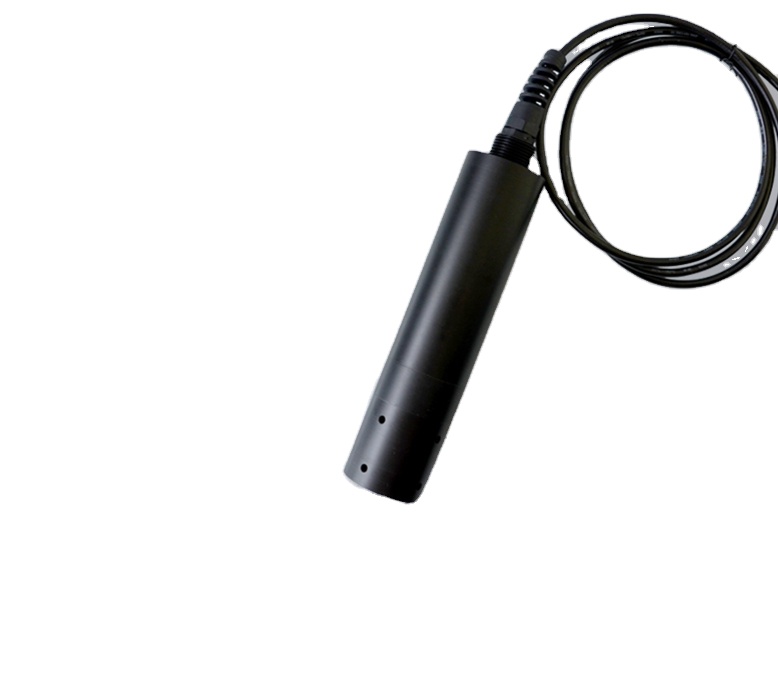
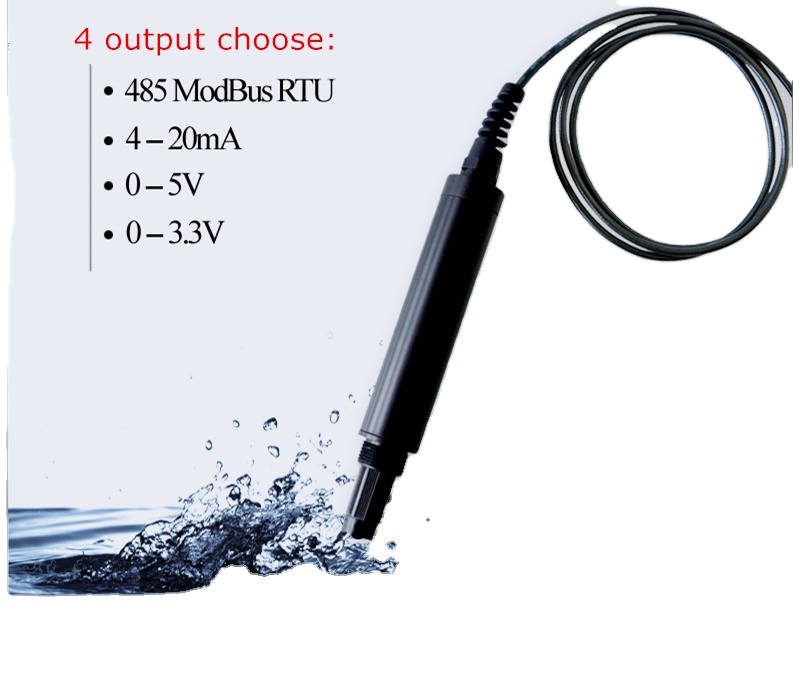
Auckland's dense marine infrastructure across the Ports of Auckland and Hauraki Gulf demands electronics that survive extreme saline mist, cyclic UV exposure, and thermal shock. Our thick-copper (3oz+) aluminum boards—integrated with our DTS-600 Turbidity Probes and DOS-600 Dissolved Oxygen Transducers—form rugged oceanographic telemetry nodes and marine navigation lanterns that resist galvanic corrosion.
Agritech & Horticultural Luminaire Systems
New Zealand’s premium greenhouse fruit and viticulture sectors depend on hyper-intensive PAR spectrum LED light engines. In installations throughout Waikato and South Auckland, our 2.0mm aluminum boards with ultra-reflective white solder mask prevent optical attenuation and dissipate thermal loads generated by Osram Oslon and Samsung LM301 horticulture diodes without active cooling fans, ensuring IP67 hermetic sealing.
Industrial Motion & Heavy Vibrational Sensing
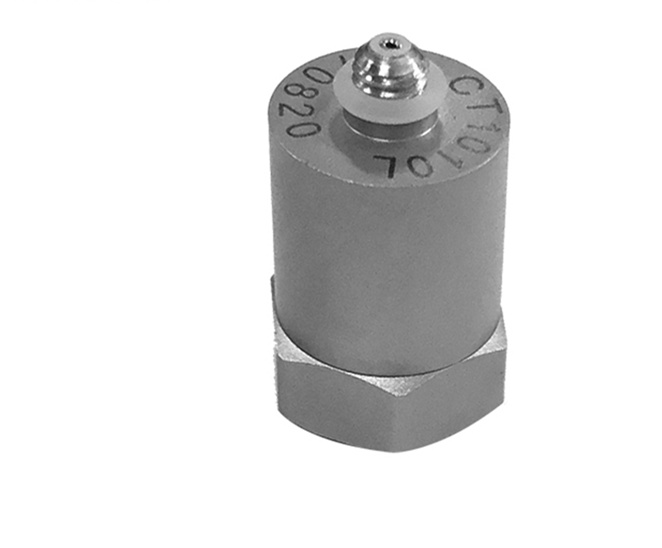
Timber processing plants in Kawerau and industrial food packaging lines in Mount Wellington rely on our rigid metal core platforms paired with our CT1010L ICP/IEPE Piezoelectric Accelerometers and Ultrasonic Transducer Chips to monitor condition-based maintenance, motor bearing fatigue, and unbalance in continuous 24/7 operating cycles.
Clean-Tech, EV Charging & Grid Storage
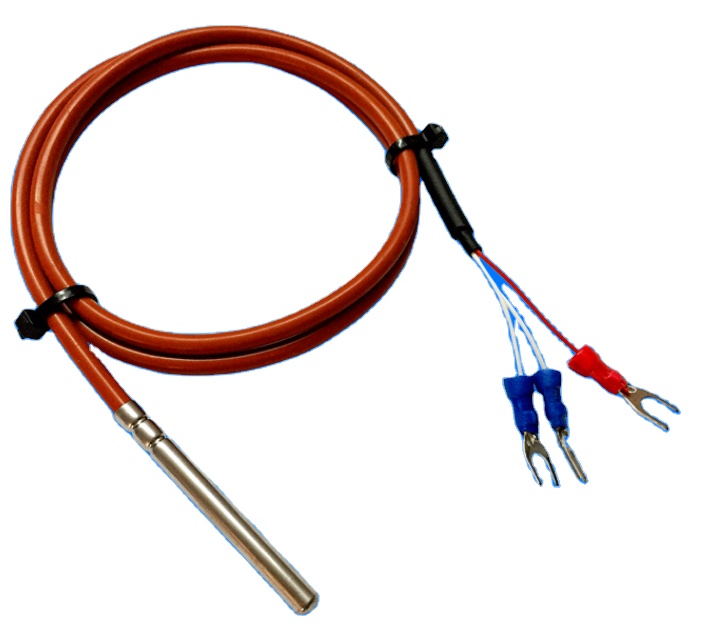
With New Zealand targeting 100% renewable electricity generation, Auckland clean-tech startups are deploying localized fast-DC charging hardware and battery management systems (BMS). Using our heavy copper DTP copper substrates alongside custom PT100 RTD Temperature Probes, engineers mitigate IGBT switching spikes and sustain precise battery pack thermal telemetry.
Aviation, Drone & Remote Optical Nodes
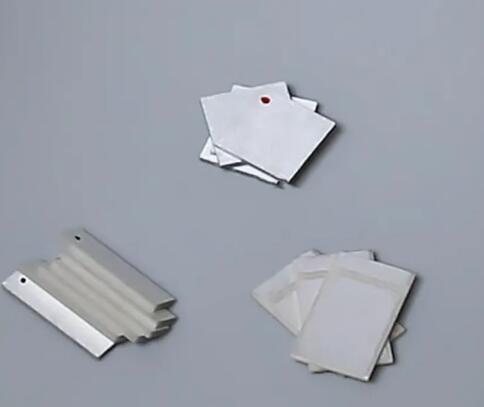
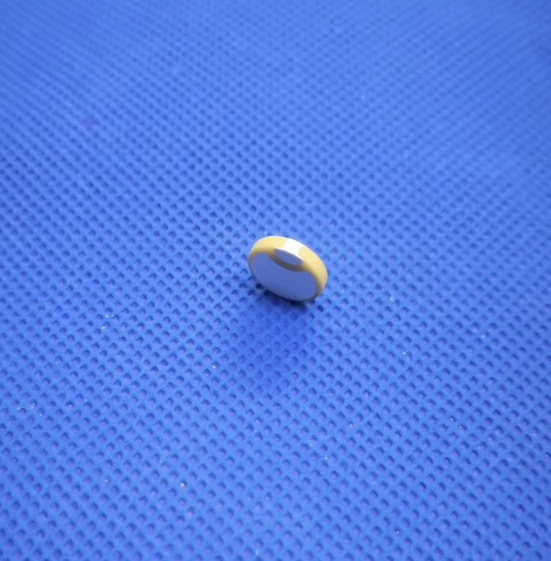
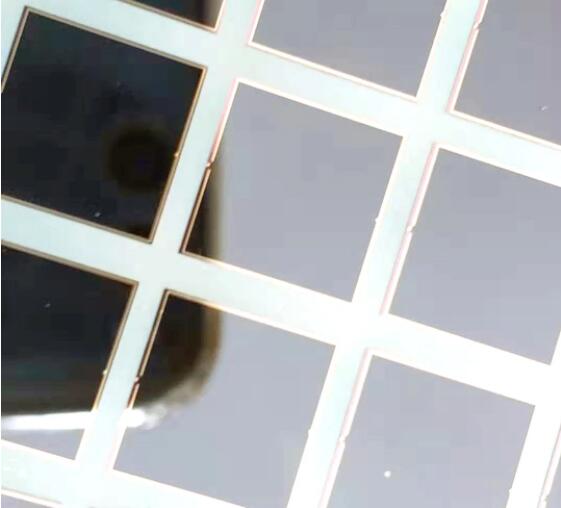
Auckland’s burgeoning aerospace and unmanned aerial robotics cluster benefits from lightweight 1.0mm 6061-T6 aluminum circuit boards. Featuring high vibrational dampening and integrated with our Linear Silicon Photocell Detectors and PZT Shear Plates, these assemblies handle sub-zero upper-atmosphere temperatures while minimizing payload gram-weight.
Cold-Chain Logistics & Dairy Processing
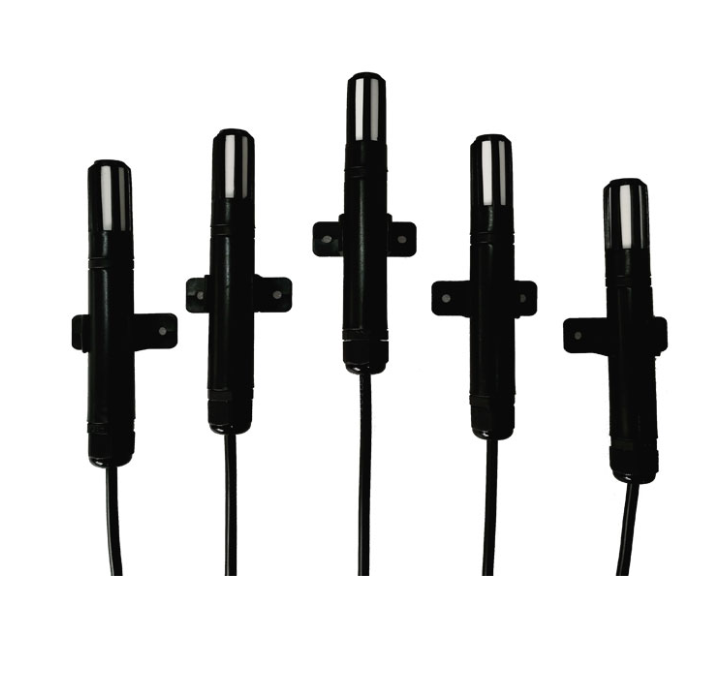
From Fonterra dairy processing plants to refrigerated distribution centers around Auckland Airport, our temperature-stable circuits equipped with digital SHT30 / SHT31 Sensors withstand washdowns, aggressive CIP (clean-in-place) chemicals, and severe moisture fluctuations without trace peeling or signal drift.
Emerging Development Trends in Auckland's Hardware & Electronics Sector
The electronics procurement landscape across Auckland and the broader New Zealand market is undergoing a structural transformation driven by supply chain resilience and electrification:
Consolidation of Turnkey Sourcing
Auckland engineering teams are moving away from fragmented vendor arrangements (purchasing bare metal boards from one house, sourcing passives from distributors, and contracting assembly locally). Working with an onsite-verified manufacturer capable of delivering turnkey PCBA, SMT stencils, custom sensors, and CNC-profiled aluminum boards compresses prototype iteration cycles from 6 weeks to under 10 business days.
Adoption of Wide Bandgap Silicon (SiC & GaN)
Next-generation power supplies, micro-inverters, and high-frequency power switching devices designed in New Zealand run at frequencies exceeding 500 kHz. These high switching rates induce localized thermal flux densities (>50 W/cm²) that conventional FR-4 cannot dissipate. Direct Thermal Path copper-base boards have become the reference standard for preserving switching efficiency and preventing thermal runaway.
Rigorous Environmental Ruggedization
With New Zealand's high UV index, coastal salt-air atmospheric loading, and variable outdoor temperatures, Auckland OEMs prioritize boards specified with specialized UV-stable soldermasks, conformal silicone coatings, and robotic potting encapsulation. Thermal expansion coefficient matching between copper, aluminum, and ceramic components is closely modeled to avert solder joint micro-cracking over 10-year lifespans.
Why Australasian Hardware Leaders Partner With Us
Operating from our onsite-verified manufacturing complex in Shenzhen, China, we combine 8 years of export expertise with direct supply chain access to deliver unmatched value to the Auckland tech corridor.
Independent Onsite Verification
Our production facilities, testing laboratories, and corporate credentials have completed third-party legal verification and comprehensive onsite operational checks. With an average 4.7/5 buyer rating over 8 years of continuous global operations, buyers enjoy transparent transaction records, strict IP confidentiality, and reliable delivery schedules.
Agile Prototype to Volume Scaling
We eliminate the excessive MOQ barriers typical of tier-1 contract manufacturers. Start functional prototyping with PCBA orders starting from 5 pieces, bare MCPCB orders from 100 pieces, and specialized sensors from 10 pieces. As your product achieves market validation, our automated high-speed SMT lines scale seamlessly to thousands of units per month.
Shenzhen Direct Supply Chain Integration
Headquartered in Shenzhen’s premier industrial district, our procurement engineers verify original electronic components directly from authorized distributors. If components face long lead times or end-of-life status, we propose cross-referenced equivalents with parametric engineering sheets—only substituted upon your explicit written authorization.
Frequently Asked Questions by New Zealand Hardware Buyers
Essential information regarding delivery logistics, DFM validation, import duties, and production tolerances for Auckland procurement managers.